WBUR Presents: The 2025 Makers
The natural world has been a powerful muse for artists across the ages. From the earliest petroglyphs to sweeping landscape paintings, humans have been driven to record the world around us. And in our present era, engaging with our environment is more urgent than ever.
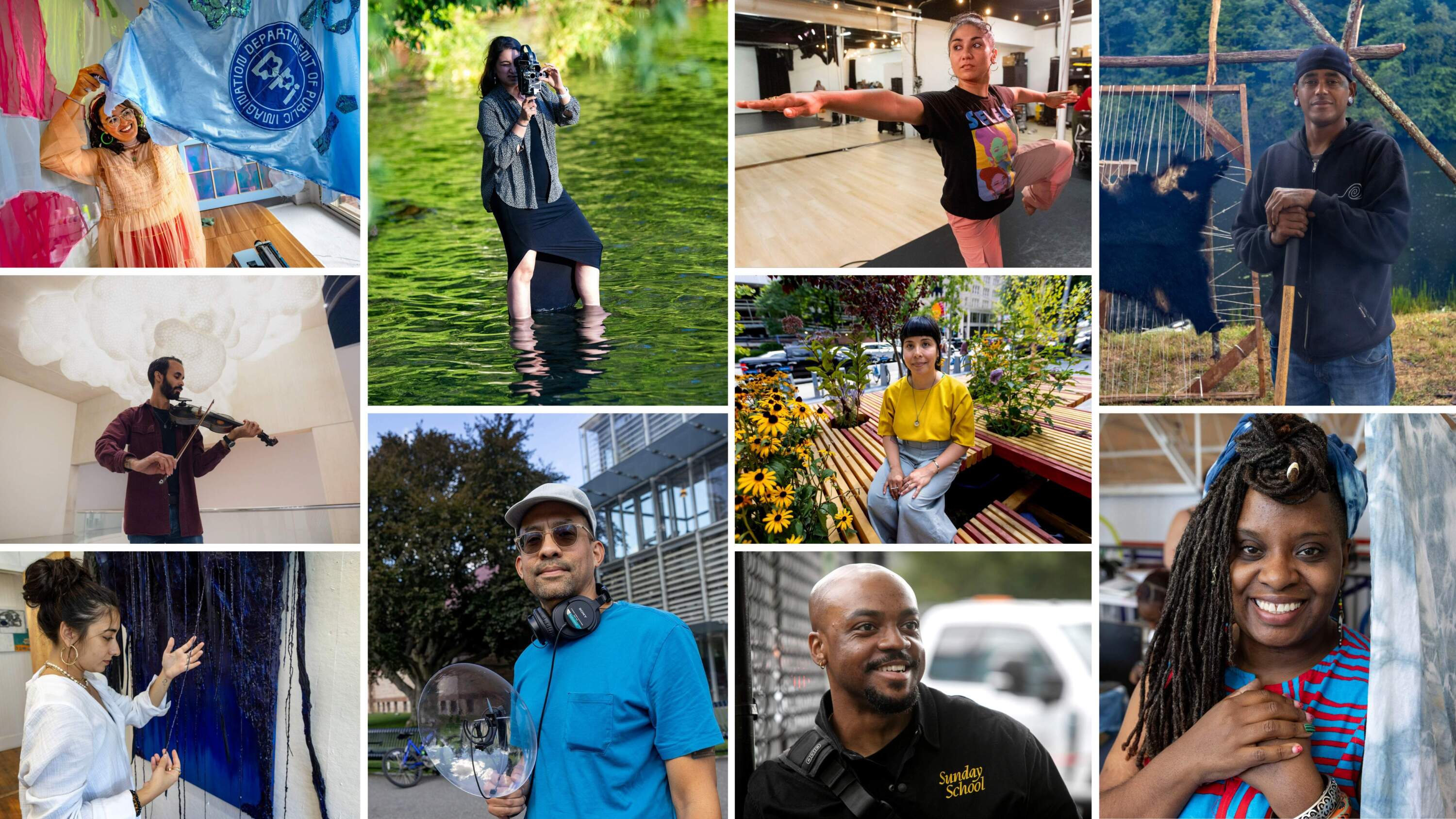
This year, we introduce you to 10 local artists of color who are foregrounding the environment — its beauty and its fragility — in their work. These visionary creators ask difficult questions about our relationship with the surrounding world. Across disciplines and mediums, they grapple with themes of ecological stewardship, climate justice and sustainability.
Artists, like scientists, are meticulous observers, keenly attuned to the nuances of nature. We hear this in the work of composer Skooby Laposky, who uses sensitive equipment to collect the sounds of trees and the flutter of birds’ wings, transforming them into transfixing music. We see this in the sculptures of Jo Nanajian, whose multidimensional paintings of plant material question the durability of memory.
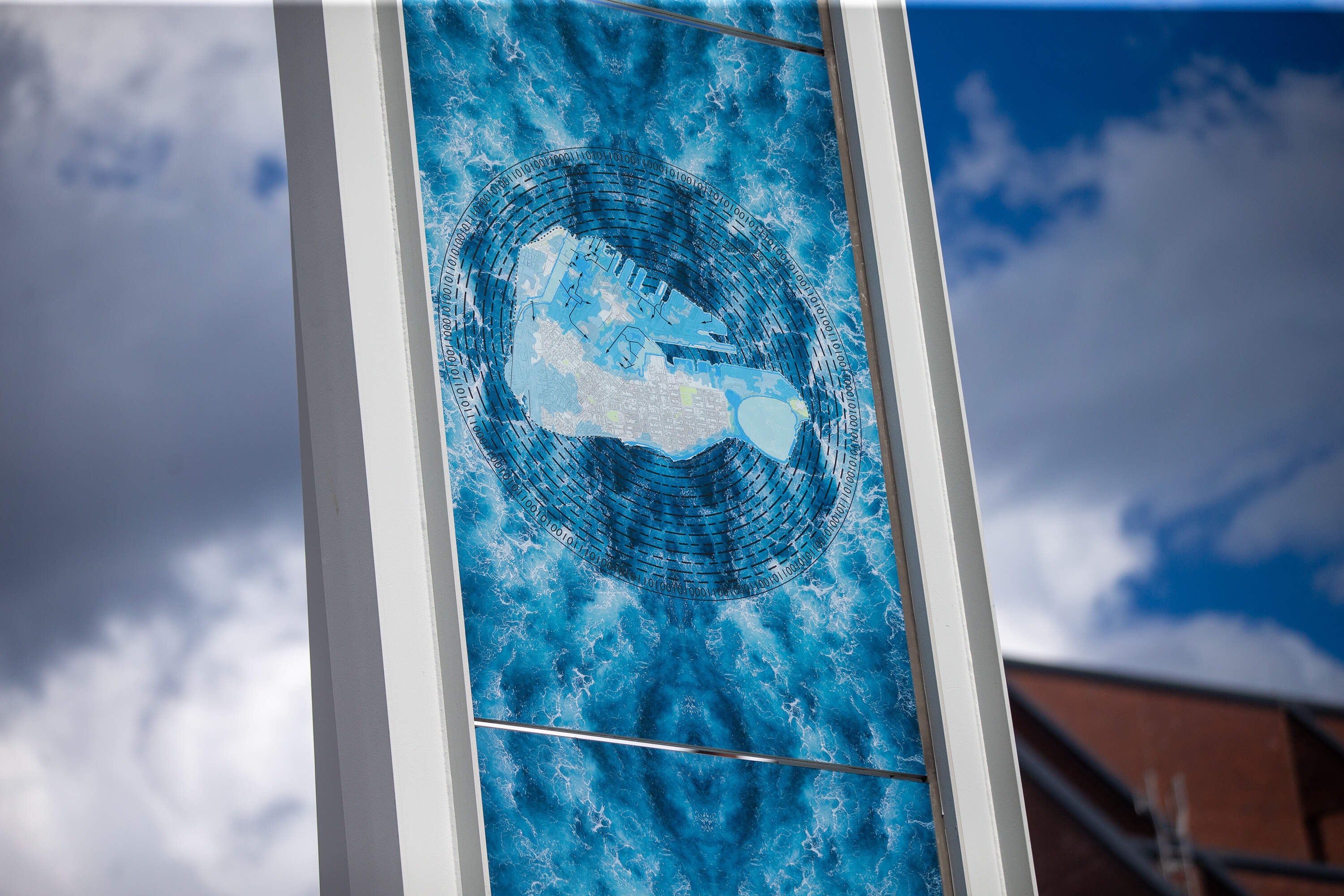
The art of this cohort provokes reflection and sometimes discomfort — but always a call to action. Lani Asunción’s public art installation on the Rose Kennedy Greenway centers a bowl etched with a map of Boston. The work imagines what the city might look like if sea levels continue to rise. Architect Justin Brazier addresses the unequal impacts of climate change with his sculptural shade structures. And artist Tanya Nixon-Silberg uses dye derived from the indigo plant to teach teens about the history of slavery, while also leading community workshops on mending. That simple act is a radical rejection of society’s rampant consumerism.
The beauty in this work is seductive. Across sculpture, performance, film and music, the Makers in this cohort challenge us to imagine a more just and sustainable future. We hope you’ll find inspiration in their work, and perhaps a renewed sense of commitment to the world we live in. We believe these stories can shift perspectives, not only about what is at stake, but also about the power each of us holds to create a better tomorrow. — Tania Ralli, managing editor of arts & culture
Andre StrongBearHeart
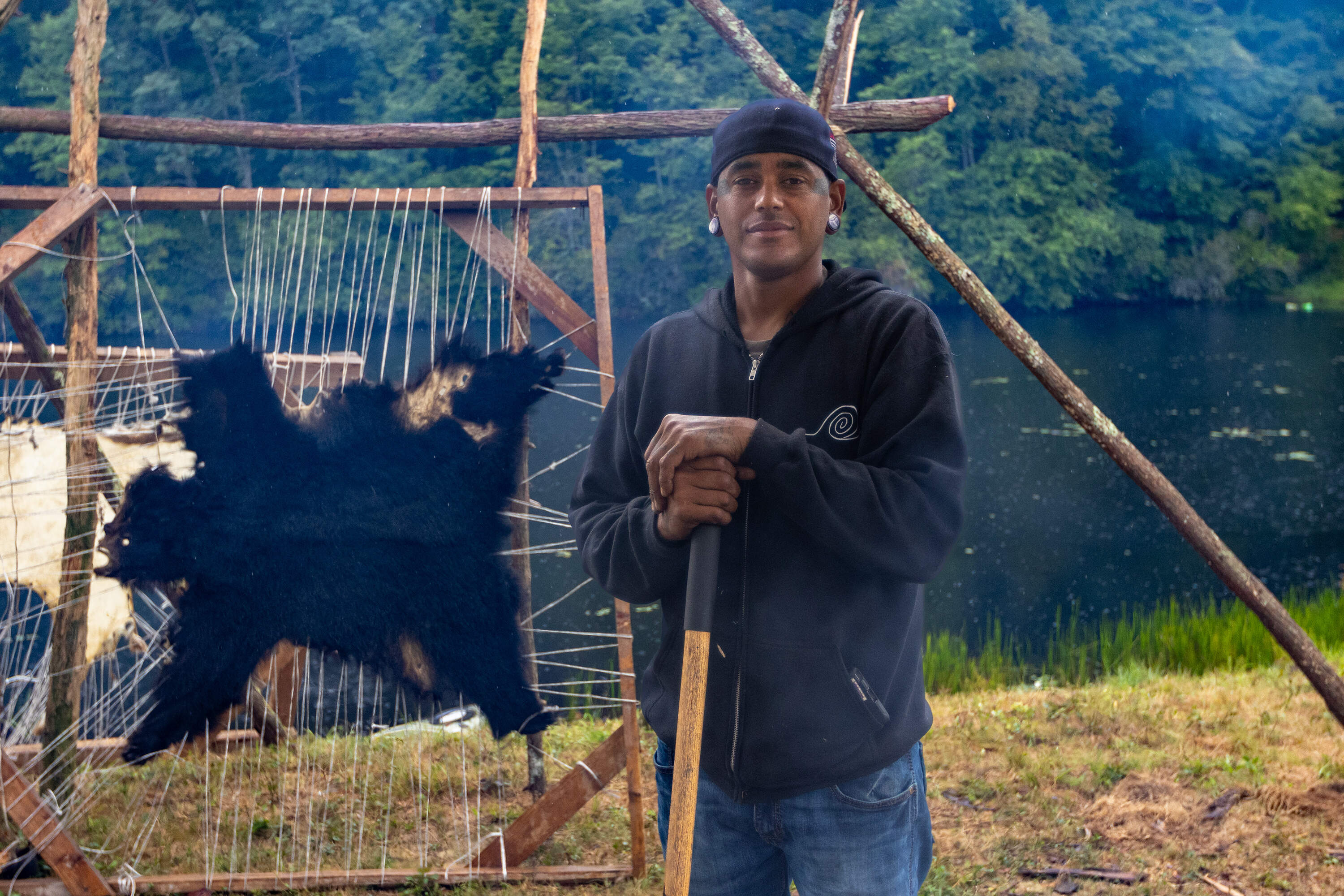
Andre StrongBearHeart Gaines-Roberson Jr. is dedicated to the revival of Indigenous practices like burning dugout canoes and building traditional homes. The natural resources for these skills can be hard to come by, as they are often found on land held by trusts or state agencies. As a result, StrongBearHeart has become a fierce advocate for an Indigenous perspective to land stewardship. He is reshaping the way Massachusetts conservationists care for the land.
crystal bi
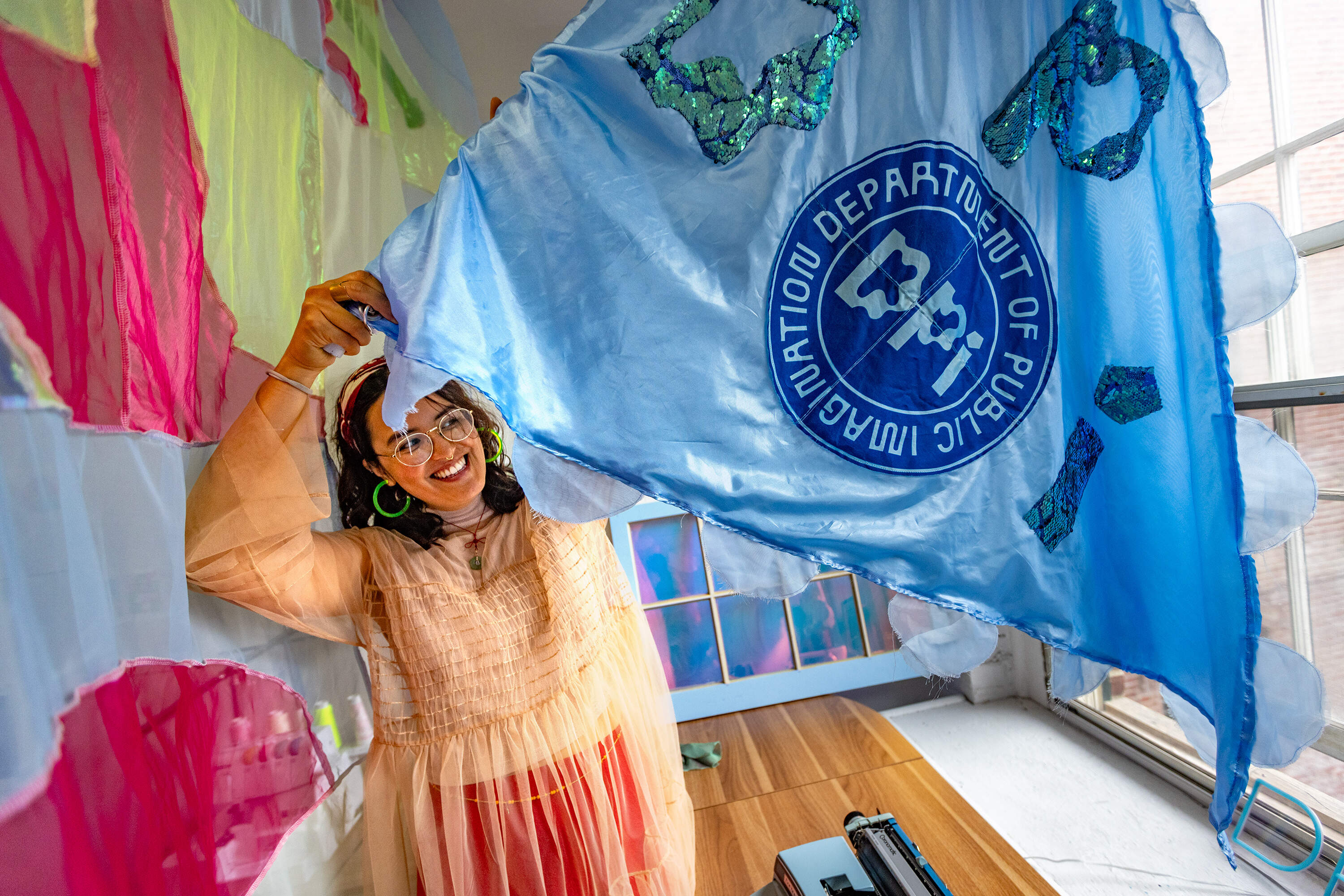
Interdisciplinary artist crystal bi’s site-specific installations draw attention to places’ histories and also point toward their future. She views her work as part of a multigenerational collaboration with ancestors and descendants and often asks her audiences to engage with concepts of dreams, memory and belonging. “I really care about creating the conditions for imagining new worlds with others.”
Homa Sarabi
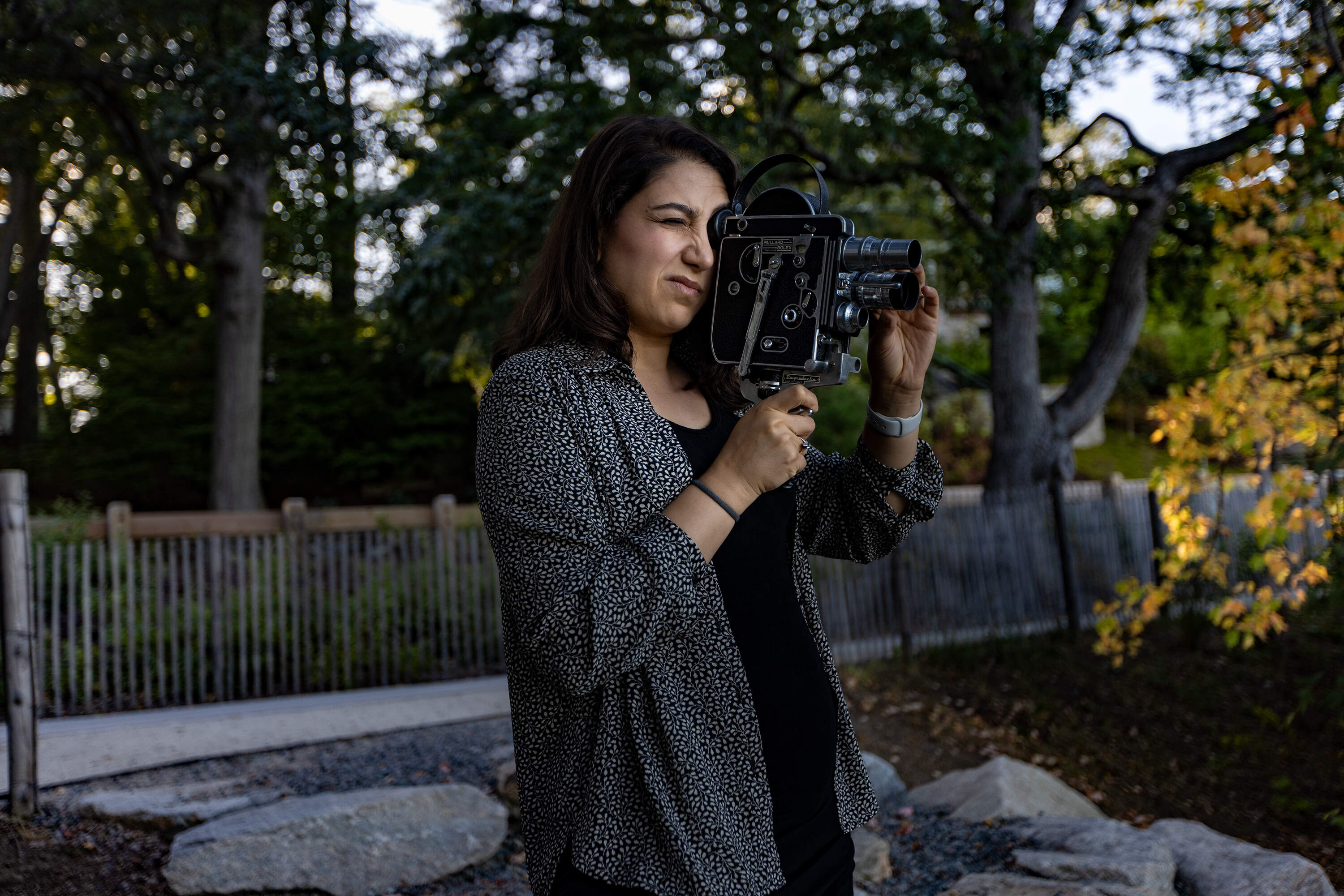
Through film and art, Homa Sarabi transforms memories and conversations into visual stories. Exploring longing, displacement and belonging, Sarabi charts connections between cultures, people and place, even from oceans apart. Maintaining her bond with Iran — the country where her love of the arts was first nourished — fuels her mission as an artist.
Jake Blount
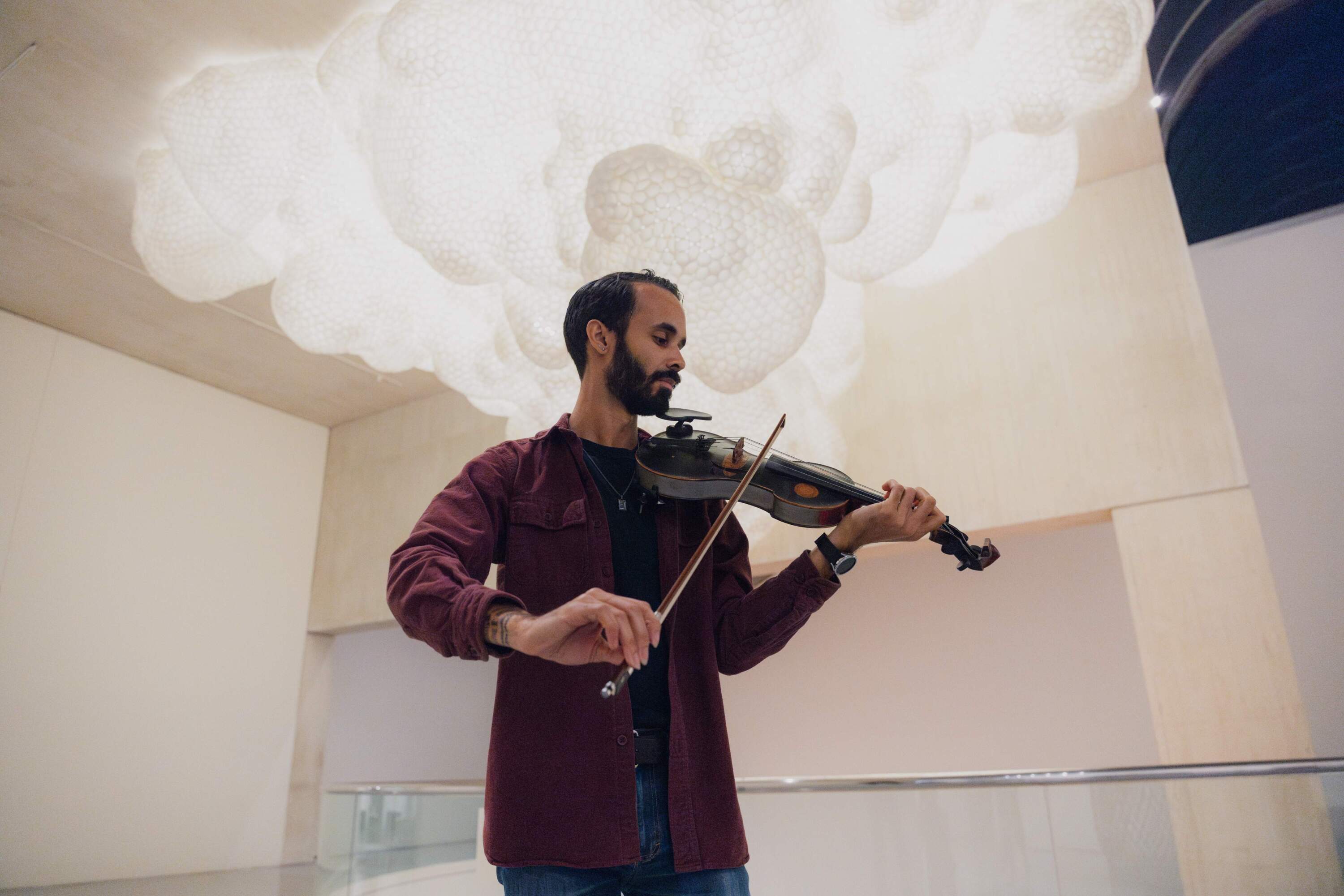
In 2020, the folk musician Jake Blount launched into national awareness with the release of his debut album, “Spider Tales.” His reclamation of Black and Indigenous mountain music spoke to the nation’s racial reckoning, and led him to invent a new genre: Afrofuturist folk. In today’s cultural context, Blount’s explorations of Black roots music and climate collapse hit different.
Jo Nanajian
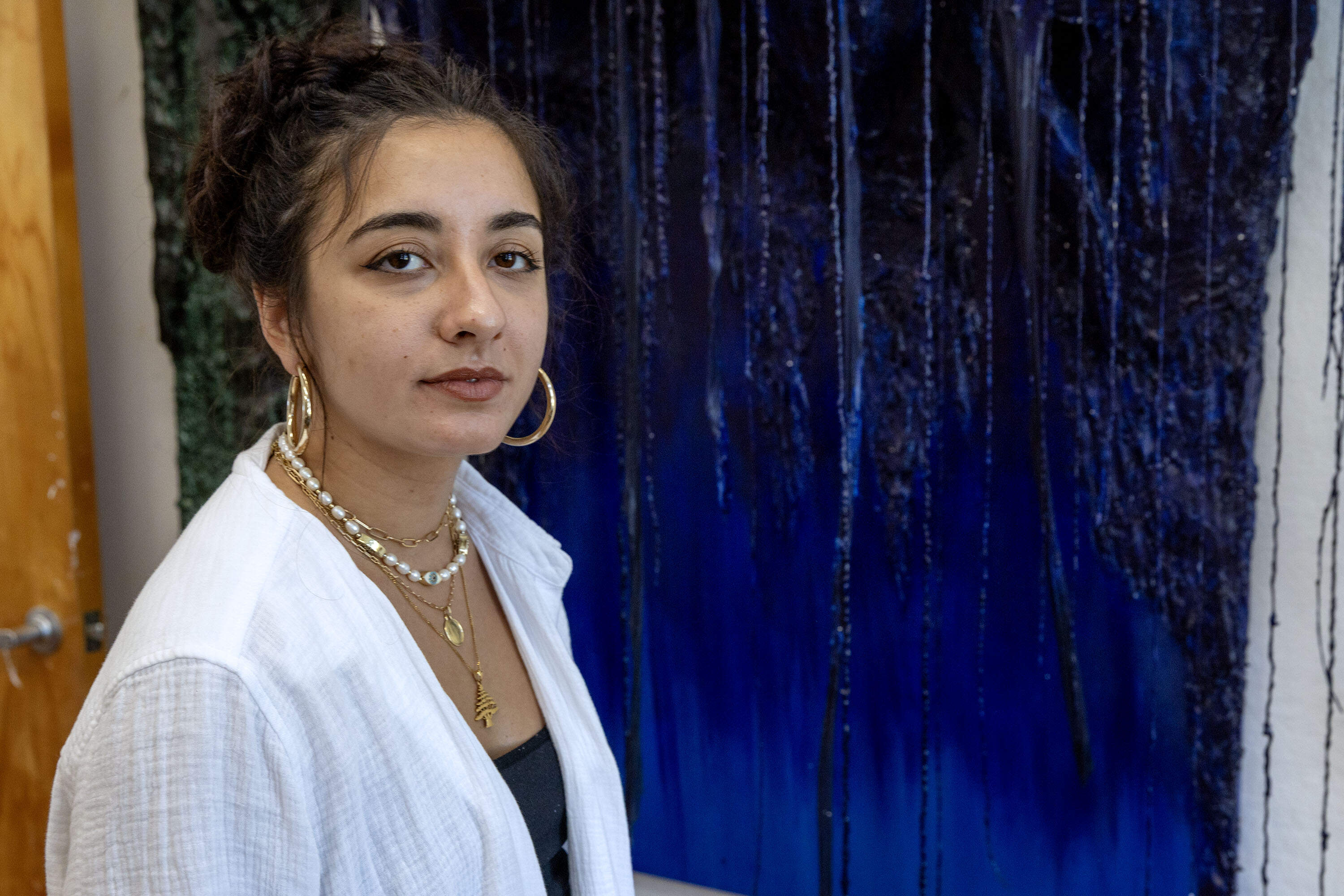
Artist Jo Nanajian creates textured wall sculptures using materials like plaster, glass and wire. They’re typically abstract forms found in nature, like a giant dried rose. With her series on dried plants, she said she tries to represent all the ways that human memory can be preserved, changed or lost. “ I recreate abstract dried flowers because dried flowers themselves are a form of preservation,” she said. “ I question what it means to hold onto something that is always slipping away.”
Justin Brazier
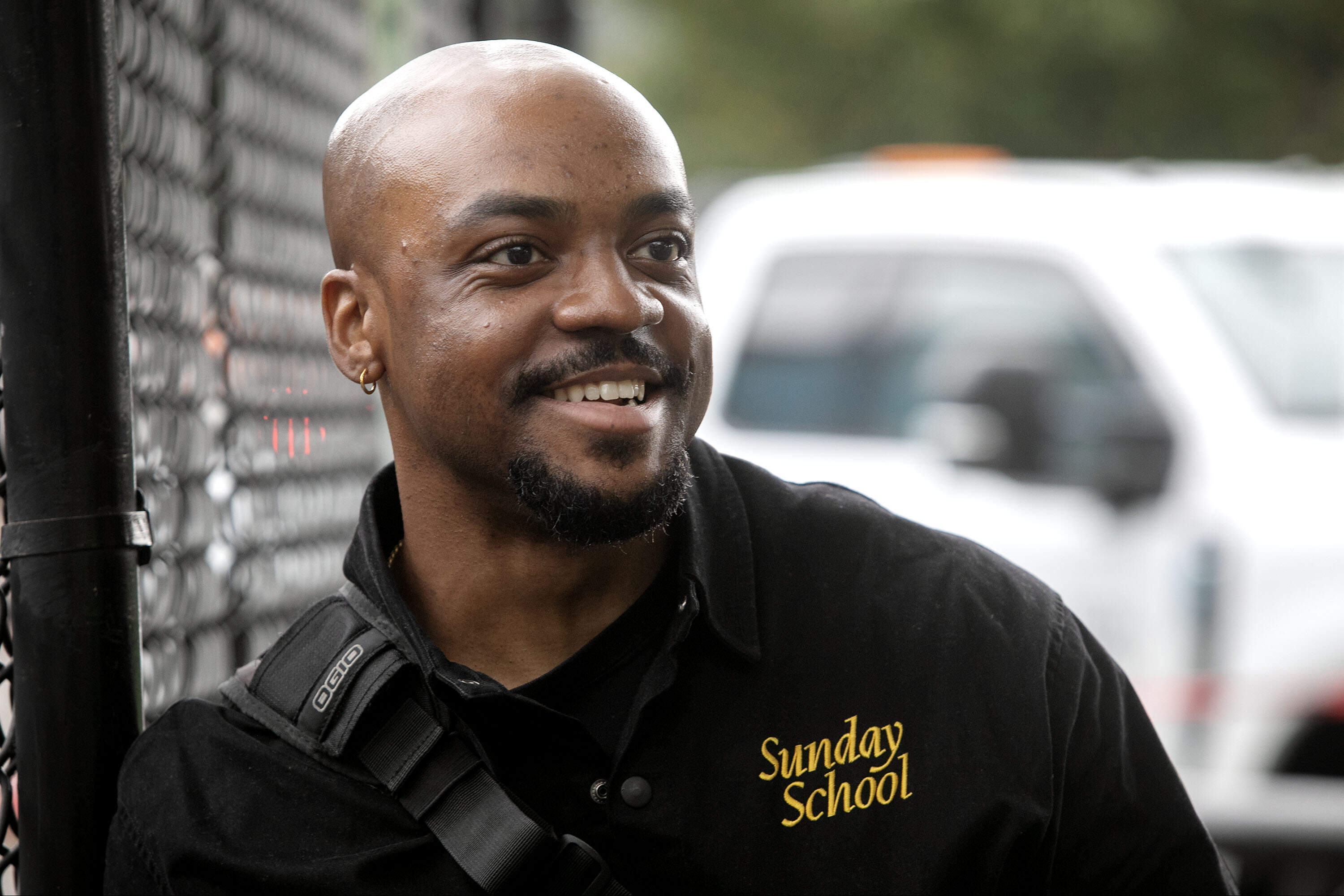
Cities are confronting waves of extreme climate challenges, from flash flooding to enduring drought to urban heat islands. Educating the public about the rising risks is a big part of the battle. Solution-driven designers and architects like Justin Brazier are determined to engage communities in new ways. His projects have embraced not just climate resilience, but also social resilience.
Lani Asunción
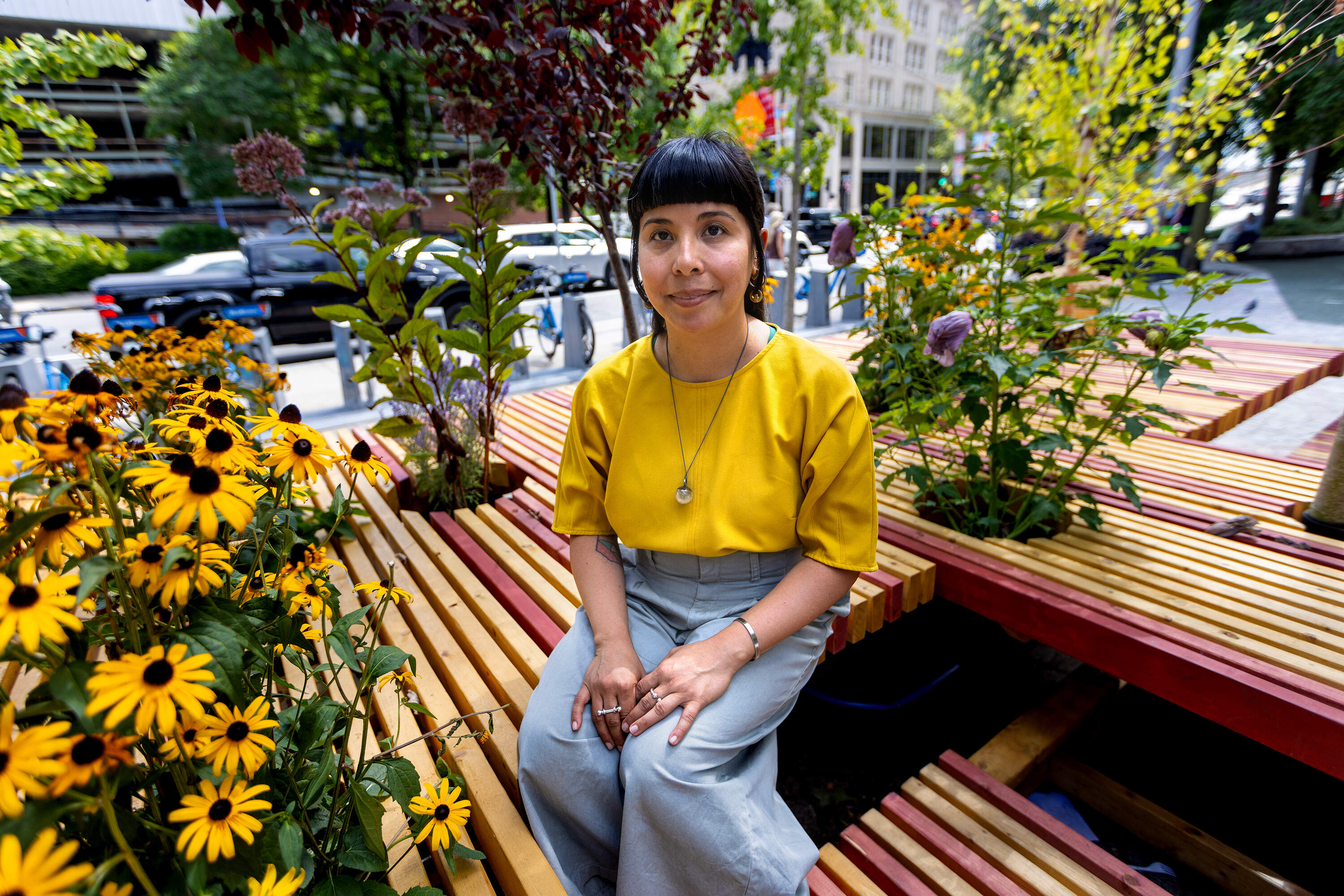
For artist Lani Asunción, Boston’s history is a critical part of understanding how environmental racism might impact its climate future. Their downtown installation “SONG/LAND/SEA: WAI Water Warning” rings out a message about climate change. “A big question in my piece … is who gets to survive climate change. Is that class-based? Is that race-based?” they asked. “All these questions bring up conversations that are hard, but it's very important to come to so we can all survive.”
Marissa Molinar
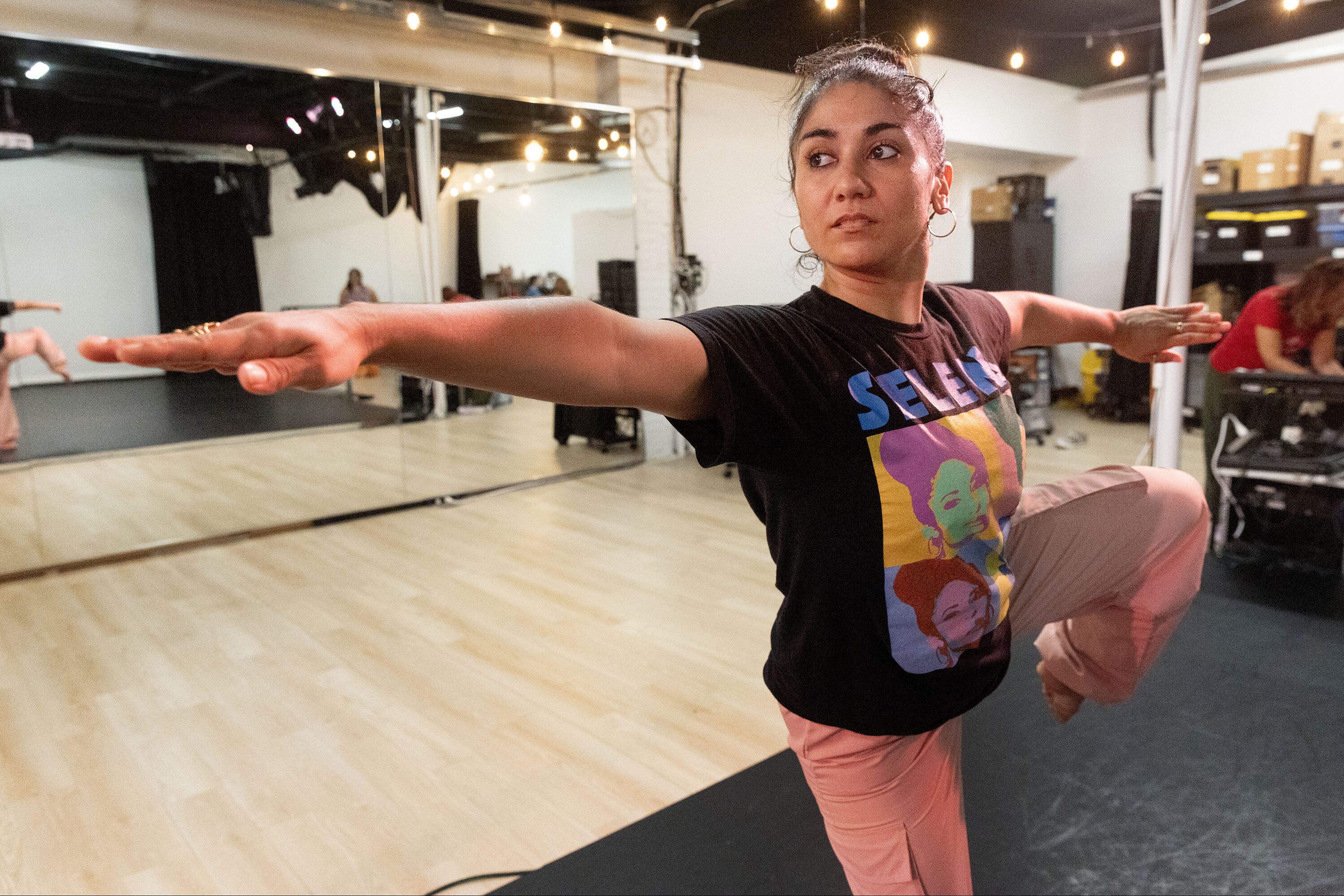
Activism and dance go hand in hand for Marissa Molinar. She is helping make the Greater Boston dance scene more welcoming for early-career dancers and more sustainable as a long-term career path. Using her background in environmental science, she’s training and empowering the next generation of dance leaders. “Culture is really an integral part of resiliency and survival,” Molinar said.
Skooby Laposky
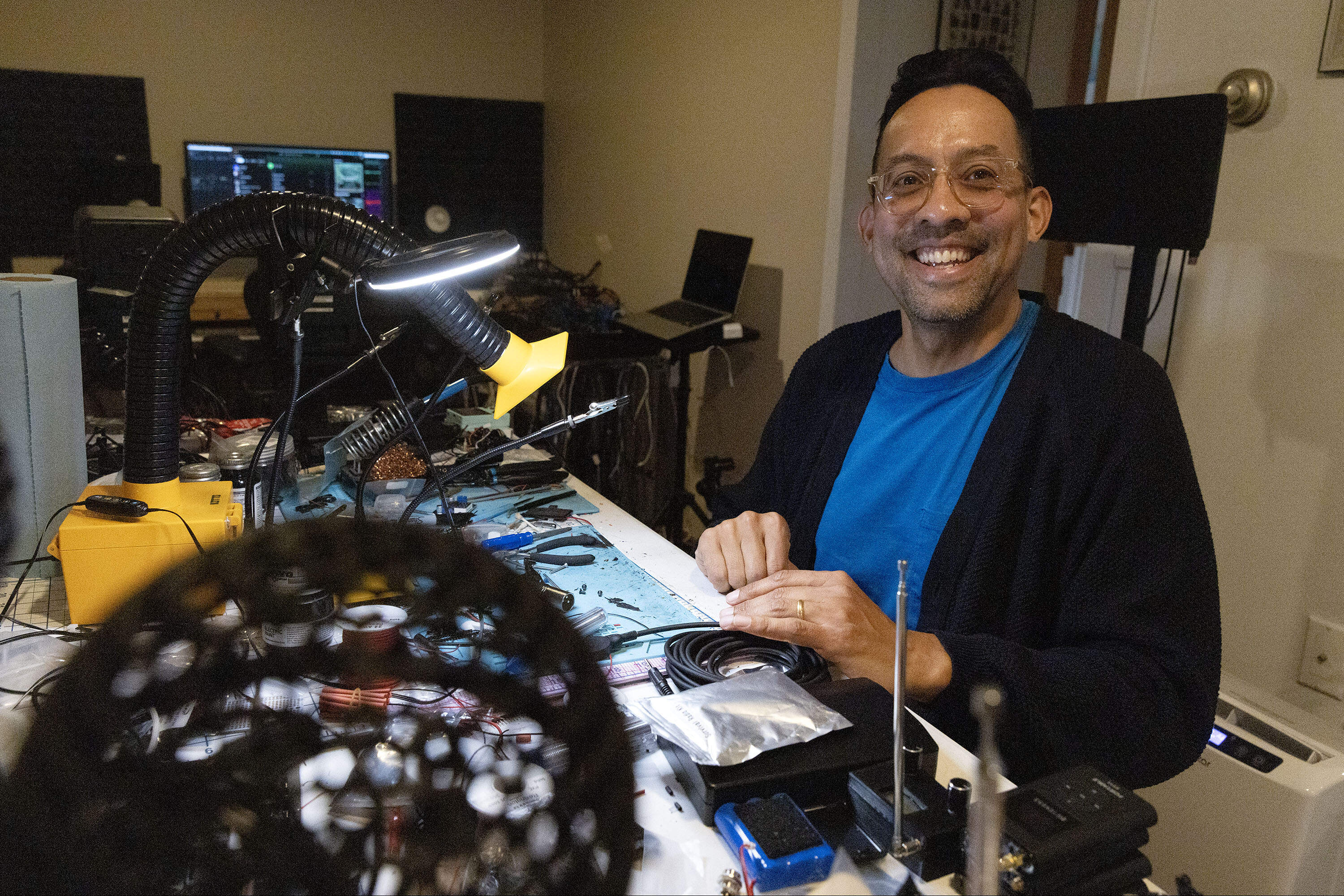
Skooby Laposky is an audio explorer, but he could also be called a plant DJ. He collaborates with gardens and trees to turn up the volume on their hidden role in our environment. Laposky synthesizes the plants’ biodata to create immersive soundscapes with ethereal chordal patterns. “There's such a direct relationship between humans and plants that’s necessary for our survival and day-to-day existence that most folks take for granted,” he said.
Tanya Nixon-Silberg
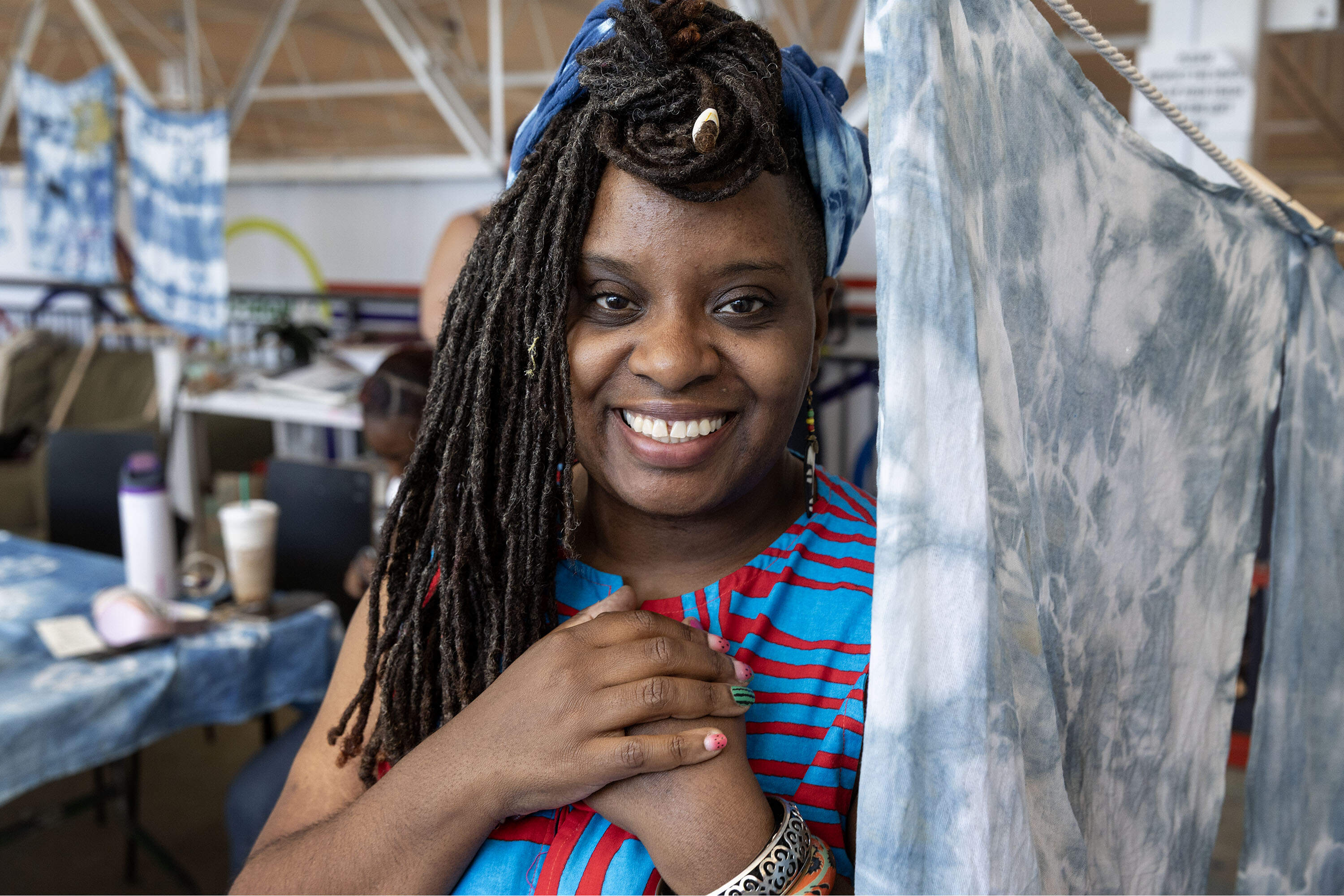
Artist Tanya Nixon-Silberg uses repurposed fabrics and deep-rooted storytelling to help Boston’s young people find meaning in their histories and repair what has been lost — one stitch at a time. At the heart of her artistic practice is the desire to offer alternative ways of remembering and valuing.
Header image: A close-up of Lani Asunción's "Binakol Blessing" light blades at the Rose Kennedy Greenway. (Jesse Costa/WBUR)