Support WBUR
BSO celebrates John Williams’ film scores and concert music at Symphony Hall
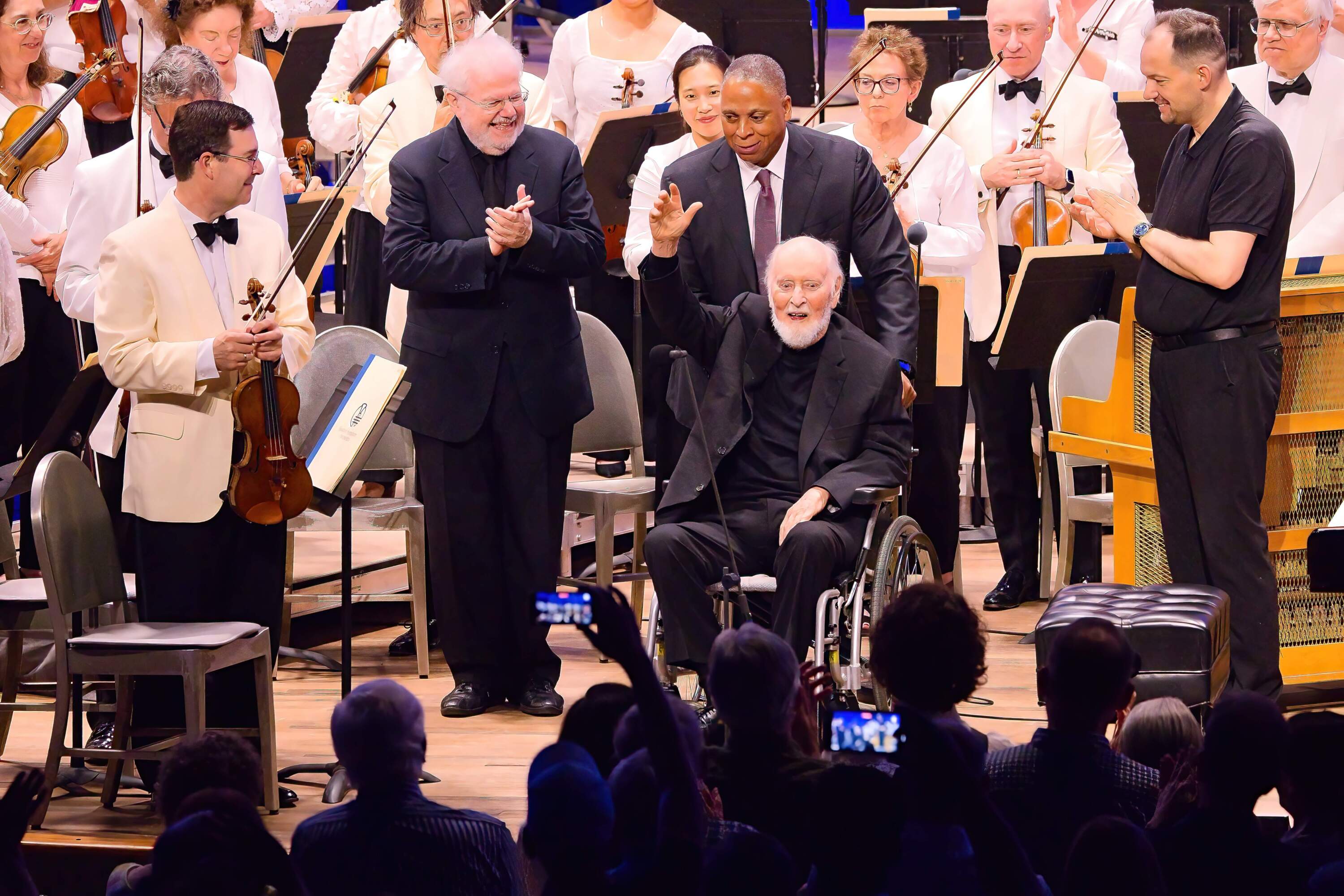
At nearly 94 years old, Hollywood composer and Boston Pops conductor laureate John Williams is still making music — and not only for the silver screen. Beginning Thursday, Jan. 22 the Boston Symphony Orchestra will celebrate the extraordinary endurance and breadth of his career over four days as part of the the “E Pluribus Unum: From Many, One” festival commemorating the 250th anniversary of the American Revolution.
The BSO and Williams have maintained a close relationship since he led the Pops between 1980 and 1993. Programs dedicated to his movie scores are annual favorites for the orchestra and audiences. The new series of concerts is highlighting the composer’s “phenomenal impact” on this country's music and culture over his seven-decade career.
The bill features a sampling of Williams’ contributions to cinema, including the haunting theme from Stephen Spielberg’s “Schindler’s List” which will be performed by violinist Gil Shaham. Also on deck is a suite from “Close Encounters of the Third Kind,” one of the dozens of collaborations between Spielberg and the composer over their 50 years of working together. The movie score selections will join Williams' concert works, including the Boston premiere of a concerto written for virtuoso pianist Emanuel Ax.
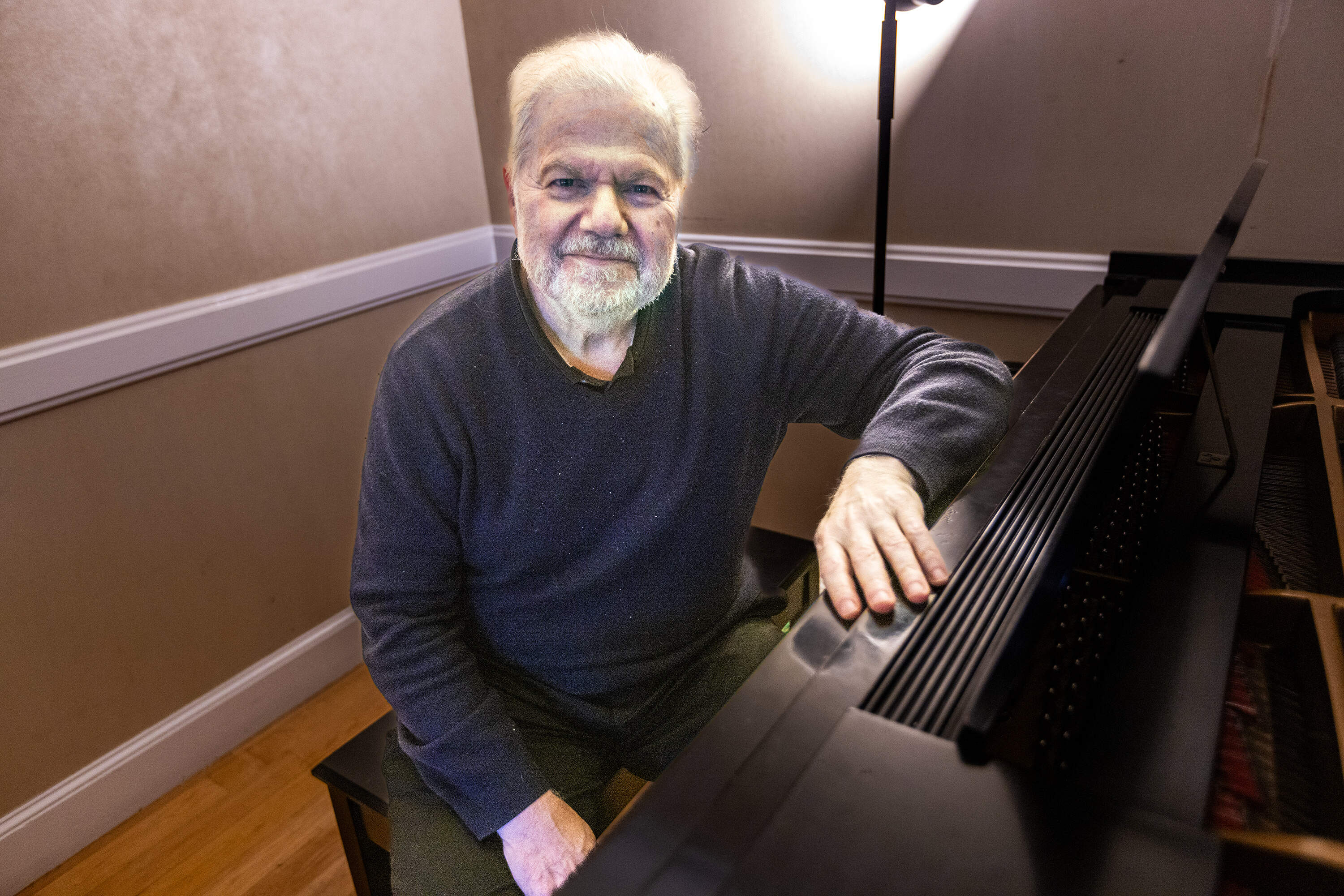
After rehearsal at Symphony Hall this week, Ax recalled how he sparked the idea for this concerto.
“Completely my doing,” Ax said smiling. “Well, not the writing of it — but I was very cheeky after I read an interview with John where he said he was hoping to write a piano concerto. So I just wrote a letter right away and said, ‘If you really mean to do that, I would be so honored to play it.”
Williams responded with a yes. "My God, he has a choice of 14,000 pianists. So it was very lucky for me,” Ax said.
The acclaimed pianist was delighted at the prospect, but also felt a bit nervous about Williams’ ideas for the piece.
“He started talking about these incredible jazz pianists,” Ax said, “and none of us — especially me — can play like Art Tatum or Oscar Peterson or Bill Evans.”
Williams went on to craft something of an homage to the legendary 20th century jazz pianists. Each of the concerto’s three movements is dedicated to one of the musicians. While Williams found inspiration in Tatum, Peterson and Evans, Ax clarified the piece is not jazzy.
“I think it's inspired by the sheer way these people approached the keyboard,” he said, “One of the things about the Piano Concerto, as opposed to John’s other concertos, is that — of course — he was a marvelous pianist. And I think because of that he's very comfortable writing for the instrument."
Williams studied piano as a child, and went on to attend the Juilliard School in New York. He had career aspirations to be a career pianist, and early on, he earned a living as a Hollywood studio musician.
While Williams has written concertos for other instruments including violin, he’d never created a proper one for piano. Ax described the new piece as exciting. “It has the two merits that I feel are the most important,” he said, “It's approachable on an immediate level — you know, you hear it once and you think, ‘yeah, this is good.’ But it's complicated enough that you say, ‘I'd like to hear it again.’ Those are two things that are very hard to come by.”
Ax is a fan of Williams’ movie scores, and said they’re extraordinary in their own ways. "He has a different harmonic sense when he's writing not for film, there’s not so much consonance in the concerto, but there are a lot of great gestures and beautiful, touching music — especially in the second movement. It really is very Bill Evans sound.”
The pianist said Williams is a rare composer for many reasons. “He can do any genre he wants. He’s just a very, very talented man.”
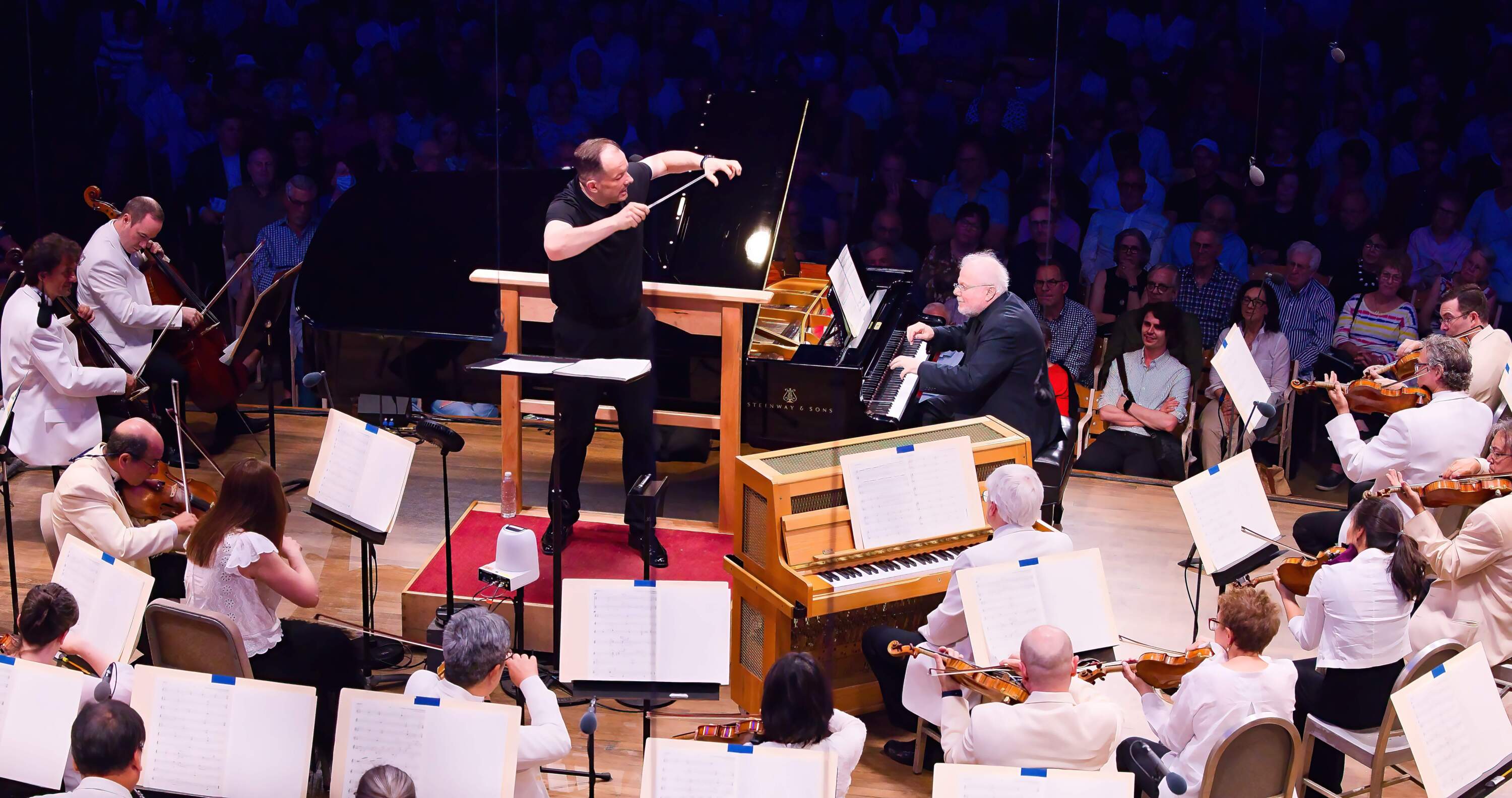
The Piano Concerto premiered at Tanglewood last year with John Williams in attendance. Both he and Ax love the BSO’s summer home and have returned to the Berkshires for decades.
Like many of us Ax, 76, admires Williams’ stamina. “He keeps saying, 'This is the last thing I’ll write,' but then he does something else — and now he's working on a movie score,” the pianist said. “Which is great for the world, and I think it's great for him because he always has something to look forward to. That’s how it should be.” And he added, “The musicians that for me will last forever as American musicians are Bernstein, Copland, and John Williams.”