Support WBUR
Working group recommends more police and a new 'recovery' court for 'Mass. and Cass'
A coalition of city groups working to improve conditions around Boston's beleaguered "Mass. and Cass" area is calling for more access to addiction treatment and increased law enforcement presence. But some are raising concerns that the groups' recommendations are neither practical nor effective in managing addiction.
On Wednesday, Boston's working group on addiction, recovery and homelessness unveiled a series of steps aimed at transforming the area near the intersection of Massachusetts Avenue and Melnea Cass Boulevard, at the edge of the South End. The area has long been the epicenter of Boston's opioid epidemic.
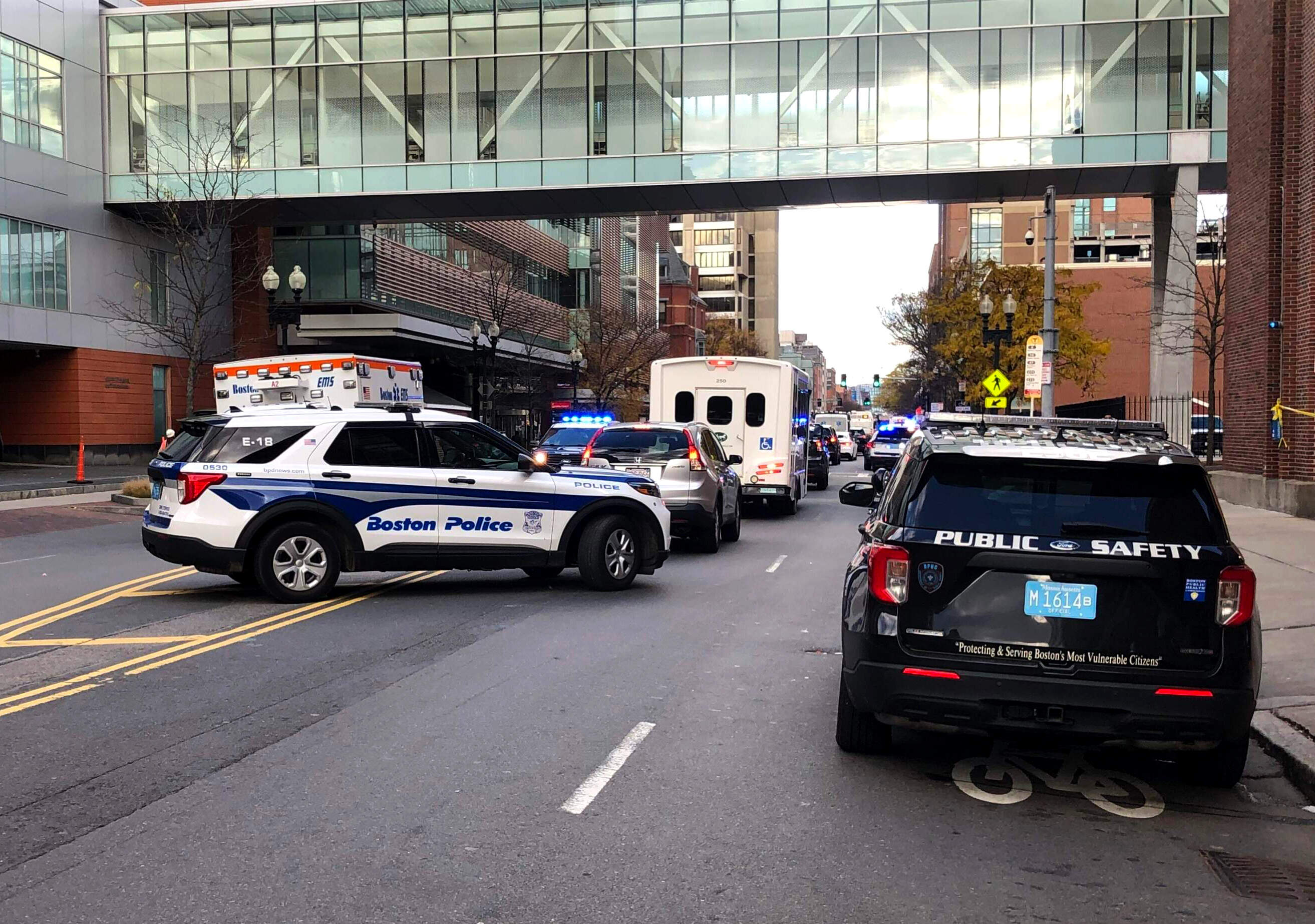
The coalition proposed more case management of patients in addiction treatment, partnerships with "preferred providers," and expanded long-term supportive housing and sober living housing. Its recommendations also included increased law enforcement and a specialty "recovery court" for those arrested on drug charges — measures seen as controversial by some medical professional and advocates for those struggling with addiction.
"We've found the magic sauce," said Stephen Fox, a co-chair of the working group and leader of the neighborhood group South End Forum. "The idea of being able to use public safety, public health and judicial initiatives together in an integrated fashion, coupled with a seamless case management architecture over it, this is really the secret sauce we have."
But some medical professionals involved in the working group's discussions are sounding alarms and said they had little input in drafting the recommendations.
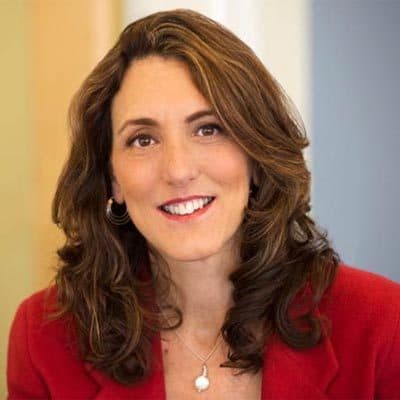
Dr. Miriam Komaromy, an addiction treatment provider and executive director of Boston Medical Center's Grayken Center for Addiction, spoke to WBUR as a member of the city's working group. She said she did not feel included in drafting the recommendations, which she said do not represent an evidence-based approach to addiction treatment.
"I feel like the process was not optimal for gathering clinical input or review from the committee members," Komaromy said. "Requiring treatment providers to collaborate with police and the judiciary as part of the treatment of patients is likely a violation of patient privacy protections and even civil rights."
The working group's recommendations have been forwarded to Boston Mayor Michelle Wu and to the state. Some initiatives are already being implemented as part of a strategy Boston officials outlined in September. That plan was devised after residents of some nearby neighborhoods complained about drug use and public safety issues.
Kellie Young, director of Boston's Coordinated Response Team, said the group's recommendations will strengthen the city's approach. Since September, Young said, her team has placed more than 480 people in addiction treatment.
"My team is out there every day doing this work and the city is aligned with these suggestions," Young said. "These are to bolster our providers, judicial system and law enforcement. We want to be a tool for law enforcement, because this is a public safety and public health concern."
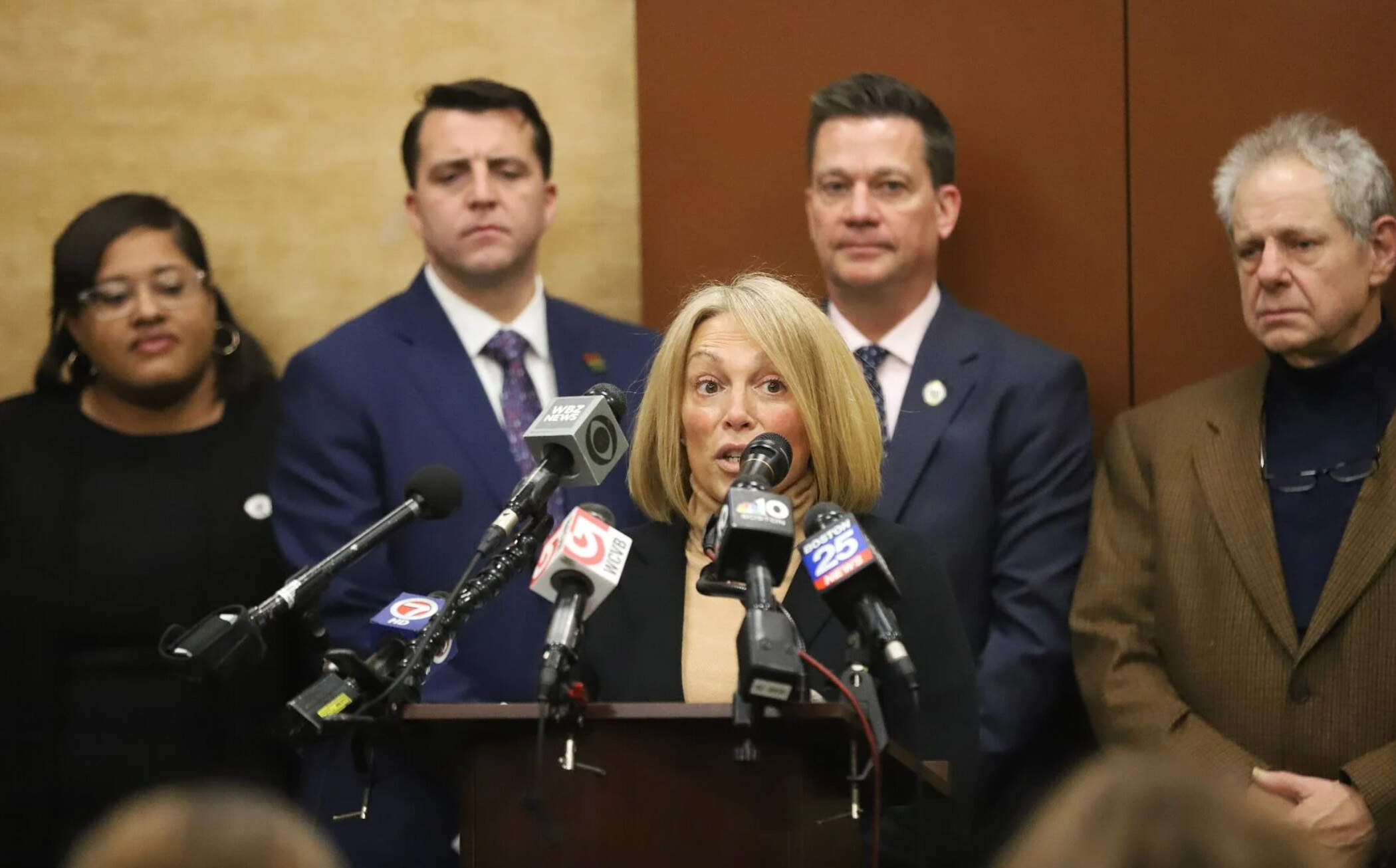
The mayor said she supports the new recommendations and is pleased by the group's endorsement of the Boston Police Department's work around "Mass. and Cass."
"The city is focused on active preparations for warmer weather and continuing to engage with all stakeholders on our coordinated approach," Wu said in an emailed statement, referring in part to the expectation more people will congregate in the neighborhood when the worst of winter passes.
Some medical experts and advocates for people who seek services in the area say the proposed steps signal an increasingly punitive approach. They also question whether there will be adequate resources to implement them.
Komaromy, the addiction treatment doctor, and other providers cite research showing an increased risk of overdose death when someone is forced into treatment.
"My perception is this 'preferred provider' network, as described, is intended to include only providers who will collude with law enforcement to keep people who use drugs involuntarily detained," Komaromy said.
Several health care workers have criticized Boston's current "Mass. and Cass" strategy, describing it as a marked shift from Wu's initial approach, which was seen as more public health-centered. They point to the city's new limits on distributing clean needles and the presence of police officers at the city's clean needle distribution program. They said that discourages people from getting help, even as studies show sterile syringes reduce the spread of disease.
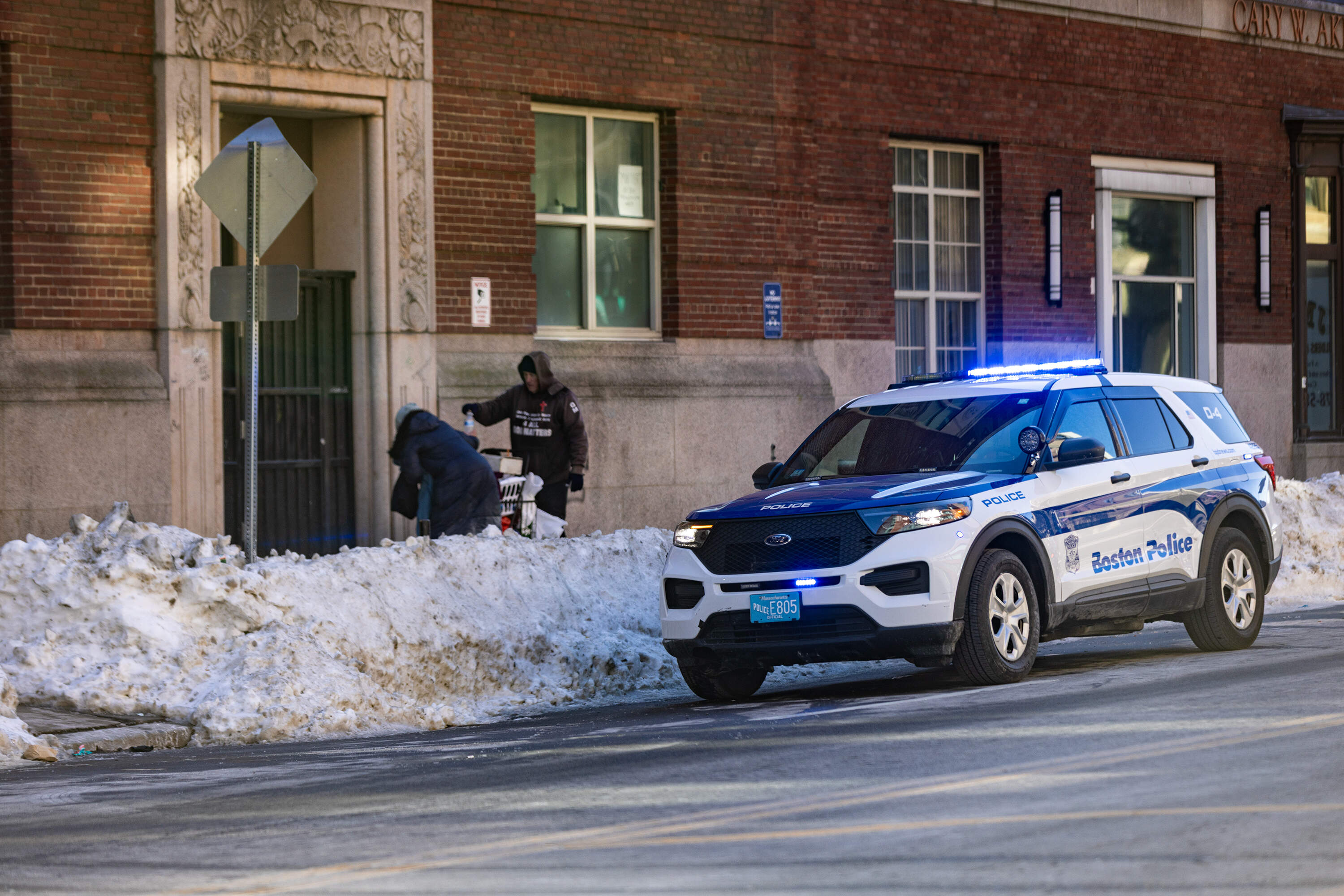
Some who are frequently in the "Mass. and Cass" neighborhood said police are increasingly approaching people and presenting a choice: Go to detox or go to jail. WBUR has reported that people opting for detox have not completed treatment and have gone right back to the streets.
Cassie Hurd, executive director of the Material Aid and Advocacy Program, a group that works with people who are unhoused and those who use drugs, questions the new recommendations both practically and philosophically. She said long-term treatment is expensive and there's a shortage of beds, so people may keep cycling through short-term detox programs without getting better.
"The disappearing of unhoused people and poor people who use drugs from the street should not be how the city of Boston measures success," Hurd said. "Actual experts, people who use drugs, public health professionals, providers should be leading this planning process."
The city's working group members said they did consult with various constituencies, including health professionals and those in recovery. They maintain their approach is not to force anyone into treatment, but to offer those who use drugs in public "immediate placement into a recovery program or entry into the justice system."
" I'm filled with hope because our work is not simply about responding in crisis," said Young, the city's coordinated response director. "We are walking alongside individuals on their path to recovery. Diversion is at the core of our work."
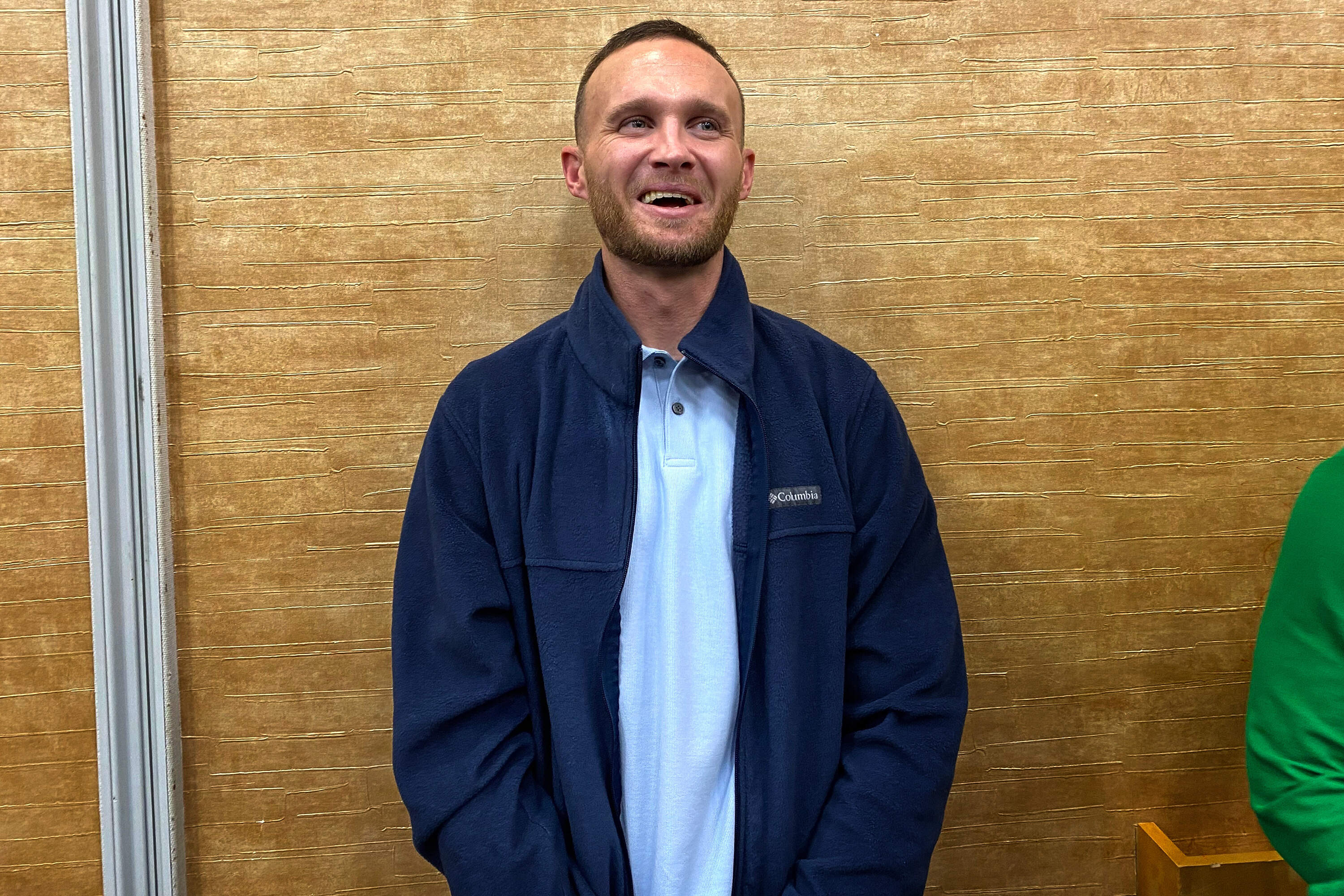
Among those at the group's announcement Wednesday was 37-year-old Oliver D'Agostino, who credited the city's Coordinated Response Team with saving his life. He said he had relapsed and was living on the streets near "Mass. and Cass" when city workers connected him with treatment and monitored his progress.
"I was tired of letting people down and I realized these strangers cared more about me than I cared about myself," D'Agostino said. "It was time to hold myself accountable, and they helped me every step of the way."
The working group did not provide cost estimates for the recommendations. Members said they will work with the city and state to find funding for their efforts and to create a new "centralized" special court for those arrested near "Mass. and Cass."
More than four years ago, the Suffolk County sheriff opened a makeshift courtroom in his jail for people arrested in the "Mass. and Cass" area. The courtroom closed after operating for nine days. At the time the Trial Court said it was ending the court session because of "low case volume."
A state Trial Court spokesperson said they are still in the process of reviewing the working group's new recommendations.
A spokesperson for the Department of Public Health declined to comment on the recommendations.
"There is still work to be done," said Boston City Councilor John FitzGerald, who represents part of the South End and chairs the council's Public Health, Homelessness and Recovery Committee. "We note that and we are committed to continue to having those conversations and working to bolster this framework."