Support WBUR
Boston's folk scene remembers Bob Franke with a tribute concert
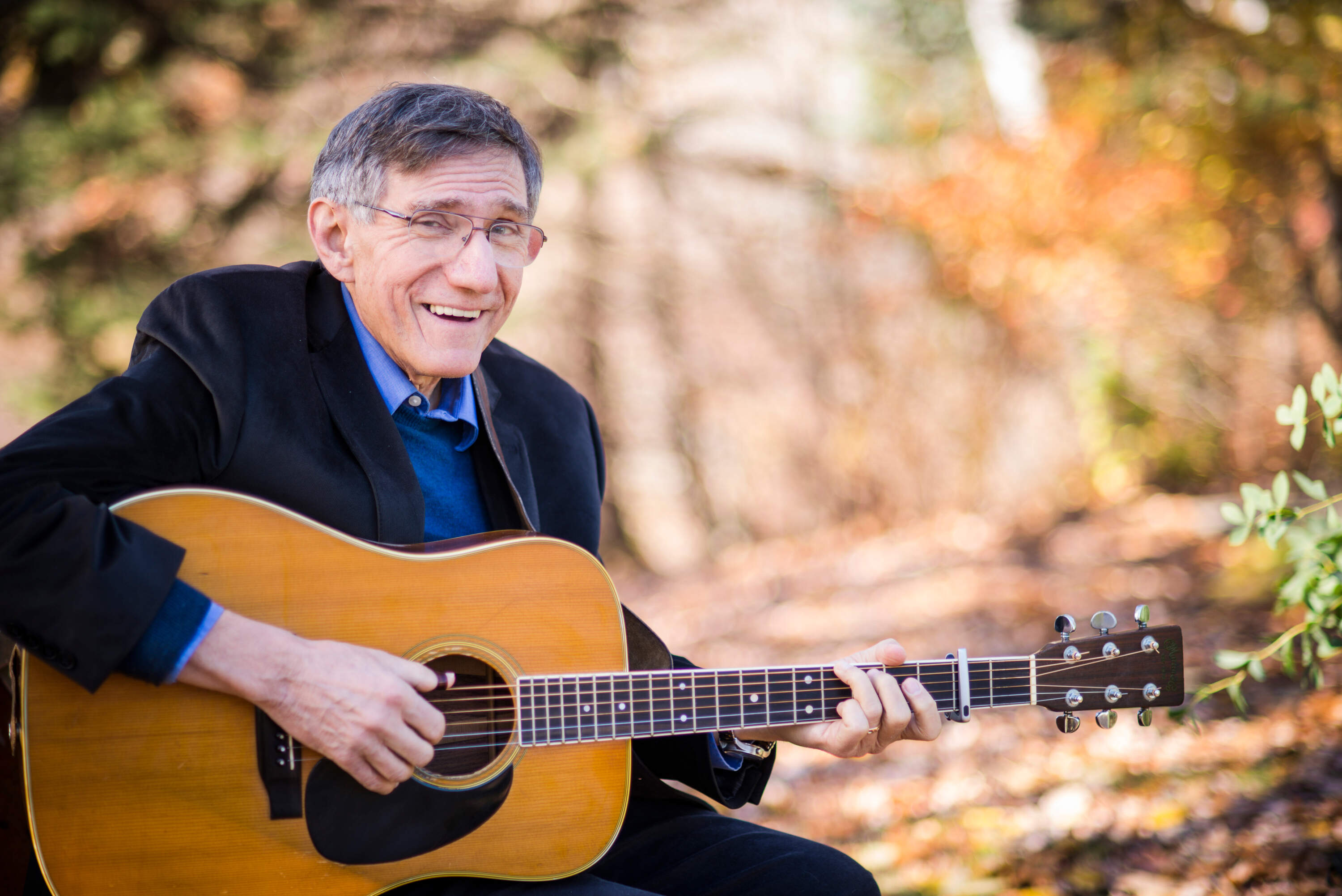
In his song "A Healing in This Night," Bob Franke sings, “There are songs that circle in your mind/ And seek your heart & find it /And seize it like a hawk.”
Franke spent a lifetime writing such songs. They didn’t make him rich or famous, but they provided comfort and inspiration to generations of folk audiences, budding songwriters, and even churchgoers who heard his cantatas. That work resulted in an outpouring of grief when Franke died in October at 74 after being struck by a motorcycle in Guatemala, where he had recently retired.
“Bob was, in his own way, kind of a mysterious force,” said folk singer and activist Reggie Harris, who will be part of a tribute concert being held April 4 at the Cabot in Beverly. “He had that really dry sense of expression, and out of that came these powerful songs.”
Many of Franke’s most loved songs, like “For Real” and “Hard Love,” tackled topics that couldn’t be more serious.
“He was wrestling with real issues that many of us only entertain when we’re forced to,” said Harris. “Bob seemed to welcome them. … Bob called his audiences to a deeper sense of who they could be.”

A native of Michigan, Franke moved to Cambridge in 1969, later becoming a longtime North Shore resident. One of his signature songs was “Thanksgiving Eve,” and for years Franke would perform at what is now Club Passim the Friday after that holiday.
“It always felt more like a gathering than a concert,” recalled Club Passim managing director Matt Smith. “Whenever you saw Bob, he did songs like ‘A Healing in This Night’ or ‘Alleluia, the Great Storm is Over.’ They meant so much to people, and they wanted to sing them with him. But also onstage, he had a great sense of humor.”
Longtime New England folk singer Lui Collins, who will also be part of the tribute, recorded “For Real” in 1985. She remembered how, at a songwriting retreat, Franke told the participants that “when you write these personal but universal songs, the more deeply personal you can make a song, the more universal it can become, and ‘For Real’ is a fabulous example of this.”
“He’s not telling us what to feel or what to do,” said Collins. “He’s saying, ‘This is my struggle and we can look at it and realize that it’s our struggle.’ When he goes that deep, it gives us permission to do the same. When we feel that compassion for him, we can forgive ourselves for not being perfect. That was the gift in his writing.”
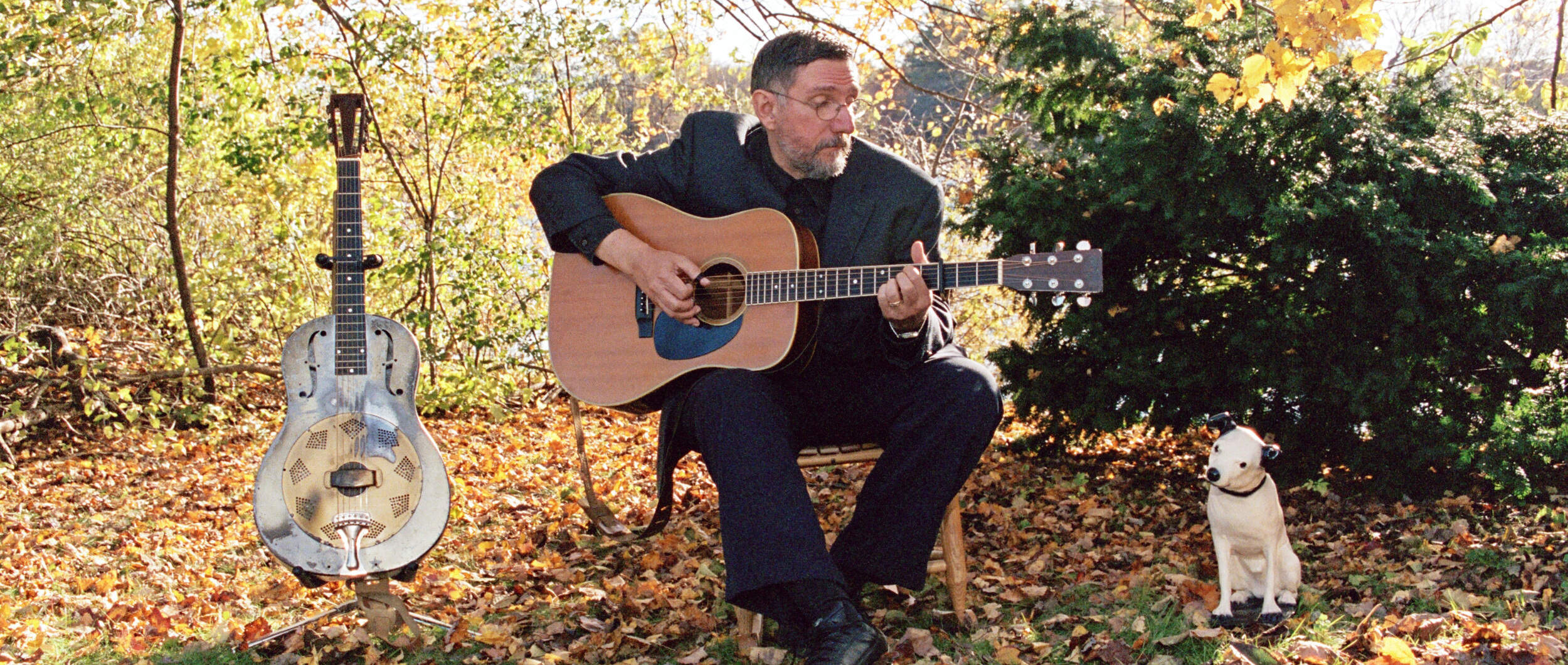
Those songwriting workshops were just one example of Franke’s selfless contributions to his communities. He also ran his own venue, Saturday Night in Marblehead, and composed multiple cantatas and hymns for the Church of St. Andrew in Marblehead. One of them was sung at the church every Easter for over 40 years.
On multiple occasions, Franke invited Harris to sing his cantata on Good Fridays. “We had a lot of people in the folk community who were afraid of touching anything that had to do with sacred music,” said Harris. “But his passion broke through all of that. He was clearly at home and [understood] that the secular and the sacred dance with each other … Bob knew that having that balance helps one to navigate the world.”
Collins also appreciated how Franke infused his work with spiritual meaning. “He didn’t tell you what to believe, but he talked about his own beliefs in a way that you could trust,” she said. “It was just him sharing who he was.”
While many of Franke’s songs ended up in hymnals and community sings, “Hard Love” was recorded by such luminaries as bluegrass guitarist Tony Rice and British folk singer June Tabor. Alison Krauss called it her favorite song and said Franke was her “hero.” Peter, Paul, and Mary recorded “The Great Storm is Over.” Other folk greats who made Franke songs a part of their repertoire were John McCutcheon, Garnet Rogers and Claudia Schmidt, all three of whom will be performing at the tribute. His influence extended to younger members of the folk world: Sam Amidon posted his version of “Thanksgiving Eve” after Franke’s death.

But despite commanding such respect from his peers, Franke often held day jobs. Earlier in his career, he famously worked in Salem’s Harbor Sweets chocolate factory (and one account says the rhythm of the machines inspired the tempos of his songs).
“Bob was not the hot flash who was going to consistently command attention from a society that avoids the deep, the dark, and the meaningful,” said Harris. “Making a living in folk music can be really difficult, and if you can’t be that shiny example of being almost at pop stardom, you’ll have to find other ways to support your art.”
In more recent years, Franke worked at an Apple Store along with his wife Joan, according to Smith. “It was brilliant – he could help ease older folks into the technological world. He was the perfect person for it.”
Collins said that during times of turmoil, Franke’s music is more relevant than ever. “In this time to challenge and change, Bob’s message was enduring.”