Support WBUR
Field Guide to Boston
How PB&J became an American lunchbox staple
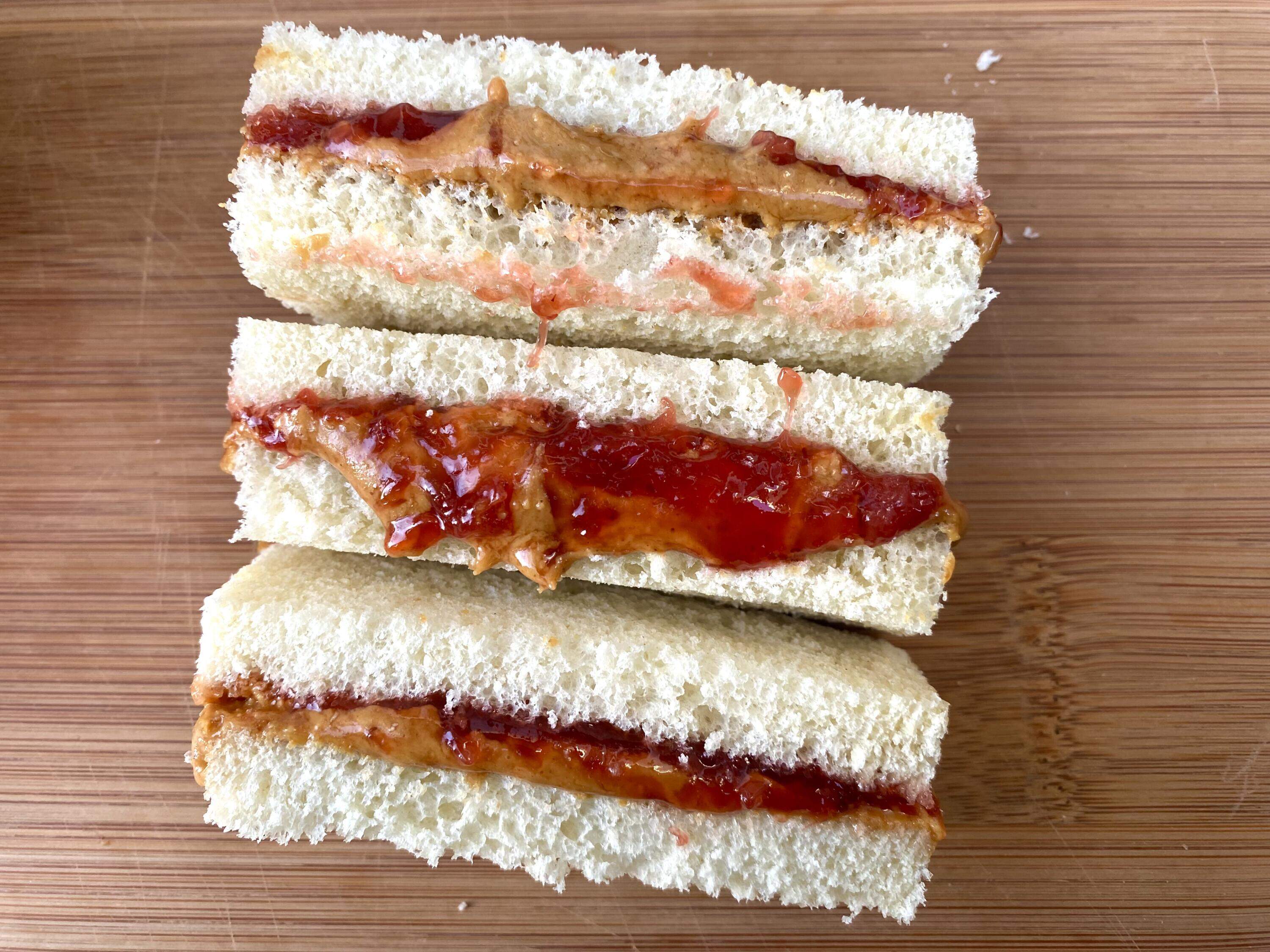
Editor's note: This story is an excerpt from WBUR's weekly arts and culture newsletter, The ARTery. If you like what you read and want it in your inbox, sign up here.
According to the National Peanut Board, the average adult eats a peanut butter and jelly sandwich three times a month. But how did the PB&J become an all-American lunchbox staple?
Food historian Susan Benjamin traces the sweet and savory sandwich’s origins back to Boston 125 years ago. She shared the story as she opened a bag of sliced bread and cracked a couple of jars. “When you put the peanut butter on the bread it's crazy to imagine how many legions of people have done this exact same thing,” she said as she started slathering.
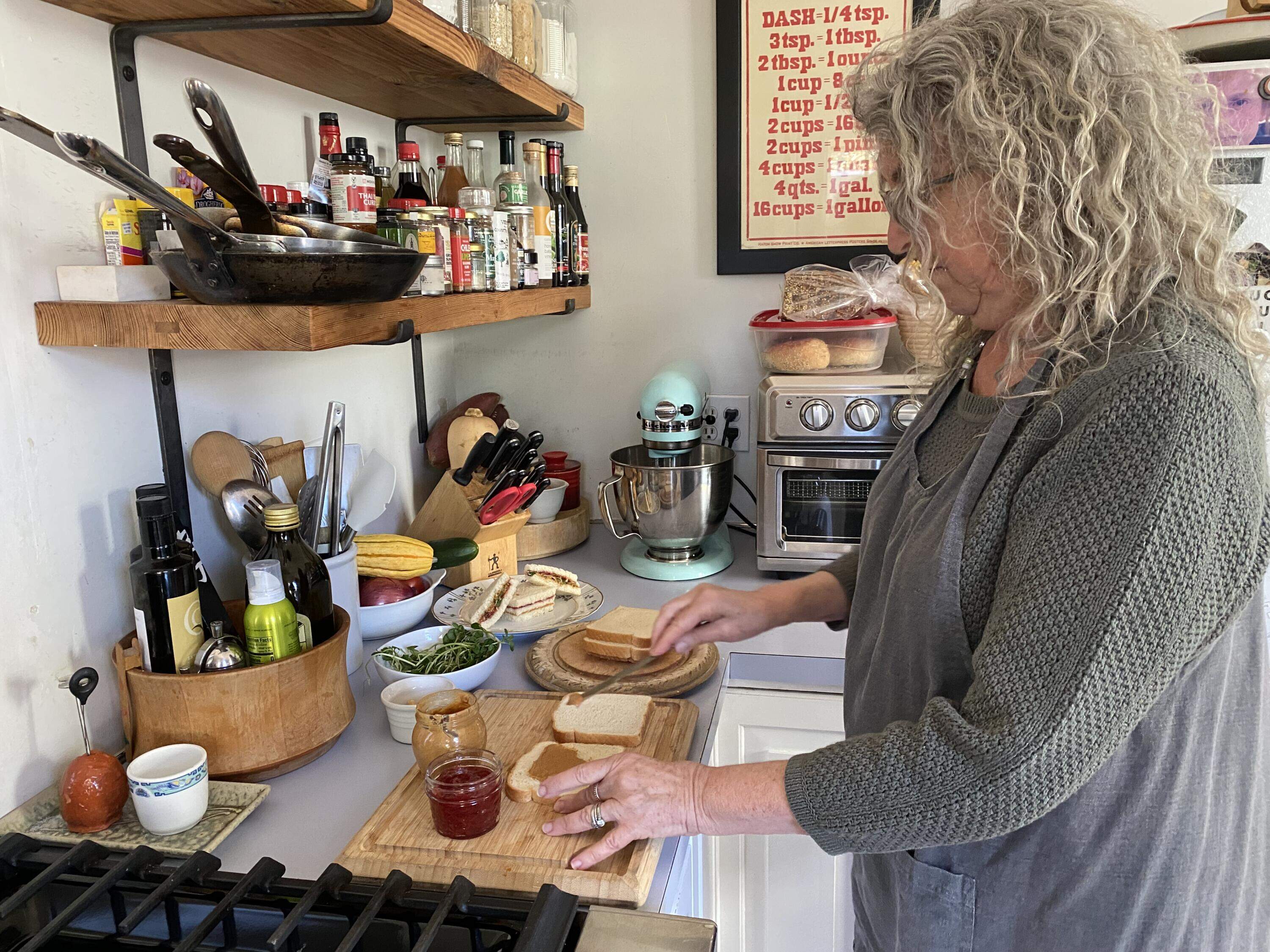
Benjamin, who owns True Treats Candy, is also the author of “Fun Foods of America." She said the PB&J we know today has Victorian-era roots. Before the ingredients joined forces, people enjoyed them apart. In the late 1800s peanut butter was championed as a health food, and it was everywhere. Newspapers at the time featured recipes for jelly sandwiches, Benjamin said.
But things changed in 1901 when an article brought the two tasty spreadables together in print. It was published by the Boston Cooking School, which was founded to empower women with knowledge about domestic science, nutrition and budgeting. In a magazine piece about peanuts, writer Julia Davis Chandler suggested a dainty, triple-decker. She wrote:
"For variety, someday try making little sandwiches, or bread fingers, of three very thin layers of bread and two of filling, one of peanut paste, whatever brand you prefer, and currant or crab apple jelly for the other. The combination is delicious, and so far as I know, original."
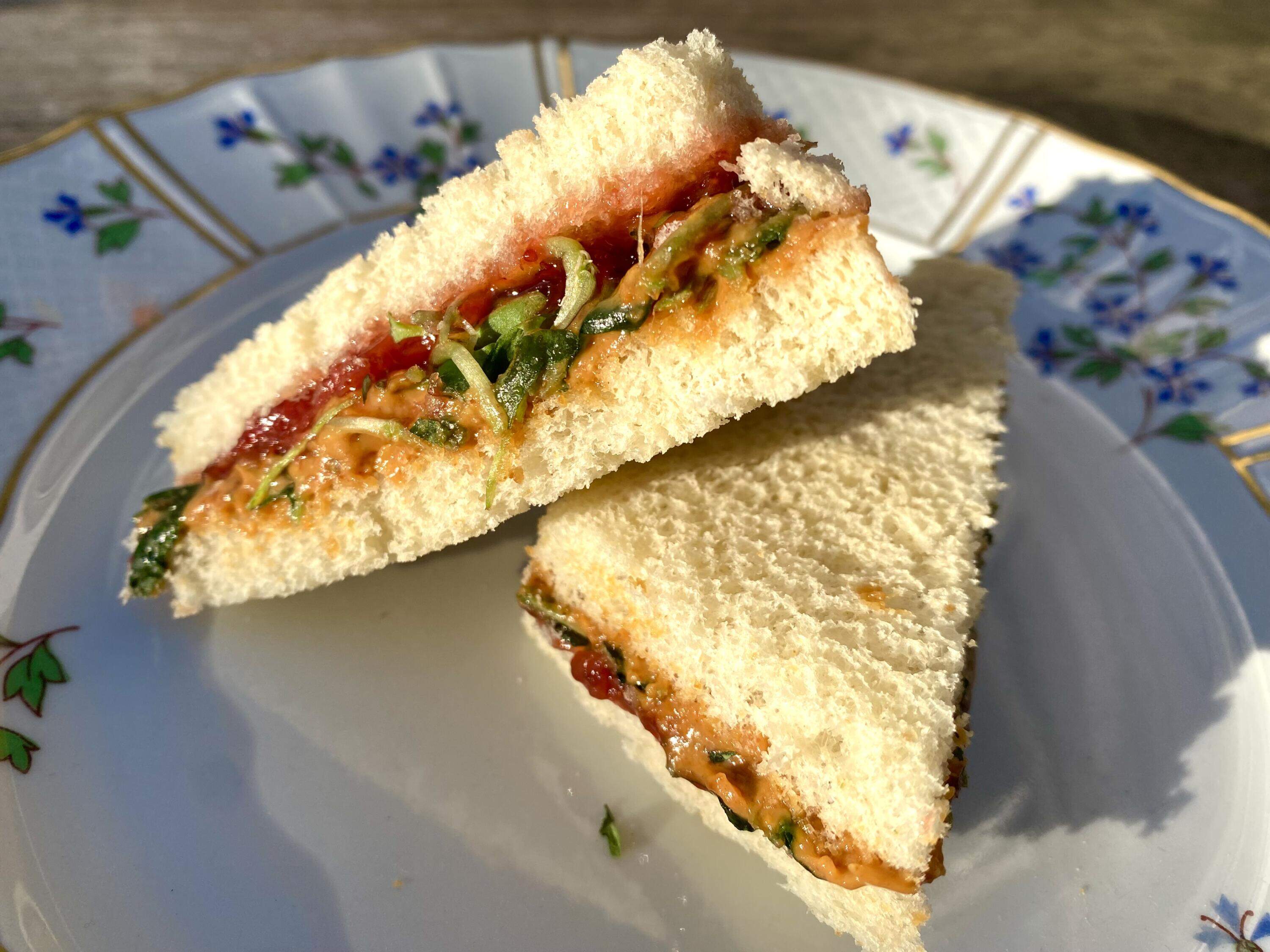
Benjamin said this is the first known printed recipe for PB&J that would later land in kids' lunchboxes, “but started in the tea rooms of the fancy and well to-do. And then you start to see iterations of peanut butter and jelly popping up all around the country.” One of them was PB&J with watercress.
But Benjamin said it actually took some time for jelly’s inclusion to stick. She found plenty of wacky, early 1900s combinations without peanut butter’s sidekick, including peanut butter and pickles, peanut butter and cheese, peanut butter and onions and peanut butter with anchovies.
“As you move into the '20s, something bubbles up,” Benjamin said, “and that is that women overtly said something they've been feeling for a really long time — which is that they hate to cook. They wanted to be out in the world, they wanted to be flappers, they didn’t want to be beholden to the kitchen.”
Peanut butter and jelly provided the perfect solution to their plight. “Not only do the kids love it, but they can do it for themselves," Benjamin said, "And it really took off.”
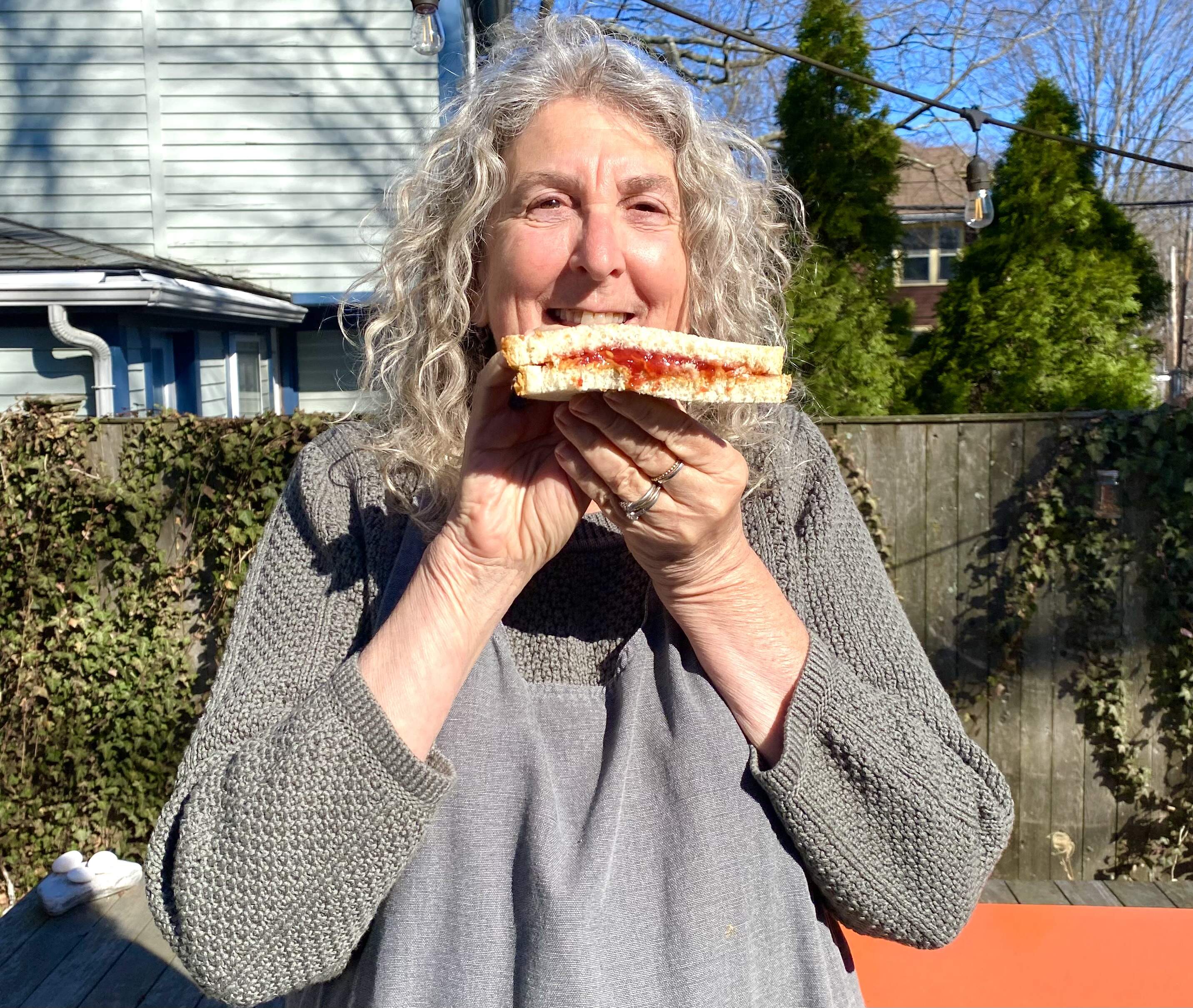
Commercial manufacturers including Peter Pan fueled the PB&J movement with advertising for their mass-produced, jarred peanut butters and jellies. Newly available machine-sliced bread made assembling the sandwiches even easier.
Benjamin said PB&J’s appeal endured because it was nutritious, shelf-stable, portable and affordable. During the Depression moms relied on it to sustain their families. World War II soldiers’ rations included peanut butter and jelly kits. In the post-war 1950s, homemakers had access to convenient, processed food in cans and boxes, but they also faced pressure to conform to domestic ideals.
“At that time, women felt really guilty about using readymade cake mixes and so on, because they felt like they were cheating,” Benjamin said. “Peanut butter and jelly was just as easy — but they weren't cheating, because they were making it for themselves.”
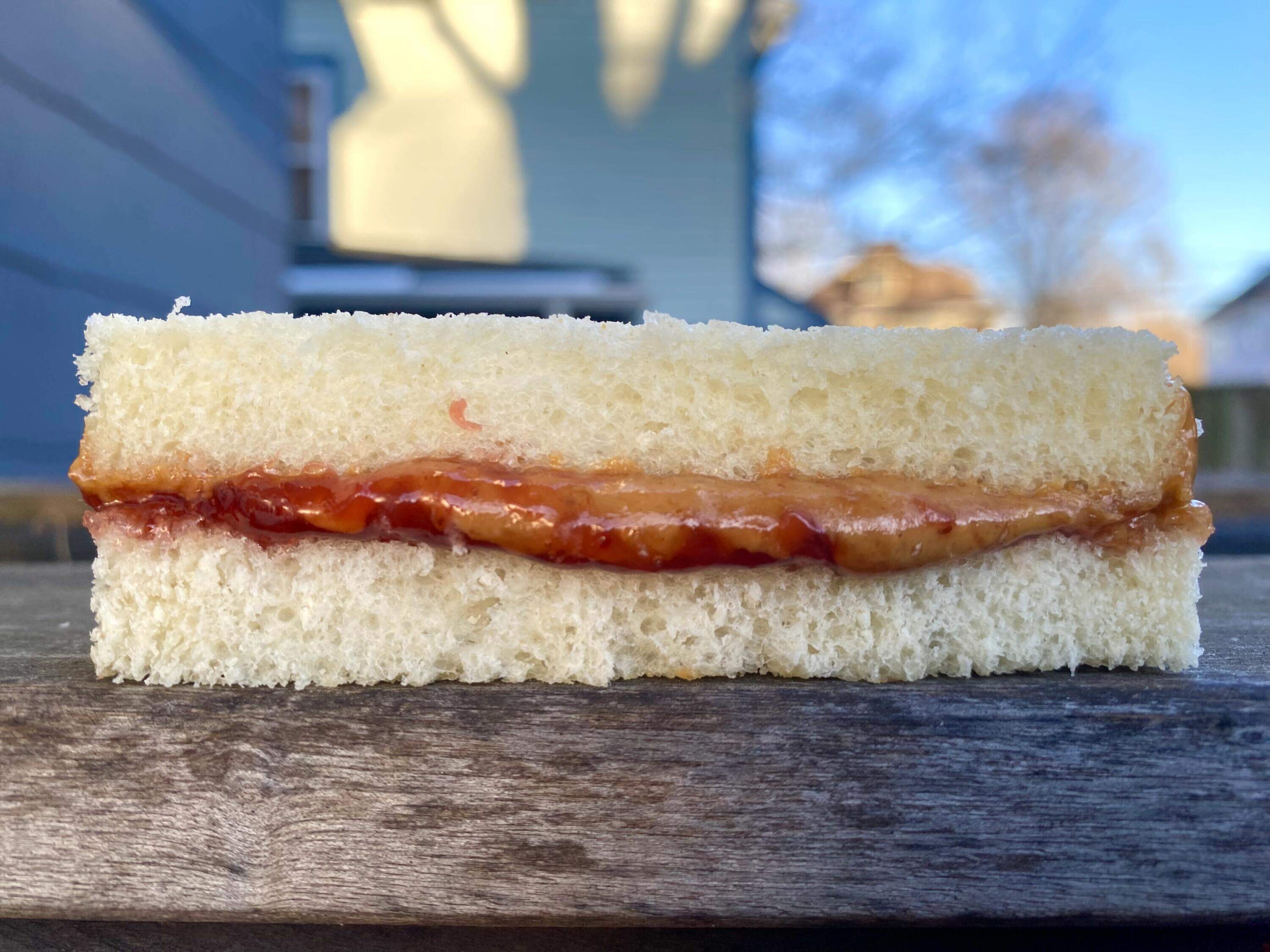
Over the decades PB&J evolved into an egalitarian lunchbox staple for kids and grown ups of all backgrounds, political leanings and socio-economic brackets.
“Peanut butter and jelly is just a twosome that’s become inseparable,” Benjamin said. “It’s for the working person and the well-to-do. And the best part about peanut butter and jelly is it never, ever became expensive."
In this century, the humble PB&J has morphed and inspired in ways the good women of the Boston Cooking School never would’ve imagined. It’s a star in silly memes and the animated sitcom “Family Guy.” Former Boston Celtics forward Kevin Garnett helped make it the NBA’s favorite pre-game power snack. There are crustless PB&J Lunchables, PB&J smoothies, PB&J jelly beans and new to the shelves Reese’s PB&J Cups.
But for Benjamin, peanut butter and jelly will always be the sandwich that made — and still makes — women’s lives easier.