Support WBUR
Boston's Morning Newsletter
Boston's climate action plan includes more trees and fewer gas stoves
Editor's Note: This is an excerpt from WBUR's daily morning newsletter, WBUR Today. If you like what you read and want it in your inbox, sign up here.
The Red Sox have strung together three wins in a row for the first time all season, under new (interim) manager Chad Tracy. Meanwhile the Celtics have a chance to close out the series against the 76ers at the Garden tonight. And the Boston Fleet start their playoff run on Thursday. (Let's not talk about the Bruins or Patriots right now.) Happy days are here again?
But first, the news:
Getting warmer: Boston is hoping that more trees and a change in how we cook can help reduce climate-warming carbon emissions — and keep people cool. Almost 20 years after Boston's first climate action plan was unveiled by then-Mayor Tom Menino, WBUR's Barbara Moran reports that Mayor Michelle Wu yesterday laid out her roadmap to help the city slash greenhouse gas emissions by 2050. "Climate change is here. We feel it. We know it every single day, every single summer, every single storm," Wu said. "And so this is about how we address the holistic experience that our communities are going through with a holistic plan." During yesterday's unveiling, Wu shared some of the plans, parts of which are already underway. (Find the full plan here.)
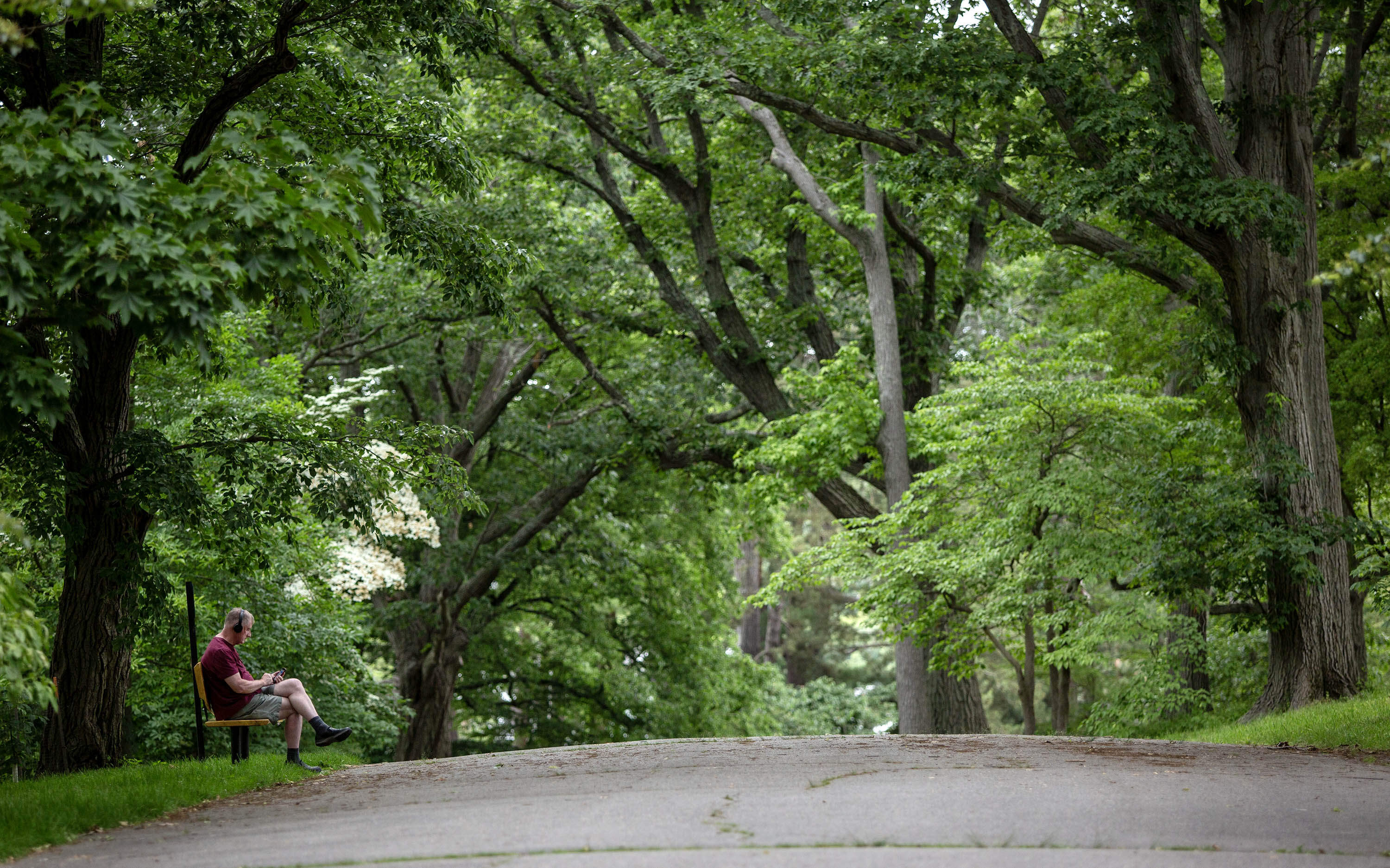
- Throwing shade: The city wants to cut heat-related visits to emergency rooms by 25% by 2030. One way to do that? Plant more trees and keep the ones we already have alive. Neighborhoods with more trees stay 10 to 12 degrees cooler in the summer (not to mention, trees can suck up carbon in the atmosphere like a machine). Since 2019, the city has added over 67 acres of canopy coverage to Boston streets and over 104 acres to parks.
- It's electric: The stoves, that is. The city has installed nearly 50 electric induction stoves in public housing units in Dorchester and South Boston. Gas stoves produce harmful pollutants and worsen air quality in homes. The city is also forming a "restaurant decarbonization task force" to help commercial kitchens move away from gas stoves.
- The big picture: Boston is especially vulnerable to climate change. Our summer days can be scorching. (Remember last summer's three heat waves?) And flooding is expected to get worse as sea levels rise. Right now, Boston usually experiences less than 15 days of "nuisance" or high-tide flooding each year — think of when Morrissey Boulevard temporarily becomes part of Dorchester Bay. By 2050, nuisance flooding may occur on roughly half the days each year. That means Morrissey Boulevard could be underwater every other day.
Heat help: It's the last week to apply for a refund for winter heating in Massachusetts. Applications for the state's heating assistance program, known as HEAP, close at the end of the month — that's this Thursday. The refunds can cover costs from Nov. 1, 2025 to April 30. Household income can't exceed 60% of the state's median income, or roughly $99,000 for a family of four. Applications are available here. Liz Berube, of the South Coast nonprofit Citizens for Citizens, said the heating refunds might not go as far as previous years, after super cold winter temperatures and extra high fuel prices.
- The program got off to a rocky start in the fall. The federal government shutdown delayed payments to states, leaving local coffers empty just as winter weather was blowing in. The record-long shutdown eventually ended and payments were released to states more than a month late. The state later boosted the maximum benefit amount, to give people more relief.
Spark up the grill: After earlier saying tailgating would be forbidden at World Cup matches at Gillette Stadium (ahem, sorry, Boston Stadium), organizers have reversed course. WBUR's Andrea Perdomo-Hernandez reports that it seems to have been a misunderstanding, and that host committee Boston 26 thought FIFA had a tournament-wide "no tailgating" rule. Parking opens up four hours before the match.
- Tailgating might be allowed, but that parking spot is going to cost you. Current parking prices start at $175. (MBTA and bus tickets are a little bit cheaper.)
- The World Cup kicks off in 44 days (with the first Boston match two days later on June 13) so there's plenty of time to plan your game day menu. WBUR has everything you need to know about the tournament, from who's playing, how to watch and who to root for.
P.S. — Catch running phenom Mary Cain (if you're fast enough) at WBUR's CitySpace this Thursday. Cain was a star high school runner scooped up by Nike's training program, a dream that quickly turned turned a nightmare amid the running program's abusive system. She'll be interviewed by WBUR's own running phenom, Dianna Bell, as Cain talks about her new book, "This Is Not About Running."