Support WBUR
Feds predict 'below normal' Atlantic hurricane season for 2026
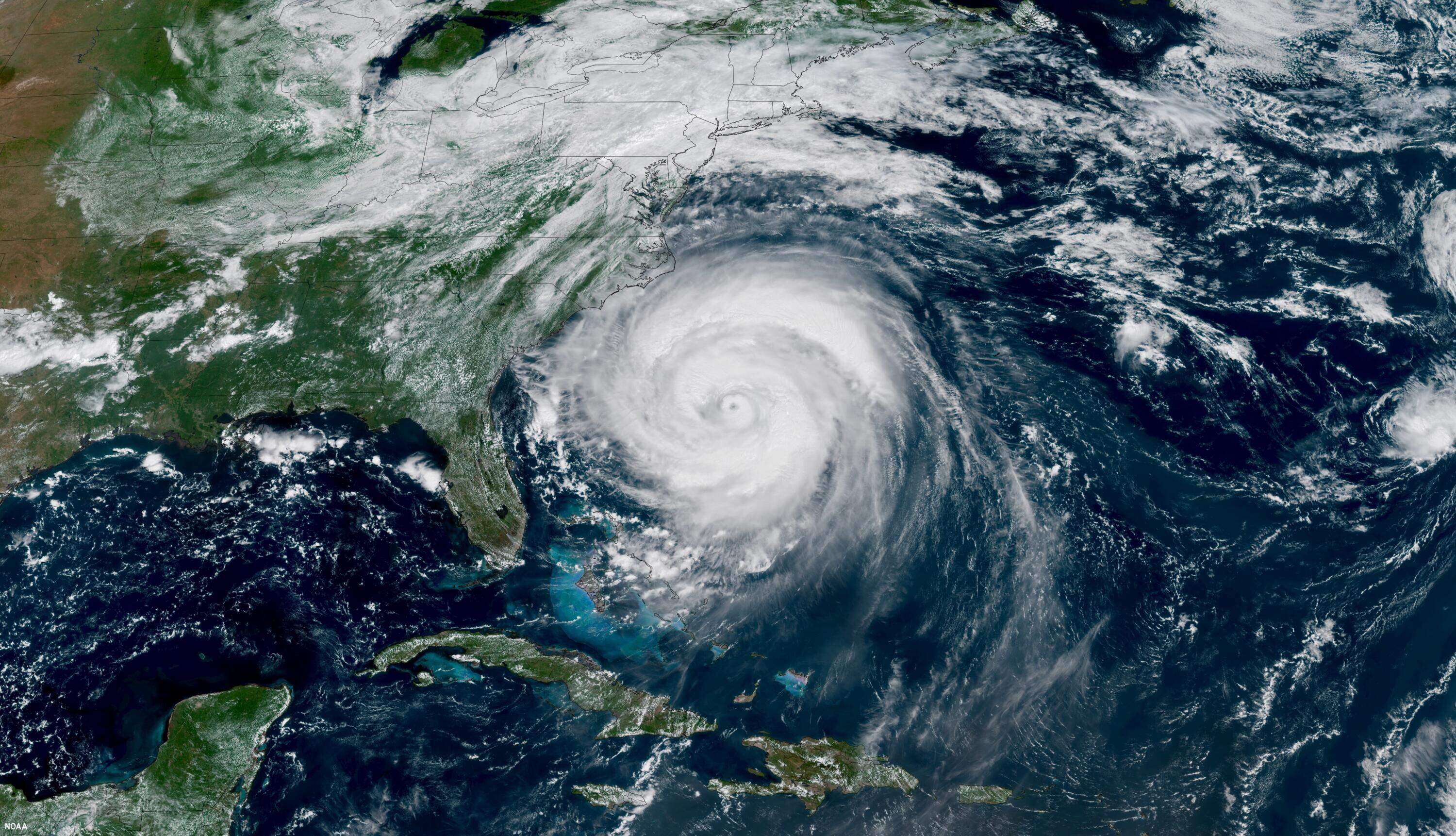
Forecasters at the National Oceanic and Atmospheric Administration are predicting a "below normal" Atlantic hurricane season this year.
NOAA forecasters said Thursday they expect eight to 14 named storms to develop. Up to three could become major hurricanes, with sustained wind speeds of 111 miles per hour or faster.
The Atlantic hurricane season runs from June 1 to Nov. 30.
Despite the mild outlook, forecasters said hurricanes could still pose a danger to coastal communities this season.
"It only takes one," said NOAA administrator Neil Jacobs at a press conference. "We've had category fives make landfall in the past during below average seasons."
The main driver of this season's low prediction is the Pacific Ocean's expected shift into an El Niño climate pattern. El Niño increases wind shear over the Atlantic Ocean — strong winds high in the sky that tend to rip hurricanes apart as they form.
A strong El Niño is expected to form later this summer, at the height of hurricane season. Until then, near record-high ocean temperatures can still fuel hurricane growth and intensity.
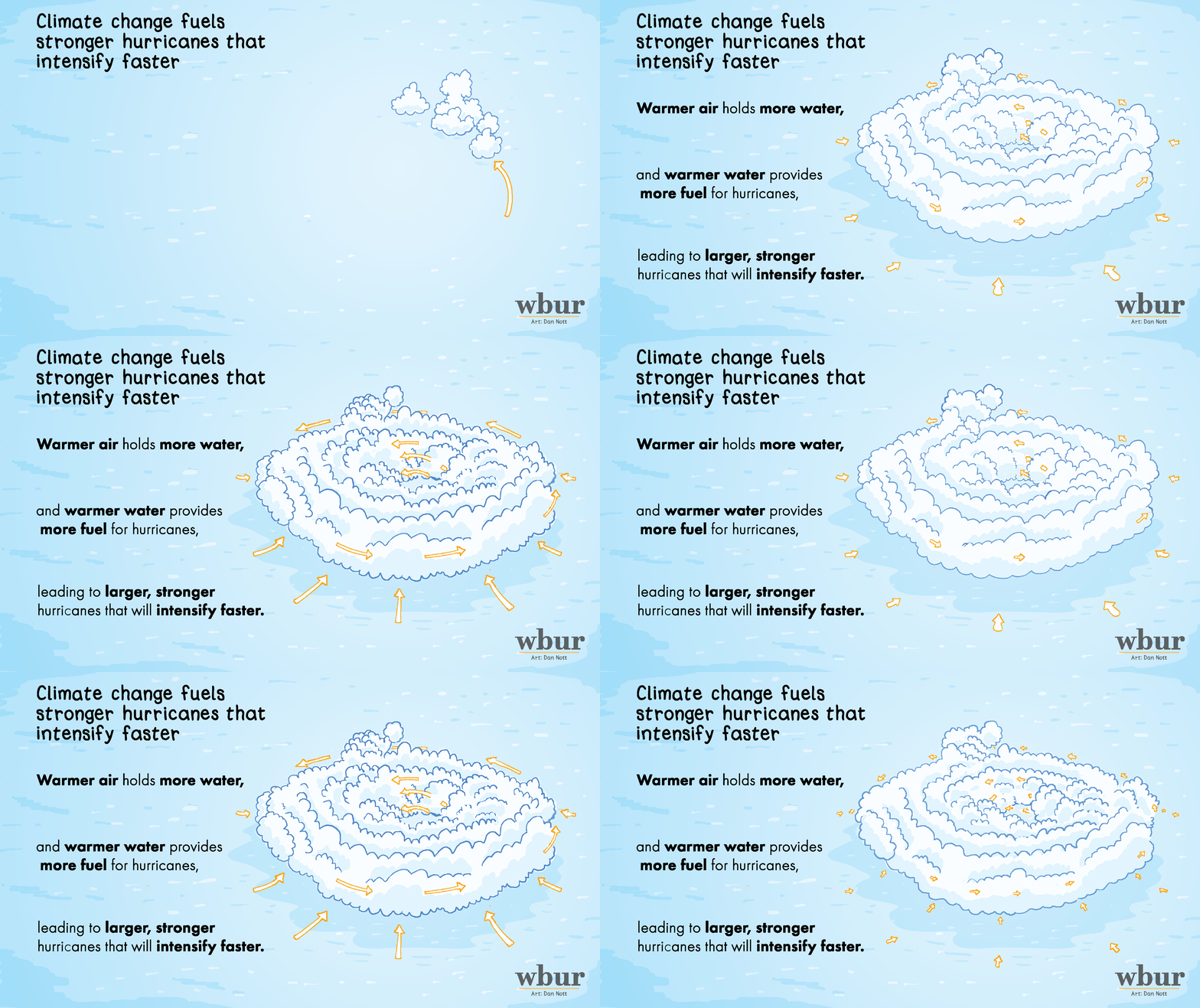
"Hurricanes are almost like a heat engine. They take that extra energy, and they convert it into wind," Daniel Guilford, a scientist at Climate Central, a nonprofit that specializes in climate change research and communication.
1 Degree Outside meteorologist Danielle Noyes described the 2026 hurricane season as "a battle between two giants:" El Niño may suppress hurricanes, but warmer oceans fuel them.
"The Atlantic is still sitting at record warm levels, and that's the fuel," she said. "So while the overall quantity of storms might end up being lower this season, the ones that do manage to form will have plenty of that fuel to work with."
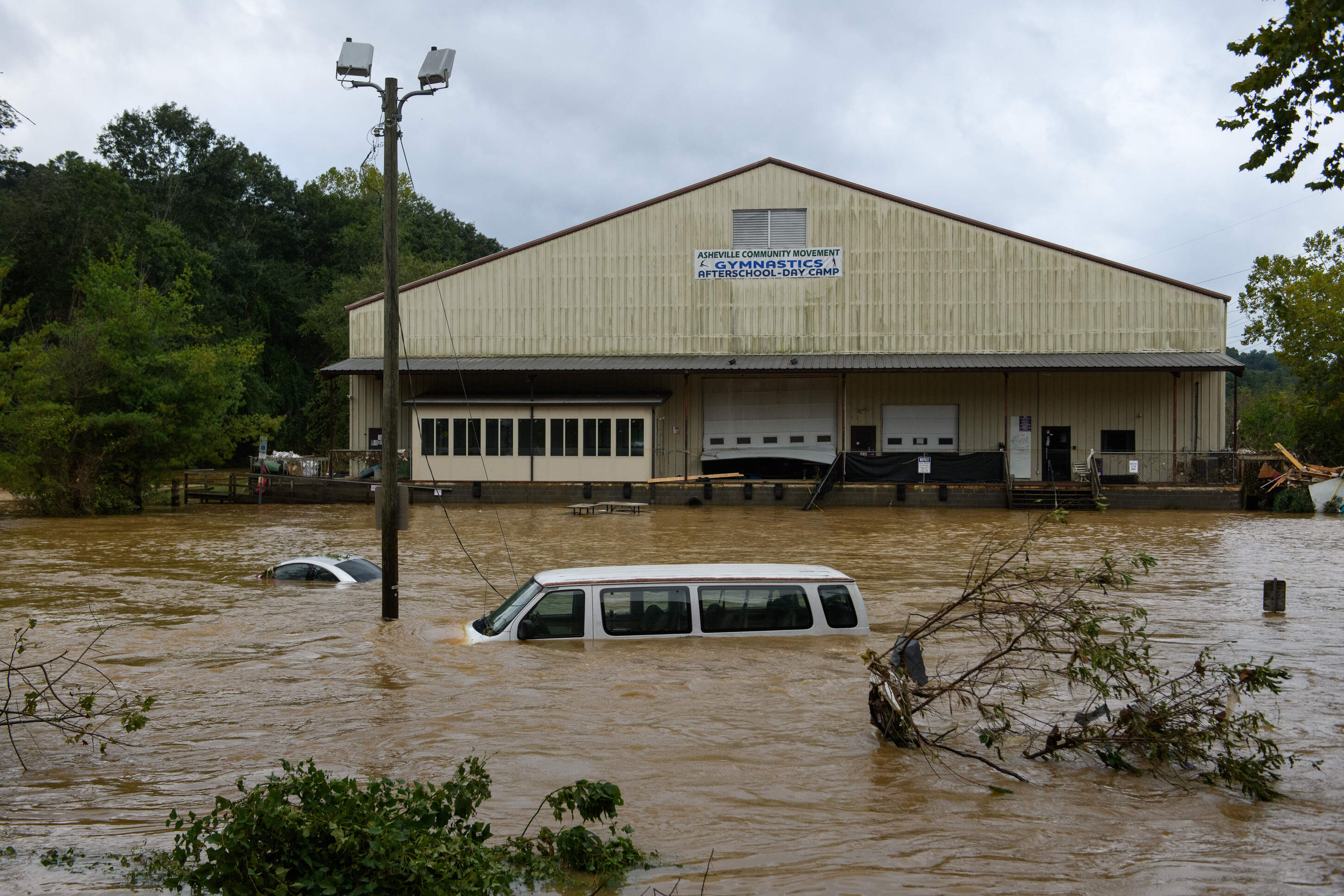
That fuel also means that Atlantic hurricanes could rapidly intensify, she said, leaving people less time to prepare and leading to "potentially devastating" impacts.
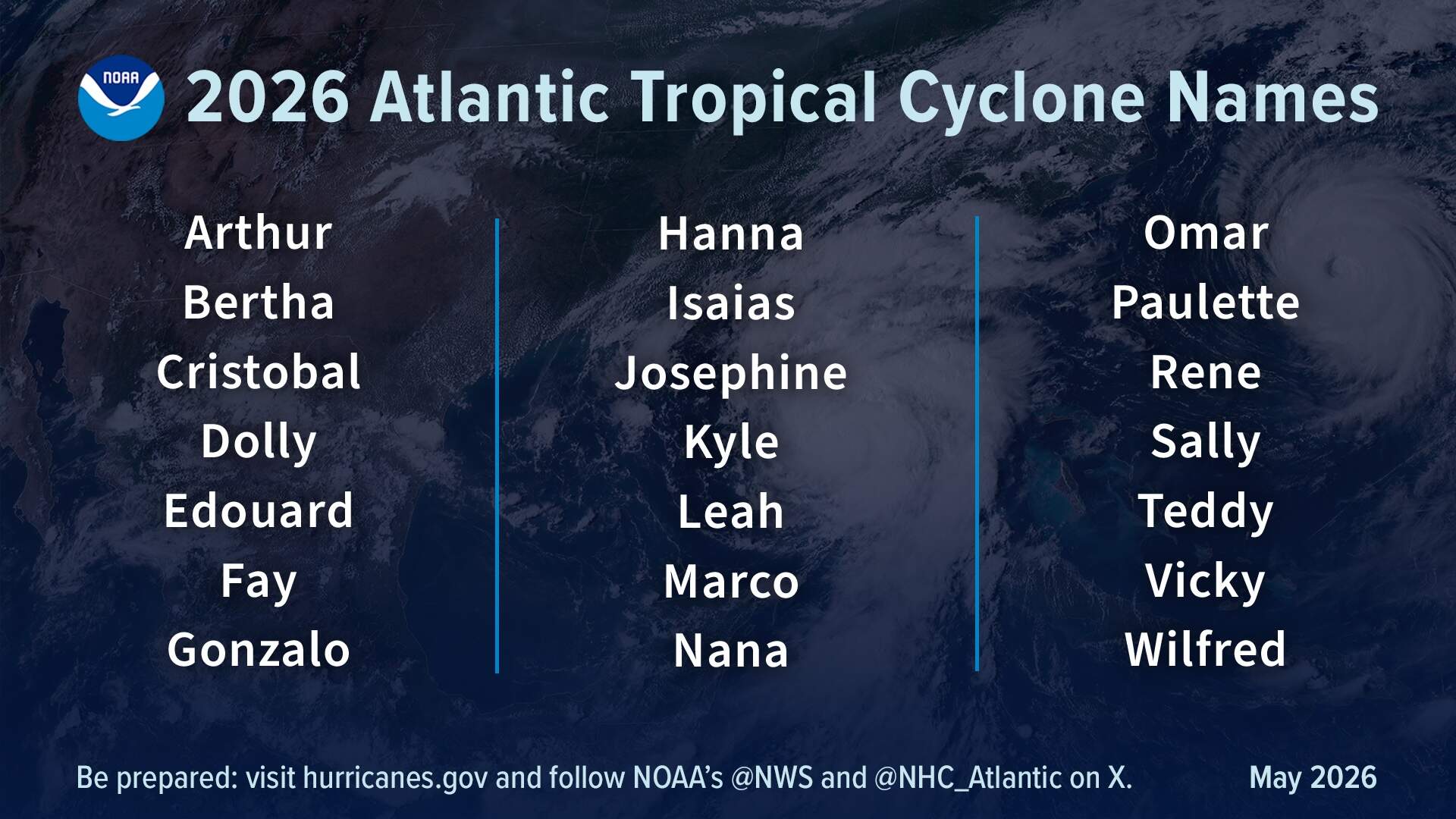
Last year forecasters predicted an "above normal" hurricane season, with 13-19 named storms and up to five major hurricanes. The actual number of hurricanes for 2025 fell within that range, with 13 named storms and four major hurricanes.
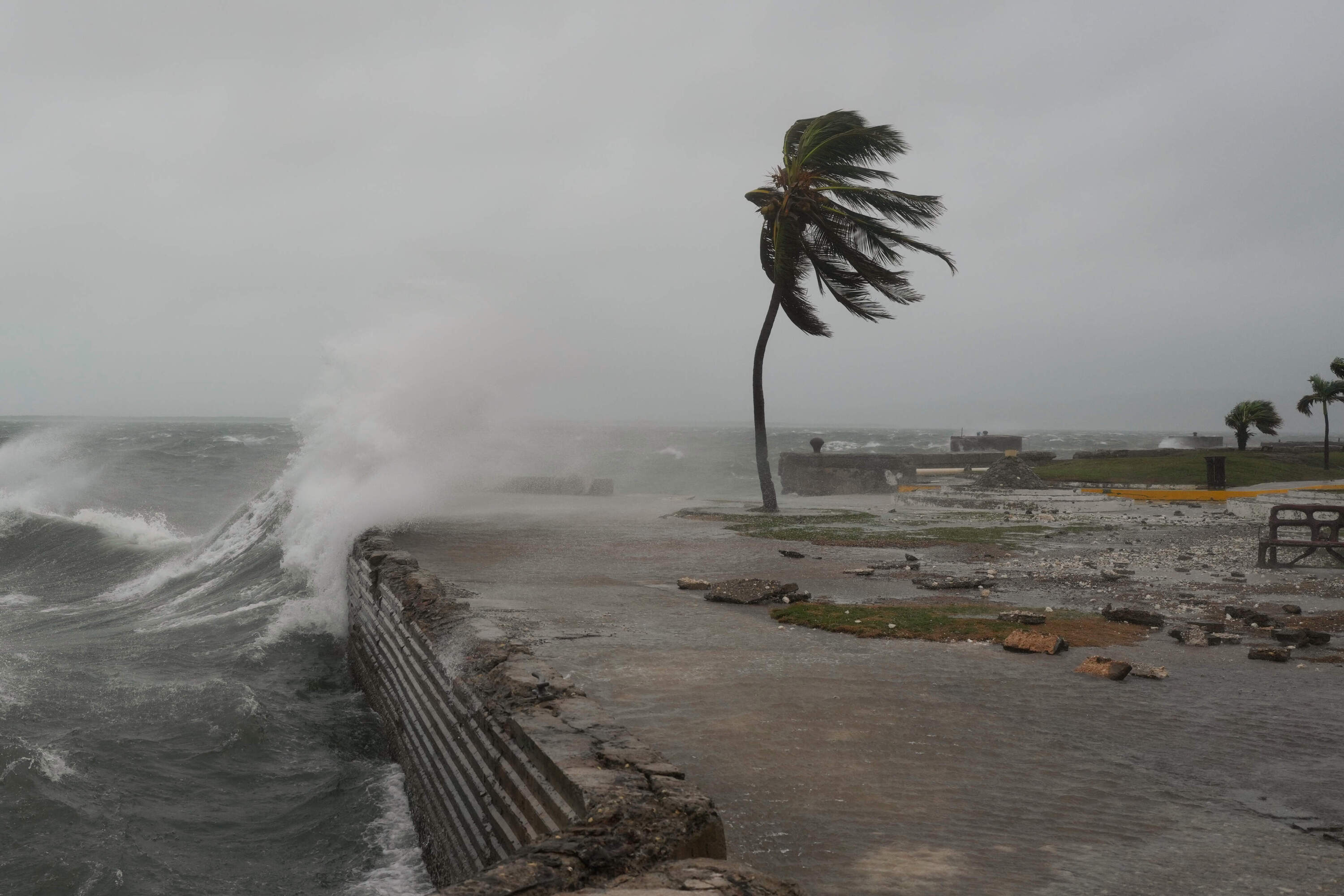
No Atlantic hurricanes made landfall in the United States last year, for the first time in a decade. But the season was still destructive: Melissa, which slammed Jamaica and killed dozens of people, was one of the strongest Atlantic storms ever recorded.
The last hurricane to make landfall in New England was Hurricane Bob in 1991. But meteorologist Danielle Noyes said that landfall and storm size are not the only predictors of harm.
"Look at Irene, right? In a lot of Western New England, that was devastating, and that was just a tropical storm," she said.
The 2026 hurricane outlook comes amid the Trump administration's ongoing unraveling of climate change policy and threats to slash NOAA's budget.
Congress ultimately restored much of the scientific research funding that the Trump administration wanted to cut last year. But administration’s FY2027 budget proposal for NOAA would eliminate more than $1 billion, about 19% of the agency's funding.
If these cuts go through, "there is no way that NOAA can continue at its operating level, which was already lean on funding," said Craig McLean, the former assistant administrator for research at NOAA, who retired in 2022.
While Jacobs has said he supports the budget, both Republican and Democratic lawmakers have raised concerns. McLean said he hopes Congress will again reject the proposed funding cuts, but the threat remains.
" It's very serious because you do see at least half of the Congress being manipulated by the president and conforming to his whims," he said.