Support WBUR
Massachusetts gives out free native plant kits for Growing Wild day
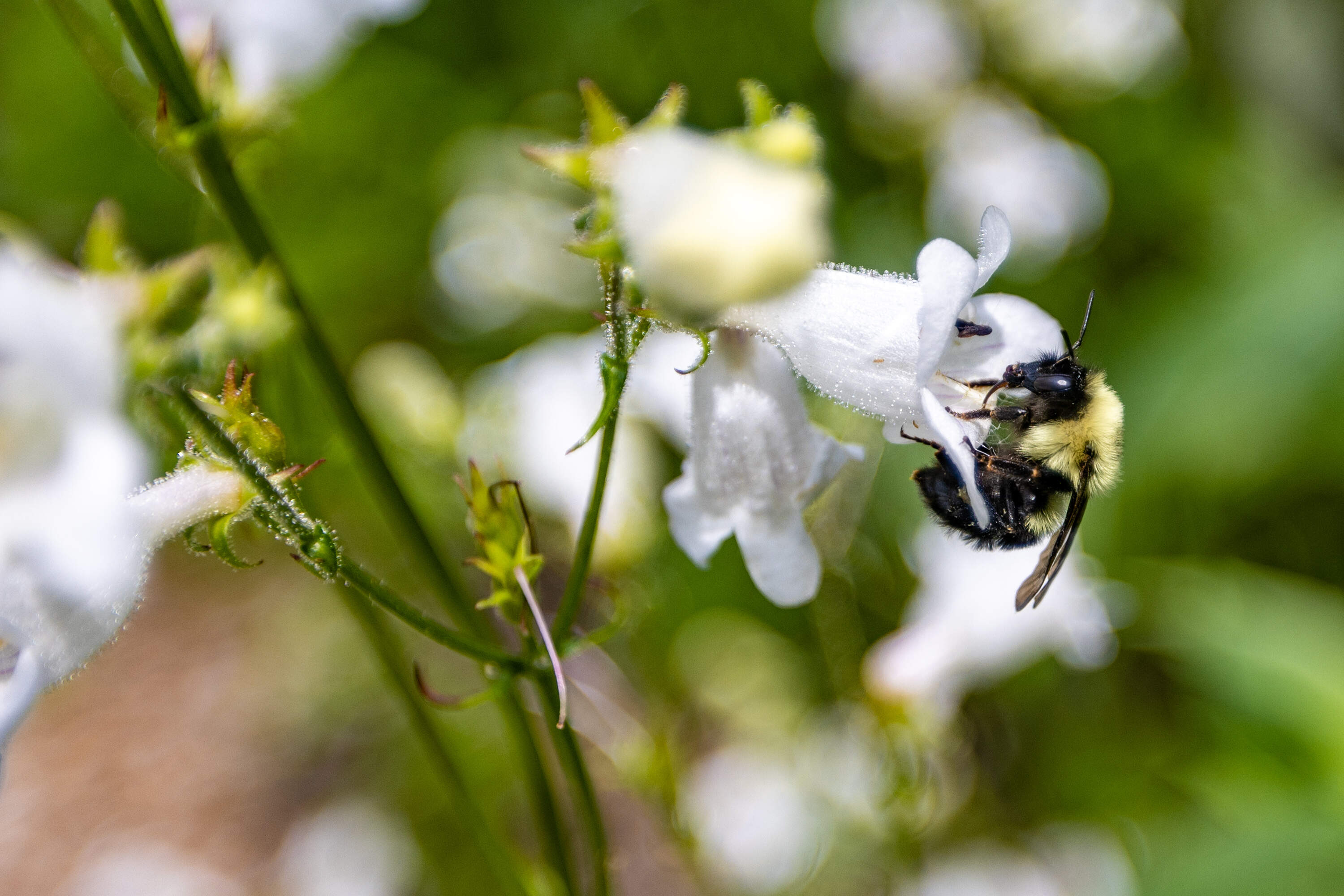
Milkweed, native red columbine, joe-pye weeds and New England aster.
They’re among the hundreds of plant species native to Massachusetts. They provide essential space for pollinators to live and thrive. But the habitats that support some of those plant species are in decline.
To help buck that trend, the state is giving out free kits to anyone who wants to start their own native pollinator garden.
“It's not just plants, it's not just a landscape, it's habitat,” said Patrick Lindquist, the Growing Wild program coordinator with the state’s Department of Conservation and Recreation.
Growing Wild Massachusetts is a statewide initiative that focuses on supporting pollinators through native planting. For the sixth year in a row, the state will distribute hundreds of native plant starter kits at nearly two dozen locations across the state and at a series of DCR events in June.
Distribution will start Friday on the state’s second annual “Growing Wild Day.” State leaders, including Gov. Maura Healey, will mark its launch at Mahoney’s Garden Center in Winchester, one of the participating garden centers.
Each native plant kit includes two perennial plants, a packet of wildflower seeds and educational materials on the need to create more native pollinator habitats. Which plants are available will depend on the distribution location or event. Additionally, the state said it is continuing to work with local tribal communities to provide kits that include species of cultural significance.
Even those with limited outdoor space can get in on the gardening. Lindquist said people don’t have to have a yard to participate.
“We like to say every square foot counts,” he said. “So even if you only have a deck or a patio and you have container plantings, by choosing to put native plants into those container plantings, pollinators will definitely be grateful that you made that decision.”
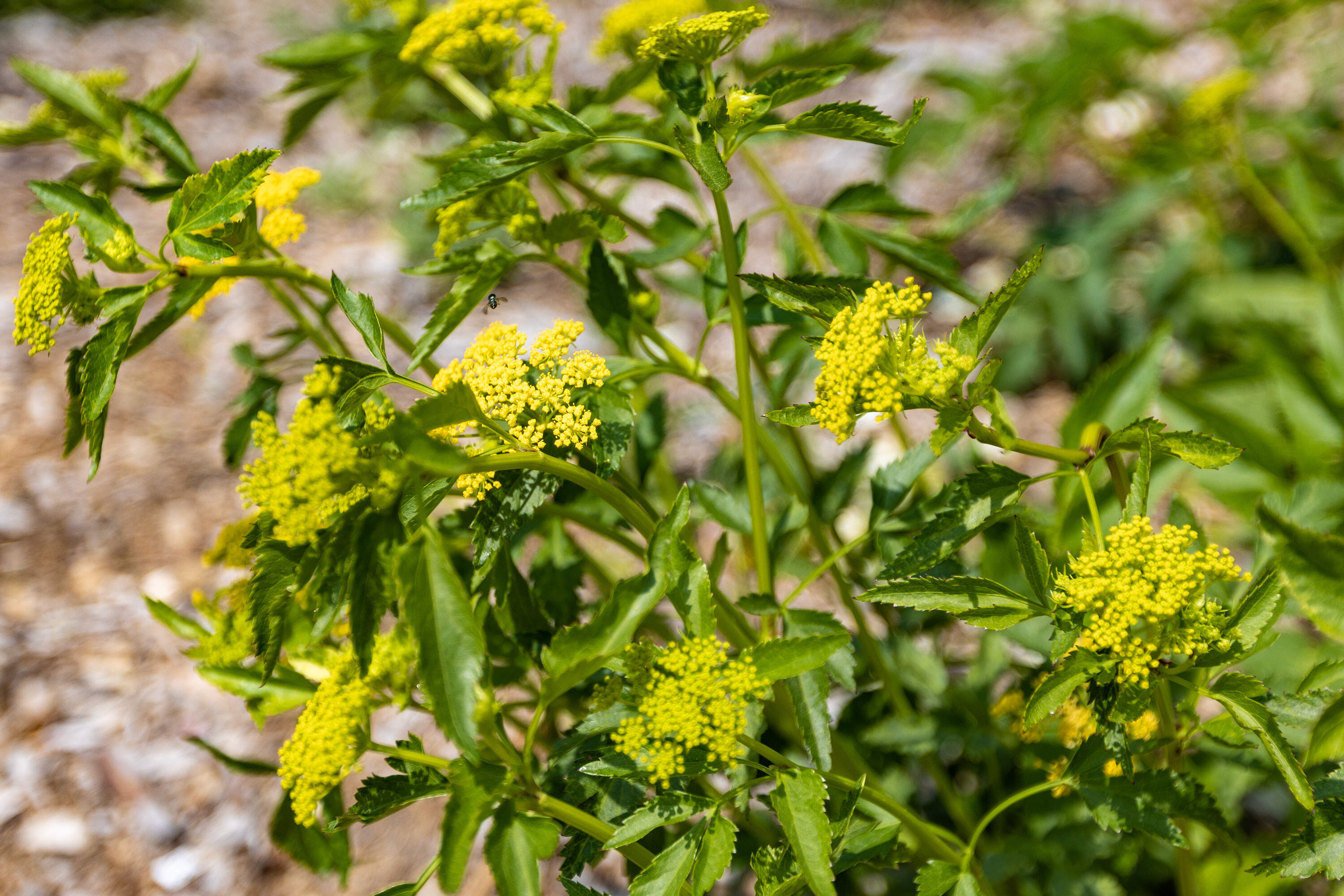
For the first year, Lindquist says participants may have to support their growing native garden, especially if there’s periods of high heat and drought. But typically after that, the gardens will thrive on their own. And once they do, gardeners will likely start to see new visitors, like butterflies, bees, and maybe even hummingbirds.
The effort is a partnership between DCR, the state’s Department of Agricultural Resources and the Massachusetts Nursery and Landscape Association. Over the last five years, the state has distributed nearly nine and a half acres of habitat, Lindquist said.
This is great news for the hundreds of species of animals and plants that are protected in Massachusetts. But a continued loss of green space to development is a challenge in this effort. Fewer native plants means less support for pollinators, which are an essential piece of the ecosystem.
”When you look around, how much of that area is non-vegetative area such as buildings, roads and sidewalks?” Lindquist said. “And then how much of that area is a native planting area? And you'll start to see that your impact in your yard or your community's open space can really make a difference.”
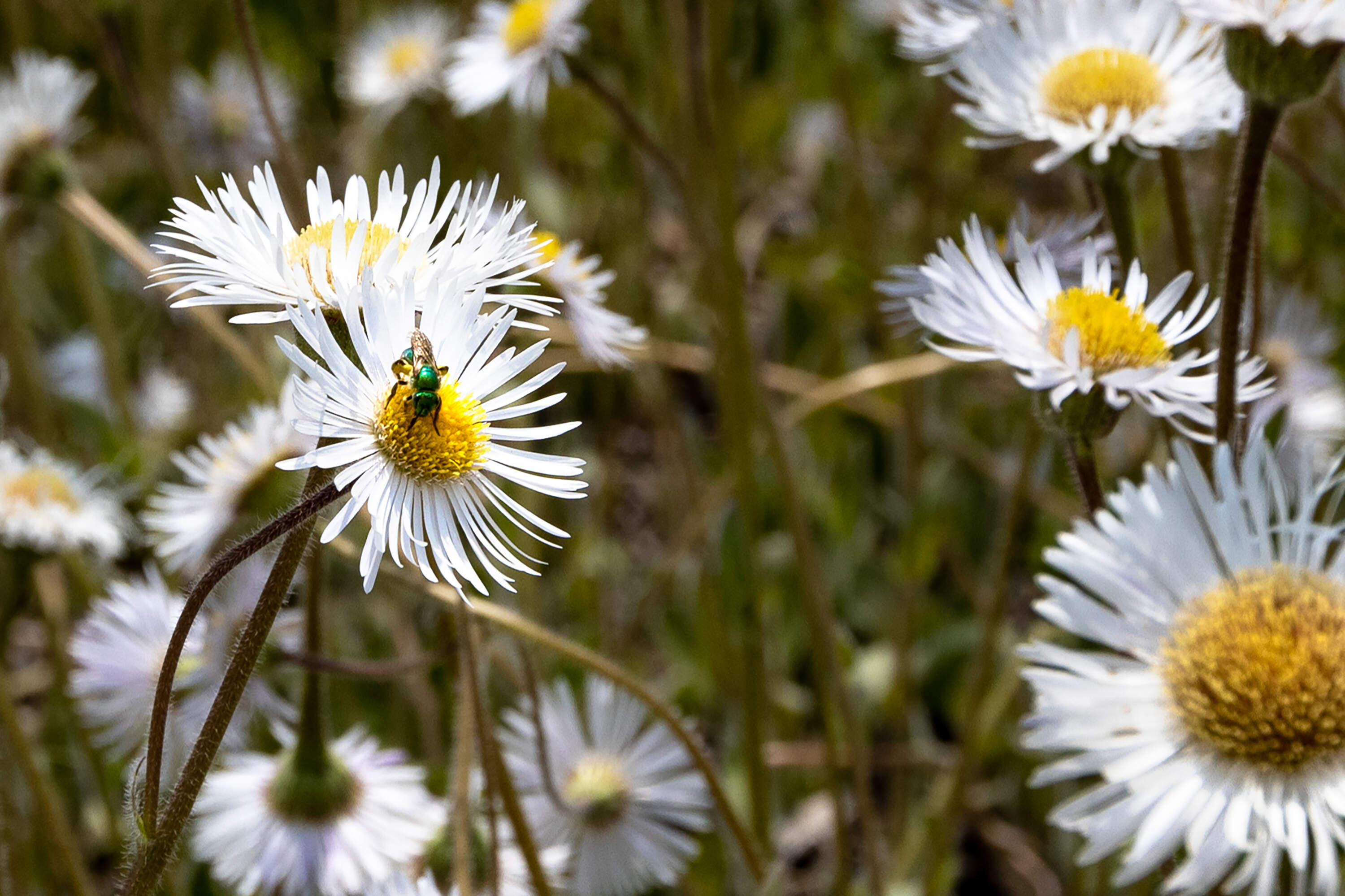
He said seeing communities, especially younger residents, get excited and want to learn more about new habitats makes the work extra meaningful.
“Having the children of Massachusetts see caterpillars crawling on leaves of plants, seeing bees visit one flower and then zoom off to another is really what the program is all about,” he said.
All Massachusetts gardeners, regardless of whether they get a kit or not, are encouraged to register their garden as part of the state’s pollinator map.