Meet Ella Faye, WBUR’s favorite local Tiny Desk Contest entry
Editor's note: This story is an excerpt from WBUR's weekly arts and culture newsletter, The ARTery. If you like what you read and want it in your inbox, sign up here.
Last month, NPR announced the winner of its Tiny Desk Contest, the Dallas hip-hop collective Cure for Paranoia. But here at WBUR, another artist captured our hearts: the Boston singer-songwriter Ella Faye, who entered the contest with her song “Aurora.”
Nearly 200 musicians from Massachusetts entered the Tiny Desk Contest this year (184 to be exact). A panel of local judges convened by WBUR – Amory Sivertson, Pranav Swaroop, Paul Willis, Safiya and myself – combed through them to select WBUR’s Local Tiny Desk Favorite. Ella Faye’s “Aurora,” with its enveloping harmonies and quiet virtuosity, took the crown.
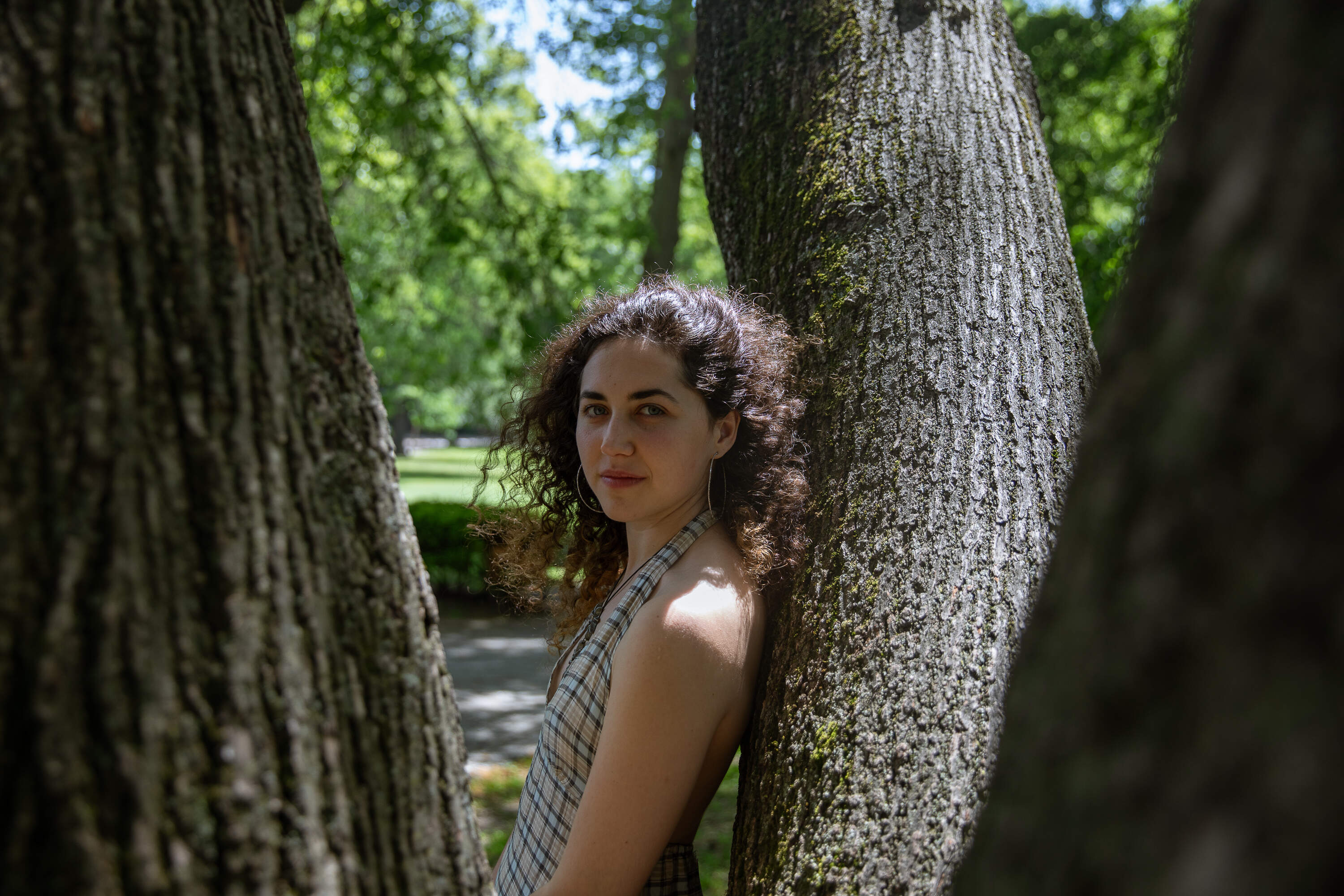
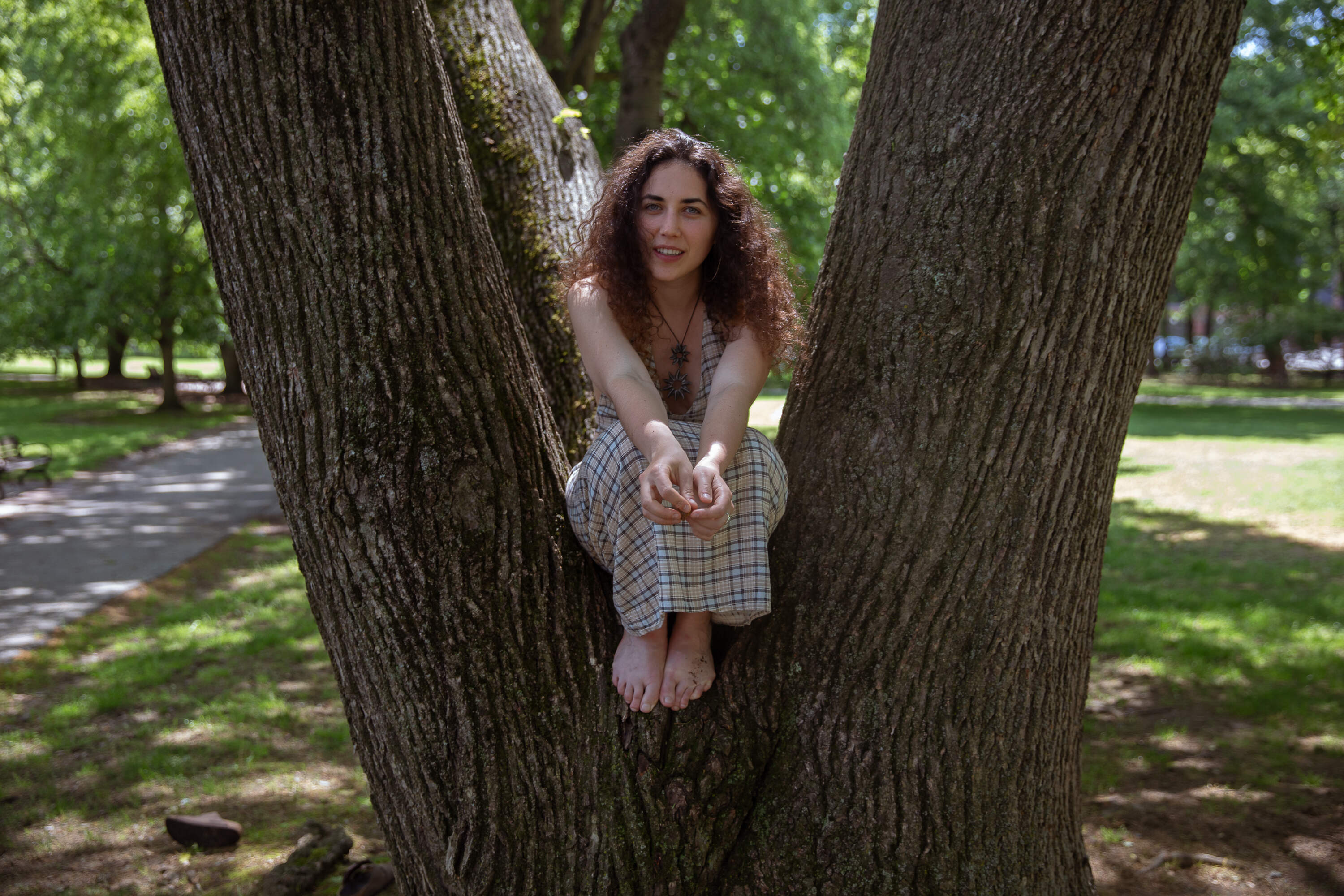
I met up with Ella Faye, whose given name is Ella Harrington, at the Charles River Esplanade in Boston on a windy May morning. She had chosen a spot by a gnarled black willow tree whose stout limbs dipped to the ground.
“I love this tree. It holds a lot of memories, a lot of songs have been written here,” she said. “And it’s so utterly climbable.”
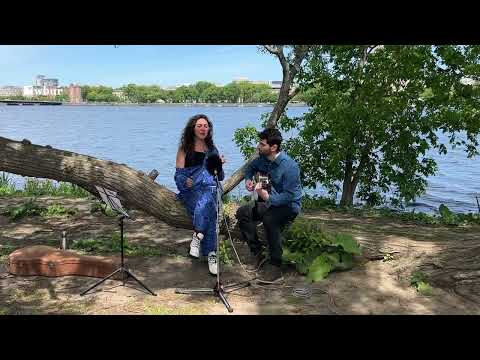
After performing “Aurora” against the backdrop of the Charles River, Harrington invited me to climb into the willow’s knotty branches. It was a savvy suggestion – we were filming the meetup for social media, and our perch from the tree was appealingly silly. The setting also spoke to the song we were there to talk about. “Aurora,” Harrington told me, is a love letter to nature. She wrote it right after moving from her home in the suburbs to the city to attend Berklee College of Music.
“The words kind of emerged, and I didn't even know exactly what they meant at first, but I just knew the emotion that they were communicating,” Harrington said. “The feeling of a waterfall or the feeling of a beautiful night sky, where your breath is just taken by the beauty of the natural world.”
Harrington’s Tiny Desk Contest video opens on a gaggle of musicians crammed cozily into a living room. B-roll flashes past, edited to look like an old home video. Harrington is seated on the floor behind a coffee table, flanked by her band. She begins in hushed tones against warm piano chords. “Oh, aurora,” Harrington sings, “Won’t you hear me roar/ Down to the lakes I call home.” The melody soars and withdraws, hovering ambivalently before melting into a wordless cloud of harmonies.
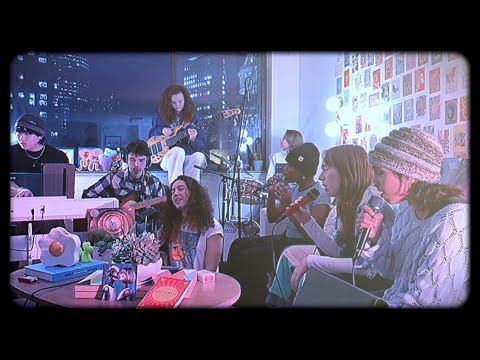
“Aurora” wears its influences openly – a copy of Stevie Wonder's “Songs in the Key of Life” is propped against the keyboard – and skims between the boundaries of pop, jazz and old-fashioned folk. Anchoring it all is Harrington’s voice, which is potent but unshowy – until a breathtaking excursion into an upper octave that concludes with a Mariah-worthy vocal run. The performance earned her a mention on NPR’s “Top Shelf” series highlighting standout Tiny Desk Contest entries from around the country.
Harrington, 24, has been singing her whole life. She grew up in Arlington, Massachusetts, and was homeschooled.
“It was a lot of, like, barefoot running around and free-range kids kind of attitude,” she said with a laugh.
Starting when she was four, she sang with her parents in the Family Folk Chorale, an intergenerational choir that exposed her to American greats like James Taylor and Aretha Franklin, and taught her how to sing. Hers was the type of family to gather around the television to watch “American Idol” rather than a football game. Her father, Paul Hatem, is also a singer-songwriter.
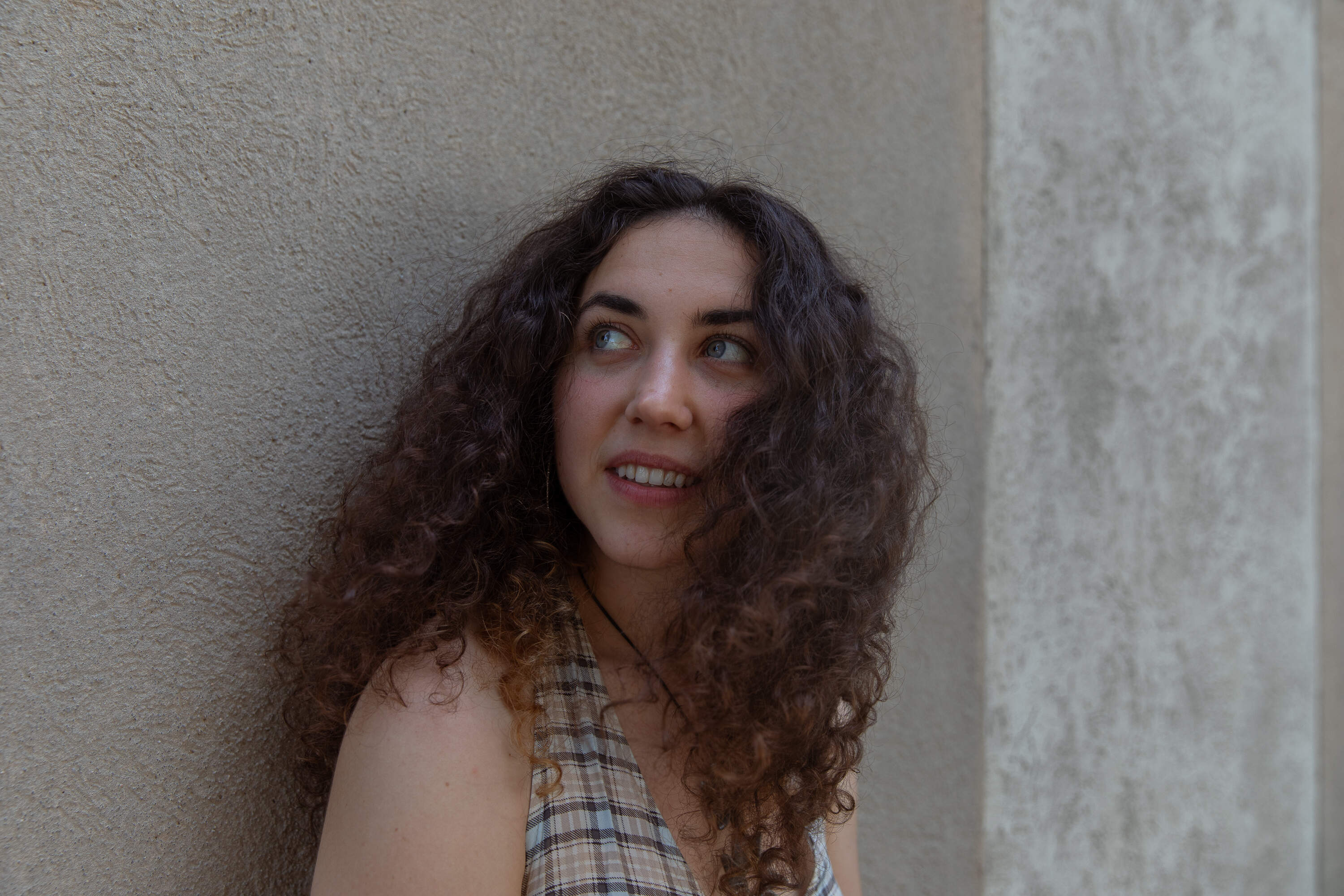
“We're at the dinner table and he's like, ‘Oh, I wrote a new song. Let's play it,’” Harrington said, evoking a typical dinnertime during her childhood. “And so when I was about 12, I started doing the same thing.”
Harrington recalled one of the first songs she wrote, which she titled “how life goes.” She compared the song, with its litany of contradictions – “Heading north but going south/ Try to stand up but fall right down” – to Alanis Morissette's "Ironic," but “from a 14-year-old perspective.”
The song appears on Harrington’s 2025 album “unedited,” a collection of previously unreleased voice memos recorded throughout her teens. The result is a snapshot of Harrington’s youth. It lays bare the earnest, sometimes awkward experimentations of a burgeoning songwriter.
“ I wanted it to be a way of, one, challenging perfectionism,” Harrington said. She wanted to “put it out in a way that honors the youth of it, instead of trying to change it.”
It’s a surprising move, especially for someone who hasn’t released much music at all. Some artists scrub their back catalog from the internet, embarrassed by the scrappiness and naïveté of their younger selves. Listening to her old recordings was “a little cringe,” Harrington admitted. “ But also, I like the innocence that's captured in them.” That quality lent the songs their impact, and could never be replicated in quite the same way.
These days, Harrington’s music-making is more of a group effort. For her Tiny Desk Contest video, she recruited eight other musicians, plus an engineer and someone to film.
“ Ella gives the players a lot of freedom,” said drummer Mariana Trancoso. “There's always one take that Ella's like, ‘OK, go crazy. Do whatever you want. Go crazy on this take.’ And that creates so much creativity for the take after. We're like, ‘OK, we'll take what we liked, what we didn't like, and now we know how to balance it out.’”
Harrington was quick to credit her collaborators. She shouted out the four backing vocalists – Tamia Elliott, Neha Gautam, Melany Sanchez and Angelina Cara – for inventing harmonies on the spot, and credited her usual pianist, Rick Son, for helping devise a clever harmonic passage. Pianist Devin Thai learned the part the day before filming.
The video, Harrington said, is proof of “a strong community of people that all love making music together.”
Harrington will open for the Tiny Desk Contest winner at the Sinclair on July 7. She has one more year of school. What comes next, she’s not sure. On some level, she yearns for that earlier era of her songwriting self, when she was less practiced but more open.
“ The stories I was able to imagine, in some ways, I think, were more creative than I have access to right now,” Harrington said. “Because right now it's a lot of math and buttons and practicing and scales."
She looks forward to those uncertain years, and the experiences they will bring: future inspiration for future songs.
This segment aired on June 11, 2026.