Support WBUR
Women's luge athlete from Mass. set to make history at Winter Olympics
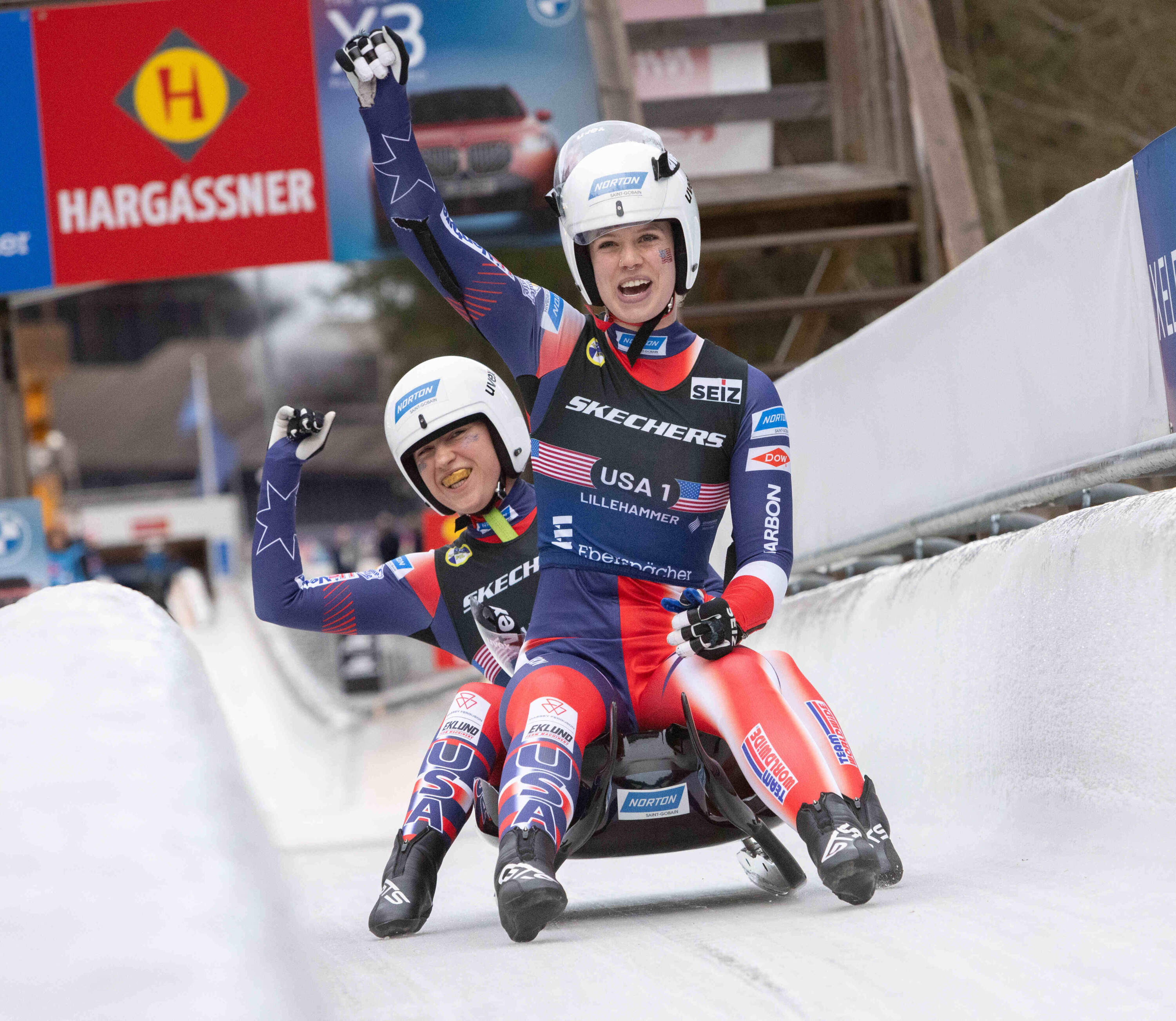
Winter Olympics sports involve a lot of snow and ice, of course. But many of the sports also involve speed.
The sport in which athletes maintain the fastest speeds, according to Olympics officials, is the luge. One or two athletes lie on their backs on the luge sled and zoom down an icy track at about 70 to 90 miles per hour.
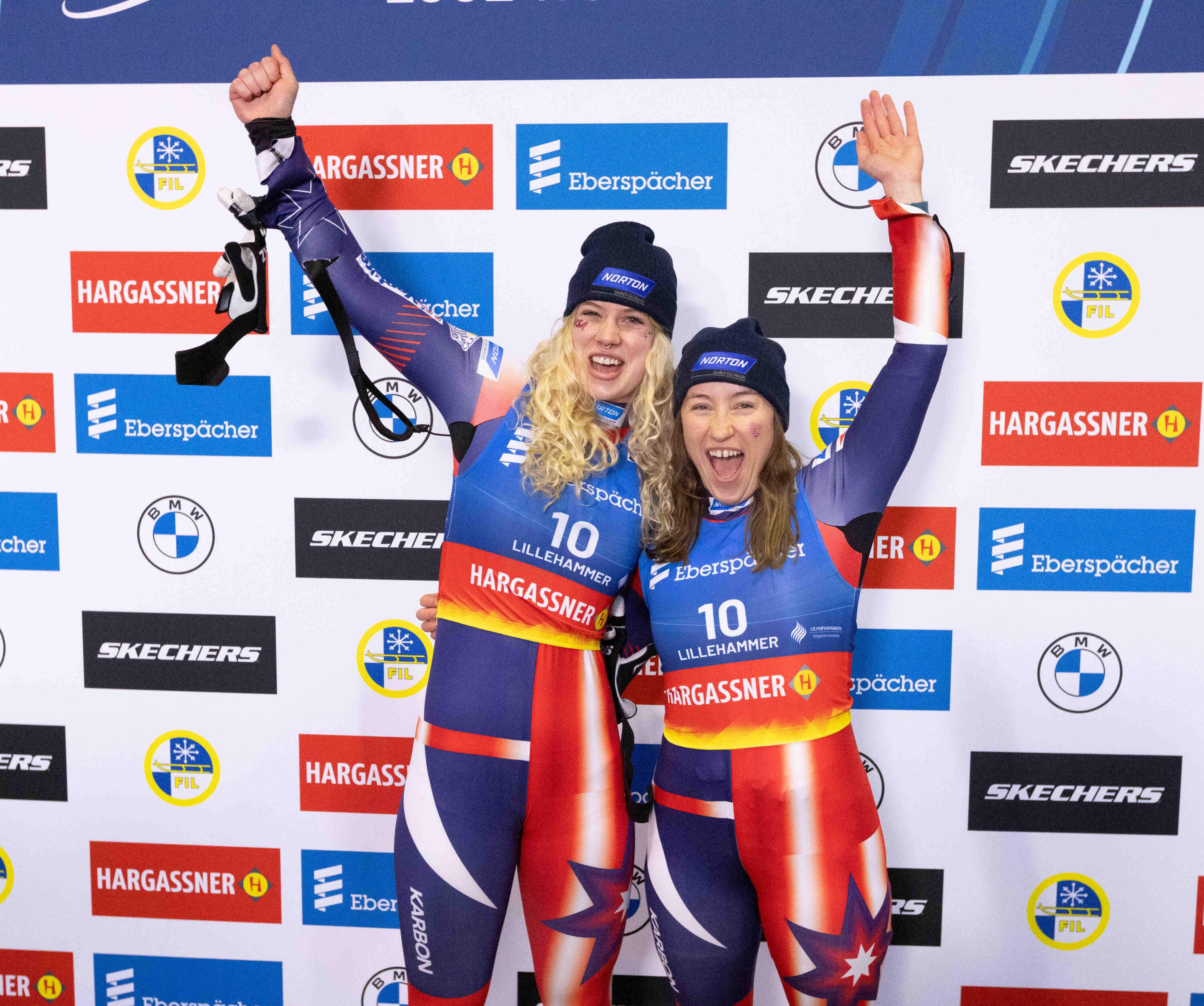
Chevonne Forgan is one of three Massachusetts Olympians competing in the luge. Australian-born, her family moved to Chelmsford when she was 10 years old. This is Forgan's first Olympics, and her event, women's doubles luge, will debut at the Milan Cortina Games.
"It means so much to me to be a part of the Women's Doubles debut at this Olympics, because it's creating so much more opportunity for women in this sport and creating more of an equal playing field," she said.
Forgan spoke with WBUR's All Things Considered host Lisa Mullins from Germany, before heading to Italy for the games. She told the story of how she stumbled into luge. Her mom took her to an event in Carlisle put on by the USA Luge team when she was a kid, and she thought it was just for fun.
Interview Highlights
On how she got into the sport:
"I went to what I now know as one of the White Castle Slider Searches that the USA Luge team sets up. It's essentially a tryout for kids, but I did not realize it was a tryout at the time. It's where the team sets up a little ramp and they mark off a section of the road, and you get to try luge on wheels on the concrete in the summer.
"It was a lot of fun. I felt I learned a lot about luge, and I believe it was a couple months later that we got a letter in the mail inviting me to Lake Placid to try it on ice. ... It was a bit of a shock."
On why she got hooked:
"I absolutely love the speed. I love the adrenaline that you get from doing luge. And right from the beginning, the first time I tried it on ice, it was the fastest thing I had ever done and also the most exciting thing. And it's really never stopped being that."
On how it works:
"I am the lucky one who can see where we're going. But my doubles partner, Sophia [Kirkby, who lies under Forgan], she can't see.
"To be aerodynamic, you kind of have to put your head back as far as possible. So it's a little bit different than looking straight in front of you.
"I steer with my legs, which connect to the [sled] runners. They kind of look like candy canes. They are touching the ice, and then they curl up. That's where my legs are. So I'm pressing on them with my legs to steer. And Sophia, who's essentially underneath me, she's kind of steering with her shoulders, which are pressing into the sled."
On how the doubles team achieves the best race:
"We actually can't communicate during the run. It's too fast, and we wouldn't really be able to hear each other. So there is a lot of trust that goes into it, and you really have to be on the same page at all times. ... So before the run, we're usually doing a lot of communicating, making our plan.
"In each curve, there's an ideal line that you want to take, and it's the fastest line through the curve. If you can picture it, you want to be like a rainbow through the curve. You don't want to be going up and down and up and down. That's slower. ...
"Sometimes if you make a mistake in the curve, it could lead to a crash where you just kind of tumble over. I have to trust Sophie because she's usually the one who can save us from crashing, because she's kind of got that weight that keeps us 'shiny side down' [an expression used in the sport to mean upright, with shiny side referring to the bottom of the sled runners].
On the possibility of crashing:
"Because we start the sport so young, you kind of learn how to crash safely, which is a skill that you need because crashes are very common. But most of the time you just end up with bangs and bruises. You can break bones, like in any extreme sport. ... You also see concussion sometimes. But we do everything we can to be as safe as possible — as safe as you can be going 70-plus down an icy track."
This segment aired on February 4, 2026.