Support WBUR
Jack Fultz ran for the hoses. 50 years after that win, he's still sharing wisdom for Boston Marathon runners
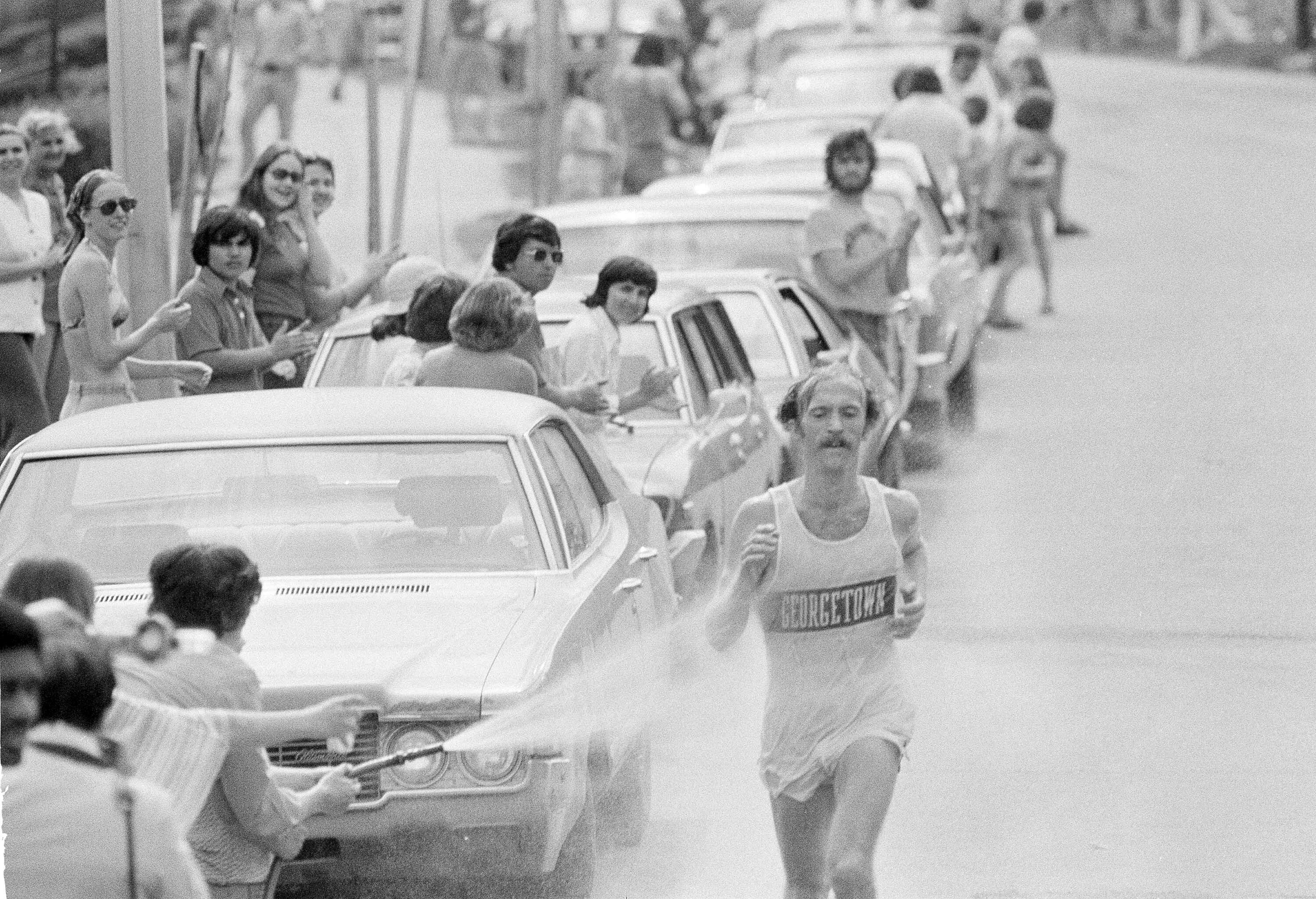
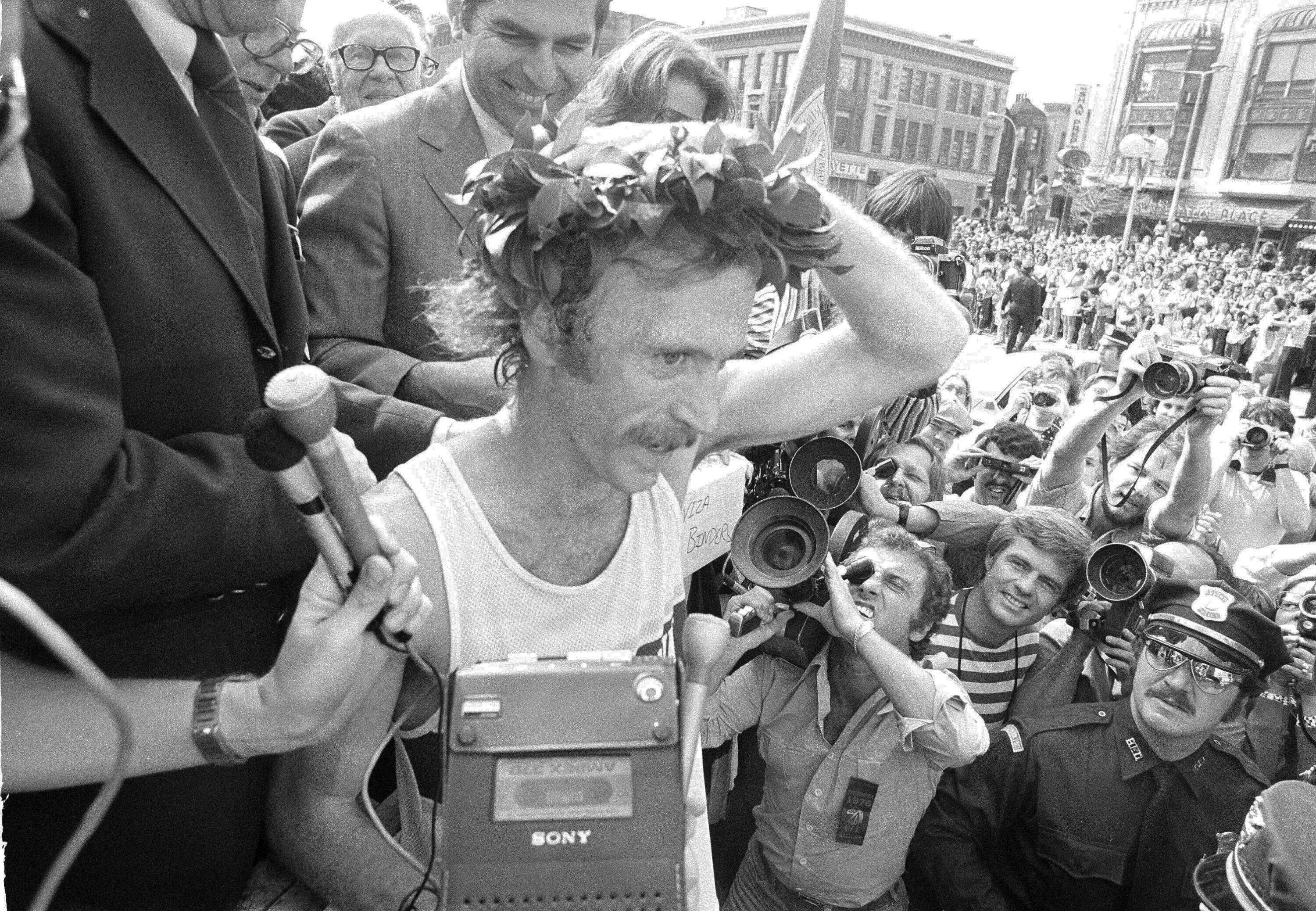
Jack Fultz didn’t show up to the 1976 Boston Marathon focused on winning. He wanted to qualify for the U.S. Olympic trials that were six weeks away.
“ Interestingly enough, that turned [competitors], in my mind, into my allies. The faster they were going to run, the faster I was likely to run,” he said. “It helped keep me very, very relaxed.”
Fifty years after that race, Fultz will be on the course again as the marathon’s grand marshal. He will ride the path ahead of the runners, leading them ceremonially across the finish line. He also served as grand marshal in 2006.
In recent years, four-time champion Bill Rodgers and first official wheelchair athlete Bob Hall; former New England Patriots player Rob Gronkowski; and former Boston Red Sox player David Ortiz held the honor.
On Fultz's winning race day, temperatures at the starting line in Hopkinton were nearing 100 degrees. The race became known as “the Run for the Hoses.”
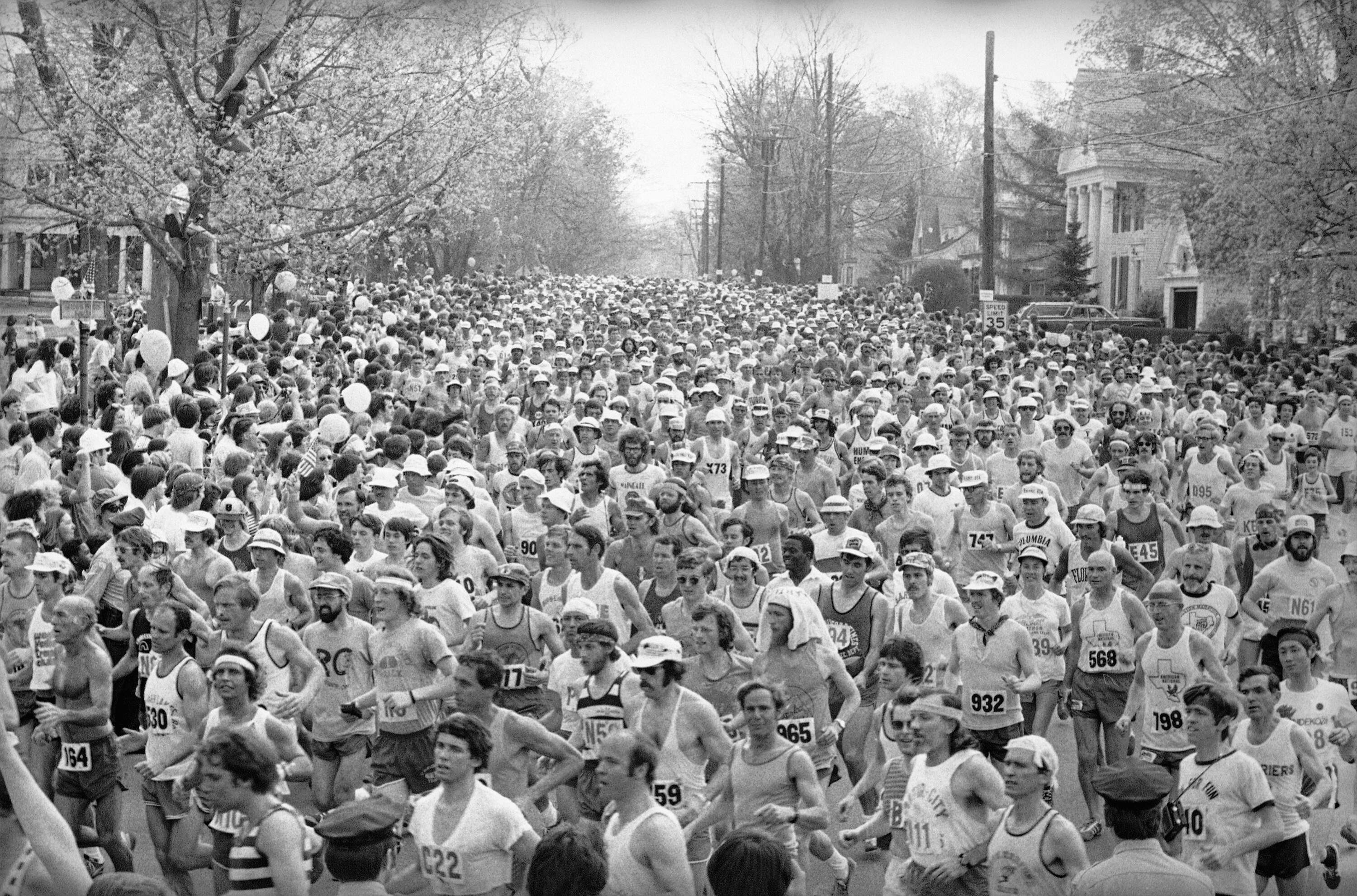
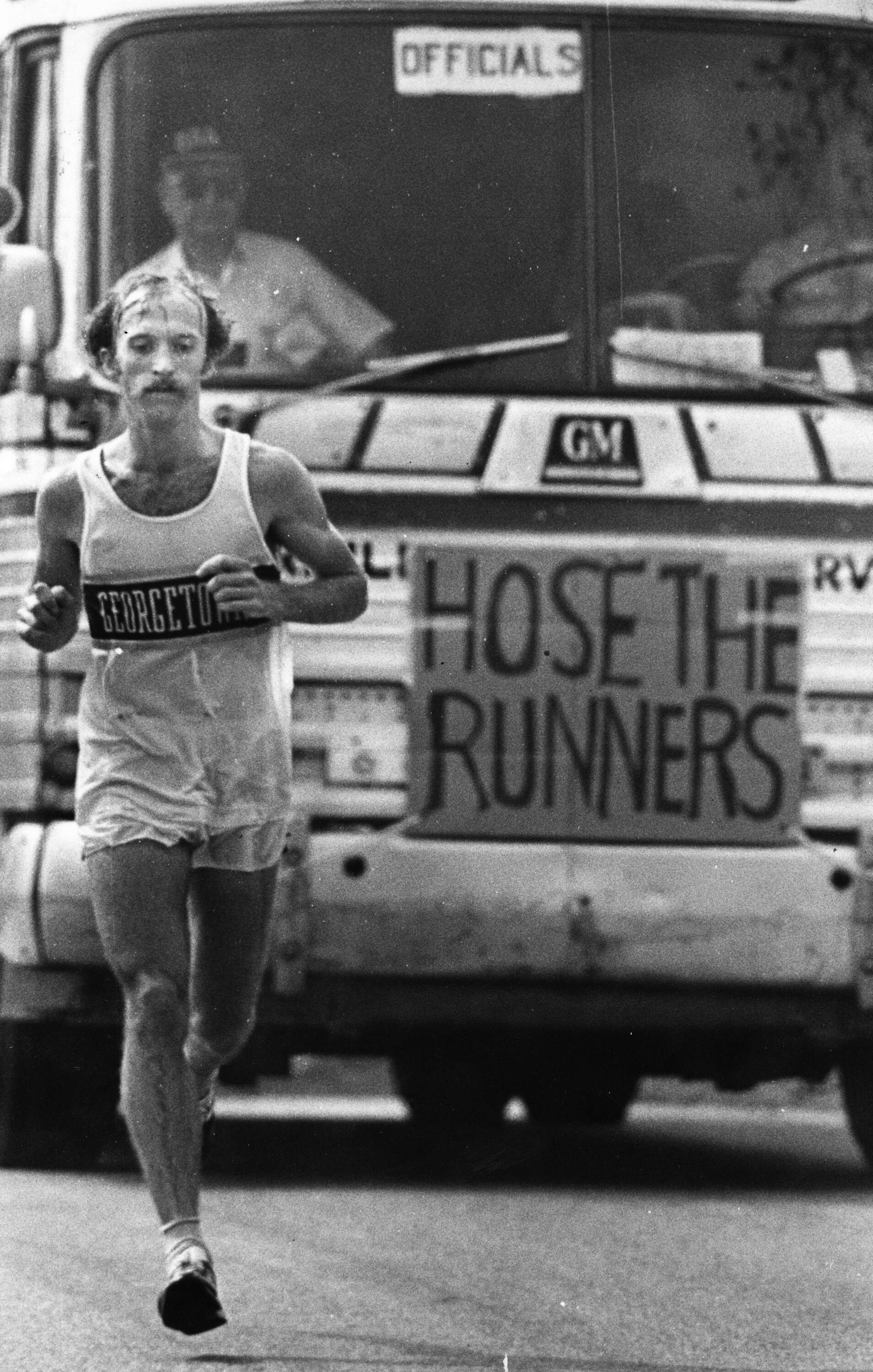
“ I jokingly say I may have run closer to 27 miles, zipping into people's front yards to run underneath the garden hose,” Fultz said. “I stayed as wet as I could to stay as cool as I possibly could.”
Before the race went professional in 1986, he said there were no official water stations and no cash prizes. After he won, Fultz got an olive wreath, a medal and “all the beef stew [he] wanted,” he recalled.
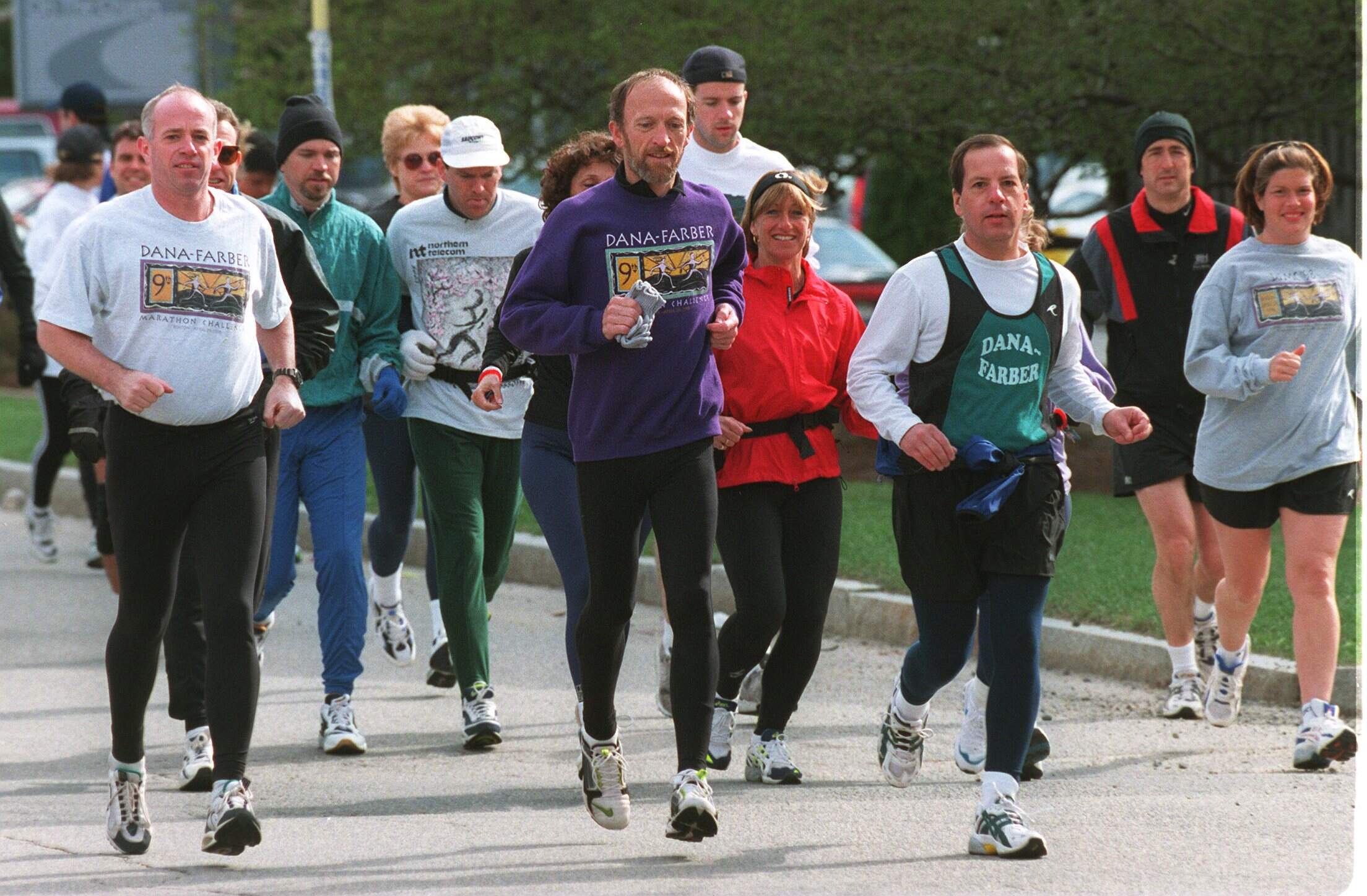
This year is Fultz’s 37th year as a coach for Dana-Farber Cancer Institute’s Marathon Challenge team. It’s a position he’s incredibly proud of.
“ We can't draw a direct line between training through cold winter mornings to saving lives, but it is in fact happening,” said Fultz.
Dana-Farber’s Marathon Challenge has raised more than $140 million since 1990 for cancer research, and the 2026 team is looking to raise $8.75 million.
Fultz, who also taught sports psychology at Tufts University for decades, likes to borrow words of wisdom from baseball legend Yogi Berra when coaching his runners: “90% of this game is mental. The other half is physical.”
He said he encourages his runners to “stay focused on the process by which and not the outcome they seek.”
His number one piece of advice for Boston Marathon runners: Go out slow. He says the race's downhill start tempts way too many runners to start out too fast.
“For the first 10 miles at least, maybe more, if you don't feel like you're running too slow, you're running too fast,” said Fultz.
Most importantly, he said, have fun, enjoy the whole thing and, especially for those running for charity, remember your “why.” “That will embolden your stride.”
This segment aired on April 17, 2026.