Support WBUR
Essay
The more I talk about gun violence, the less I have to say
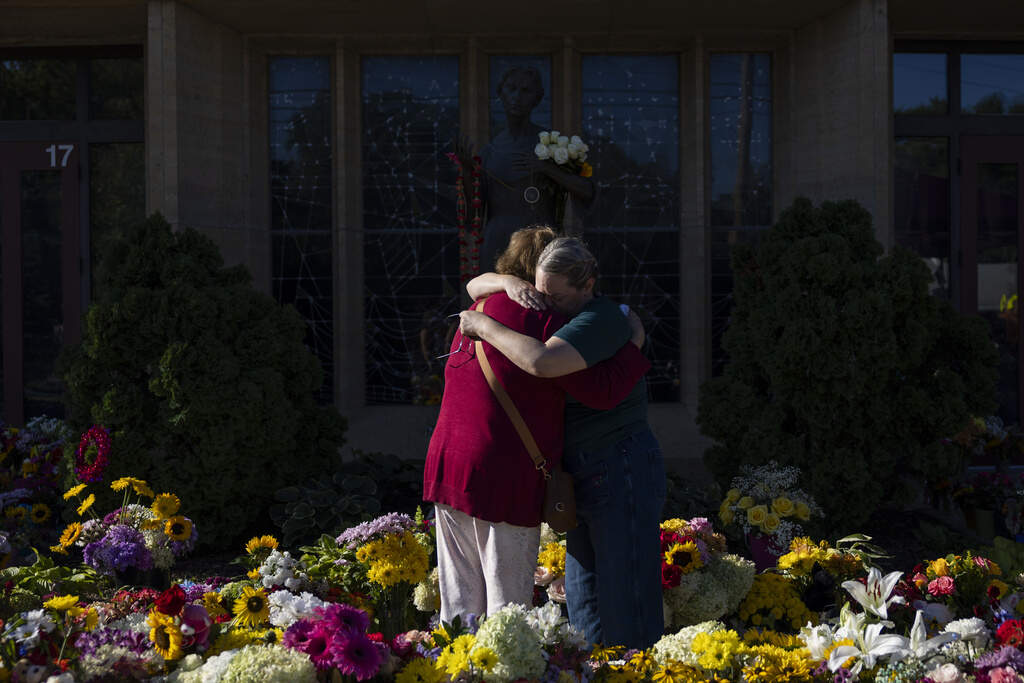
My phone buzzed late in the afternoon on December 14, 2012, with a familiar number for a producer from Boston 25 News. I answered the call expecting a request to talk about a timely holiday topic, such as how to handle kids’ tantrums when visiting the in-laws. Instead, the producer made a request I could barely understand. She was sobbing.
“They’ve killed children. Little children,” she said.
It had happened in Sandy Hook Elementary School in Newtown, Connecticut, and as she talked through her tears, I got online to look at what she was talking about. The story was still emerging and completely unimaginable.
“Would you be able to come on live tonight at 6?” she asked. “ People are frightened, and it would help them to hear your perspective as a child psychologist. You’ll be able to calm them down.”

I was not an expert in school shootings. Few people were back then. But I did know how to comfort and advise parents after trauma. So I offered some advice.
“Put it into perspective: school shootings are rare.”
“Kids want to know they are safe and the people they love are safe. Reassure them”
“Let your children know that the adults in their world are doing everything they can to keep this from ever happening again.”
“Keep to your routines. Routine is comforting.”
“Answer their questions in an age-appropriate way.”
“Make sure you’re taking care of yourself, too.”
I felt I’d done some good that night.
But after that, the media requests kept coming. There were other school shootings — in Nasvhille, Tennesse, and Uvalde, Texas. And there were shootings that didn’t happen at schools. A music festival in Las Vegas. A nightclub in Orlando. A movie theater in Colorado. The church in Texas. Or was it South Carolina? Maybe both.
Over the last few weeks, there were three more requests — one to speak about a shooting at a Catholic School in Minneapolis, another in Colorado, and — the most recent one — to talk about how to understand our feelings about the murder of Charlie Kirk.
I’m starting to feel at a loss for words because my subject matter expertise and the words I’ve used — the old standby lines — aren’t adequate anymore. These last few weeks have left me speechless.
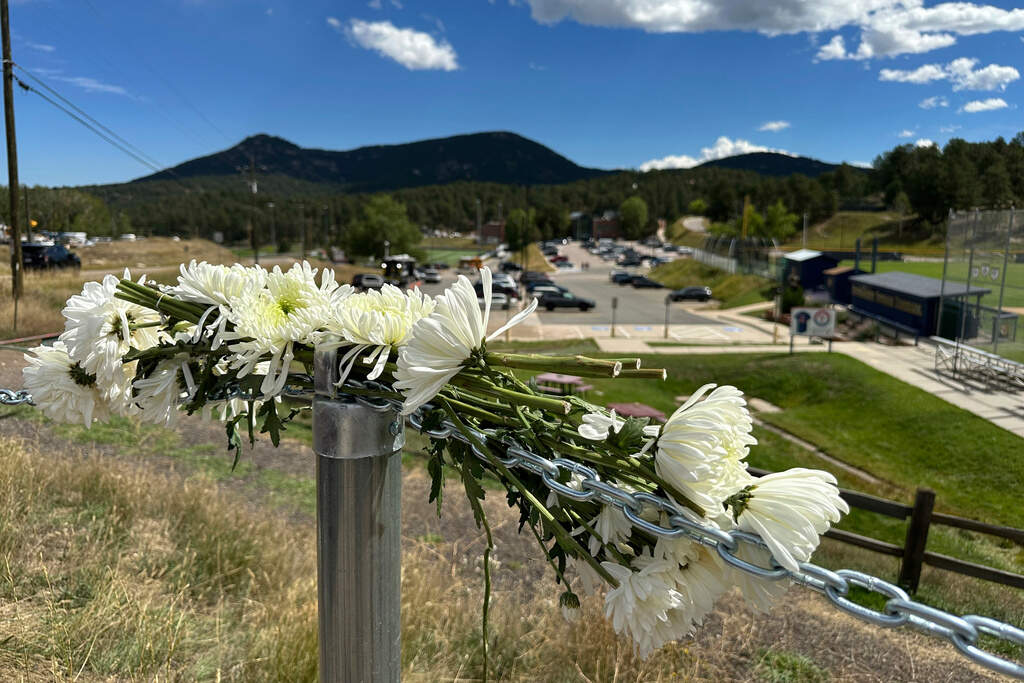
School shootings, while still statistically rare, are increasing. The average yearly rate of school shootings in the US has increased from 19 per 100,000 students in 1999-2004 to 51 per 100,000 students in 2020-2024. I’ve continued to emphasize the “rare” part, along with the fact that the intense media coverage of school shootings creates a perception of a higher frequency than actually exists. But I leave out the part where the psychological impact of school shooter drills makes every child more aware of the danger. The part where gun-related injuries are the leading cause of death among children ages 1 to 17. And the reality is that if you have a child between the ages of 1 and 19 years, if they lose their life this year, it will most likely be because of a gunshot.
I’ve had to let go of some of the other reassurances, too, especially the one about adults doing everything they can to keep kids safe. We haven’t. We don’t. Whether through our lack of will to elect candidates who will champion gun control or a puzzling deference to a strict interpretation of the Second Amendment, we haven’t protected kids from increased school shootings.
Many people have said that we should treat gun violence as a mental health issue. But the vast majority of school shooters are not mentally ill. Only about 25% of mass shootings are associated with non-psychotic psychiatric or neurological illnesses (depression, for example) with another approximately 5% related to severe mental illness. Depressed people often don’t have the energy to commit violent crimes, and psychotic people usually have trouble executing an elaborate plan. It’s angry people who kill, particularly angry men with access to firearms.
Regardless, if we take the premise that society should treat gun violence as a psychologist would, then the problem is an easier fix than you might expect: We simply take away the guns.
When I have a potentially violent patient in my office, the first thing I do is to make sure they don’t have access to firearms, knives, pills or a car in an airtight garage. I confirm that they don’t have plans to hurt themselves or anyone else. Unfortunately, the first step in mental health treatment — the step where we discuss violence and the patient’s access to weapons — is the one that is lacking in many states.
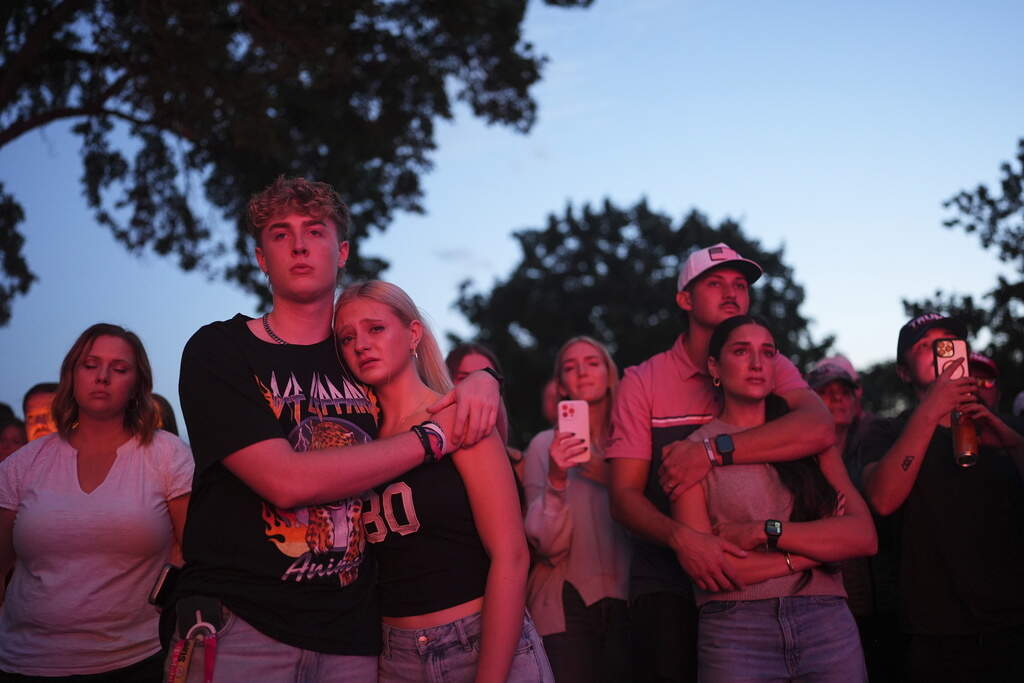
During this impossible time, I’ve found myself drawn to less empirically driven advice and more existential concepts. How do we find meaning in life when it seems so uncertain? When we can’t control the rules, how do we create and live by our own values?
We’re not powerless. We can vote. We can demand gun control, like we demanded civil rights. It won’t be easy or quick. But we can pick this issue and vote exclusively on it.
We can be a source of stability. That’s the number-one suggestion I make to parents, but it applies to all of us. Do the things that help you feel stable – the old standbys like exercise, sleep and spending time with loved ones – and the world will seem, well, more stable.
We can’t live as if each day could be our last. That level of intensity is not sustainable. A life where we are constantly thinking this could be the last time we do something we love with someone we love is a hellish existence. Instead, we need to live life as if each day is our first.
Hug our children and partners as if we are seeing them anew. Ask the person you’ve admired for the date. Get a dog. Or a cat. Make the world a better place by being kind, even when kindness is hard. Find the words that represent your experience and speak them.
I’ve learned that when the old words no longer work, the answer isn’t to give up. Or stop speaking. Or reflexively scream at the opposition. The answer is to make the language about these issues a reflection of us — our fears, our priorities, our politics and our hopes — in a way that might shape the future. I’ll keep trying.