Support WBUR
Essay
I gave my stepmother a hard time as a kid. Now I can’t imagine life without her
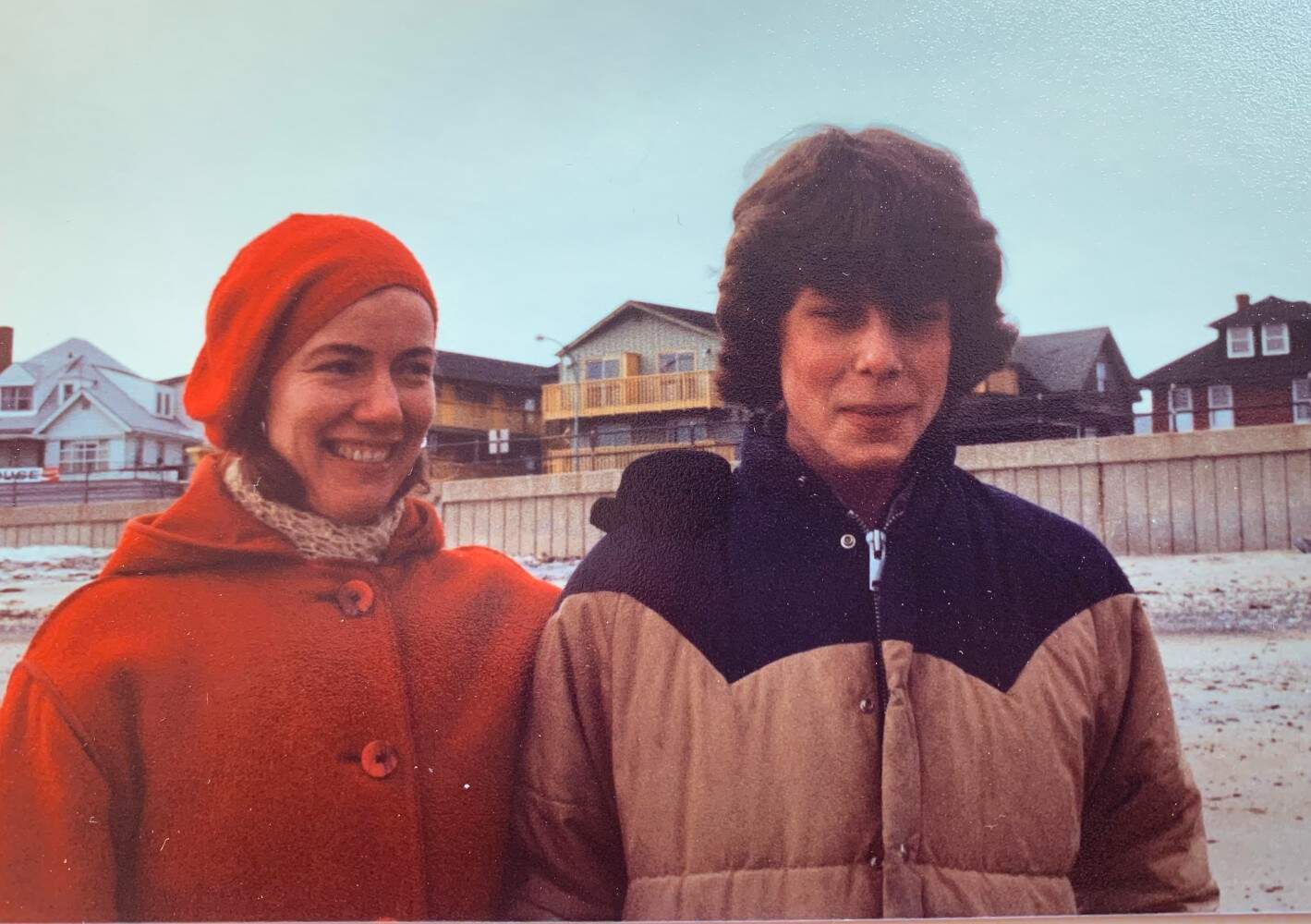
I have never envied my stepmother, Susan.
She began as the interloper, "the other woman,” the one fused to my family’s original wound. In the early 1970s, my father separated from my mother — and left me and my two siblings — to be with Susan. Mom got full-time custody of us kids, and Dad eventually moved to Canada, a day’s drive away. My siblings and I were all under the age of 8.
On their visits, Dad and Susan would arrive in their burgundy Chevy van outfitted with a giant bed and Aztec-themed mirrored decals. They’d take us on camping trips or to cheap beach motel weekends in New Hampshire, or during longer visits, to their funky apartment in Montreal. More confused by Susan than upset, I kept my distance, flinching when she tucked me in and kissed me goodnight.
Stepmothers everywhere have a tough part to play, and a deep hole to fill. The associations of the word “stepmother” are steeped in etymology, fable and pop culture. “Step” has Old English and Proto-Germanic roots that connote something “truncated, cut short, cut off, deprived” — specifically being deprived of a parent by death — as well as bereavement and loss. The word also speaks to being “pushed out” and — most curiously— to a partial or quasi-state, a simulation. Stepmothers gained more nefarious undertones thanks to their bad rap as “evil” in Grimms' Fairy Tales and Disney cartoons.
I don’t believe Susan, as a young woman in her mid-20s, fully understood what she'd agreed to, hooking up with a Grizzly Adams goofball, nine years her senior, and his trio of raised-by-wolves, latchkey kids.
Not only was Susan miscast in the mother role, but Mom wouldn’t even allow her in the house, or anywhere near it. Dad would drop Susan off at a local diner called Harley’s at the Lee Traffic Circle — stepmother purgatory — pick us up, then head back to Harley’s to get Susan.
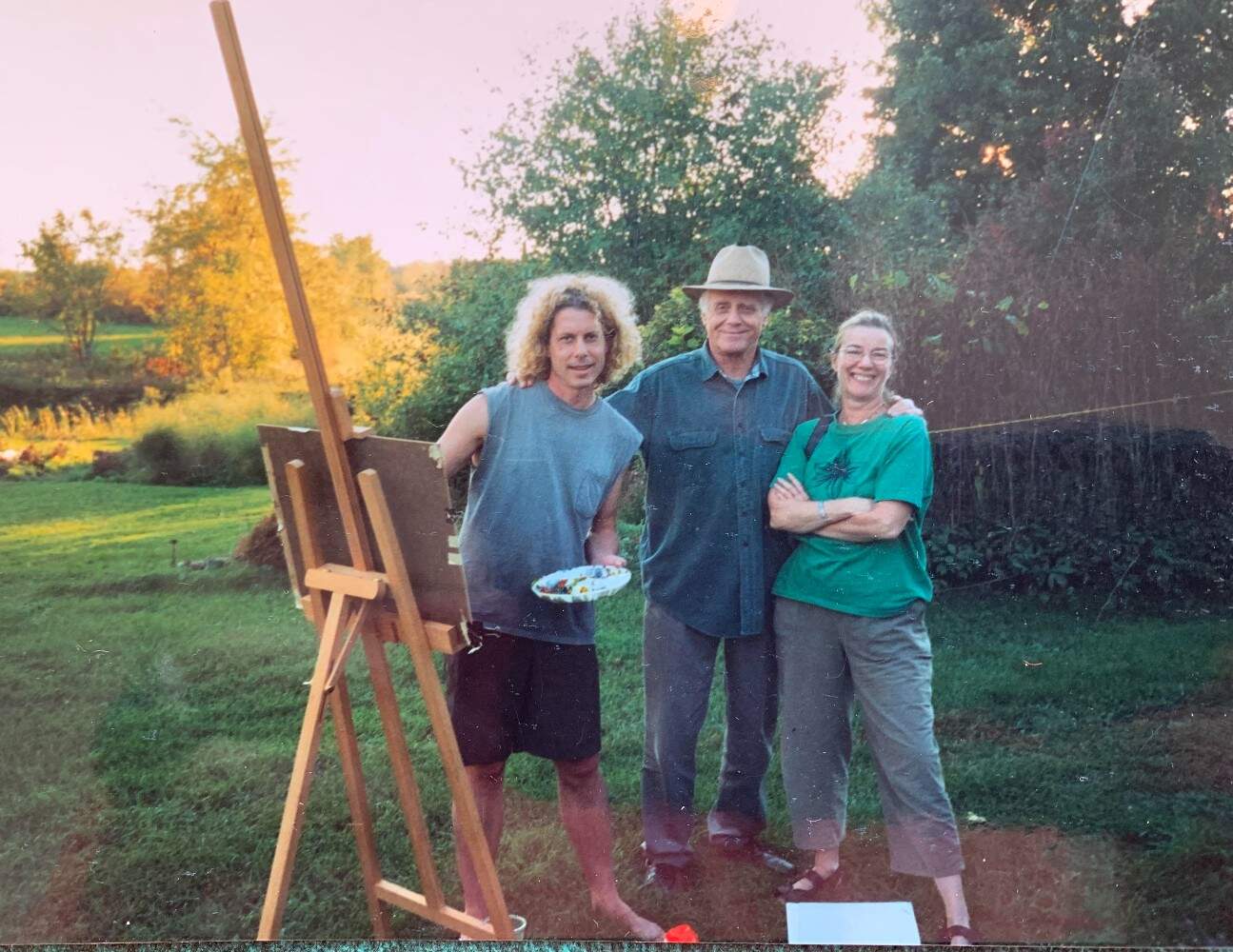
Susan’s first big test, and certainly our first test as a divorced family, came when I was 11. The agreement: Mom would enroll full-time at Harvard to get her graduate degree, and the kids would move to the Montreal suburbs for the school year. I was terrified to leave my small hamlet, and resistant to this other mother who had ascended the maternal throne. I shored up my emotional carapace. We were preteens, angsty about being away from home and Mom, and we acted out our unhappiness. Susan made us eat terrible things like falafel, aka “camel balls.” We made Susan fairly miserable.
Even after my mother suffered a catastrophic brain injury that same year, which forever altered her ability to parent me, the familial gash I’d endured made me wary of accepting Susan. I already had a mom, even if she was broken. I didn't need a surrogate, thank you very much.
My mother passed away 19 years after her injury. (Another mother figure, a family friend who had served as caregiver for my mom, my siblings and me during high school, also faded from my life as I entered adulthood.) To say a swathe of parental abandonment runs through my spinal cord would be a colossal understatement.
In my early adulthood, Susan mostly played second fiddle to my father’s lead guitar, sitting by the sidelines as Dad kept in touch, arranged visits, advised and sometimes pontificated in his awkward way. (His famous words upon meeting my future wife were: “Ethan, don’t f--- it up!”) Susan worked behind the scenes as the welcomer, making beds and meals, planning trips to see me wherever I had wandered, whether to Paris or Somerville. When they’d send birthday cards or postcards from their travels, Dad’s note always dominated the top, leaving very little space for Susan to scribble a few words at the bottom.
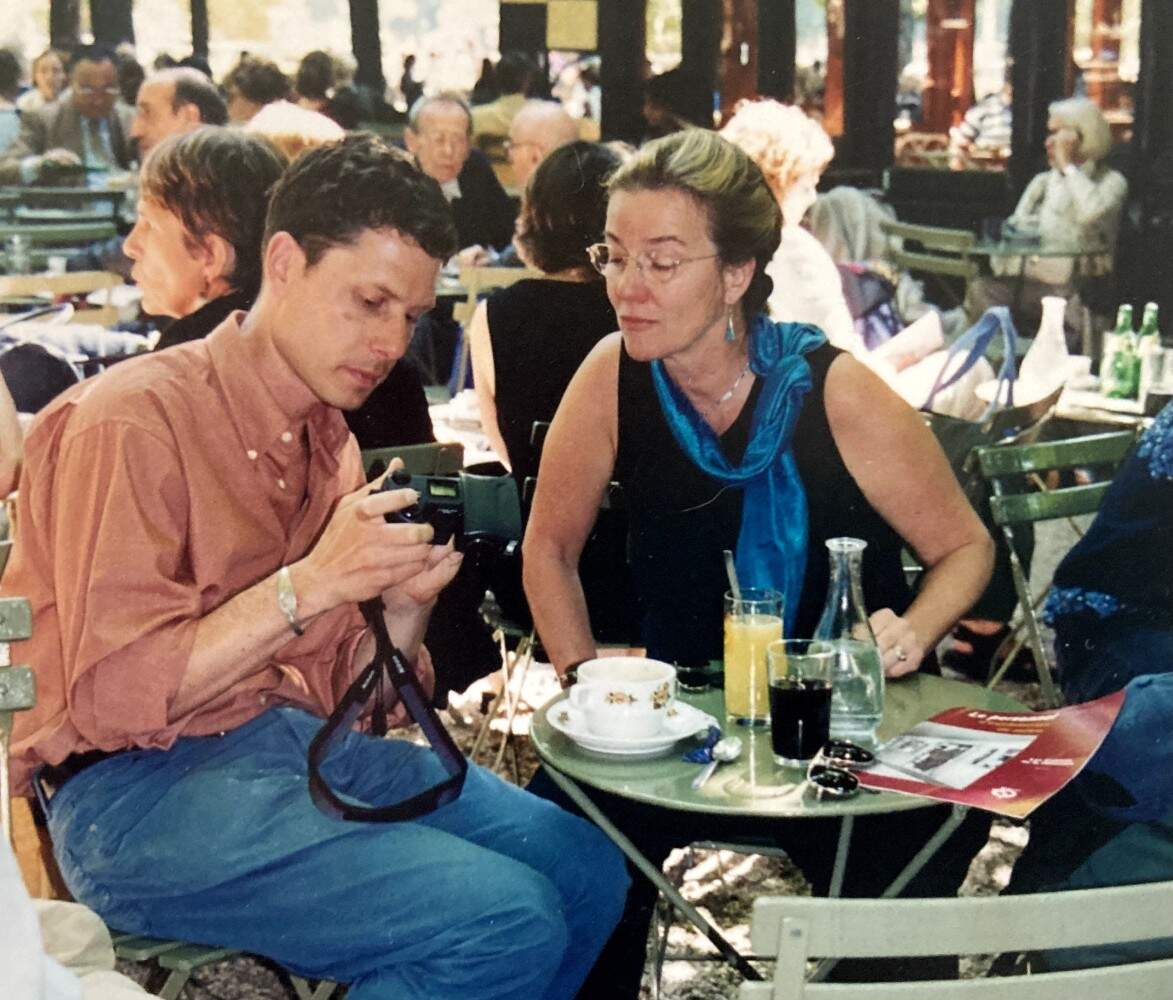
Yet sometimes, those who wait in the wings as an understudy step into the lead role with grace and shine through. Although it has taken decades for me to realize this — my 30s, 40s and most of my 50s — Susan never went anywhere. As other maternal and paternal figures disappeared, Susan endured.
The shrapnel of the original injury may remain buried in our family, but as the years between 6-year-old and 59-year-old Ethan expanded, so did my heart. Susan’s notes (and emails) grew longer. Now, my father is 88. As his tireless and patient companion, Susan — aka Suzie Q — is the one who usually reaches out, not him. She offers a kind ear, listens without judgment, and offers measured counsel, without making any demands.
My parents still live in Montreal, and I still live 350 miles away, half of that geographical, half of that psychic. But texting and FaceTime help bridge the divide. Susan and I share our daily Wordle scores, our love for good coffee, and our ongoing creative projects. (She is an accomplished painter.) I try to make her laugh about the absurdities of aging, caregiving, the world’s traumas and follies. On my most recent visit, we giggled over Monty Python’s “The Dead Parrot Sketch” and Stringband’s feminist anthem "Show Us The Length." I cooked a meal for them, using Susan’s family’s cast iron skillet that’s encrusted with 100 years of family memory and flavor. That Susan seasoning is in me now.
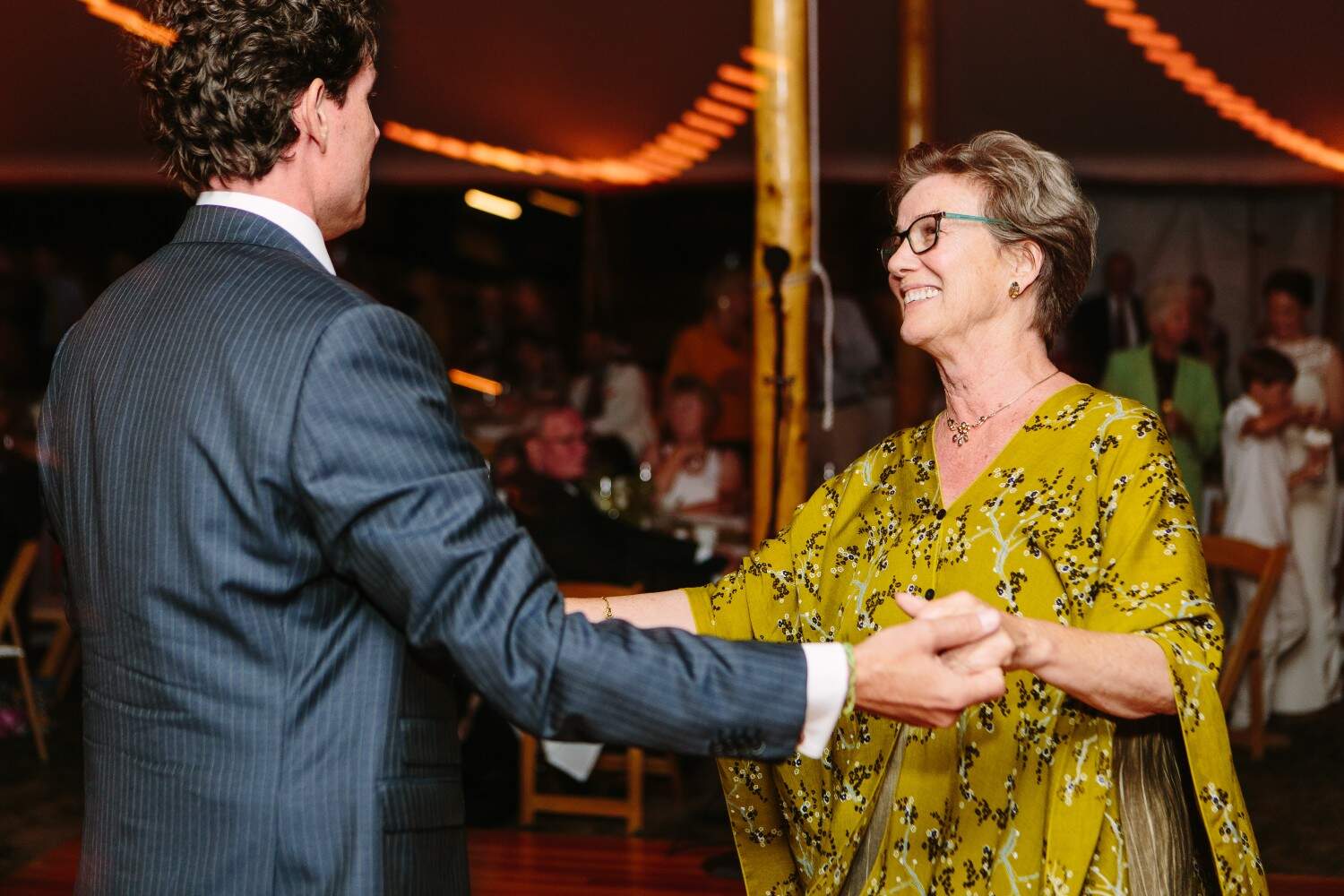
Susan and I are 20 years apart in age. This year, as milestone birthdays loom for both of us, I think of the phrase “stepmother” differently — as in, stepping in, stepping up, keeping step. Stepmothering is not an easy job in my family, especially when navigating the landmines in her path. I’m glad she braves it.
Susan is still here, more than half a century later — the matriarch, the last mother standing, but also my trusted friend. We joke about her being the “evil stepmonster.” I don’t flinch from her bedtime kisses anymore. I let her arms embrace me. It’s easy to say, “I love you.”
Happy Mother’s Day to Susan, and to all the stepmothers.