Support WBUR
Essay
Activism is an essential part of mothering
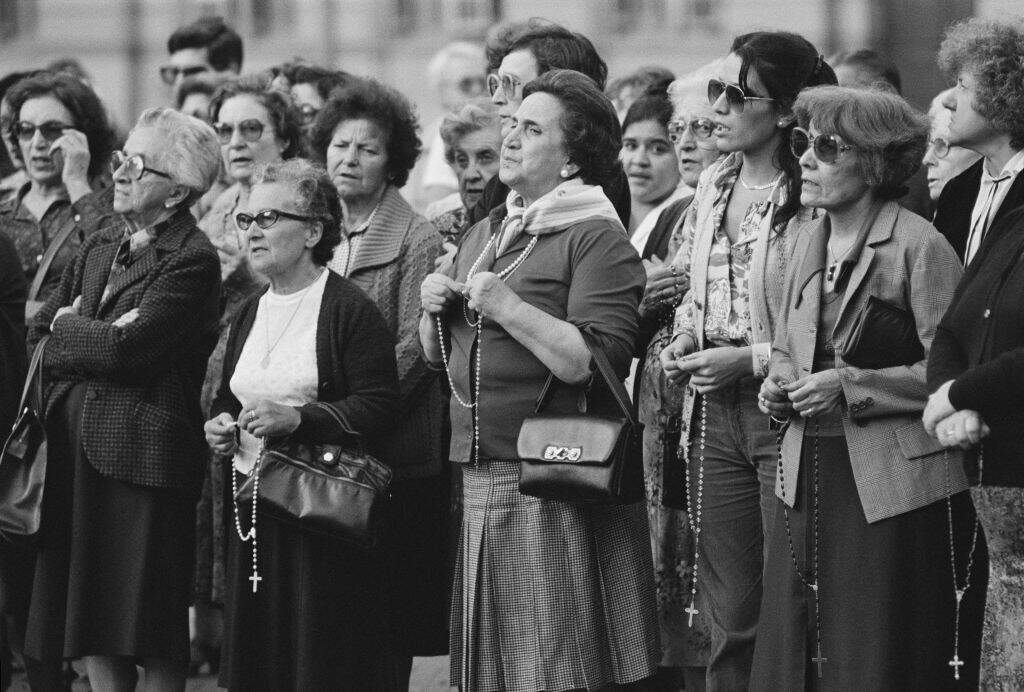
In South Africa in the 1950s and ‘60s, my maternal grandmother was a member of the anti-apartheid activist group the Black Sash. Members, mostly liberal white women, would stand in silence on busy roads, holding signs that said things like “Free the Press to Tell the Truth” and “Let’s Learn from History.” After Nelson Mandela was released from prison in 1990, he called the group “the conscience of white South Africa during the apartheid era.”
Members of the Black Sash were sometimes jailed, and my grandmother was on the radar of the security police. She was a single parent with three children under 13; her husband, my grandfather, died when my mother was 12 years old. Who would care for her children, my grandmother wondered, if she was arrested? That concern led her to stop attending public protests, but she remained involved in behind-the-scenes resistance.
My grandmother stayed in South Africa, but my parents emigrated, first to England, where I was born, and then to the U.S., where we later became naturalized citizens. I still have the alien citizen card I was given when we arrived in Boston. As a white, English-speaking immigrant born in the UK, I am not among those marginalized by the Trump administration’s efforts to broadly intimidate immigrants. I am, however, a writer who is publicly critical of the administration’s policies. And I have a Latina daughter. She is descended, on her father’s side, from Colombian immigrants, and she speaks Spanish when she’s with them. I worry about her safety.
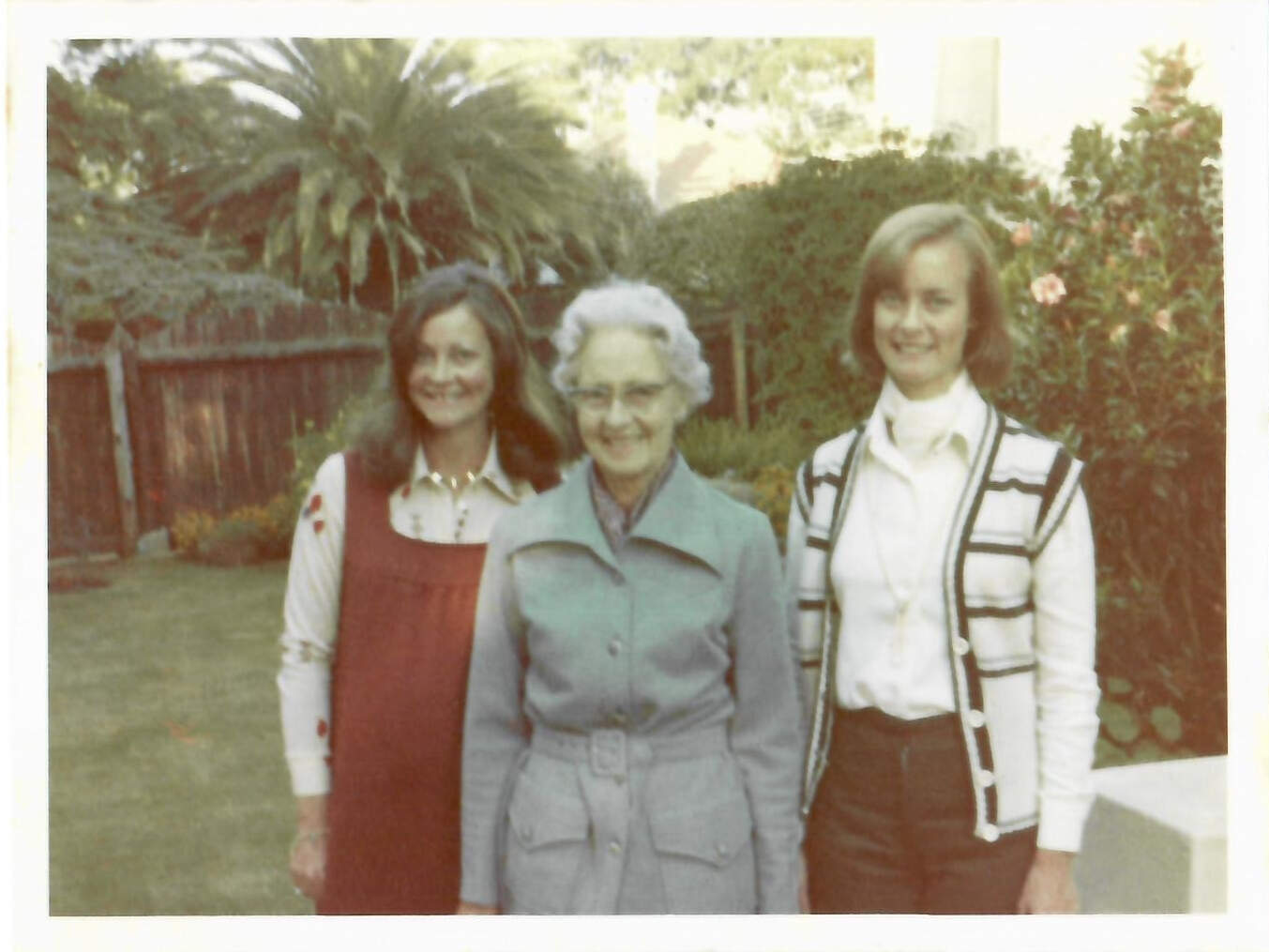
A mother’s greatest responsibility, we are told, is to her children, and that responsibility precludes other passions. Motherhood is often portrayed as a limiting category of identity, separate from intellectualism, artistry and political activism.
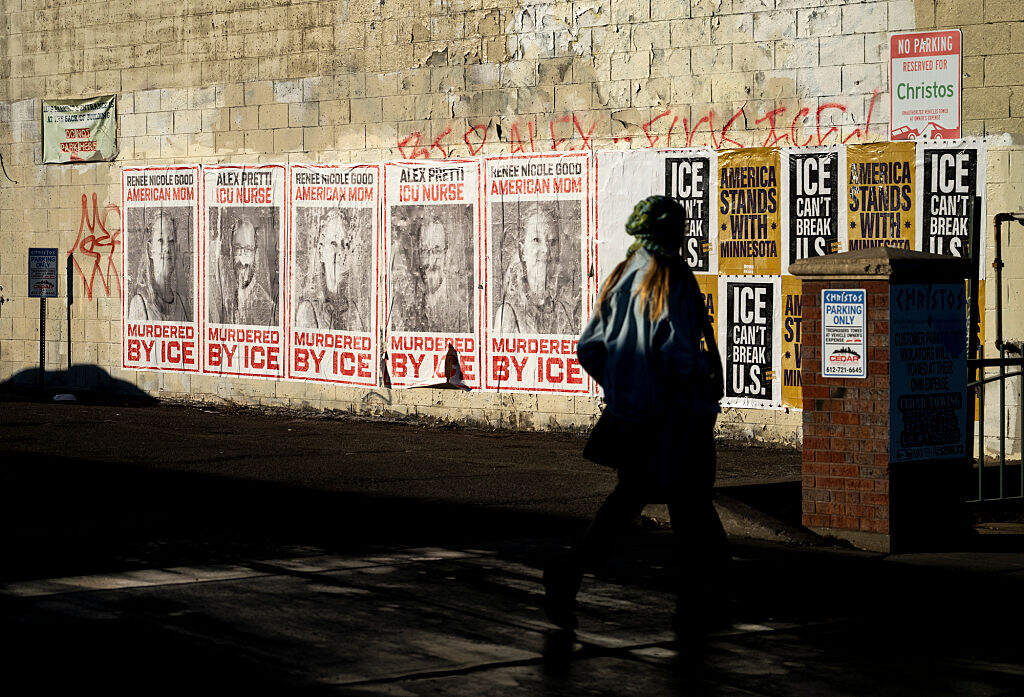
Last winter, after Renee Good was shot by ICE agents in Minneapolis, many on both sides of the political spectrum reflected on her role as a mother, which they defined in highly restrictive terms. The MAGA right accused Good of being a neglectful, selfish mother who had no business attending a protest. In a press conference two days after Good’s killing, J.D. Vance asked, “What young mother shows up and decides she’s going to throw her car in front of ICE officers enforcing legitimate laws?” Posts on X, typical of the discourse following Good’s death, included comments such as “Why was a single mother out in the middle of the afternoon, looking for conflict?” and “Where was the instinct to protect that child?”
On the left, however, Good’s identity as a mother was used to disqualify her as an activist. Occupy Democrats referenced Good’s family and her identity as a mother five times in a single short Facebook post, which also included the line “Renee was not a threat.” CNN ran a story with the headline “Mother of 3 who loved to sing and write poetry shot and killed by ICE in Minneapolis.” The article quoted a neighbor as saying that Good was “[n]ot an extremist” but rather “just a mom who loved her kids.”
Motherhood and activism, however, are not mutually exclusive. Rather, they are categories of identity that inform each other. At home, mothers are often disproportionately responsible for the cognitive labor that keeps households running. The ability to anticipate, plan and delegate is a skill easily transferable to community organizing.
Mothers are often disproportionately responsible for the cognitive labor that keeps households running. The ability to anticipate, plan and delegate is a skill easily transferable to community organizing.
Activists and mothers tend to be deeply tied to their communities; they are future-focused and often effective organizers. Many reports from Minneapolis described “the mom network” that helped organize and care for protestors. Weeks after Good’s death, Vogue reported on mothers who were using group chats as a political tool. I talked to Minneapolis resident Vikki Reich, who helped feed families through mutual aid networks. She told me that mothers represented a high percentage of activists in the Twin Cities and a high percentage in the households receiving aid. Reich recalls powerful “mother-to-mother” experiences and the solidarity she felt dropping off birthday cakes and quinceañera decorations for families who could not safely leave their homes. Mothers in Minneapolis, Reich told me, arranged transportation for schoolchildren, showed up as protectors, and dropped off cash donations so families could pay rent during Operation Metro Surge.
Women have long been key figures in civil rights movements in the U.S. Women of the Black Panthers, for example, prepared and distributed food — an essential task. NYU professor Suzanne Cope, in her book about these women, observes that labor traditionally viewed as the work of women was at once central and devalued by activist movements. Much of the labor of activism, like the work of motherhood, is invisible and unglamorous. But movements do not succeed without this labor.
History offers many other examples of the intersections between care work and activism. In Argentina, the Mothers of Plaza de Mayo held weekly demonstrations outside the presidential palace to demand the safe return of their children, who had been disappeared by the country’s brutal military dictatorship. Members of the group, who practiced nonviolent resistance, were directly impacted by the agony of uncertainty the junta inflicted on the country, and they channeled that pain into a highly visible force of resistance.
I grew up with stories of political oppression. During the 1976 Soweto Uprising, my father worked at the hospital that received the body of Hector Pieterson — the 12-year-old shot dead when the police opened fire on protesting schoolchildren. The children were protesting the imposition of Afrikaans in schools. The state-controlled media did not accurately report on protests, and the government kept records of everyone who had participated in a demonstration. My family left the country the following year. My mother was pregnant with me when they packed their bags.
We are all now living through an era when the U.S. government is targeting immigrants. In South Africa, my grandmother must have thought constantly about how the policies of the apartheid government would shape the lives of her children. Her resistance to the regime, then, was inseparable from her role as a mother. As a mother myself, I am of course concerned about the world my child will inherit. I sometimes worry that my criticisms of the government might affect my daughter.
My child’s future, however, is not separate from the future of her community; just as motherhood is not separate from activism. My activism is an essential part of my mothering.