Support WBUR
Commentary
The Department of the Interior canceled 4 wind farm leases. The particulars are problematic
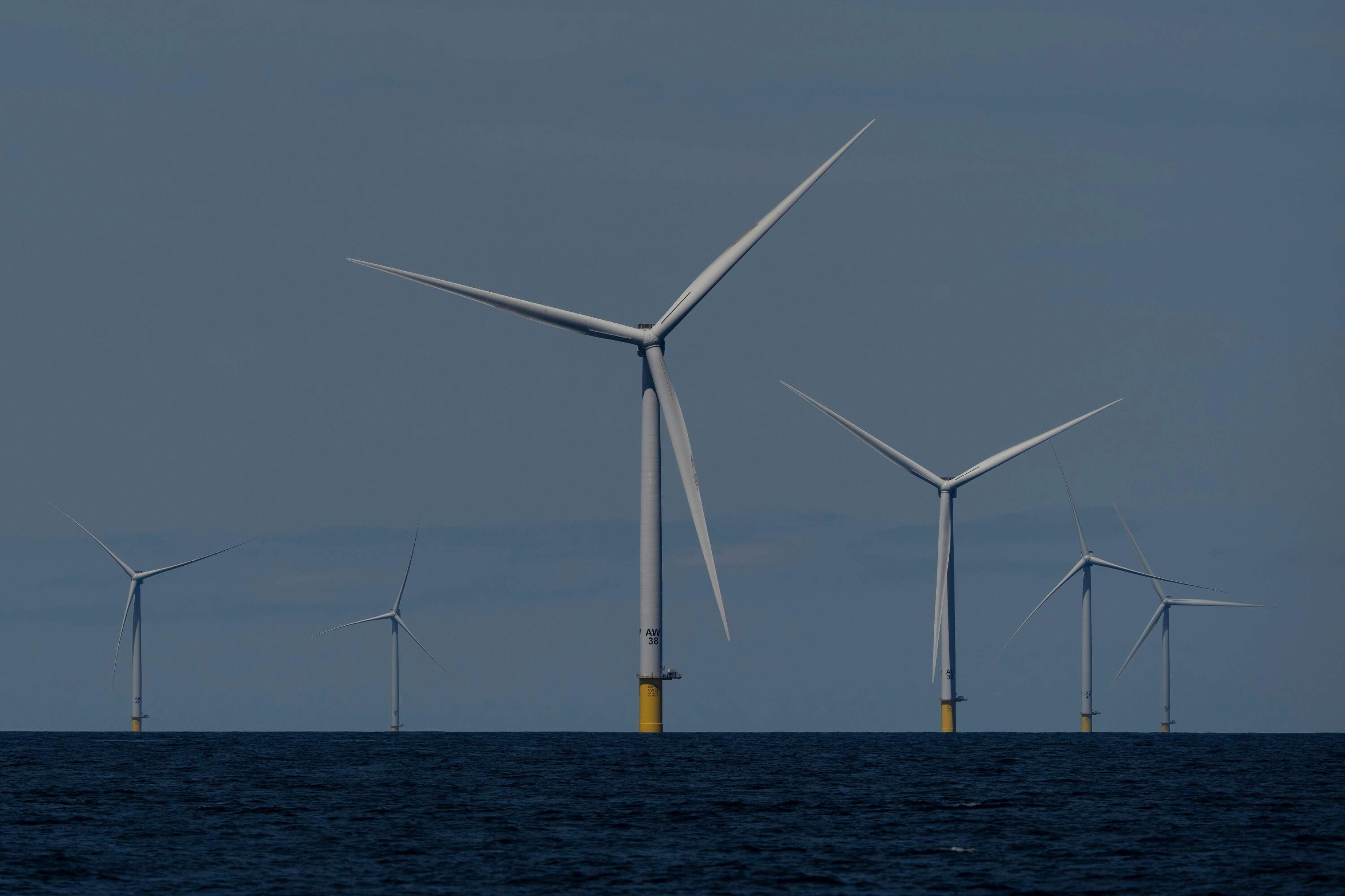
Sweeping aside more than a decade of diligent legislative and administrative efforts by coastal states to establish offshore wind markets, the Department of the Interior (DOI), through closed-door negotiations, canceled the leases for four large wind farms this spring. The Trump administration agreed to reimburse the developers billions in taxpayer money and represented the deals as reinvestments in fossil fuels.
The administration has the authority to change energy policy, but the manner in which it exercises that authority matters. From New England to the Mid-Atlantic — and, more recently, the West Coast — states have labored for years to develop offshore wind markets, respecting transparency, accountability and federal administrative requirements. In sharp contrast, the administration's abrupt settlements with the wind developers fall far short of democratic standards.
In March, TotalEnergies, a French energy company developing two large wind farms on the East Coast, agreed to the DOI's cancellation of both projects and accepted about $1 billion in compensation. The company also committed to making fossil fuel investments equal to the amount reimbursed.
The proposed wind farms were canceled, and the administration framed the deal as a boost to liquefied natural gas (LNG) facilities in Texas. But this was misleading. When details of the settlement were made public, it became clear that investments TotalEnergies had already made in LNG, which date back to November 2025, would qualify. The agreement did not induce new investment.
With that deal in hand, the government struck similar agreements with two other energy companies that operate offshore wind farms located off the coasts of New Jersey and California.
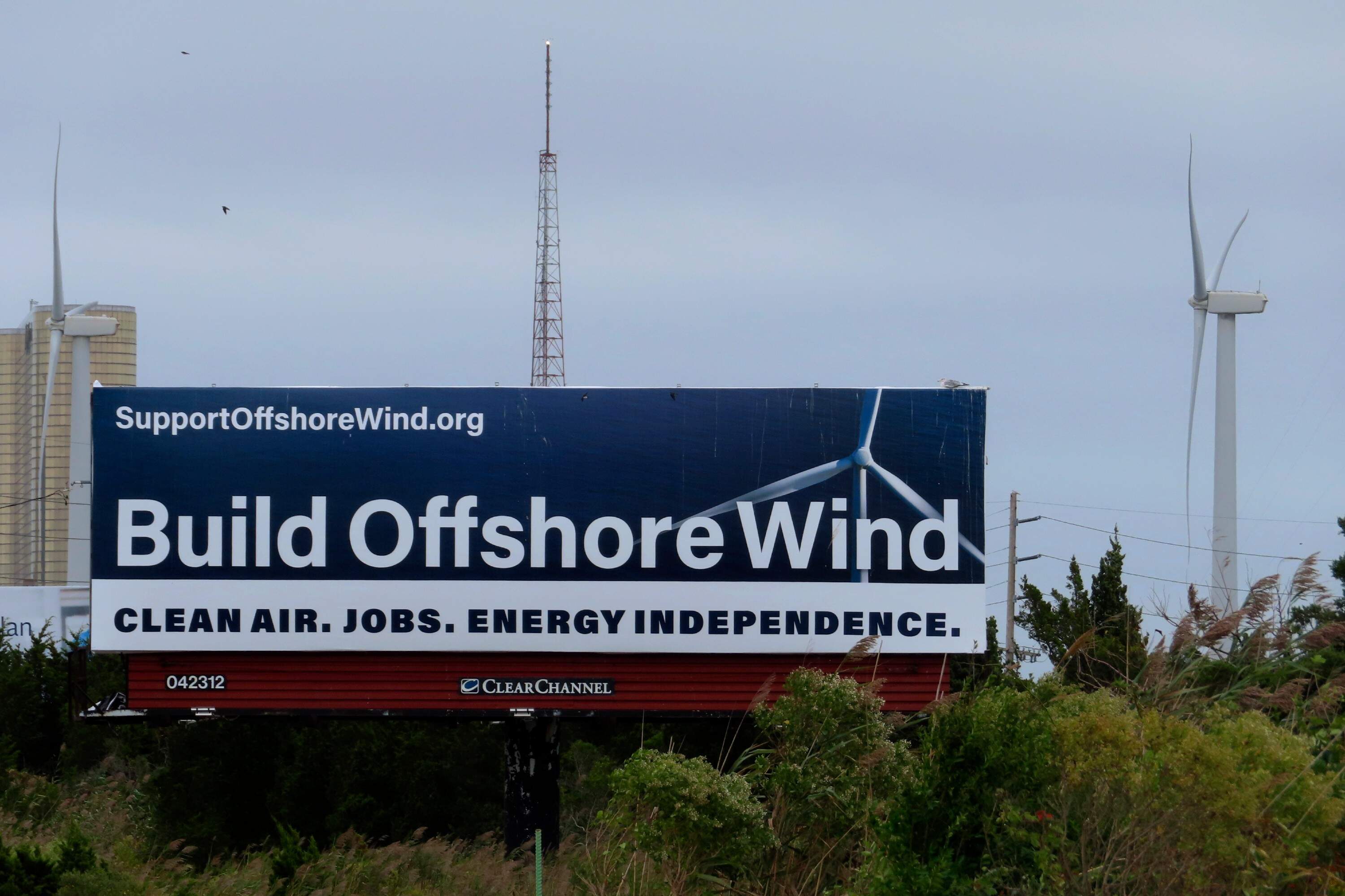
New Jersey, whose waters would have hosted two of the four canceled wind farms, exemplifies a state using its democratic machinery to nurture an offshore wind market. Efforts began in 2010, when the state passed foundational legislation that guaranteed wind developers a market for the electricity they would generate. Over more than a decade, New Jersey officials issued orders, solicited bids, negotiated subsidies, processed environmental permits and built supporting infrastructure.
But immediately upon taking office in 2025, Trump began targeting the offshore wind industry, including Vineyard Wind in Massachusetts. The Environmental Protection Agency and the Department of Transportation mounted regulatory challenges against it, and last December, the DOI issued stop-work orders to five East Coast wind farms on dubious national security grounds. Although the developers, aided by the states, successfully contested these actions in court, DOI press releases made clear that the battle was not over.
Given the adversarial conditions the federal government created, it's understandable that TotalEnergies and the other developers, mindful of shareholders' interests, would accept a settlement as an off-ramp.
Settlements between the government and industry can be a useful tool for implementing industrial policy and avoiding litigation. But past government buyouts were undertaken with public debate, transparency and congressional authorization. The administration's ocean lease buyouts share none of those attributes.
For contrast, consider the federal Fair and Equitable Tobacco Reform Act of 2004, which compensated tobacco producers after the government eliminated a Depression-era price-support system. Stakeholders had input. The law was debated and passed by Congress. Compensation for the producers was paid from a government trust funded by the major tobacco companies.
The wind buyouts were negotiated strictly between the DOI and the wind developers; the states and Congress were not consulted. And the settlement specifies that the payouts are to be funded from the Treasury's Judgment Fund, a fund used to settle lawsuits brought against the government.
The particulars of how the Treasury's Judgment Fund is to be used are problematic. A detailed committee letter dated April 29 to TotalEnergies' CEO from Congressmen Jared Huffman and Jamie Raskin argues that the fund's use was unauthorized because the deal failed to meet the requirements of either a valid settlement, as initially claimed by the DOI, or a lawful refund, the characterization that DOI Secretary Doug Burgum adopted after critics pointed out the defect.
Huffman and Raskin further noted that the rules governing ocean lease cancellation require that the amount the lessee receives not exceed the lease's current fair value. The oversight letter points out that Trump's campaign to kill offshore wind has dramatically lowered the leases' worth to far below what the government agreed to pay — meaning taxpayers substantially overpaid.
Viewed broadly, the lease buyouts are contemptuous of good governance. They rest on a debunked premise of national security risk; they flout the executive branch's own rules for canceling ocean leases; their funding source is arguably unlawful; and they were speciously portrayed to the public not as payouts but as a means to advance the president's fossil fuel agenda.
Whereas the states consistently followed the rule of law, the federal administration was callous in its methods and dismissive of legitimate stakeholders. Our system of government allows the executive branch to change national energy policy. But overturning longstanding state policies demands the same level of accountability and democratic process that the states used to enact them.