Support WBUR
Cog's Weekly Newsletter
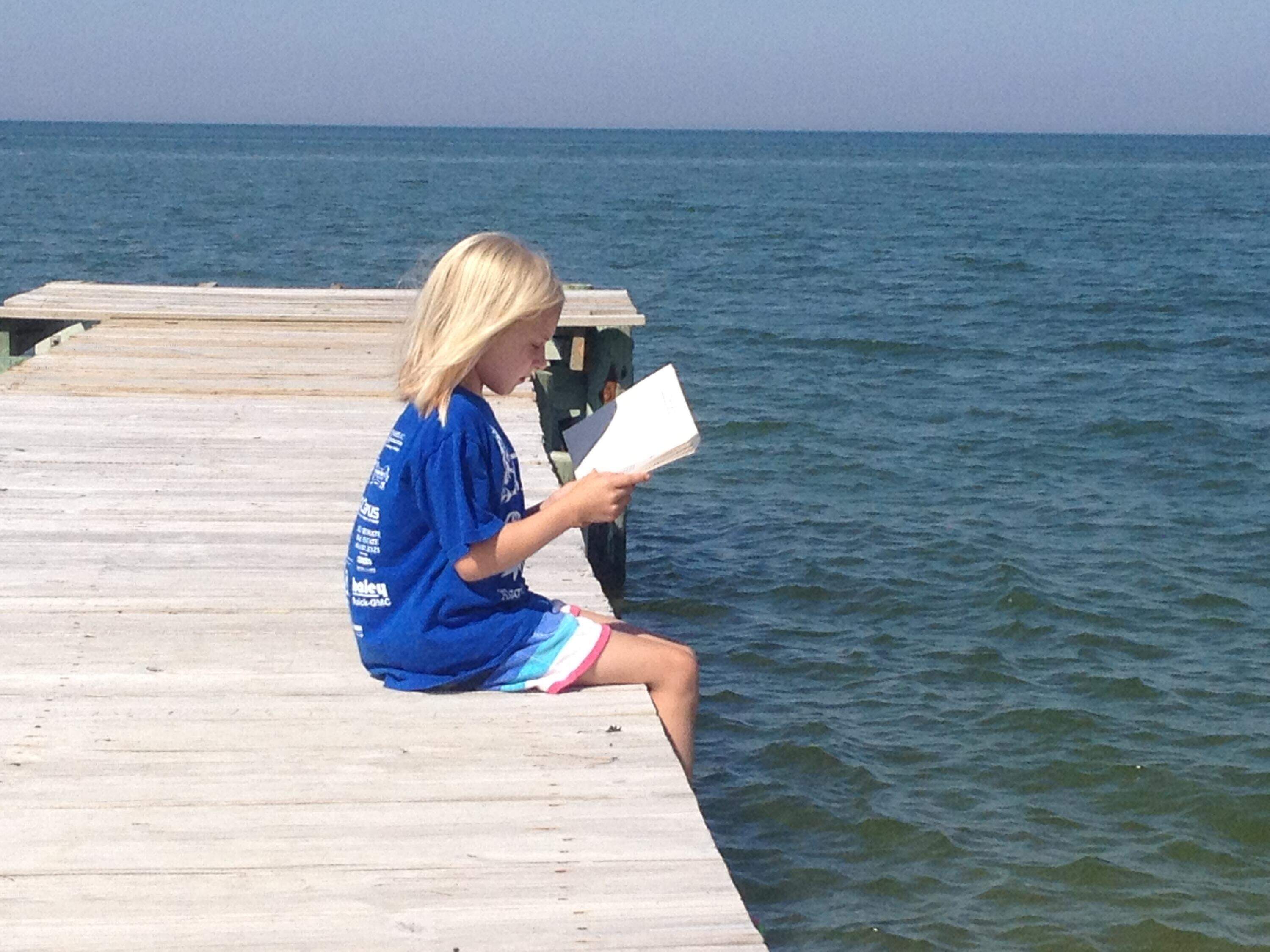
Summers are for reading
Editor's Note: This essay appeared in Cognoscenti's newsletter of ideas and opinions, delivered weekly on Sundays. To become a subscriber, sign up here.
Many moons ago, my friend Vicki and I came up with a complicated incentive program to get our kids to do their school-mandated summer reading.
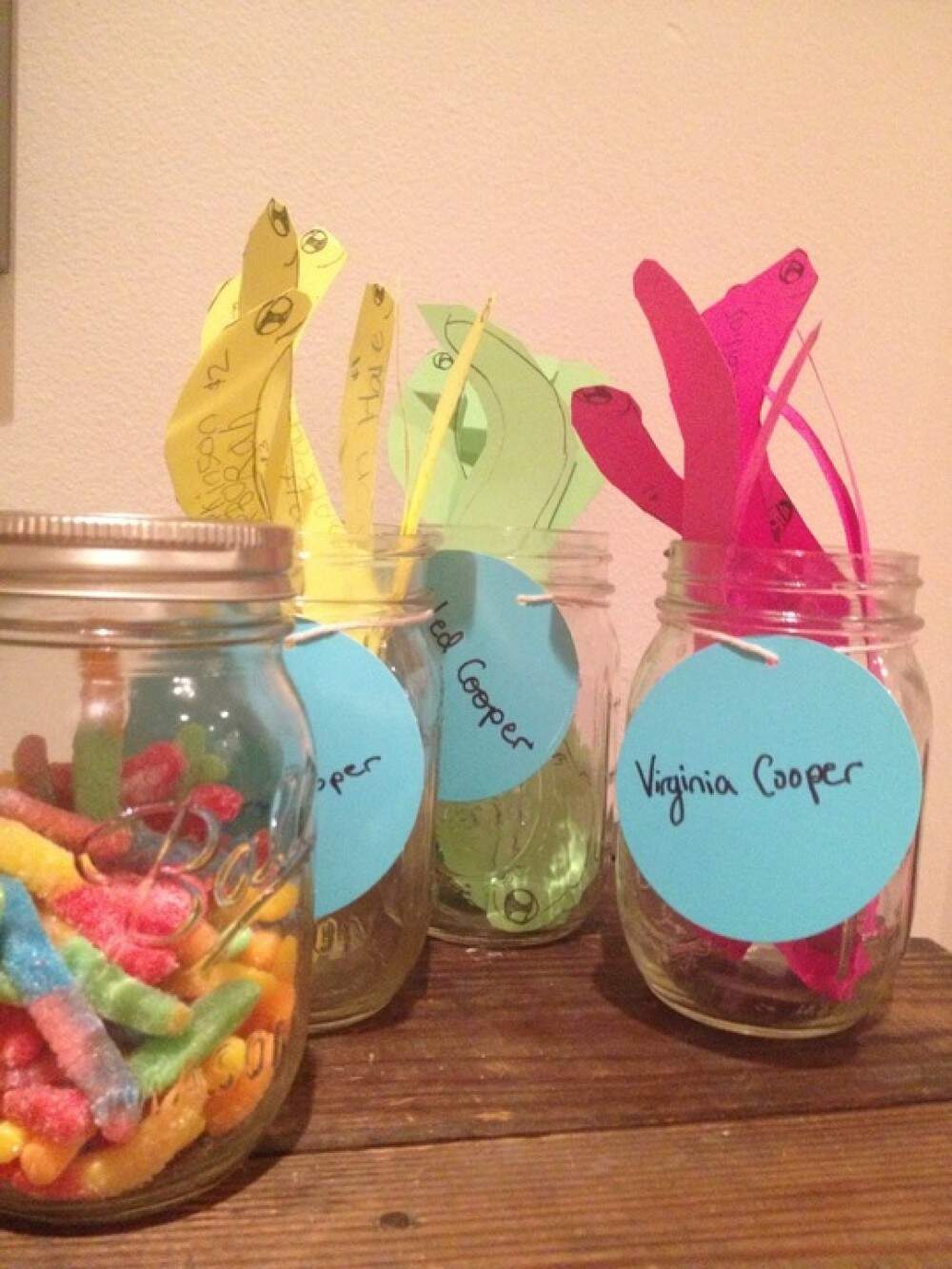
I put four Mason jars on a table in our hallway. One jar was filled with gummy worms. The other three jars started out empty and were each labeled with one of my child’s names. Next to the jars, there was a pile of paper worms (bookworms!) cut out from cardstock. Each time a kid finished a book, they wrote the title on one of the paper worms and put the worm in their jar. And then they got to eat one of the gummy worms from the first jar.
The candy was the immediate gratification. But I was playing the long game, too. At the end of the summer, I told them, I’d assign a dollar value to each book based on its length, difficulty of subject matter, etc. Then, right before they returned to school, I’d add up the money each child had earned and present them with a gift card to the retailer of his or her choice.
Today, those kids are 20, 23 and 26, and they’re all pretty good readers. I’m relieved that I’m no longer helping them manage their reading lists, but I still think a lot about summer reading. I don’t need a gummy worm or money as an incentive; the truth is I’d probably pay for the privilege of more time spent with my nose in a book. Maybe that’s why I love this season so much.
The longer days and looser schedules of June, July and August seem especially well-suited for the single-task focus reading requires. But the idea of summer reading isn’t a contemporary concept. The phenomenon dates back to the late 19th century, when more Americans started taking time off from work during the warmer months. Up until then, summer had been a disappointing season for book sales. But publishers spotted an opportunity and began to promote reading — especially novels — as a leisure activity.
“Reading novels was something that was highly suspect,” Donna Harrington-Lueker, who wrote a whole book on the rise of summer reading, told The New York TImes back in 2021. “But slowly, from the 1870s into the 1880s and ’90s, they manage to reposition it as a genteel, middle-class pleasure.”
Apparently, it worked. Today, everyone — from The Atlantic and The New York Times, to Oprah and Reese, to my colleagues here at WBUR — has a list of beach books to recommend. I, for one, am easily influenced and read so much on my annual August vacation that I have to pack a Kindle because I can’t fit enough analog books in my suitcase.
I’ve kicked off the 2026 season with Sally Mann’s “Art Work,” which is part memoir, part craft book, and I’m loving learning more about her creative process. Up next: “Buckeye,” a novel set in a small Ohio town after WWII. My fellow editors have stocked up on summer titles, too. Cloe Axelson has "London Falling" by Patrick Radden Keefe, who she recently saw speak at CitySpace, at the top of her TBR (to be read) pile, and "The Things We Never Say,” a slim novel, just below that. Sara Shukla is currently reading “This Story Might Save Your Life,” a mashup of thriller and rom-com. Then she’s going straight to her friend Julie Gerstenblatt’s “The Stargazer of Nantucket,” a historical fiction about a ship’s around-the-world voyage.
If you need a little warmup for your summer reading, you’re in luck. We experimented with a new format for Cog this week: a longer-form personal essay by Asha Dore. It features a crime-fighting otter named Splash, alligators and manatees. But it's also a beautiful reflection on loss, and living, and what it means to return to a place that reminds you it's ok to feel both at the same time.
Once you read that, check out this “Cog classic,” in which Laura McTaggart explains the five things all good beach books have in common. Unlike Laura, I buy books rather than checking them out of the library (to each their own; we book lovers are an open-minded group). And I used to be precious about them. I sealed them in a gallon-size Ziploc bag before tossing them into a tote with the sunscreen and snacks. I used a real bookmark and preserved the dust covers by leaving them at home. But now I write in them, dog-ear the corners and don’t mind much if the cover gets tattered and stained. It’s OK, I tell myself. That’s the patina of a summer well spent.