Support WBUR
How to cope with political anxiety this election season
This story is part of our mental health series. Find out more here.
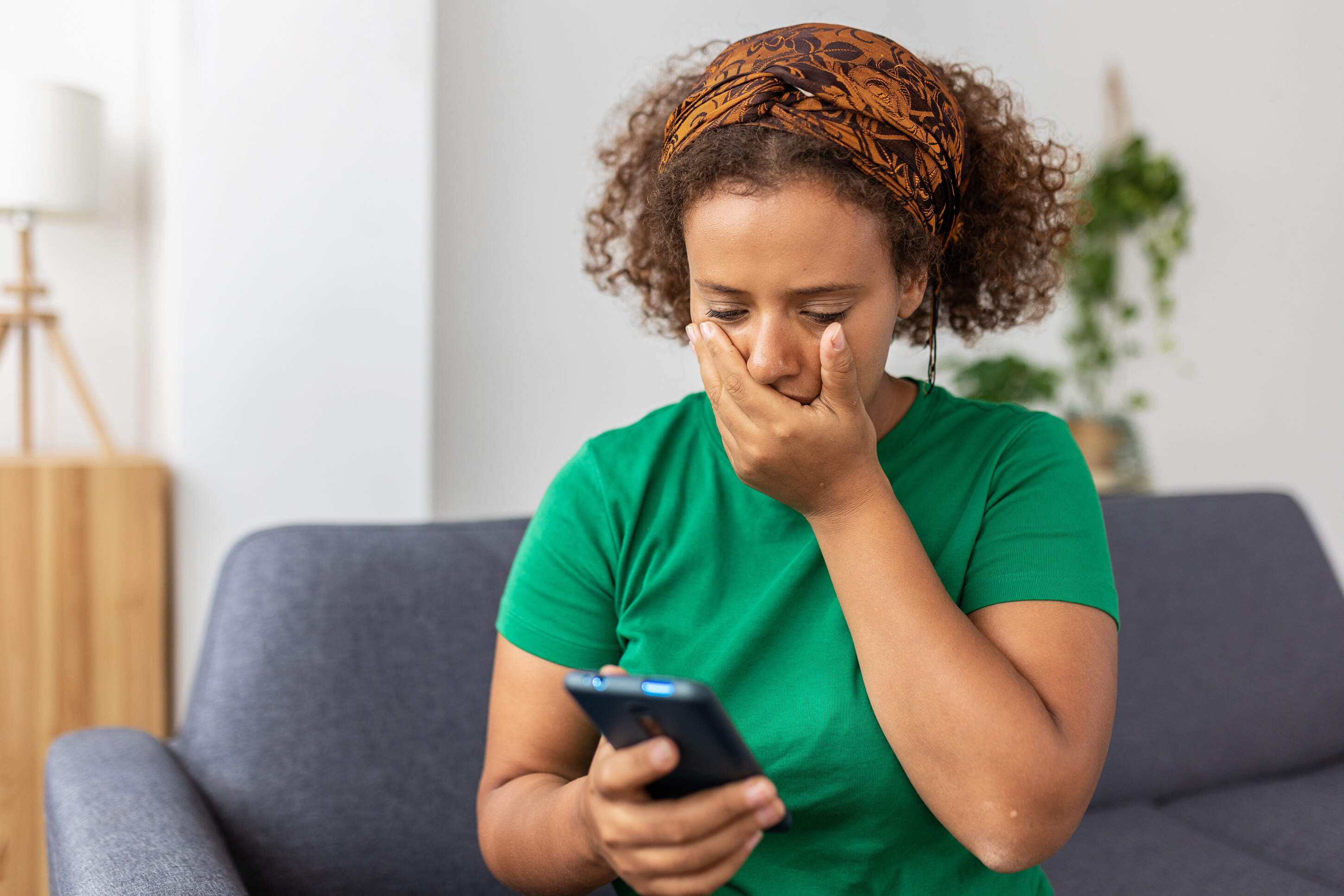
If you're feeling stressed out about the election, you've got company.
A new poll released in May by the American Psychiatric Association found that 73% of respondents feel anxious about the upcoming presidential election. And that poll was conducted before the assassination attempt against former President Donald Trump and President Joe Biden’s exit from the race.
So what can you do about election anxiety?
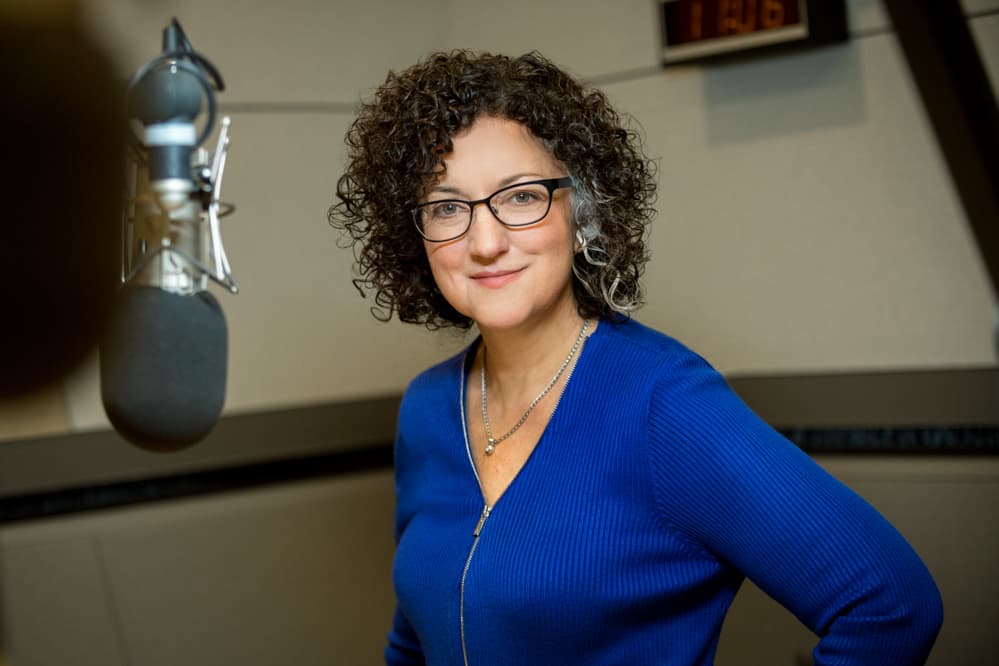
Brett Ford, an associate professor of psychology at the University of Toronto, has been studying the link between politics and mental health since 2016. She started her research right after Hillary Clinton lost the presidential race to Trump.
“What we find is that after losing an election, your party loses an election, that's a big loss for you as an individual as well. It affects your life potentially, and so we find that people are quite upset,” she says. “But they also are trying to manage those emotions, and it turns out we can actually be pretty successful at managing this stress response that we have to politics.”
But there’s a potential wrinkle in using those everyday coping skills to deal with political stress, Ford says.
“Unfortunately, though, what we find is that the better people are at managing their stress in particular, very common ways, the less likely they are to be politically engaged and involved,” she says.
4 questions with Brett Ford
How do other stressors in life, such as work or family issues, compare to political stress?
“In some ways, it's similar to other forms of stress that we have at work or with other people or larger forms of systems that we face, that kind of can cause us stress or even just interpersonal stress in our daily lives.
“Maybe what's unique about it is that it's all of these things kind of all at once and that it's all the time and it really doesn't stop even outside of elections. People from across the political spectrum are feeling a variety of negative emotions [such as] anger, outrage, worry, fear, sadness, despair. People are feeling these emotions across the political spectrum regardless of whether your party is the one in power or not.”
How does news consumption of political issues, either through traditional media or social media, affect people's stress levels?
“We just studied whatever people were thinking about politically each day across several weeks of daily life, and what we found is that people are largely learning about and consuming political information through the media, and it seems to evoke a variety of unpleasant emotions.
“Those emotions, when we have these strong, negative responses to politics, it predicts worse well-being in our day to day life.”
How can you cope with political anxiety?
“We find that the more people focus on getting rid of these negative emotions, the less politically engaged they are, the less likely they are to want to engage in action that could challenge the status quo or to help make changes in the direction of their values. So that the answer is not necessarily to focus on getting rid of our negative emotions.
“We have some promising findings that we can let situations be bad. We can let things be scary and be stressful. Any situation has multiple facets, and we can focus on the facets that can change. We can focus on the facets that allow us to connect with our communities that give us opportunities to feel compassion or inspiration, admiration.
“These types of socially rooted, positive emotions also drive political action and engagement, but they also connect us with loved ones and community members, and they remind us what's important in a way that doesn't involve checking out or making the situation seem less bad when it actually is.”
What kind of actions can you take to become more politically engaged but also reduce stress?
“There's so much about politics that feels so big, and certainly at the federal level there's not often a lot that an individual citizen can do and that's where collective action comes in. Our systems rely on many, many people pooling their action together and that's what can make large-scale change.
“The biggest way that we can do that is through voting. So focusing on … you know, do you have a plan? Where are you gonna go? If you know you aren't able to do it in person, you know, sorting out ballot issues. These are very concrete actions that when people engage in small-scale actions that feel very controllable, tractable, this helps people feel better.
“The federal level is a huge system. There are local levels of politics where smaller numbers of people can make larger degrees of change, right? So if you want to get involved, then going local can be a really powerful way to do that.
“When you go local, when you engage in collective action, you are connecting with other people who share your values that's going to provide you an opportunity to feel that sense of connection, belonging, moments of inspiration, admiration, these types of positive emotions that help drive us to stay engaged and to take action.
“This is a challenge, but it's also an opportunity and we kind of take that mindset. It will be stressful. It can still be scary, and yet we can also stay motivated to stick with it and to make the changes that we want to see in the world.”
This interview has been lightly edited for clarity.
Samantha Raphelson produced and edited this interview for broadcast with Catherine Welch. Raphelson also adapted it for the web.
This segment aired on August 1, 2024.