Support WBUR
How to heal from an abusive relationship
This story is part of our mental health series. Find out more here.
Editor's note: This segment discusses domestic abuse. If you or someone you know is struggling, call the domestic violence hotline at 1-800-799-7233 or text 88788.
Research shows that one in three women and one in four men have experienced some form of physical abuse by a romantic partner.
And not all abuse is physical. Emotional abuse includes insults, threats and gaslighting. Many survivors of an abusive relationship struggle for years with unresolved trauma. They can lack self-esteem and the ability to trust themselves and others.
There are many reasons why people don’t leave an abusive relationship: financial reasons, to protect children or the belief their partner will eventually change.
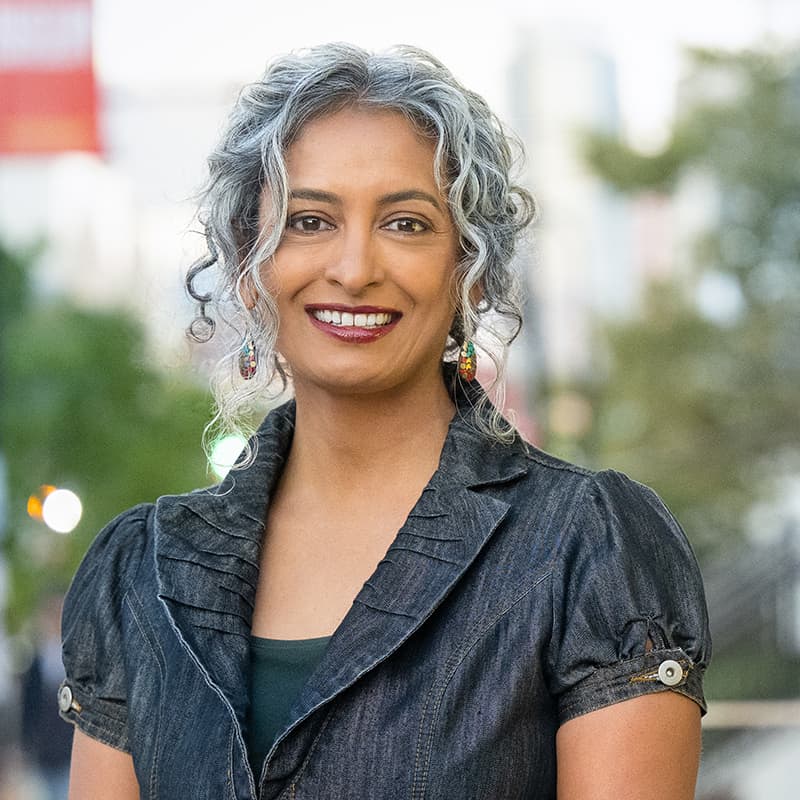
Sometimes if the abuse isn’t physical, it can be difficult to tell if something is wrong enough to leave. If someone starts to isolate themselves from their friends and family, that can be a sign that they are in an abusive relationship, says Meaghan Rice, a therapist based in Colorado who has worked with abuse victims.
“I think there are so many less obvious signs that we should be paying attention to, and I think some of those things that I've seen include isolating our partners from things that they know, love and care about,” she says. “A lot of times we see that in forming strong opinions about our partner's family members or their friends, or you see this constant critique of other people's loved ones in their lives as a means of saying, you know, ‘Hey, stay with me.’”
5 questions with Dr. Meaghan Rice
How can you recognize if a partner’s controlling behavior is bordering on abuse?
“I think there's also an air of blaming their partners for their particular emotional reactions and you see blame for their emotional reactions instead of actually taking ownership for the behavior that may have led to those emotional reactions in the first place.
“Terms that they would use would maybe be potentially that, ‘You're crazy.’ Or, ‘It's kind of all your fault,’ or … ‘We're having all these difficulties because of your emotional reactions,’ rather than their behaviors that cause that.”
How do you leave an abusive relationship?
“Build up financial resources or build up some means of contact with other friends or other family members, potentially that you've been isolated from for a long period of time. Try to see if you can make amends. Try to see if you can build up your community or your network to the best of your ability.
“I think it's really important to contact the hotline. There's a domestic violence hotline, 1-800-799-7233. You can also text BEGIN if you don’t feel comfortable talking to people out loud. 88788 is the text.
“There's a hiding period where they need to be completely disconnected and completely removed from the relationship in order to regain their composure and in order to start the healing process that's going to increase their self-worth and self-esteem in order to make sure that they're successful when they do leave.”
How do you start to heal from an abusive relationship?
“I think sometimes it's just nice to get a third-party perspective and that can be a professional, like a therapist, a primary care provider, a chiropractor, a physical therapist. I think you can start to get a third-party perspective from these other sources. Sharing little bits and pieces of maybe things that you're experiencing or the struggles that you're having. To me, all of those spaces are safe.
“You can also go to domestic violence support groups and sometimes that's a nice means of feeling out the waters in terms of how other people are healing or how other people are recovering from their different situations. And so starting to be able to develop this comparison of other people's reality compared to our own individual realities that we've been experiencing for a while.
“I think the rebuilding of self-worth comes after we've established this comparison that says abuse isn't necessarily universal because each person is defining what feels abusive to them. And I like to start off all of my clients with acknowledging those emotions and feelings that have come up from those experiences — fear and shame and embarrassment, anger, regret, sadness. Those true survival emotions. Being able to be in that moment, acknowledge those survival emotions, but also resist the temptation to placate them.
“I think a lot of people have the tendency to ignore them or deflect them or bury them or use different coping styles that push them aside rather than being able to acknowledge those feelings. And I want people to sit with those feelings. I just don't want them to sit with those feelings forever because to me, the trauma is able to continue to impact our life the more we sit with those feelings.”
How do you help people rebuild trust in themselves and others?
“I like to help them learn to search for people that have a love of life. Nobody goes through life unscathed in terms of not experiencing hard things, but it's the people in the world that I think have gone through really terribly hard things and have also said that, ‘You know what? That thing was terrible and that was real to me and it directly impacted me, but also that's not a reflection of me being bad or other people being bad or the world being bad overall.’ That's just simply an opportunity for me to learn how to see the light in a little bit more of an efficient way.
“I'm big on mantras in my work with my clients in terms of not only giving ourselves self-worth type of mantras, but also applying those same mantras to the world that says that there are loving caring people that can support us and energize us and kind of expand our future visions of ourselves.”
How can you help someone in an abusive relationship?
“I think validation is everything, you know, being supportive of the space that they're in. Like I said, how we define abuse is different for each and every one of us, and so I encourage loved ones to listen to someone's story and make sure that they validate and they support the emotional content of that story. If we can remove the judgment and the critique and the shame and the blame and just show up in the same place that someone is demonstrating to us, I think that can be incredibly empowering.”
Samantha Raphelson produced and edited this interview for broadcast with Catherine Welch. Raphelson also adapted it for the web.
This segment aired on August 29, 2024.