Support WBUR
Photographer combs the world for pairs of identical strangers
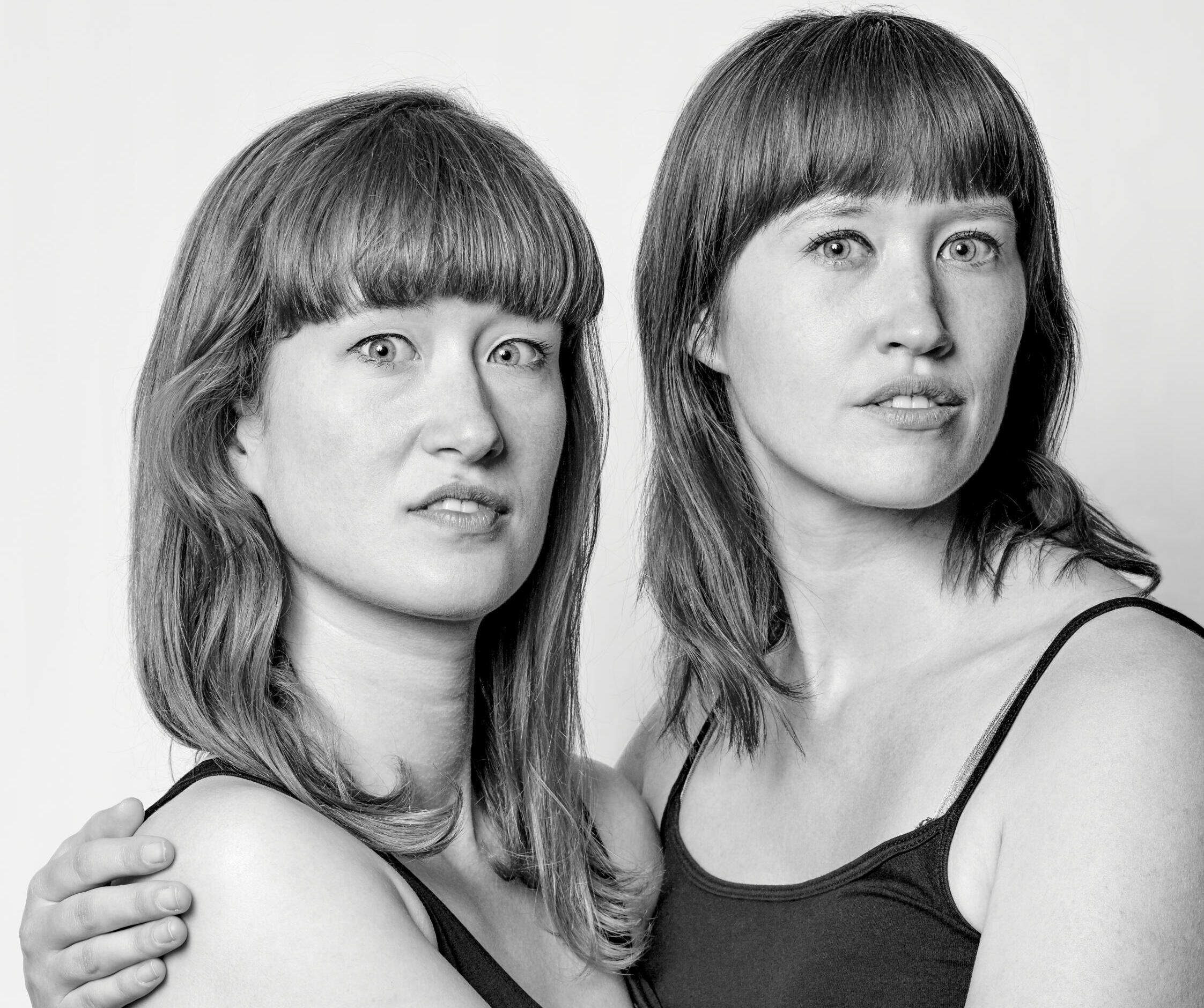
For centuries the idea of doppelgangers — unrelated look-alikes — has captured the imagination of writers, poets and mythology.
Doppelgangers, which translates from German to “double walker,” are featured in works by Fyodor Dostoevsky, Hans Christian Andersen and Edgar Allen Poe. Some Native American mythology says they rise from the underworld. In folklore, spotting one is an ill omen.
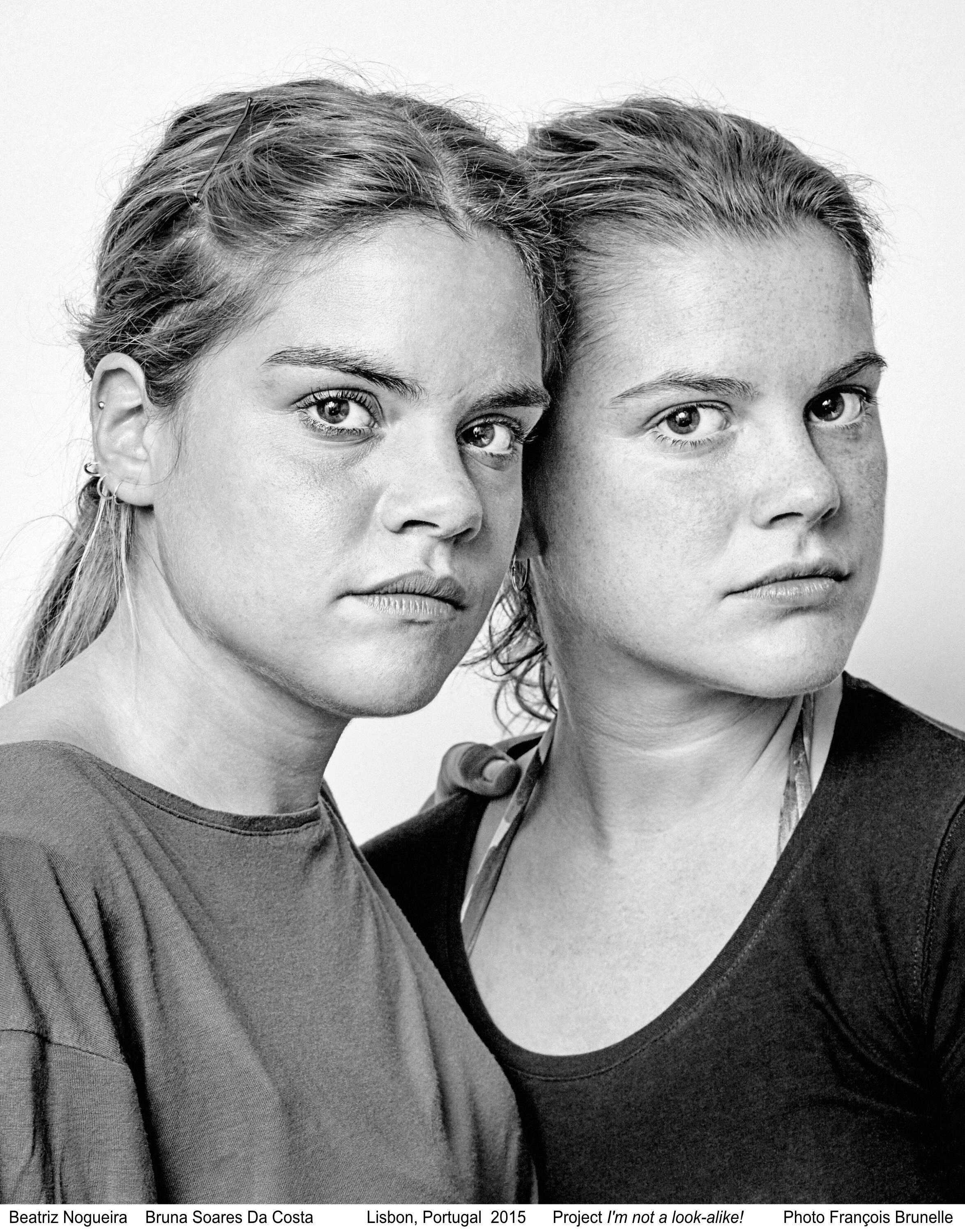
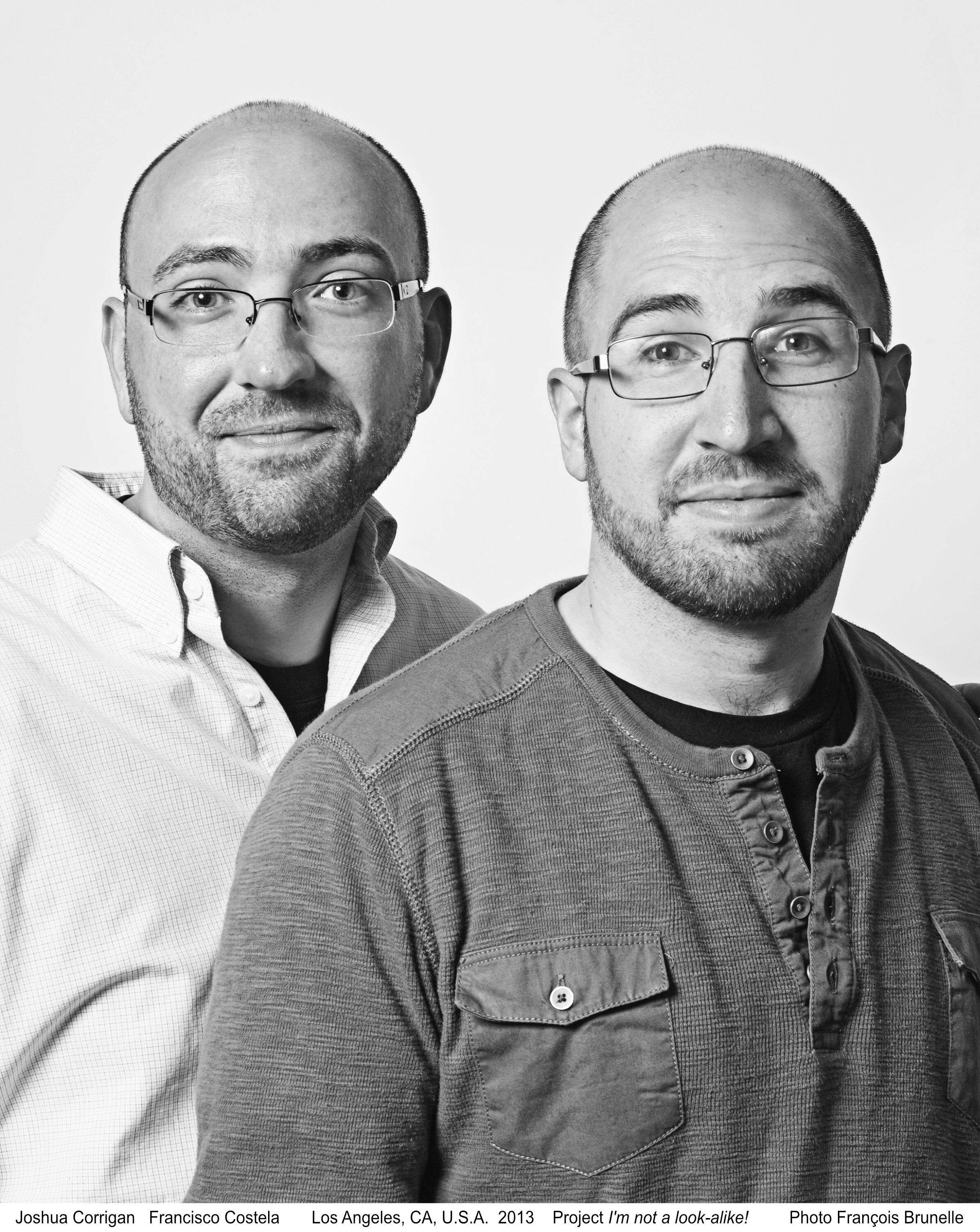
French Canadian photographer François Brunelle has a different perspective. He’s spent nearly 25 years locating pairs of these identical strangers and inviting them into his studios where he captures their similarities on film. His work has caught the eye of other artists, researchers and geneticists interested in the phenomenon. Now, Brunelle is working on a book that will compile and explain his work.
Brunelle’s interest in doppelgangers goes back to his own. For years, people in Montreal told Brunelle he looked like British comedy phenomenon Mr. Bean.
Brunelle was not familiar with the iconic character played by Rowan Atkinson. Then one day, Brunelle stumbled upon Mr. Bean on television and immediately saw the resemblance.
“From that, I had the idea to find look-alikes, bring them together, and then they would be in a state of shock, the same thing that I experienced myself,” he says. “And then I would do their portrait, but in reality, when they meet, they are surprised for two seconds that it's too late.”
6 questions with François Brunelle
How did these doppelgangers meet?
“[One pair of doppelgangers was] told by many friends that they look the same and even now one of them doesn't think they look the same. That's what happened. Because you don't decide that you're a look alike. People tell you that you are a look-alike.
“Most of them were told that they look like the other person. Some people told me that they were in a bar and then they saw their look-alike on the other side of the room. But in each case, they said, ‘Well, I just left and I couldn't, I didn't know what to do.’
“A few instances, people met their doppelganger on the street, but they were so flabbergasted by that, that it was too weird for them. There's a case, the two ladies from Holland [Agnes Loonstra and Ester Scholten], it's funny because one of them, she was in a train and then she passed by a man on the train. He says, ‘Oh, hello.’ And he called her by the name of the other girl and say, ‘How are you?’ And she said, ‘Do I know you?’ ‘Well, we, we lived together for a few years. Yes, we, you know me.’ She said, ‘I'm sorry, that's not me.’ And then she asked for the contact of the other girl. And then she got in contact with her. They became friends. And then they wrote to me.”
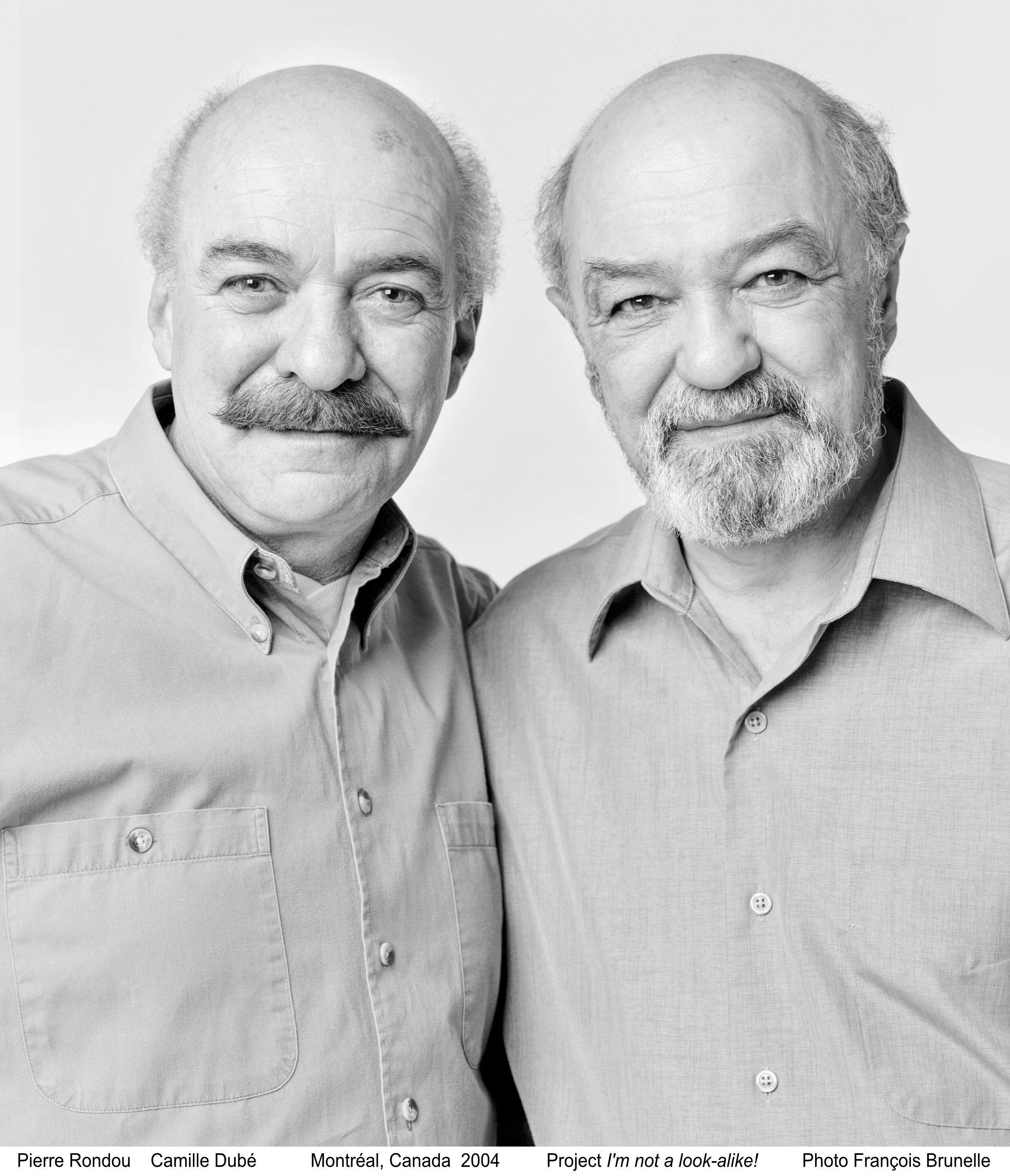
The Josep Carreras Leukaemia Research Institute in Barcelona published a study inspired by your photos. They used facial recognition software to quantify the physical attributes of 32 pairs of these look-alikes. And half of them had scores similar to identical twins, but they are not related.
“Not at all, because I went to Barcelona and to meet [researcher Dr. Manel Esteller] once, and he told me, ‘Be reassured, François, they are not related at all.’ They took samples of the DNA of these people, and they analyzed it, and they showed me that on the computer, and it's crazy.”
It's been amazing to read how this idea of finding your doppelganger can be used for evil. There's a woman who searched online for women who look like her because she was trying to fake her own death and get away from a family situation. She found a look-alike and then killed her, so that people would think the body was hers and she could get away.
“It's true. It’s the sad side of this. The look-alike as a cool phenomenon is new. Until the internet, being a doppelganger, double or a look-alike was a bad thing. It would bring you a lot of trouble. But since the internet, a lot of people are looking for their look-alikes.”
“Before the internet, it was mostly men that were doppelgangers. Now it's mostly females that are interested and participate. In my project, about 75%. of the subjects are women.”
The Guardian reports on somebody who an eyewitness said had committed a crime. He was in a lineup and they picked him out but he insisted he had not committed the crime. And it turns out he had not committed the crime. A person who looked exactly like him had.
“Yes, it's not the only story. I've heard other stories, like a filmmaker was waiting in line to see a movie, then he got arrested by the police for rape and things like that, and it took a few days to realize it was not him.”
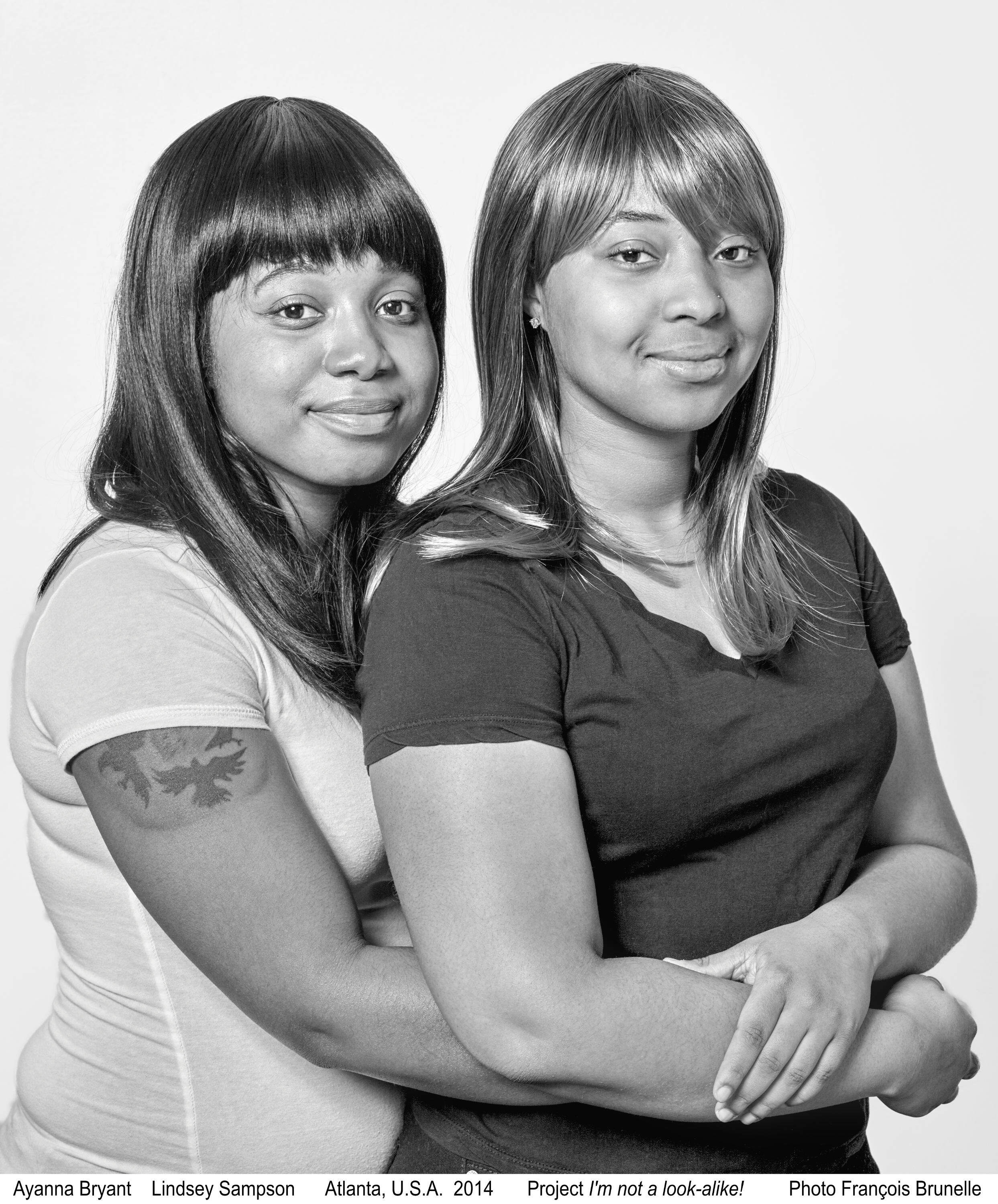
Are there some people who feel like, ‘Wait a second, you can't look exactly like me. That's me, that's my identity.’?
“I found a man who looked like one of my friends, and they really looked the same.
“So they came to my studio, I did their photos, and then my friend stayed, and he came to me, and in my ear he said, as a confidence, he said, ‘François, you know, I don't think we look the same.’ But this guy was the exact replica of the other, and this guy also is a genius in advertising. He was an artist and everything.
“And then I said, ‘How can he not see his likeness with the other guy? It's impossible.’”
Do you still want people to contact you and send you their claim of a look-alike?
“If someone knows of a pair, or they are part of a pair of look-alikes, yes, I'm interested, absolutely.”
Karyn Miller-Medzon produced and edited this interview for broadcast with Mark Navin. Allison Hagan adapted it for the web.
This segment aired on October 14, 2024.