Support WBUR
AARP warns Social Security changes could impact access to benefits
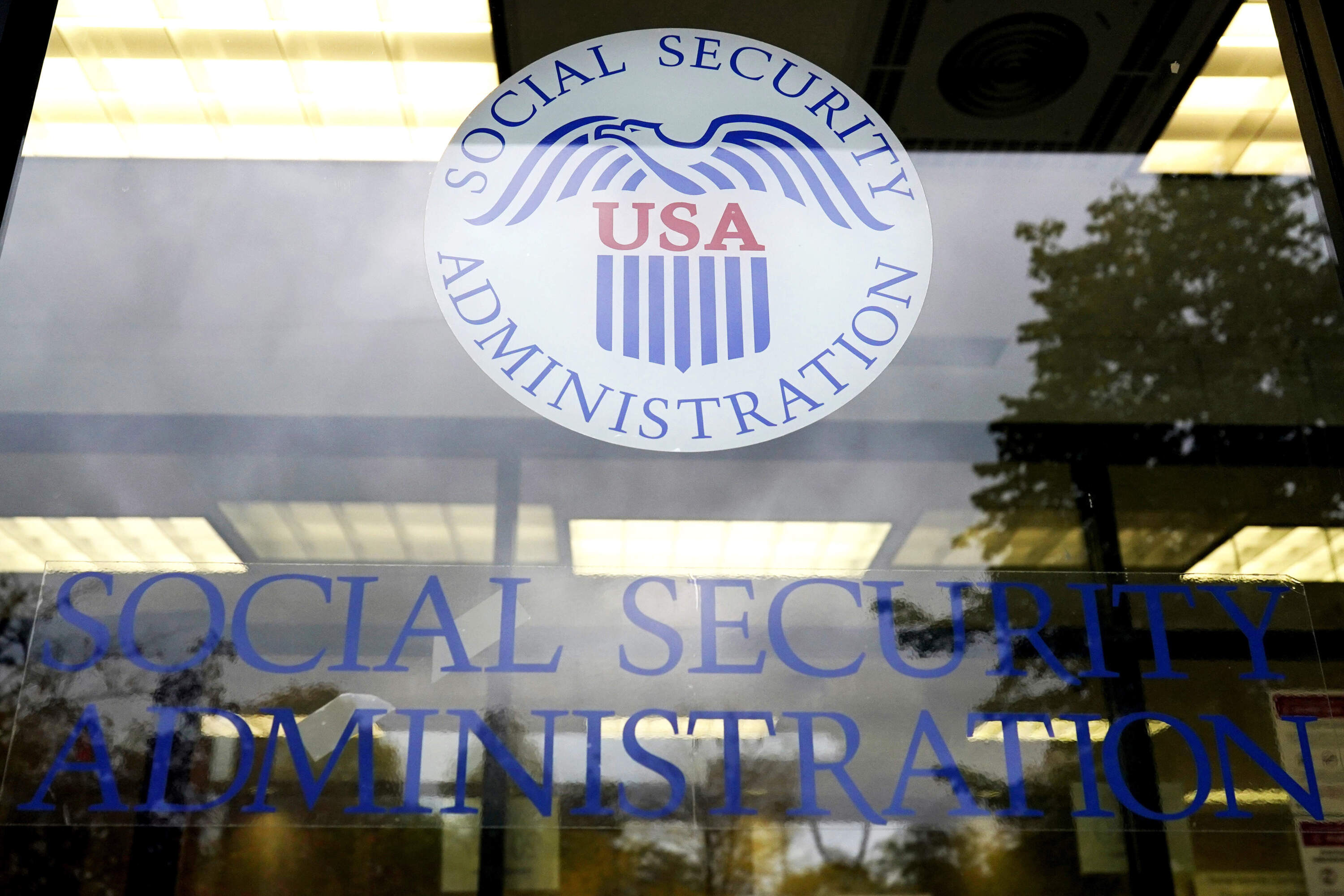
Starting at the end of March, tens of millions of Social Security recipients will no longer be able to verify their identity over the phone. They'll need to go online or in person to a Social Security field office, yet dozens of field offices are closing and thousands of jobs have been cut.
The change affects new and existing recipients who want to change their direct deposit information.
The Trump administration says the move is aimed at reducing fraud.
AARP worries the changes will make it harder for older people and people with disabilities to access their Social Security checks.
"If you are, if you become disabled and you apply for disability, you have to submit reams of medical paperwork. There's a ton of documentation that goes into this. There's a very long and very complicated process that goes into evaluating this," Bill Sweeney, AARP’s senior vice president of government affairs, said. "When I called Social Security's 800 number myself the other day, it's over 250 days that it takes them to review the initial application. So, the idea that someone's just calling up the 800 number and saying, ‘I've been disabled, please send me a check.’ That's not realistic."
The Social Security Administration says the return of government workers to their offices will help facilitate in-person visits.
"SSA recently required nearly all agency employees, including frontline employees in all offices throughout the country, to work in the office five days a week," the Social Security Administration said in a statement. "This change ensures maximum staffing is available to support the stronger in-person identity proofing requirement. The agency will continue to monitor and, if necessary, make adjustments, to ensure it pays the right person the right amount at the right time while at the same time safeguarding the benefits and programs it administers."
This conversation has been edited for length and clarity.
4 questions with Bill Sweeney
Who is affected?
"It could be any of us. It could be any of us who need to get access to Social Security to find out what's going on with our benefits, if we're interested in trying to figure out when exactly to retire, when to start claiming benefits. [[It could be]] someone who might have become disabled at work, gets injured on the job and needs to get Social Security disability. Any number of us could be subject to these new requirements, and it's very unclear what they are. What kind of identity papers we need to bring in, where do we need to go? And for people who live in rural America or who don't have reliable access to transportation, we're looking at situations where people could be taking a half a day off work or a whole day off work just to drive to a field office to give some paperwork to somebody when they could have done this on the phone a week ago."
There are plans to close dozens of Social Security offices, so what do these changes mean when there are some seniors who don’t even use the internet?
"That's true. There's been studies that have shown 1 in 4 seniors have never been online, just don't use the internet at all. And, to ask them to download an app on a smartphone and upload a bunch of personal data, we have real concerns about how that would be operationalized, what it would mean for people, and frankly, we're worried about opening it up to fraud, criminals abroad who prey on Americans using all of this confusion to commit fraud and to and to steal people's money."
One of the claims of the DOGE team is that there's no way to really confirm on the phone that they are disabled as they say they are. Is that how the process works?
"It doesn't work that way. If you are, if you become disabled and you apply for disability, you have to submit reams of medical paperwork. There's a ton of documentation that goes into this. There's a very long and very complicated process that goes into evaluating this. When I called Social Security's 800 number myself the other day, it's over 250 days that it takes them to review the initial application. So the idea that someone's just calling up the 800 number and saying, ‘I've been disabled, please send me a check.’ That's not realistic.
"And what we know actually is that in this country, 10,000 Americans die every year waiting for Social Security to process their disability claims. So, Social Security is really one of the parts of the government that has the lowest levels of waste, fraud and abuse because it is so well-managed and there's such clear processes around some of these things."
We spoke to a former Social Security administrator, Martin O'Malley, earlier this month. He said he’s worried that cuts to Social Security will lead to “total system collapse.” Do you worry that this is an effort to privatize Social Security and make money off it?
"What I know is that our members, that people, seniors in this country are terribly worried about what's happening. They're constantly hearing news stories, allegations about fraud or things about offices closing. They're trying to get information when they do call the agency, it takes hours to get a response, and it's causing people to have real fear about the future of the program. And so I do think that there is in this country a very, a growing fear about Social Security that we've not seen before. And I got to tell you, at AARP we're protecting Social Security. Social Security will be there for people and we're going to use the power of our numbers of the seniors in this country. To make sure that Congress, that the administration hears loud and clear that we want Social Security to be protected and we want good customer service when we need it from this agency."
Gabrielle Healy produced and edited this interview for broadcast with Catherine Welch. Healy and Michael Scotto adapted it for the web.
This segment aired on March 20, 2025.