Support WBUR
One of the nation's first public housing projects turned to museum
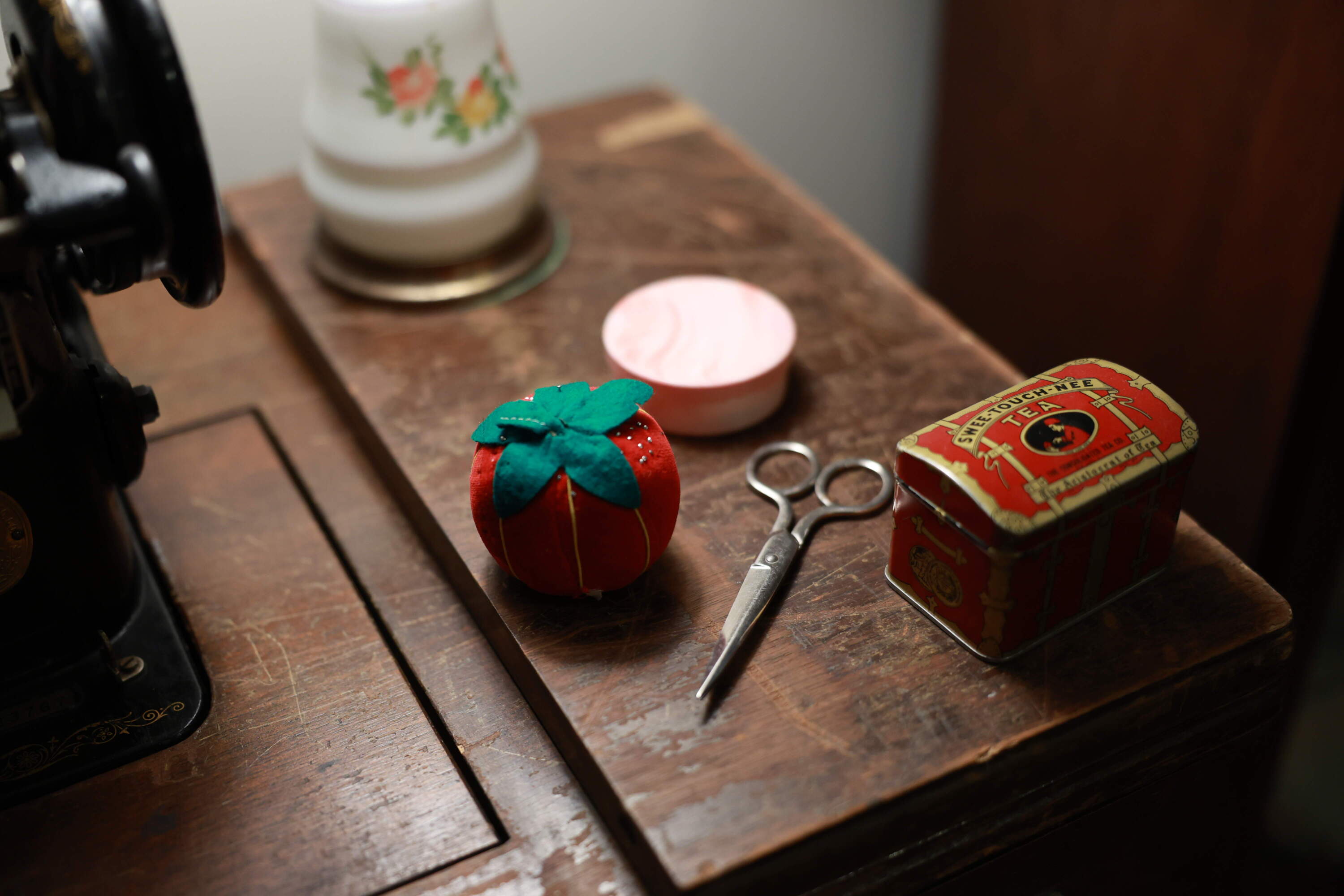
One of the nation’s first housing projects is getting a new life as a public housing museum.
Chicago’s Jane Addams Homes exemplified the rise and fall of public housing in the 20th century, from their construction under the New Deal in 1938 to their eventual demolition in the 2000s.
Today, just one building remains. Last week, it was reborn as the National Public Housing Museum.
Visitors can tour recreations of three historic apartments, peruse everyday objects and stories shared by public housing residents around the country, and immerse themselves in a story of public housing deeper than the familiar narratives of urban decay, gang violence and disinvestment.
For many working-class families, public housing was a springboard to a better life.
“Even though my family only lived in the projects for four years, the Jane Addams Homes had a lasting impact on all of us for generations,” Tina Turovitz Birnbaum said. “Without it, I wouldn’t be here.”
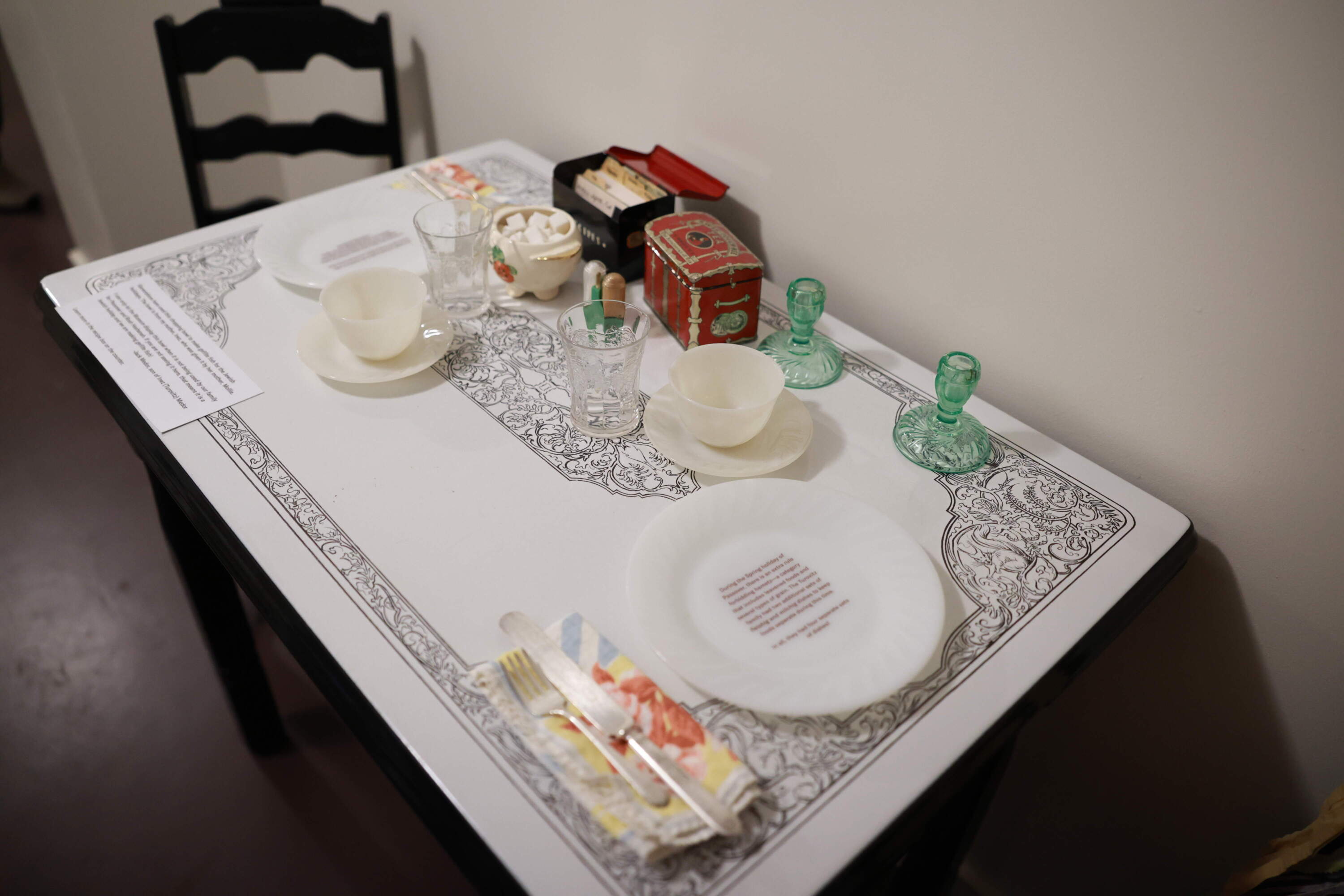
Turovitz Birnbaum tells her story in a recording that plays from a vintage radio during guided tours of the apartment once inhabited by her grandparents, Meyer and Mollie. They were Jewish immigrants who moved from present-day Belarus and met on the South Side of Chicago. When the Great Depression hit, they needed an affordable place to live.
“For my bubby, moving to the Jane Addams Homes meant having her own kitchen – a new kitchen that she could keep just as clean and Kosher as she wanted,” Turovitz Birnbaum said.
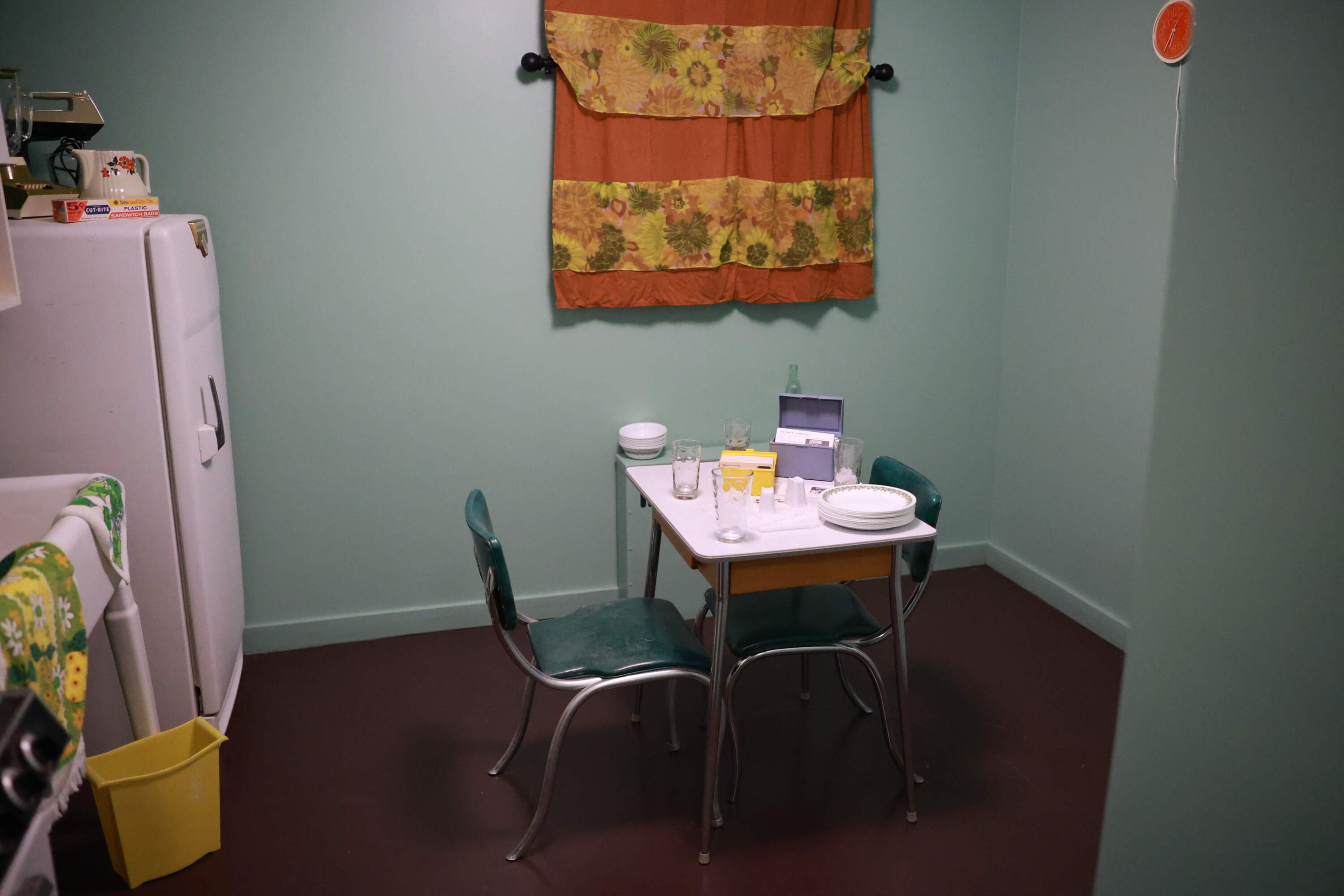
Behind another door is a recreation of the three-bedroom apartment that once housed 10 members of the Hatch family. Josephine Hatch-Skipper says it’s surreal being back.
“That’s me,” Hatch-Skipper said, pointing to a picture on the wall. “That’s my sixth birthday party.”
Everything from the family photos to the turquoise paint to the family recipe book in the kitchen is exactly how it was when the Hatch family lived here.
Hatch-Skipper says it reminds her of how far her family has come. Her parents, Rev. Elijah Hatch and Helen Holmes Hatch, moved to Chicago from Mississippi and Tennessee, along with millions of other Black Americans who left the South in the early 20th century. They moved into the Jane Addams Homes in 1960 after a fire in their tenement.
“You’re seeing a Great Migration story. A family that came to the North for a better life, wanted better for their children, created this family that was strong. And I think we have exceeded our parents’ dreams, so that’s why it’s nice to come back,” she said. “This is almost like a full-circle moment coming back to our parents because I’m so grateful for how we grew up.”
Hatch remembers jumping double dutch and playing around the stone animals, a collection of art deco sculptures now preserved in the museum’s courtyard.
“I had a great childhood,” she said. “Very loved and nurtured.”
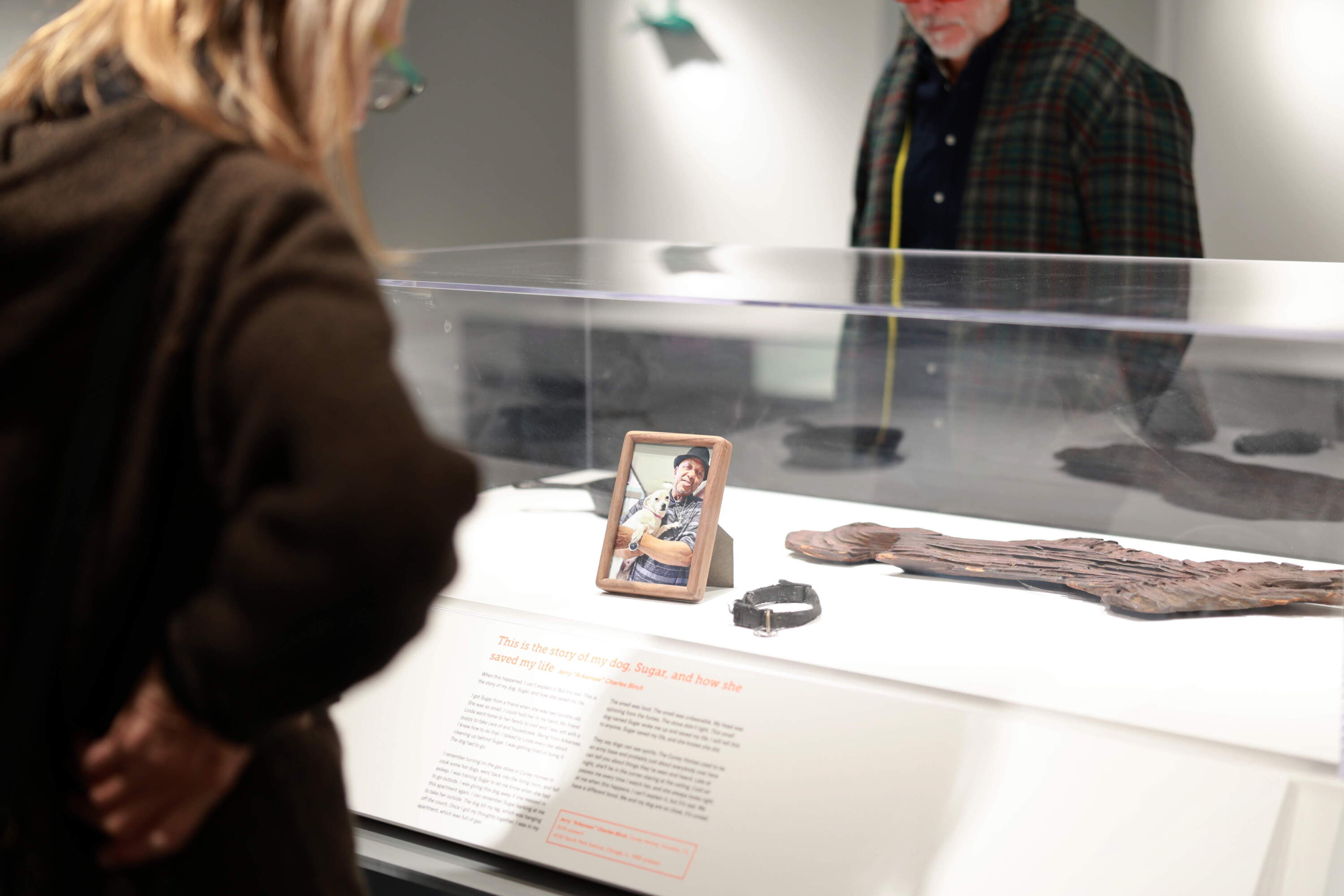
In addition to the historic apartments, the National Public Housing Museum features everyday objects donated by public housing residents from around the country – a Pyrex dish used to make rice pudding, a leather biker’s jacket, a Panamanian immigrant’s ivory rosary.
Chief curator and executive director Lisa Yun Lee said the goal is to connect visitors with the reality of life in public housing.
“A story is the shortest distance between two people. So we really wanted this place to be a bridge between many different people from different races and classes. And we believe in the power of the everyday, the vernacular. And so, for example, a scarf or a dog collar, you know, lives alongside the photo of [Supreme Court Justice] Sonia Sotomayor,” Lee said. “These are the precious objects of public housing residents who wrote the labels themselves to make these stories compelling so that people listen and they look with wonder.”
Lee says those stories go against the mainstream narrative that casts public housing as a failed experiment. Oral histories in the museum celebrate the social movements and creative genius that came out of public housing – a vinyl listening lounge highlights the work of former public housing residents from Elvis Presley to Nas.
“So much of what we value in this commonwealth called America has its roots and was shaped by public housing,” Lee said.
The museum’s biggest artifact is the building itself. It’s the last of the Jane Addams Homes, once a community of 32 buildings that were demolished more than 20 years ago during Chicago’s “Plan for Transformation” that was supposed to redevelop public housing sites into mixed-income communities.
Residents banded together to save this building and carry on the legacy of its namesake, the social worker and Nobel Prize Winner Jane Addams. In light of recent federal funding cuts and a long-simmering housing shortage, Lee says that legacy is more important than ever.
“The movements that fight for fair and equitable housing have kind of become splintered,” she said. “It's not the same group who fights for public housing that is fighting for affordable housing that fights to end the crisis of homelessness. It’s about us coming together across lines of difference to imagine a better collective future for all of us, and that’s what the museum is committed to doing.
That commitment includes 15 new affordable housing units in a separate wing from the museum. That’s a far cry from fixing housing problems in Chicago, where tens of thousands of people still need a place to live.
The National Museum of Public Housing hopes to call attention to that need by telling the full story of America’s housing projects and the people who still call them home.
This segment aired on April 8, 2025.