Support WBUR
Lizzie Borden's 'killer' meatloaf inspires a haunted cookbook
Plenty of us devour candy to get into the Halloween spirit. But how about plunging a knife into a thick slice of Lizzie Borden’s "killer meatloaf"? That's how her historic dish is described in the creepy new cookbook “Food to Die For: Recipes & Stories from America’s Most Legendary Haunted Places.” Turns out that recipe also inspired this trove of ghostly cuisine.
Borden became a household name in 1892 after being accused of killing her father and stepmother at their Fall River home. Her supposed role in the brutal murder was immortalized in the old playground rhyme: “Lizzie Borden took an axe, and gave her mother forty 40 whacks. When she saw what she had done, she gave her father 41.” Borden's sensationalized, double murder trial ended in acquittal, but the scene of that Victorian-era crime lives on at a touristy museum and “haunted” bed-and-breakfast.
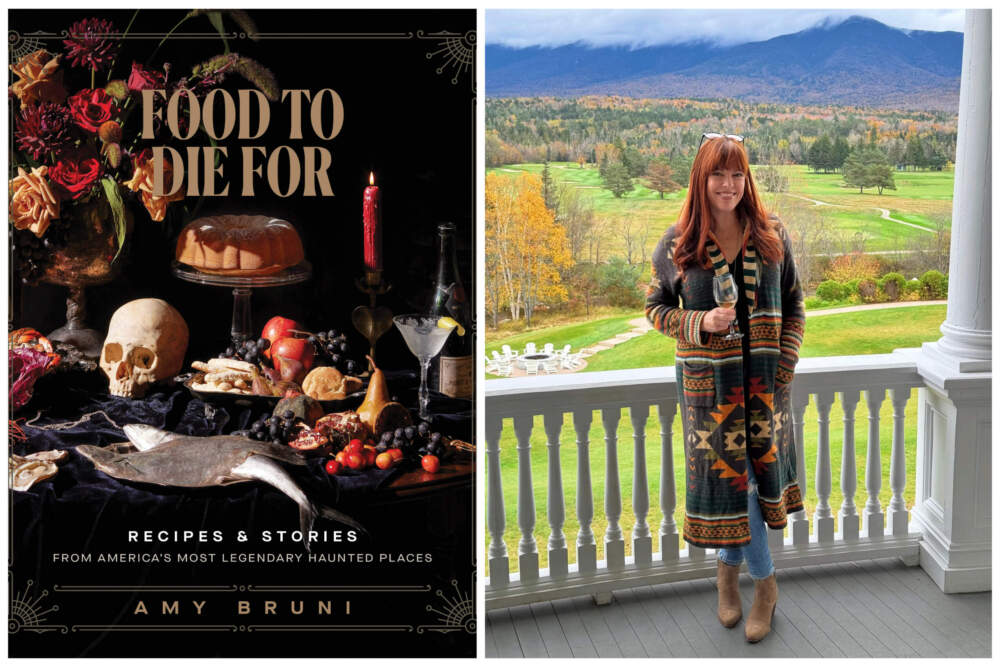
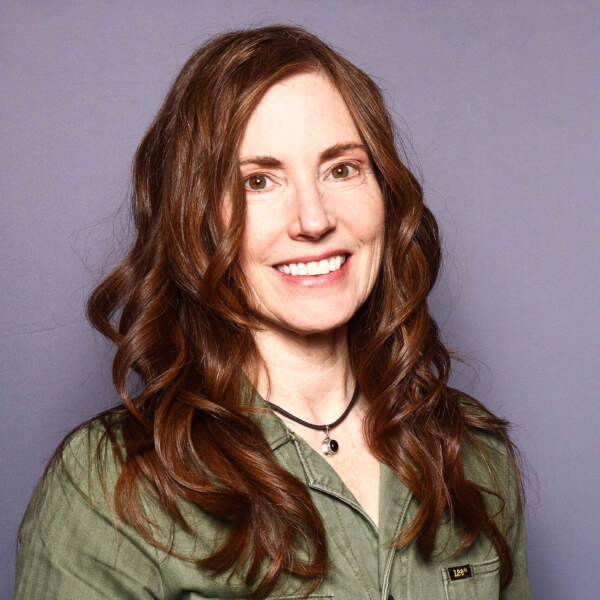
First-time cookbook author and Rhode Island-based paranormal investigator Amy Bruni knows the Borden house well. She recalled how a photo of Lizzie's handwritten meatloaf recipe, posted by the Fall River Historical Society, sparked her culinary curiosity. “I thought, 'You could make this recipe exactly as written and you would be instantly transported to an experience the Borden’s had — minus the axe murder part,'” Bruni said. “It led me to continue seeking out recipes from locations when I visited them.”
For more than a decade, she's toured the country as a researcher and star of the TV shows “Ghost Hunters” and "Kindred Spirits." Bruni also hosts the “Haunted Road” podcast and runs her own paranormal-themed travel business, Strange Escapes. “I love travel and food, and I often find myself seeking out haunted locations to dine at when I’m in a new town,” Bruni said. “I felt like that perspective would lend itself very well to a cookbook.”
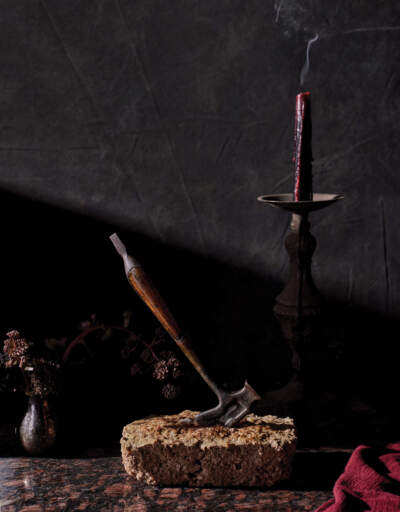
Now more than 50 spooky recipes fill the pages of Bruni’s "Food to Die For." Borden’s historic meatloaf is relatively simple, but also a bit frightening. It's loaded with ground-up steak and pork. Other ingredients include egg, onion, soda crackers and herbs. “We do not recommend this recipe for guests,” Bruni warns in her cookbook, “unless you are perhaps entertaining otherworldly guests.”
When asked if she tried the loaf herself, Bruni replied she’s a pescatarian, “so my writing partner Julie Tremaine had the lovely job of testing the meaty recipes for the book.” According to the author, readers who dared to make Borden's creation reportedly enjoyed it.
The idea of "haunted" recipes could evoke that gross-out scene in the horror movie “Poltergeist” where a steak crawls across the kitchen counter, but Burni believes food can bring the dead — and the past — back to life. “Taste and smell are two senses that can instantly flood you with memories and nostalgia,” she said. “We can look at photos and artifacts all day, but to actually cook and taste something from 200 years ago is a very different kind of history lesson.” For her, it's also a way to commune with the spirits of lost loved ones.
Bruni's lifelong obsession with the spirit world first materialized when she was a kid. In the introduction to the book, she recounts growing up in a haunted house. Bruni's father, who was an amateur ghost hunter himself, took her to visit historic, supernaturally-charged places. Eventually, Bruni's morbid curiosity turned into a career as a paranormal specialist. Her cookbook is filled with tales she dug up through her research.
For the more squeamish among us, Bruni laced her cookbook with pinches of tongue-in-cheek humor. For example, she described the old-timey dish “Lumpy Dicks” as a “breakfast porridge with the unfortunate name.” It was adapted from the “Donner Party Cookbook.”
“In my line of work, I’m surrounded by some very real tragic stories,” Bruni explained. “In the beginning, I found myself so immersed in dark history that it would affect me mentally." Being upbeat, and approaching some stories with dark humor, helped.
Recreating vintage dishes for modern cooks wasn’t easy, in part because standardized measurements weren't introduced until the late 1800s. “Some of these recipes came to us with very improvised ingredient amounts and cooking instructions,” Bruni said. “It involved a lot of testing for sure."
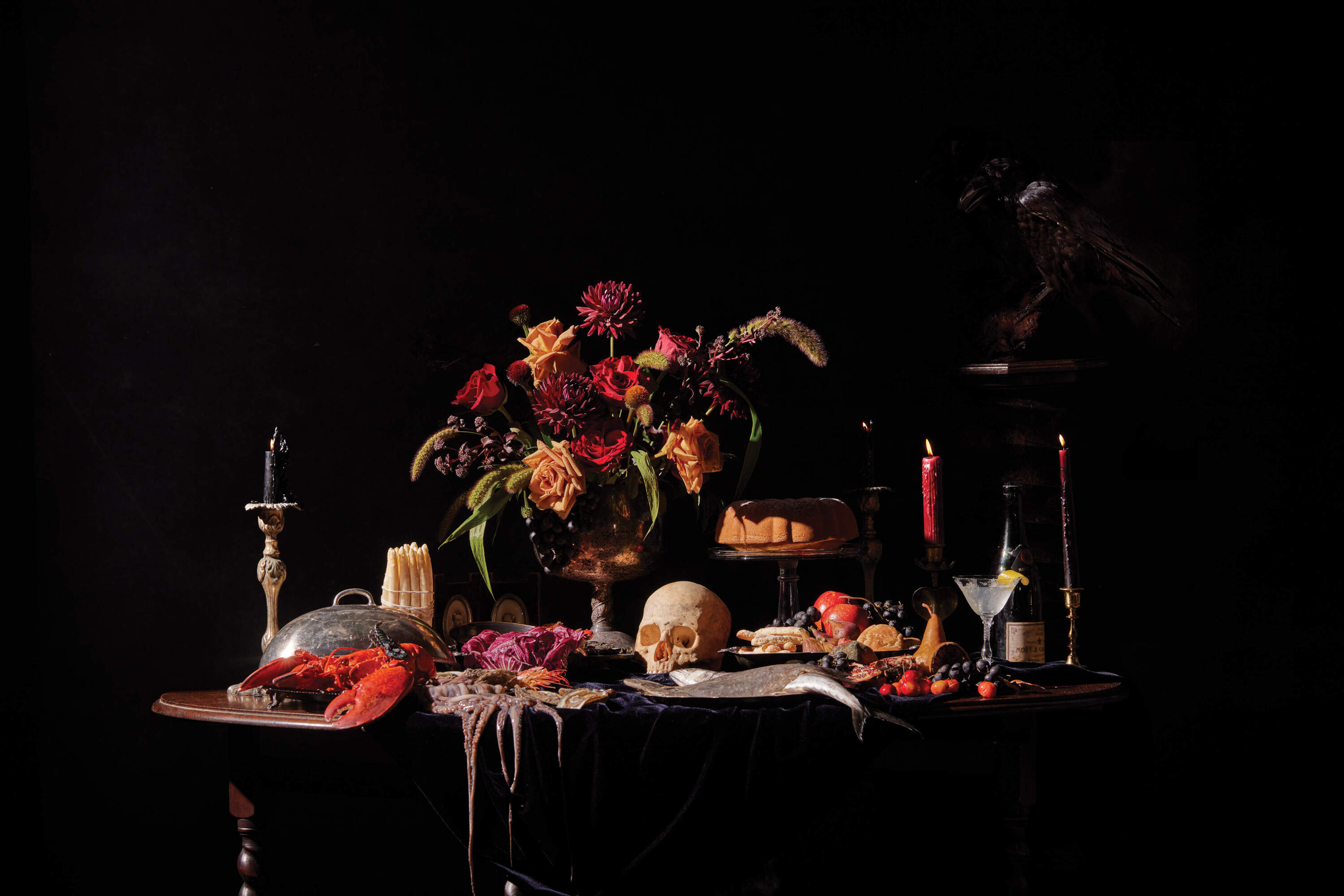
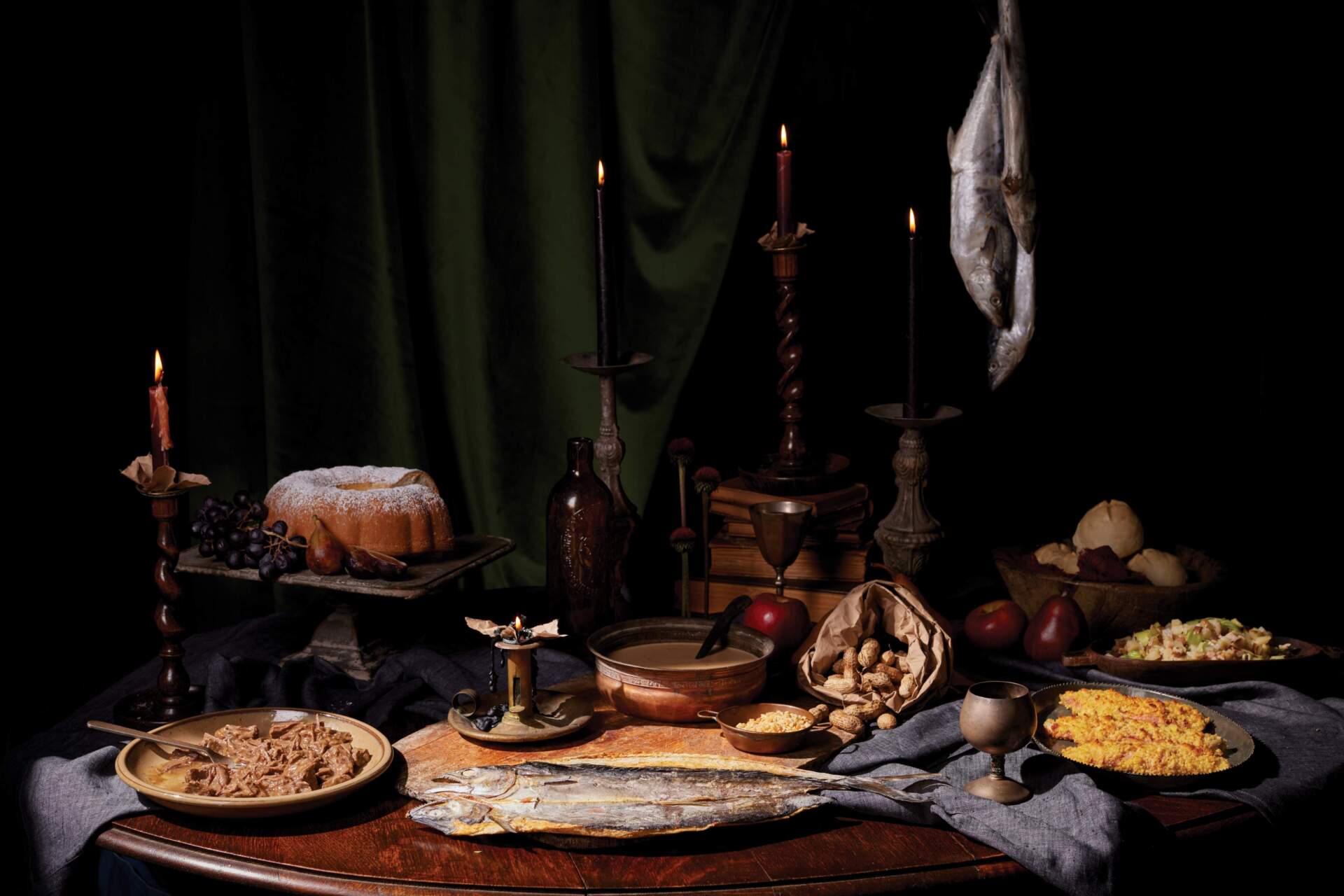
Then there are the cookbook’s macabre images. Its stylized photos channel still-life tableaus from the Renaissance. Bruni said she and her partners were going for an aesthetic that was “gothic, colonial and witchy.”
Other "Food to Die For" recipes include Sheboygan Asylum Caesar salad, cinnamon sugar cookies from Alcatraz, the Mark Twain House & Museum’s ladyfingers and Mary Todd Lincoln’s white almond cake. Bruni researched dozens more from "eerie hotels," "otherworldly watering holes," old jails, ghost towns and historic landmarks. More than a few — including the two below — hail from New England, a region known for Stephen King and the real-life horror of the Salem witch trials.
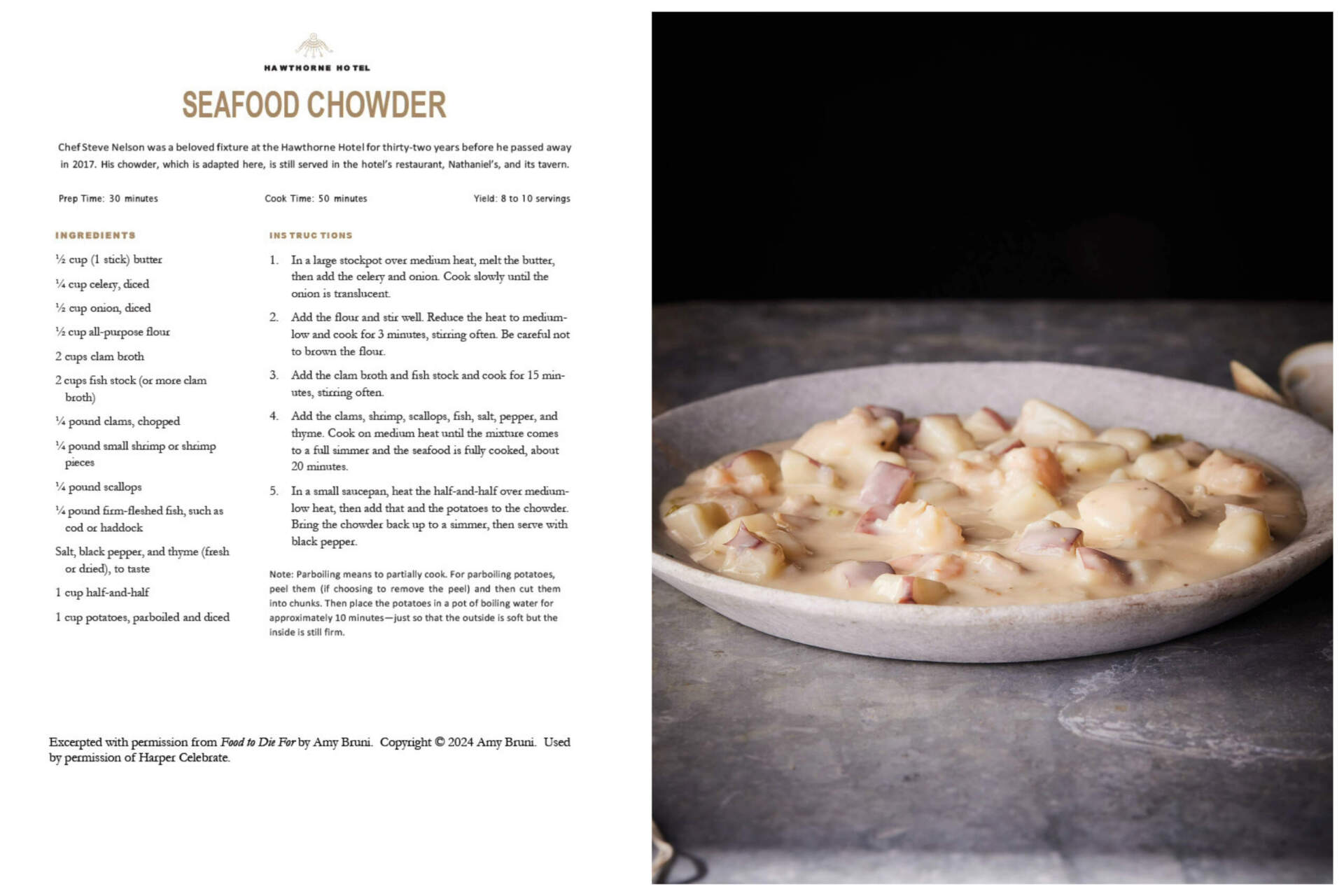
Seafood chowder from Salem's Hawthorne Hotel
This 1925 hotel was built on land said to have been owned by Bridget Bishop, who was wrongfully executed for witchcraft during the Salem trials in 1692. In her book, Bruni says some believe the ghosts of mariners are behind reported paranormal activity, including a captain's wheel in the hotel's restaurant that sporadically turns on its own accord. Guests say they've encountered lights and faucets that turn on by themselves, and a specter known as "the Lady in White." But Bruni included the Hawthorne's seafood chowder for the flesh-and-blood human being who crafted it.
"This recipe is near and dear to the hotel because they still prepare it today to honor a past chef whose recipe it was," Bruni said. "He passed away, and this is their homage to him on the menu, so it seemed the perfect choice for the book."
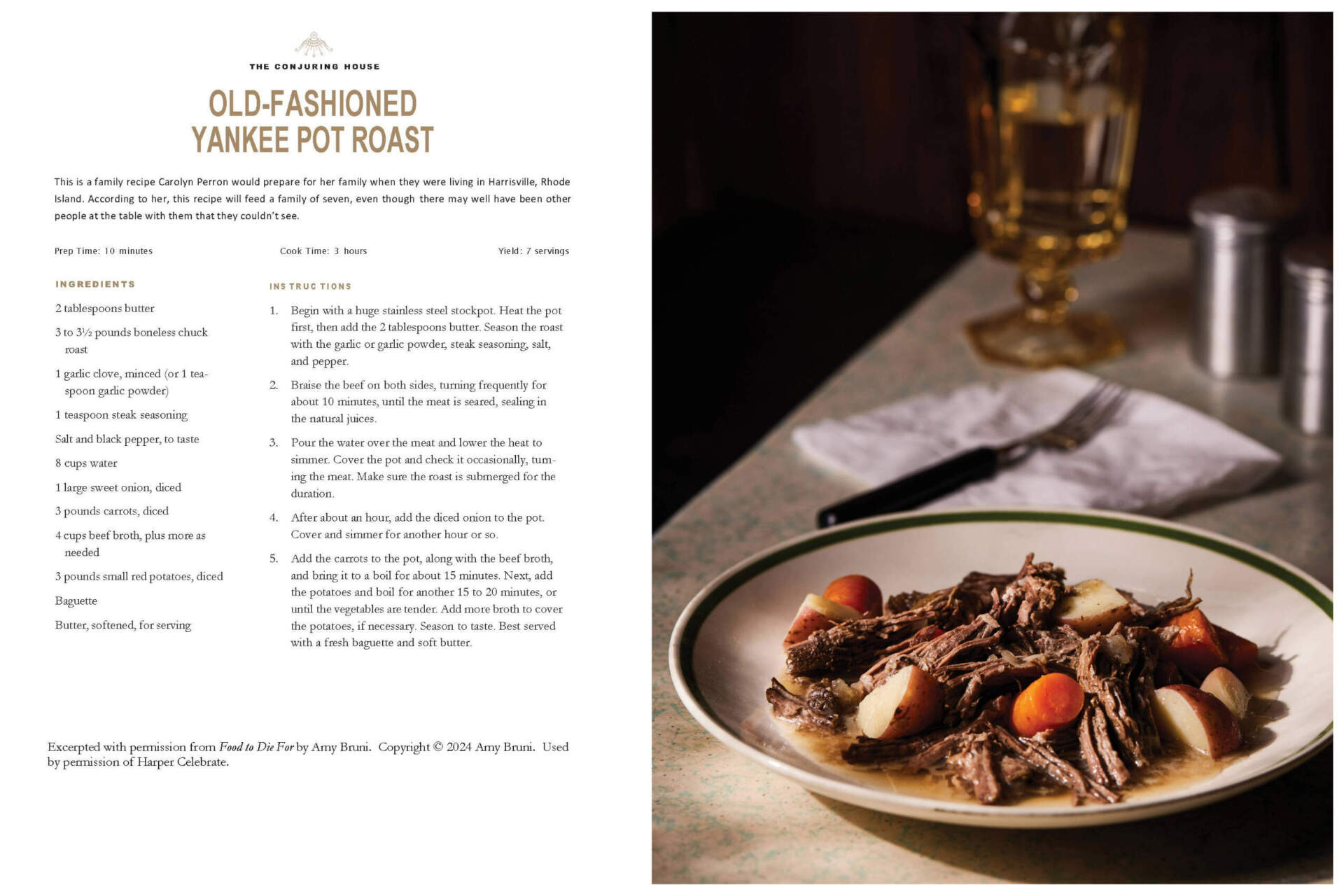
Old-fashioned Yankee Pot Roast from The Conjuring House
This 18th-century house in Harrisville, Rhode Island is notorious for all manner of malevolent activity by unseen forces. The Perron family says they experienced violent, but also positive encounters with entities while living there in the 1970s. They called in paranormal investigators Ed and Lorraine Warren, who eventually inspired the horror film "The Conjuring." Bruni said she's very close with the Perron family.
"I asked Andrea Perron personally for this recipe, and it’s her mother Nancy’s specialty," Bruni said. "Between the time I was given the recipe and the book's publication, Nancy Perron passed away, so I love that we were able to include this in the book for them."