Support WBUR
Review
'Father Mother Sister Brother' is a melancholy triptych of fraught family reunions
If you’re lucky enough to still have your parents with you, every once in a while, you’ve probably found yourself talking to them and wondering, “Who are these people?” The mysteries of those who raised us haunt Jim Jarmusch’s “Father Mother Sister Brother,” a melancholy triptych of fraught family reunions. I’ve seen the movie described as minor, but minor-key might be a more apt description. It’s a film of quiet yearning and missed connections, about people who want to love each other but can’t seem to figure out how. Pokerfaced and exacting even by Jarmusch’s deadpan standards, it’s a comic drama without any obvious jokes or emotional breakthroughs. This is one of those movies that’ll cause some viewers to complain that “nothing happens,” even though everything does. It all comes in under the radar, stealthily accumulating an almost devastating power. By the time the third chapter ended, I couldn’t figure out why I was crying.
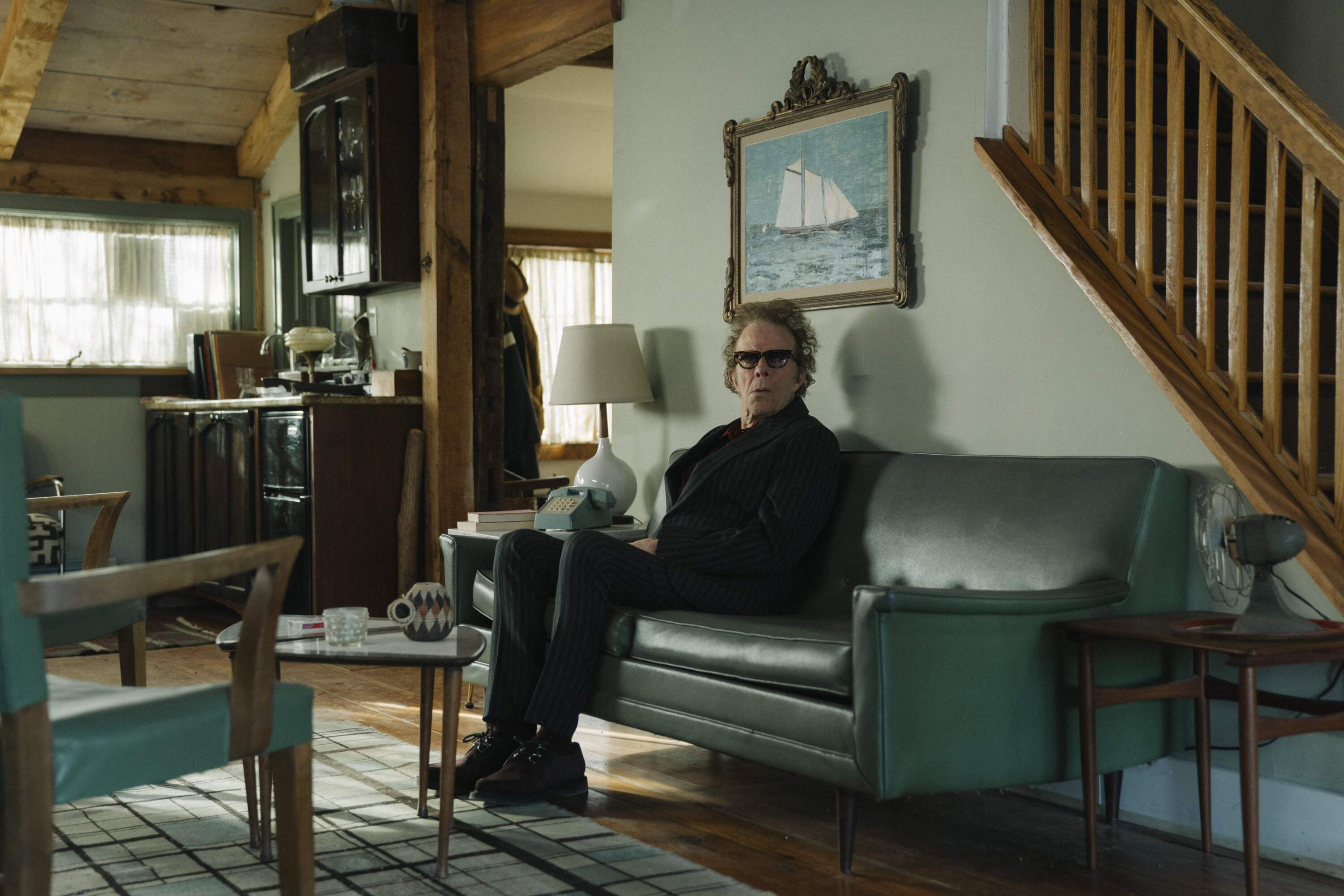
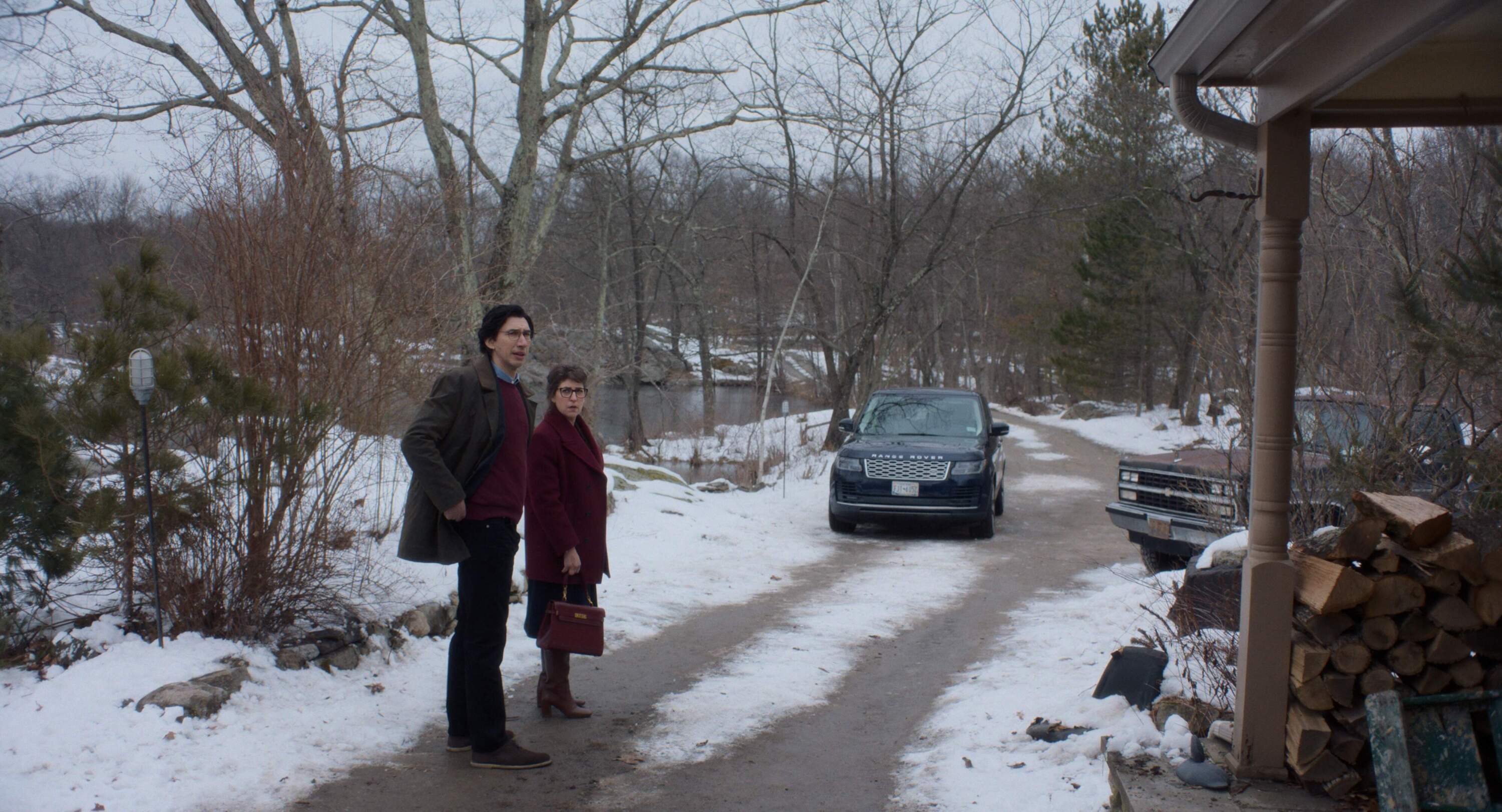
The three short stories share similar components, and part of the fun is seeing how Jarmusch mixes and matches them in three different countries (with two different cinematographers) as key phrases and other elements overlap. The first chapter, “Father,” is the most overtly amusing, with Adam Driver and Mayim Bialik as squabbling siblings visiting their eccentric widower dad (Tom Waits) in the snowy wilds of New Jersey. Jarmusch and Waits have been collaborating since the ‘80s, and the singer settles into the role like it’s a comfy, weatherbeaten sofa. He plays a wily old codger who messes up the house before the kids arrive to make himself look worse off than he really is, drolly fleecing Driver for cash while trying to hide his fancy Rolex watch.
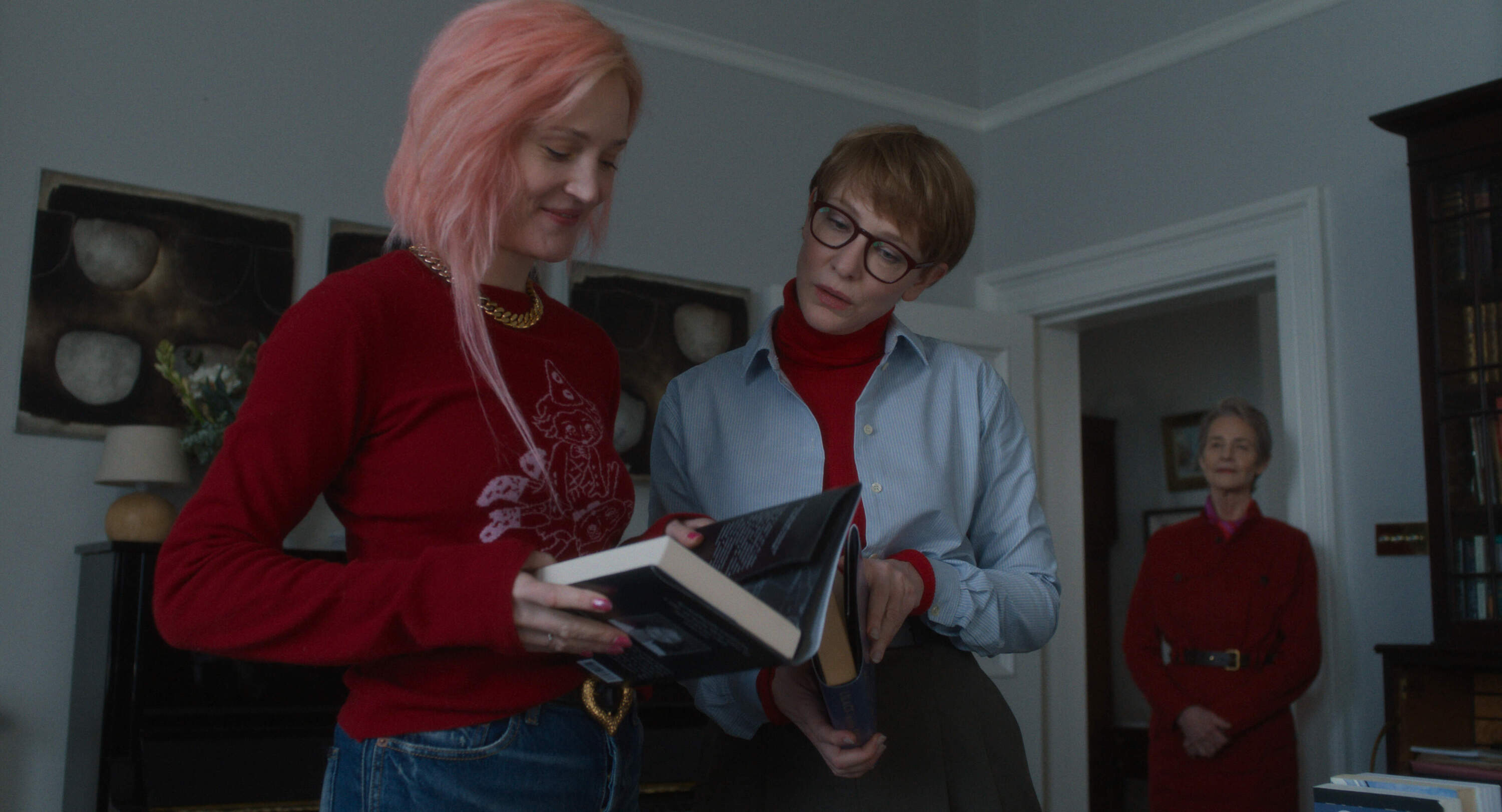
Rolexes recur in all three stories, as do variations on the British slang saying “Bob’s your uncle” and a trio of skateboarders who slip ethereally into slow motion. Such unifying elements would seem to disprove Leo Tolstoy’s famous line about unhappy families, as these folks all appear to be suffering from a similar malaise. “Mother” takes place in Dublin, where Charlotte Rampling’s successful mystery novelist prepares for an annual afternoon tea with her two daughters. A pink-haired Vicky Krieps plays the younger one, who babbles nonsense about an obviously non-existent influencer career that everyone at the table is too polite to call her on. Cate Blanchett co-stars as the older, more reliable sister, who has a boring job and drives a boring car. She even has a boring haircut.
It’s amazing what a full picture of the family dynamics we get in these first two chapters, given how nobody really talks to each other. Their rigid formality is not uncaring, but leaves the lonelier, more vulnerable children — Driver and Blanchett — grasping at air. Jarmusch is precise in his camera setups, deliberately isolating characters within the frame at crucial moments. The pictures tell just as much, if not more, of the story than the pared-down dialogue. The script’s strict attention to ritual means that much is made about the specifics of toasting and teatime, cultural obligations that are to be play-acted according to a certain set of unwritten rules, just like the visits of these semi-estranged family members.
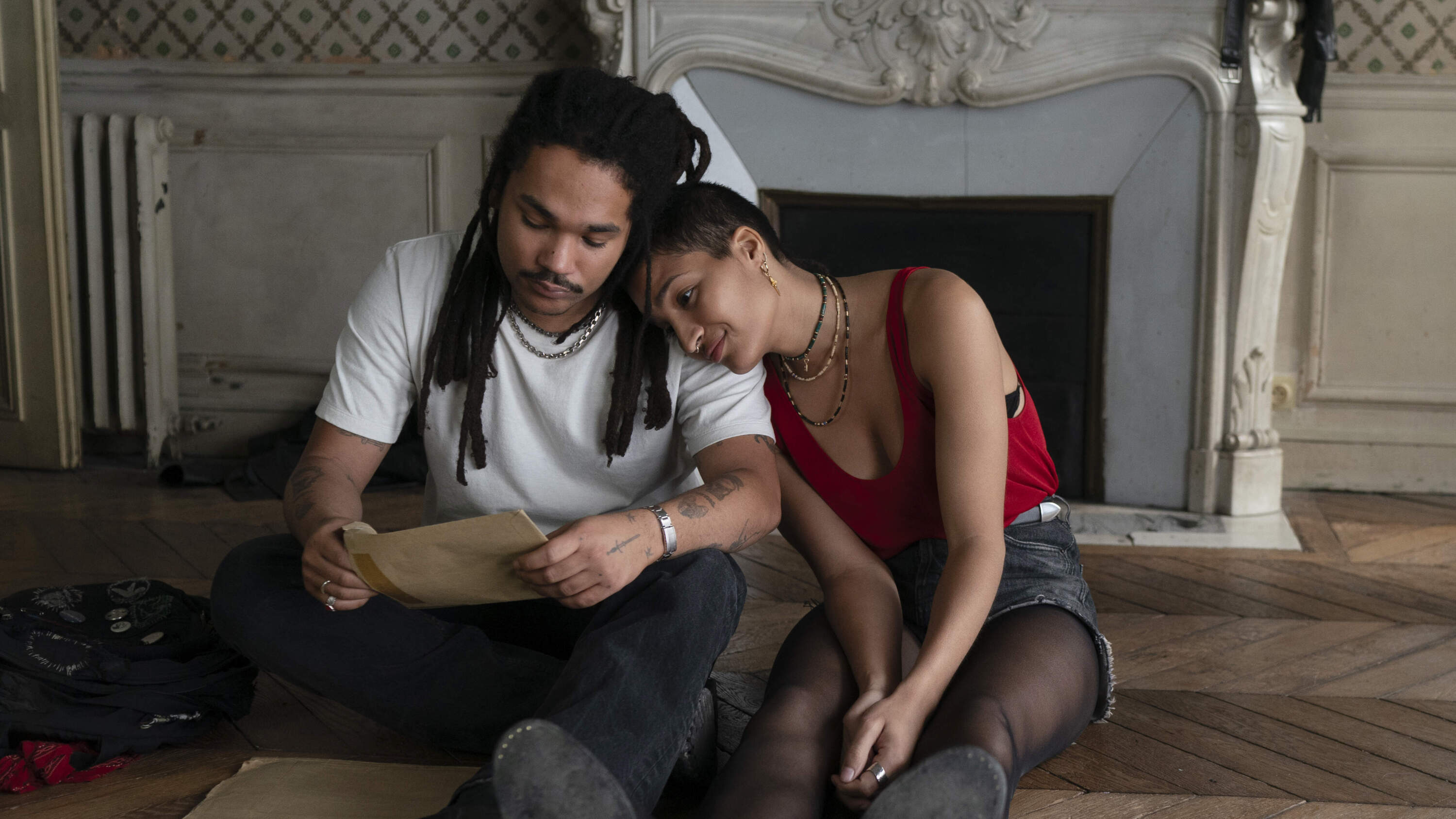
The third chapter, “Sister Brother,” is an outlier in that it’s about affectionate siblings who actually enjoy each other’s company. Luka Sabbat and Indya Moore star as fraternal twins cleaning out the Parisian apartment of their parents who were recently killed in a plane crash. There’s a real warmth in this segment, with the two grieving adult children poring over old heirlooms and surprises that suggest their parents had all sorts of adventures previously unknown to their kids. But isn’t that always the way? We’re brought up believing that we are the center of our parents’ universes. Sometimes it’s tough to imagine them existing before us, or living lives without us. “Father Mother Sister Brother” doesn’t try to solve that conundrum so much as it simply muses on it, accepting that it’s probably impossible to ever really know anyone as well as we want to. Not even the people we love.
Jarmusch’s last film, 2019’s star-studded zombie comedy “The Dead Don’t Die,” was his sloppiest and least essential, a “Cannonball Run” for aging hipsters. “Father Mother Sister Brother” is a far more disciplined affair, so formally rigorous it sometimes feels like a Japanese film, especially during all those shots around the tea table. The movie also recalls Jarmusch’s great 2017 “Paterson,” in which Driver starred as a bus-driving poet trying to find contentment in the structure and repetition of everyday life. The pattern repetitions in this picture provide little, mini-dopamine hits — as audience members, we do love to recognize things, don’t we? — while suggesting a universality across the film’s three countries. A lot of the dialogue is so sparse it could be one of Paterson’s poems. Nobody’s really saying what they feel except for the twins, who, in each other’s love, have found a freedom from the nervous reserve that seems to suffocate the other two families.
Now on his third Jarmusch film in a row, Driver acclimated so quickly to the filmmaker’s distinctive rhythms it feels like he’s been part of the gang for as long as Waits. At the New York Film Festival premiere, Jarmusch said he’d been kicking around an idea for a film in which Waits would play Driver’s dad when he sat down to watch “Jeopardy!” and realized that Mayim Bialik “could be Adam’s sister.” The thought of 72-year-old indie icon Jarmusch watching the after-dinner game show tickles me to no end — for some reason, I picture him wearing his trademark sunglasses and eating off a TV tray — but one needs only glance at Driver and Bialik together to realize it is indeed perfect casting.
“Father Mother Sister Brother” is full of little, throwaway moments that lodge in your memory, subtle tells that reveal lifetimes of family history. Both times I saw the picture, the knockout punch came for me when the twins finish packing all their parents’ belongings into a garage-style storage unit. Behind all that stuff, we can see boxes that the parents themselves packed up, full of belongings from their own parents, who the twins never knew. “It goes back pretty far,” says the brother. Then the garage door closes.
“Father Mother Sister Brother” is now in theaters.