Support WBUR
ICA show explores five decades of a Black Boston artists collective
This story doesn’t really have anything to do with tiki statues. But it’s where photographer Hakim Raqib began when asked about Boston artist Dana Chandler, Jr.
“He used to make these little statues — he called them tikis — out of wood,” Raqib said over the roar of the old heating system. Raqib was in his studio at AAMARP, or the African American Master Artist Residency Program.
AAMARP is located in an old industrial building, where it’s been for over three decades. “I would see Dana around and I bought one of them statues.”
Raqib recalled the detail from when he first met Chandler as teenagers in Roxbury. But it’s a detail that humanizes the indomitable force that was Chandler, who founded AAMARP in 1977. Chandler was outspoken and fiercely dedicated to uplifting art by Black and brown artists. He created AAMARP as a way to provide Black artists in the program with rent-free studios and resources.
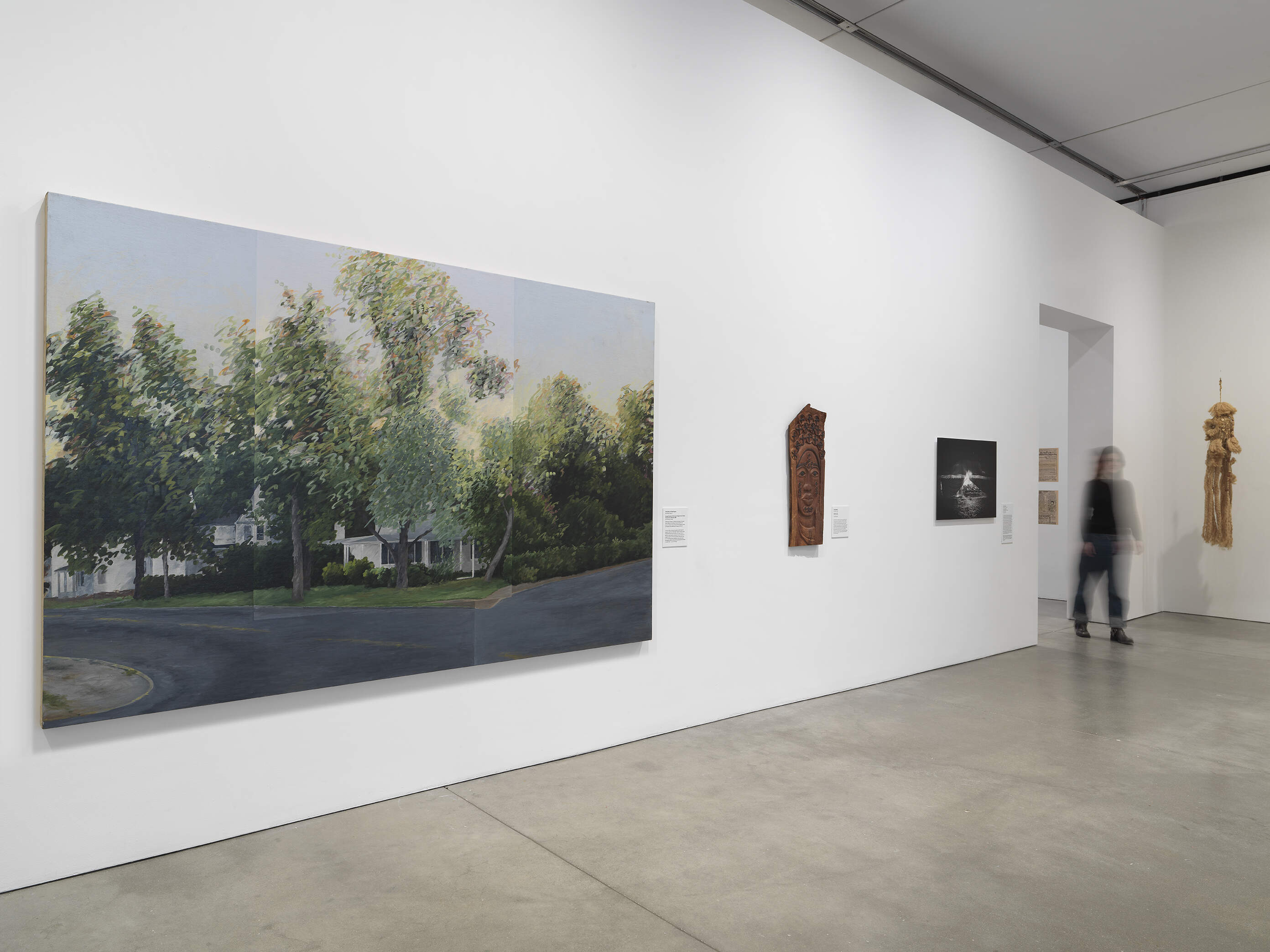
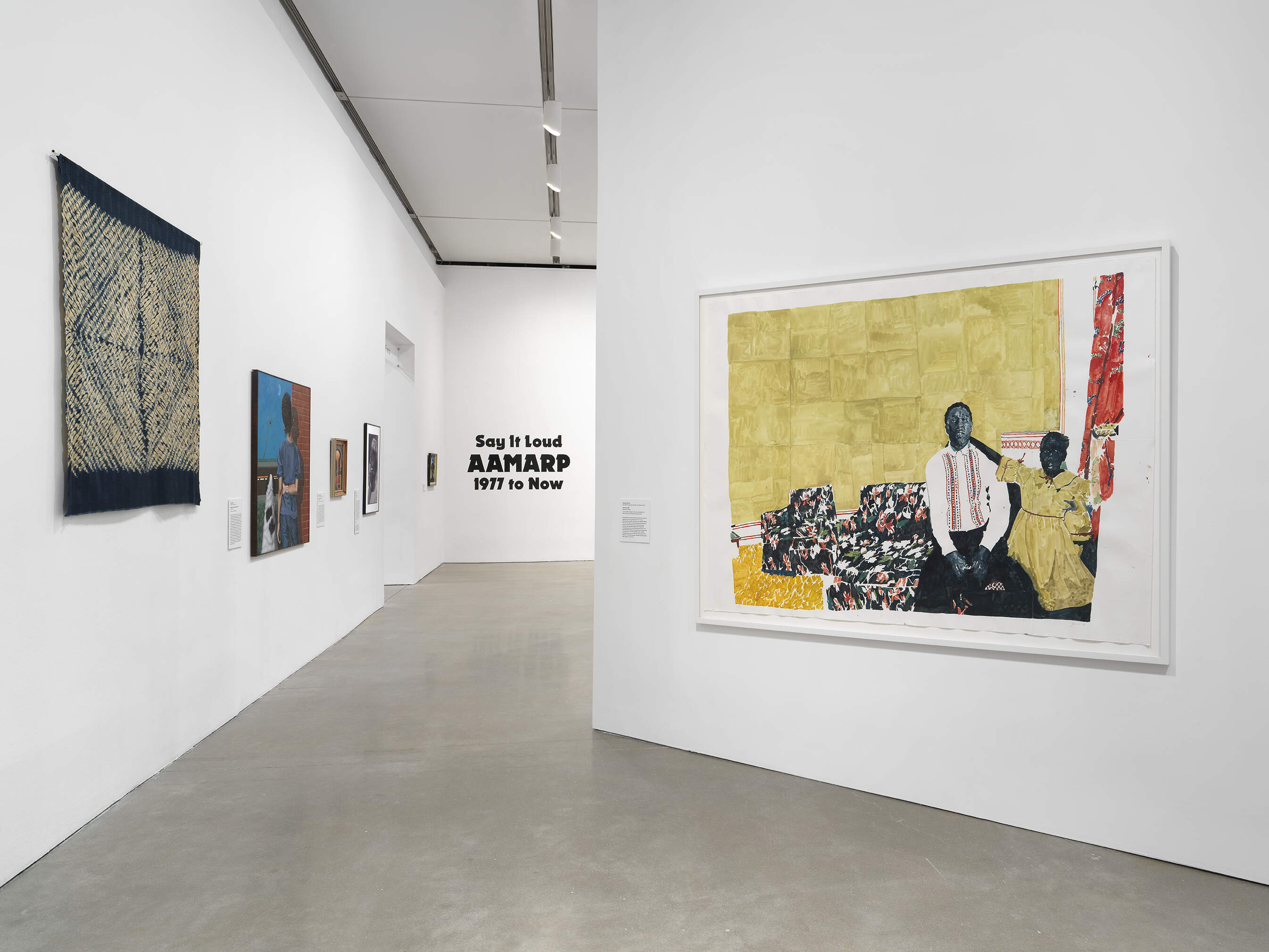
AAMARP is now the focus of “Say It Loud: AAMARP, 1977 to Now,” a new show at the Institute of Contemporary Art, Boston. Featuring more than 50 pieces from 39 artists, spanning from Barbara Ward's soft sculptures to photographs by Don West, “Say It Loud” is the first show at a major local museum to contextualize AAMARP and its local and national impacts.
ICA curator Jeffrey De Blois worked closely with Chandler and other AAMARP artists to organize “Say It Loud.” He and his team shifted through extensive archival materials and conducted interviews to rebuild AAMARP’s massive roster and history.
As one of the oldest residency programs of its kind in the country, AAMARP is historic, said De Blois. “Boston was a locus of black cultural production. There was a whole critical infrastructure for Black artists in Boston that was, by and large, ignored by the predominantly white museums in the city.”
The Black Arts movement emerged in the 1960s as the momentum for Civil Rights gained steam. As a result of being left out of major museums and galleries, Black artists created their own spaces. Artists like Faith Ringgold in New York and collectives like Chicago's AfriCOBRA made works that challenged racism and western hegemony.
In Boston, Chandler was doing the same. A 1970s profile of his art in Time magazine and his manifesto sent to the Museum of Fine Arts made Chandler an outspoken voice in the city's arts landscape. He knew that making a space for Black and brown artists was necessary.
“That's why Dana pushed for [AAMARP],” Raqib said. “He could have done this by himself, but he threw the net out to other artists who he knew deserved an opportunity to grow.”
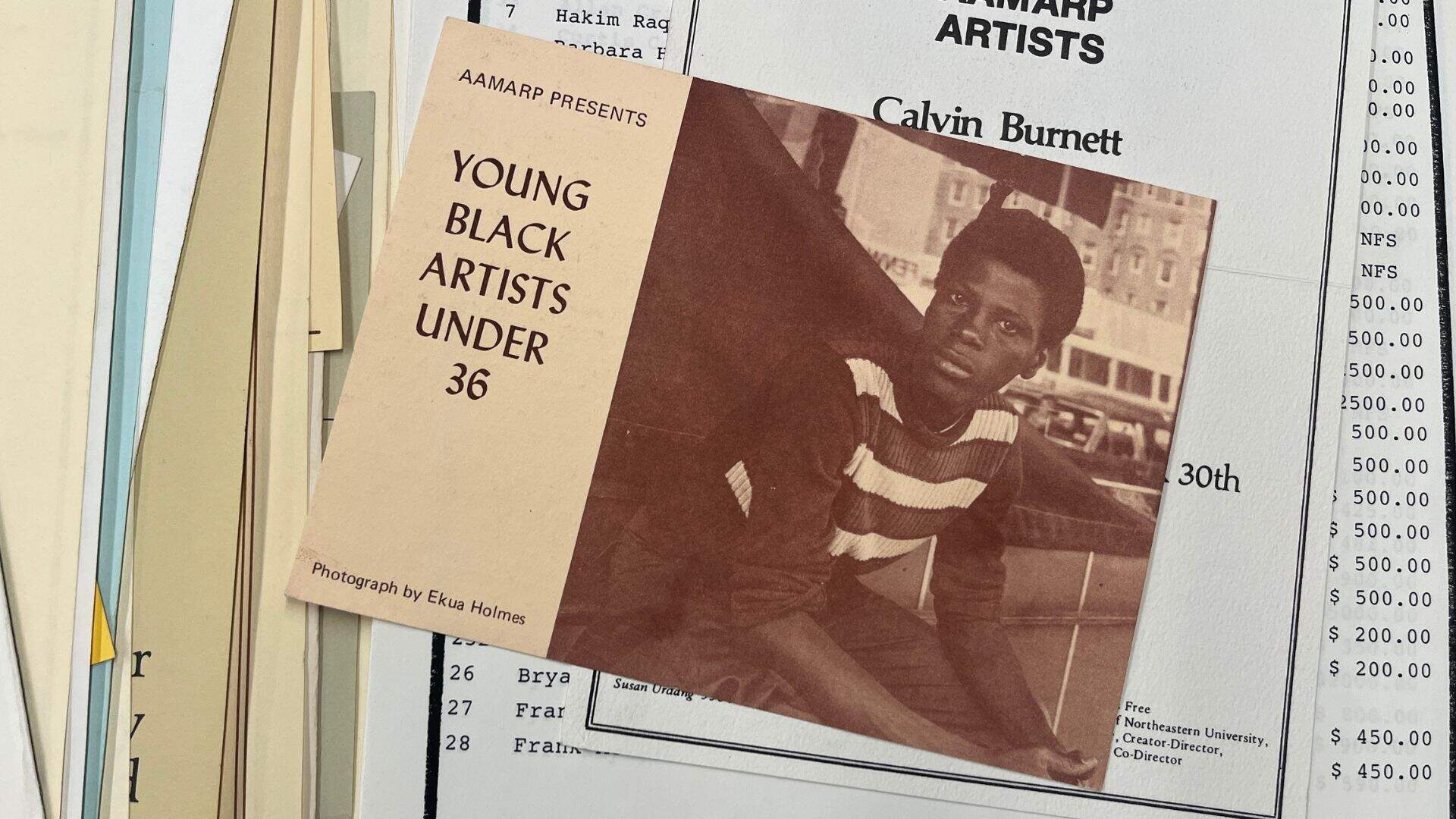
In the late '70s, Chandler partnered with Northeastern University to secure studio space at 11 Leon Street. The 13 artists on AAMARP’s original roster were offered free studio space and three-year residencies with the opportunity to renew. AAMARP quickly became a cultural and community hub as it started to host exhibitions, community events and workshops. Chandler would print flyers and distribute them everywhere, from barber shops to grocery stores.
“ All of the communities organizing for self-determination that was happening in the late '60s and through the early '70s, was happening here in Boston in a big way,” De Blois pointed out. “Any time any Black cultural figure of any import came through Boston, they came to AAMARP.” That included thinkers like Stokely Carmichael, writers like Sonia Sanchez and artists like Benny Andrews.
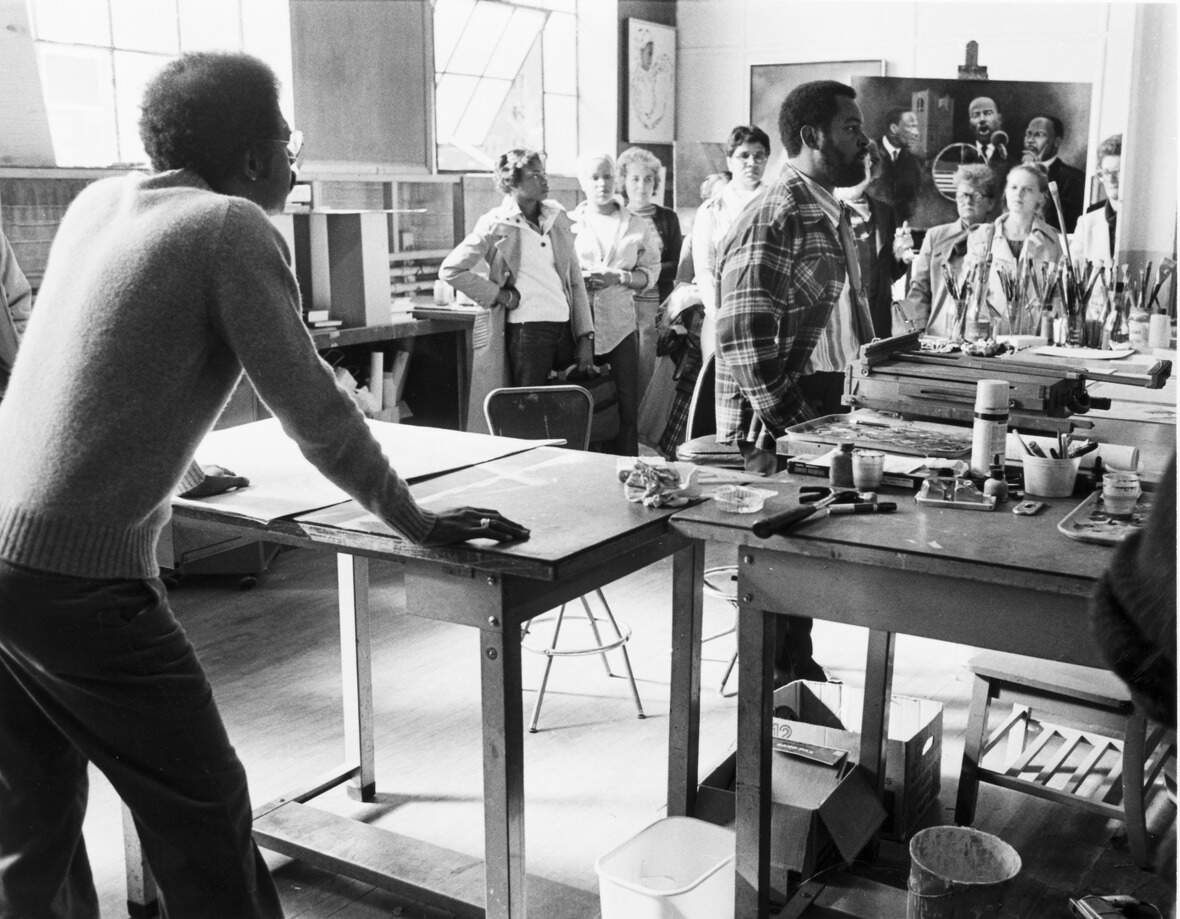
“Say It Loud” shines a spotlight on the powerful work of the many artists involved with the program while underscoring that AAMARP should be part of a national conversation when it comes to Black art movements. “This is a really Boston story in some ways,” De Blois said. “But what I'm really keen for people to see is that, while that's true, this is also part of a much broader dialogue.”
Throughout its history, AAMARP has hosted hundreds of exhibitions and community events with both local and national audiences. Dozens of artists of color have either participated in the program or are affiliated with it in some way. AAMARP artists have also helped shape the visual lexicon of areas like Roxbury and Dorchester, creating public artworks and murals.
Raqib said AAMARP has had a profound impact on his life. “This gave me a big opportunity to focus on my creative work and to teach young artists. I’m very proud to be a part of it.”
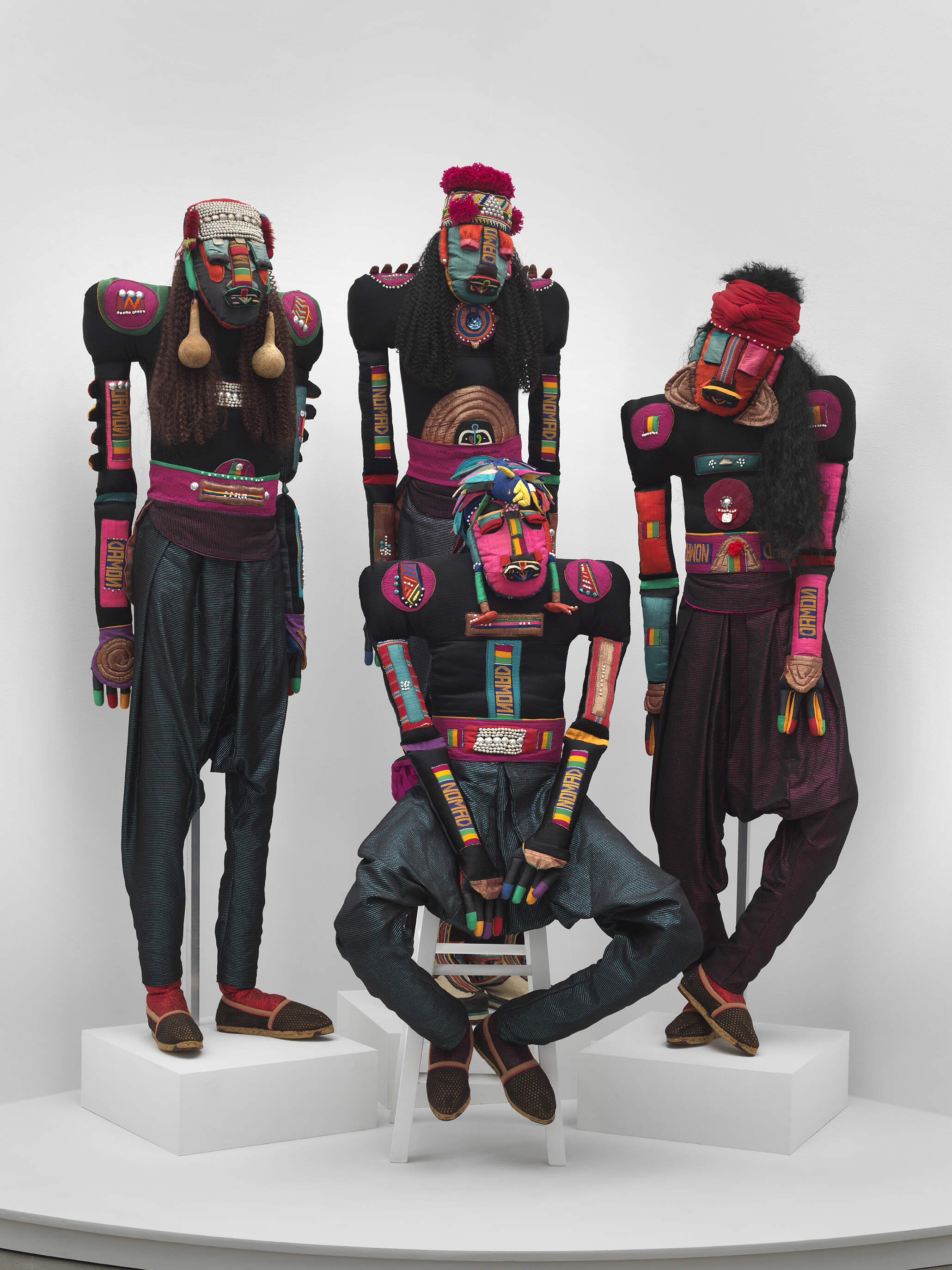
Despite the program’s place in history, its path has been turbulent. An affiliate program of Northeastern, AAMARP has been moved multiple times by the university. AAMARP eventually ended up on Atherton Street in 1990. Just a year later, Northeastern cut the program’s budget by 80% and in 1993 fired Chandler as AAMARP director.
Tensions rose again in 2018, when Northeastern ordered AAMARP artists to vacate the building on Atherton Street. The university claimed the artists had contributed to the building becoming “unsafe.” Chandler and AAMARP alleged the university had neglected to maintain the building. The artists eventually returned, but Raqib says the future is uncertain.
“There's a cadre of us that have remained and we're still fighting to keep the doors open.”
Given the tenuous circumstances, the exhibit at the ICA is a monumental moment for AAMARP. Raqib just wishes that Chandler were here to see it. Chandler passed away last year at the age of 84.
“ I think he's proud,” says Raqib. “God, I think he's proud. Because he believed in us.”
Ever vocal and staunch in his support of Black and brown art, Chandler wanted the artists at AAMARP to “say it loud” and be proud of their heritage and work.
Perhaps finally the art world is listening.