Support WBUR
At Berklee, aspiring composers worry AI threatens their future
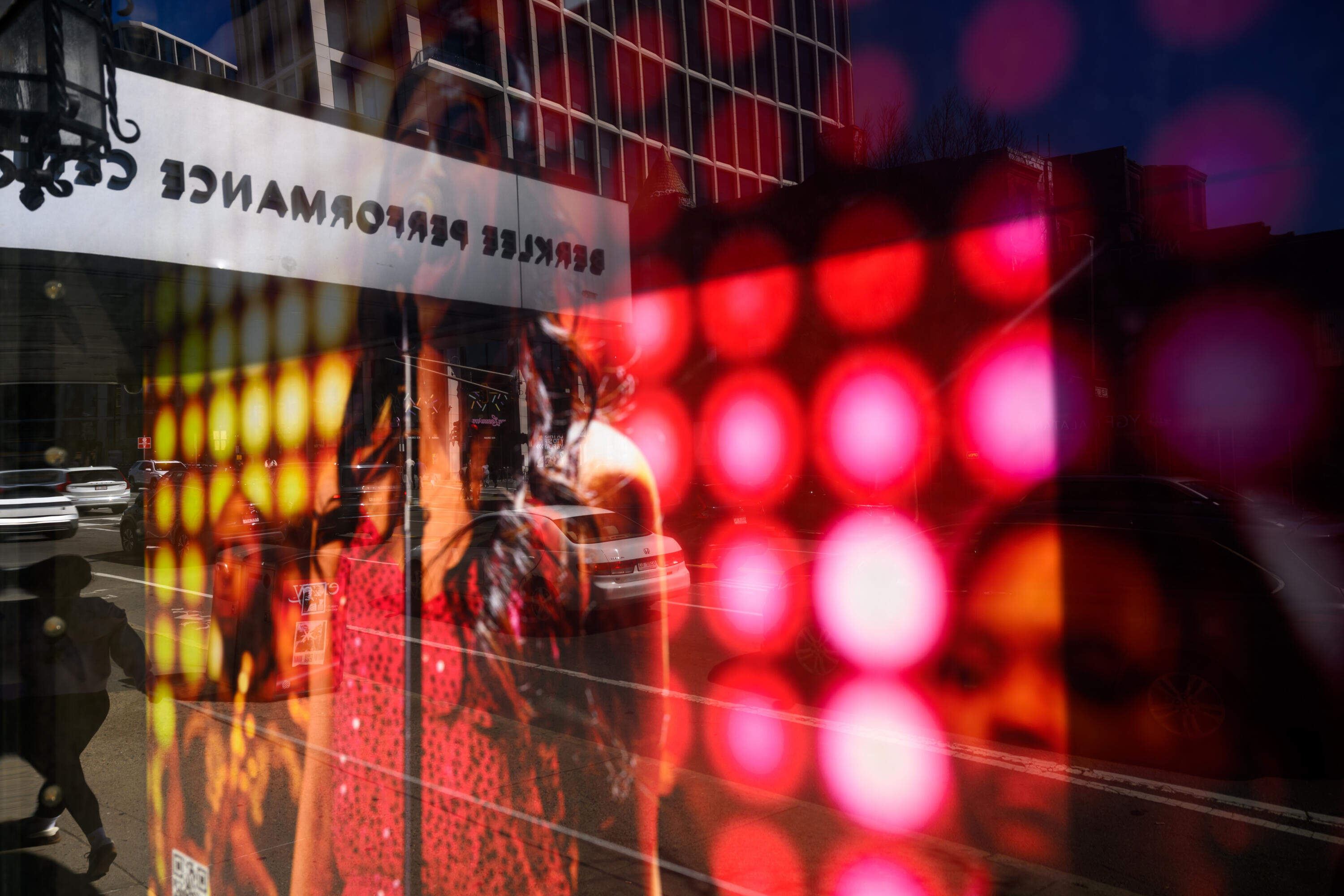
For centuries, the process of writing music has been the same, whether it’s done with pencil and paper or a computer: The art involves expressing human ideas through music.
Generative artificial intelligence threatens to upend that, and that dynamic is playing out at Berklee College of Music, one of the world’s top music schools. Students and faculty at the campus in Boston’s Back Bay are worried about AI’s integration into the school and what it means for its future graduates.
Carson Zuck, 22, was a freshman in college when ChatGPT was released. As Berklee began integrating AI into courses, Zuck said, he watched his education go through the “five stages of grief” where denial arrived first and acceptance came later.
Now a senior studying music composition and applied theory with a minor in film scoring at Berklee, Zuck said Berklee has fully embraced AI in its curriculum. He said he’s had professors in the film scoring department use generative AI to write musical cues.
“I'm not against it,” the aspiring film composer said. “I'm skeptical about what the curriculum is teaching you.”
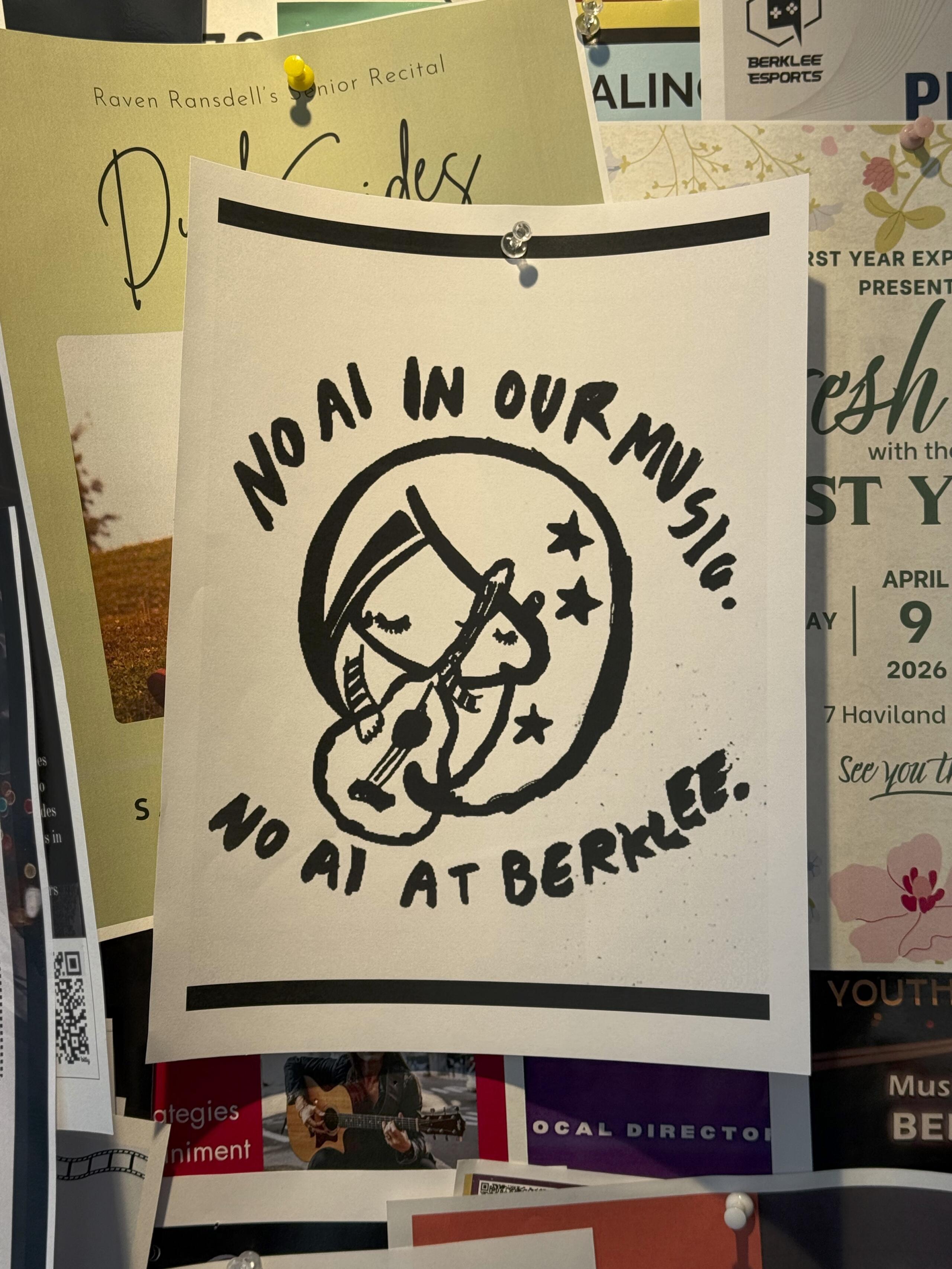
So are many other Berklee students. In one of the dorms on a bulletin board promoting performances and clubs, lies a black-and-white sign: “NO AI IN OUR MUSIC. NO AI AT BERKLEE.”
Classes exploring AI in composition and songwriting are popping up all over Berklee. Carlos Arana, who teaches a course called “AI in Music: Composition, Production and Analysis,” declined to speak to WBUR: “At this time I've been asked to hold off on interviews on this topic,” Arana said in an email. The college is also hosting an AI Music Summit in June, where organizers plan to explore the ethical questions around AI.
In a statement to WBUR, Berklee said: “As an artist-first institution at the forefront of contemporary music and performing arts education, Berklee has a responsibility to prepare our students to navigate technologies impacting the creative industries. We will continue to do so, in keeping with our guiding principles.”
But many students don’t want it. More than 400 people have signed an online petition started by a student that calls for the end of generative AI tools and an AI songwriting elective at Berklee.
Ben Camp, the associate professor who teaches the AI songwriting class, has ties to the AI music industry. Camp’s LinkedIn profile says they are an adviser to Suno, an AI music company based in Cambridge that can instantaneously create a song based on a simple prompt. Camp wrote on X over a year ago about Suno that “musically it’s better than 80% of my students, but my best students beat it by miles.”
That post has since been deleted.
Camp did not respond to requests for an interview.
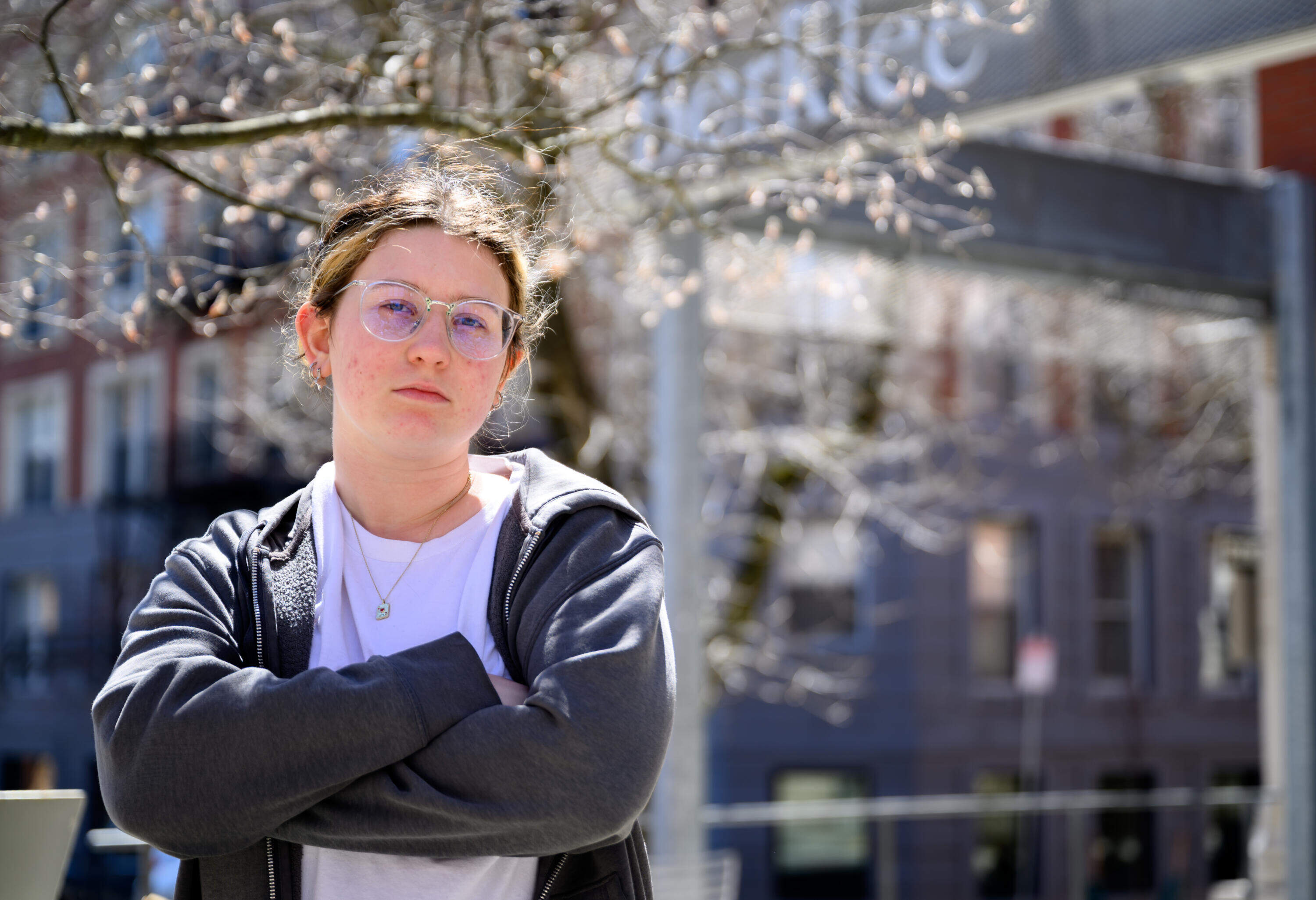
Keira Mann, 19, a freshman studying songwriting at Berklee, said she opposes the use of AI in her music. She’s been writing songs her entire life because she finds that it’s the quickest way to spread a personal story or message. That isn’t possible with AI, she said.
“We want to tell our own stories,” Mann said. “We don't want to tell [someone else's] version of that.”
Marti Epstein, a professor of composition at Berklee, said she’s noticed a shift in her students’ attitudes toward AI. When she returned to campus last fall, she said, students were less trustful of AI than they had been the previous semester.
Her students are worried about their futures, that their careers will be overtaken by AI, especially those studying songwriting and film scoring. Epstein said she tries to give her students perspective and assure them they will get through this period. She reminds her students it’s always been hard for musicians to make money and, no matter what, they would still be working hard.
“It's always been true that musicians have to do all kinds of wacky, weird jobs before they actually can make a full living as a musician,” Epstein said. “In some ways, we're not any different now than two or 300 years ago.”
Michael Hoffman, 21, a junior studying film scoring at Berklee, doesn’t worry about AI affecting his career on a day-to-day basis because it’s not creating something original and instead stealing from other artists.
What does worry him is when people can’t tell the music was AI-generated.
“[AI] is constantly fed with things that are old,” Hoffman said. “It is never truly going to create something that's going to push a boundary in any sort of way other than being AI music. My hope is that people will be sick of it.”
Evan Williams, an assistant professor of composition at Berklee, worries especially about his screen scoring students, who plan to become film composers. Those concerns come from the entertainment industry’s embrace of AI. Some AI-generated artists have garnered millions of Spotify streams, with fake backstories and photos. Williams thinks Hollywood will embrace AI next, using AI-generated music in place of music composed by humans who must be paid.
Williams, who has been involved in some “pretty vigorous” faculty discussions on AI in the composition curriculum, said “some of them have made some of us quite worried about how the school wants us to use this technology.”
Mark Ethier, the founding executive director of the Berklee Emerging Artistic Technology Lab, is having those conversations with students and faculty about how to incorporate AI. BEATL is new as of last semester and looks at how emerging technologies impact, collaborate and make a career in music, Ethier said.
“I want students to be educated regardless of where they fall on the spectrum of wanting to incorporate this into their art or not,” Ethier said.
At the end of the day, music is how musicians communicate. It’s how composers and songwriters write what’s important to them. Making art, experiencing art is not just about creating it – it's about engaging with it, said Jesse Williams, associate professor in the harmony and jazz composition department at Berklee.
“Art is a very primary human experience, and when we take the creation part out of it, you're losing something pretty significant,” he said.
Mark Ethier is also a member of WBUR's Board of Directors, which does not have influence over WBUR's editorial decisions.
This story is part of a partnership between WBUR and the Boston University Department of Journalism.