Support WBUR
Boston's proposed arts cuts put small organizations at risk
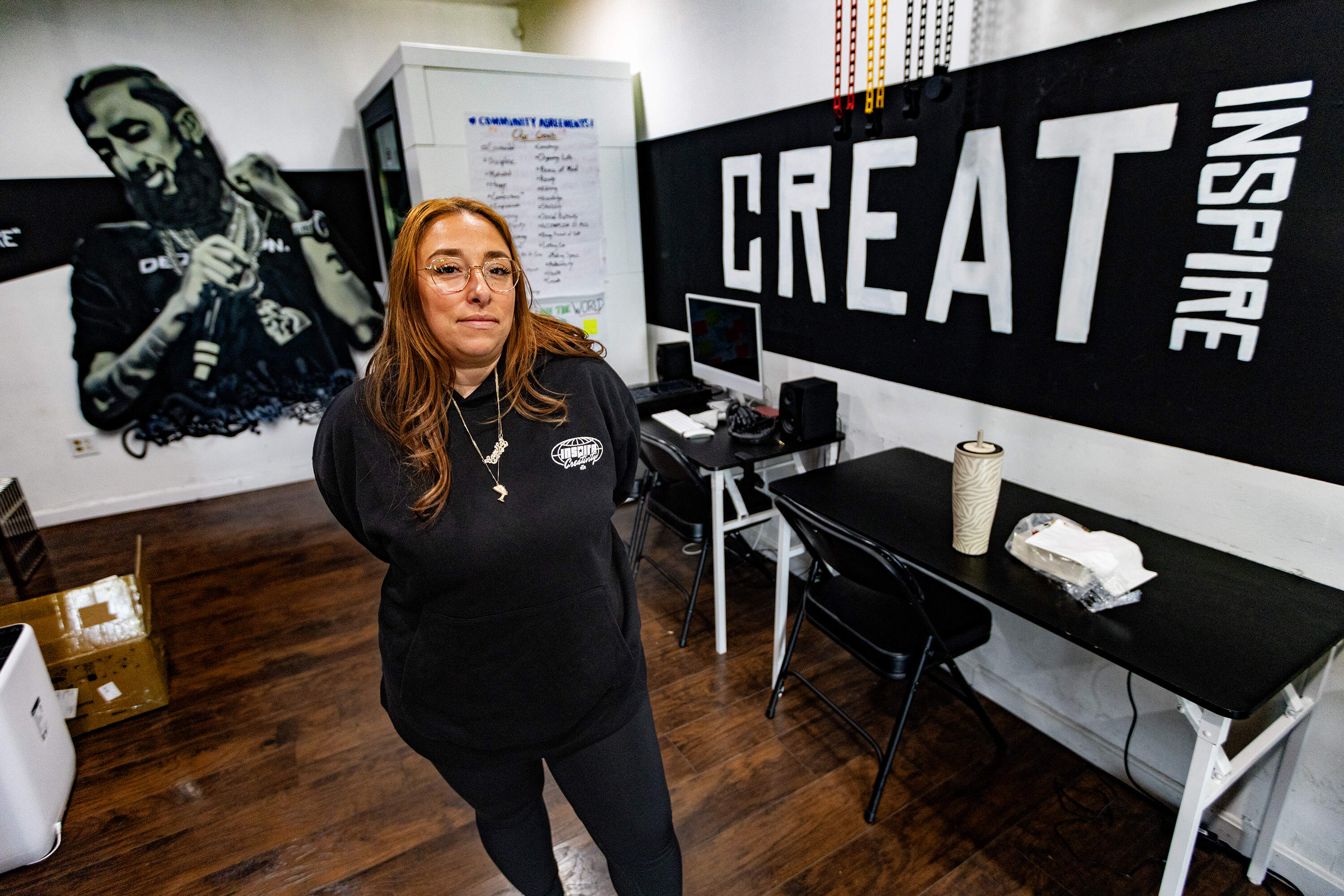
On a recent afternoon, Camila Rojas Pagan poked her head into the recording studio at Beat the Odds in Dorchester. A group of young guys was crammed onto a couch, watching program coordinator MaceyOMaze mess around with a synthesizer.
“ Just started cooking up the beat, getting ready to write to it,” Maze said, as he experimented with the metallic tap of an electronic high hat.
Pagan co-founded Beat the Odds in 2019. The nonprofit serves 14- to 24-year-olds in Boston’s low-income communities, offering programs in music, dance, artist development and content creation as well as mental health support and even dinner.
"We really wanted to build something in Dorchester, in Roxbury, where kids could easily get to, and just feel safe,” Pagan said. “Feel safe to be themselves and feel safe to create.”
Every square inch of the nonprofit’s homebase on the Roxbury-Dorchester line is put to use, from a stage that doubles as a podcast set to a cluster of couches that can be moved to make way for a video shoot. The small space gleams with new tech, decked out in television monitors, microphones and production equipment.
This has all been possible thanks to a cultural investment grant from the city of Boston, part of a program funded by pandemic relief money. Beat the Odds received $600,000 over four years, allowing the organization to move into its own space and hire full-time staff. Pagan said getting the grant felt like being anointed by the city, opening the door for funding that would help sustain Beat the Odds going forward.
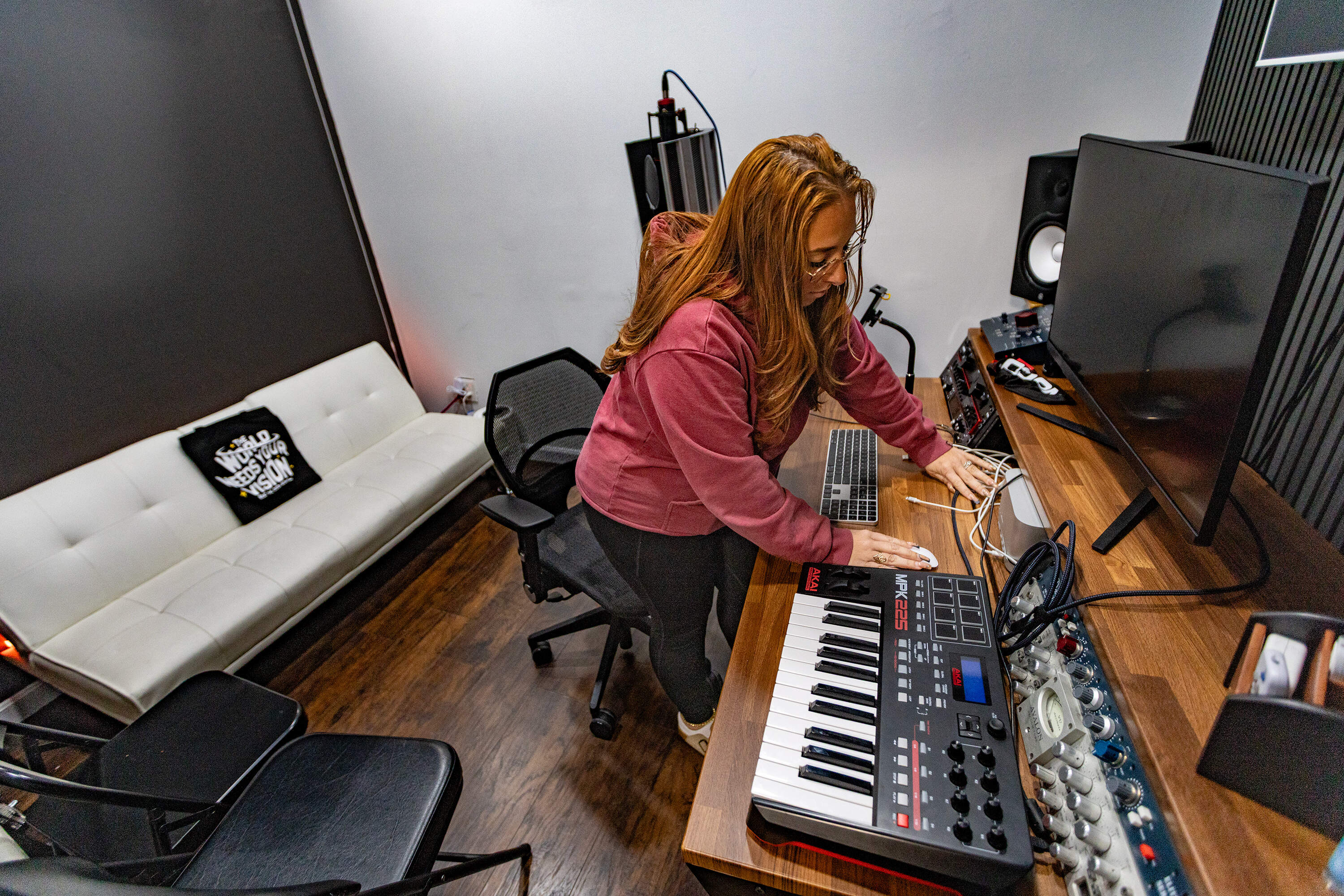
“That really was the turning point for us to say, we can fully pour into this organization, make it do what it's supposed to do,” Pagan said.
Now, many of those expected funding opportunities are drying up. Pagan says city budget cuts to the arts office and other departments will result in up to $50,000 of lost income and a reduction in some services at Beat the Odds.
“It's almost like, why would you invest if you're going to take it away?” she said.
In recent years, Boston has invested heavily in the arts. The Mayor’s Office of Arts and Culture more than doubled its operating budget and staff, and the city earmarked $26.2 million from the American Rescue Plan Act to bolster Boston’s creative sector. All that is set to change, as federal pandemic funds run out and the city cuts grant programs to balance the budget.
Mayor Michelle Wu’s $4.9 billion budget proposal aims to shore up the city’s finances amid rising health insurance costs and an unpredictable economy. It does away with most grant funding, eliminates unfilled positions and cuts back on operational spending. Proposed budget cuts will slash a host of city grant programs, ranging from food pantry support to veterans services. The Mayor’s Office of Arts and Culture, the second smallest city department, will be reduced by $1.2 million, about 27% of its operating budget. All $950,000 previously earmarked for grant programs will be axed.
“ I wouldn't be surprised if certain organizations were forced to cease operations,” said Audrey Seraphin of the Boston Cultural Council.
The Boston Cultural Council allocates grants to small and midsized cultural organizations with funds from both the state and city. Wu’s proposed budget will do away with the city’s $500,000 contribution to the Council, essentially cutting its grantmaking budget in half.
“We are either going to have to make serious decisions about giving people less money, which I really don't feel good about,” Seraphin said. “Or giving fewer people money, which I also really don't feel good about.”
For young nonprofits like The Flavor Continues, an operational grant from the Boston Cultural Council can be crucial. Brian Lim, who founded the street and club dance organization in 2019, recalled what it meant to receive the unrestricted $10,000 grant.
“ If you know anything about the grant world, getting a general operations grant is gold. You can use it however you need to,” he said. “ $10,000 for us can look like almost a full year of rental space for our programming. That's gigantic.”
In addition, the mayor’s proposed budget will eliminate the Strand Theatre grant and the Opportunity Fund, two programs supporting local artists and free cultural events. Last year the city granted $150,000 to support performances at the Strand, a historic city-owned property in Dorchester that is widely viewed as underutilized. The Opportunity Fund, which is also being eliminated, was previously funded at $300,000 and offered project-based grants to individual artists to present free programming.
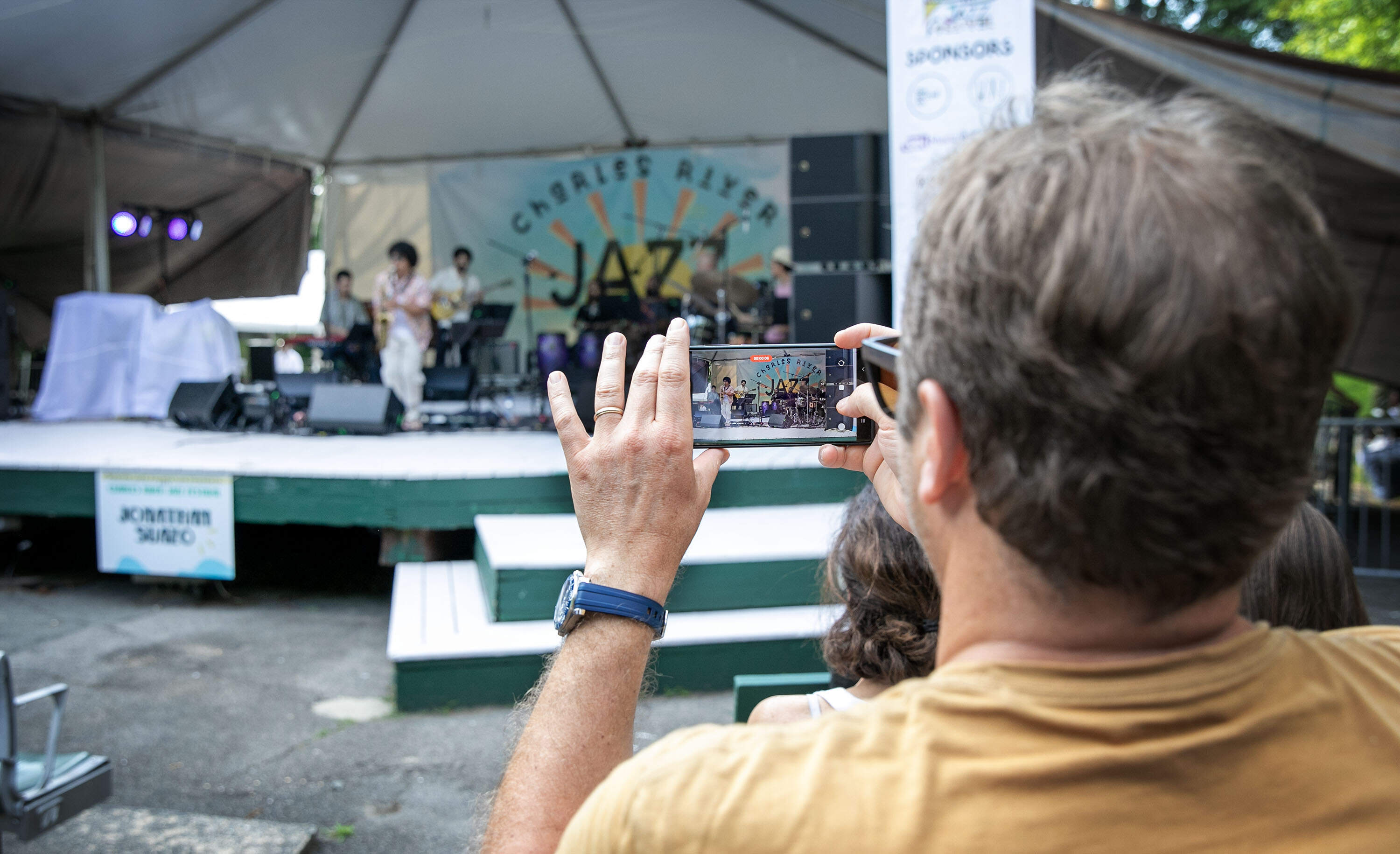
For saxophonist Seba Molnar, the Opportunity Fund was critical for helping him launch the Charles River Jazz Festival. The grant application, he said, was easy to fill out and didn’t require nonprofit status. The annual free festival has also received funding from the Boston Cultural Council.
“ Without these city grants, we literally would not exist,” Molnar said.
The cuts to the city budget, advocates noted, come at a challenging time for the arts.
“ On top of the tremendous federal cuts, and the different shifting priorities of private foundations, this represents just another really huge challenge for Boston's art community,” Seraphin said. “To be honest, it's not what I expected.”

Her surprise, she said, was in response to Wu’s championing of the arts during her tenure. The proposed budget does preserve the mayor’s signature arts program, Boston Family Days, which makes museums free for Boston students and their families two days a month.
The mayor has defended her budget as tough but necessary in the face of ballooning costs. City spokesperson Marcela Dwork emphasized that the Mayor’s Office of Arts and Culture had grown under Wu’s leadership and maintained its robust staffing level.
“This budget protects those workforce investments, but removes grant-making that can’t be sustained during uncertain economic times,” Dwork said in a statement to WBUR. “Preserving our staffing will enable us to focus on long-term strategic policy and planning to reshape the landscape for funding, facilities, and economic development through the creative economy.”
Many city departments are facing cuts. The Boston School Committee approved a budget in March that will eliminate hundreds of jobs in Boston’s public schools. Last month, city councilors unanimously approved a nonbinding resolution to restore funding to the Office of Veterans’ Services, which is set to lose $724,000, about 14% of its budget.
But arts advocates say the proposed cuts will disproportionately hurt the arts office while barely making a dent in the multi-billion dollar city budget.
“Arts is consistently underfunded and cut left and right,” said Ethan Dussault, a volunteer with the advocacy group Art Stays Here Coalition. “That doesn't make it any less disappointing, just because we're used to it. It needs to change.”
The arts community has begun to muster a response. A group called Arts Activate Boston, led by Company One, Art Stays Here and MASSCreative, helped pack a budget hearing earlier this month. Testimony lasted for hours, and city councilors seemed sympathetic. The city council can propose budget changes, but it doesn’t have the power to increase the budget overall. Restoring funding to the Mayor’s Office of Arts and Culture (sometimes referred to as MOAC) would mean cutting somewhere else.
“When cities are faced with limited resources, it is unfortunately arts and cultural services that tend to face the first significant cuts,” Boston City Council president Liz Breadon said in an email to WBUR. “Sadly, the important programs and grants provided by MOAC to Boston’s diverse arts and culture communities are often seen as supplemental rather than essential. The proposed 27% decrease in MOAC’s operating budget is deeply concerning to me, particularly as the District Councilor representing Allston-Brighton, which has long been a cultural hub of Boston.”
“The City’s budget season is not over yet,” Breadon added. “I would encourage community members to continue contacting their Councilors about this issue.”
The Boston City Council will take its first vote on the proposed budget on June 3. Some city councilors have suggested they may reject the mayor's budget outright, rather than propose amendments or adopt the budget as-is. The mayor has also requested permission to dip into the city's reserves in order to cover a $70 million budget deficit.
For Molnar, cuts to the arts are disappointing but not surprising.
“We're in a capitalist world where everything is focused on profit and the bottom line,” he said. “For real art to flourish, it needs investment, and it needs a community that supports it in a way that it's not expecting a return every single time.”
This segment aired on May 19, 2026.