Support WBUR
Boston's Saturday Morning Newsletter
What would you eat at a summer cookout in 1776?
Editor's Note: This is an excerpt from WBUR's Saturday morning newsletter, The Weekender. If you like what you read and want it in your inbox, sign up here.
After a hefty dose of summer heat this week, we’re careening toward a cool — and potentially rainy — Memorial Day weekend. While the unofficial start of summer may feel a bit more like spring this year, I’m still acting like summer’s begun. My sandals are on. My coffee is iced. And I’m already cooking up ideas for a barbecue.
Amid my cookout daydreams, I’ve also been thinking about a big anniversary approaching this summer: America’s 250th. With so many events centered on colonial history happening across the state, I found myself wondering about what people might've eaten at a summer gathering in 1776.
The short answer? Not burgers and hot dogs.
While the Indigenous tradition we know as a barbecue was present in colonial America — George Washington notably attended the barbecue of a whole ox in 1793 after the laying of the U.S. Capitol cornerstone — it wasn’t as easy for the average American family to stock up on meat the way they might today. That’s because there was no refrigeration.
“Back in early America, most food was very seasonal,” Tom Kelleher, a historian and curator at Old Sturbridge Village, told me. “So, you don’t tend to have a lot of fresh meat in the summer because it’s too hot to butcher a large animal and not have flies lay eggs on it and make it all go bad first.”
With modern-day barbecue virtually off the menu, what else was on the table at a colonial summer celebration? I spoke with Kelleher and Nancy Siegel, a professor at Towson University and author of the book “Political Appetites: The Power of Food in Revolutionary America” to get a better picture of the food that screamed celebration in the 18th century.
The colonial summer plate
A classic colonial summer meal was more about salad and dessert than it was about meat — but that’s not because people didn’t enjoy it.
In 1776, America was mostly agrarian, she explained. The type of protein available would likely depend on the season, what kind of wild game was around, or the livestock a family kept, like cows, pigs and sheep, Siegel added.
“The fall is the harvest month, and that's when your breeds are slaughtered, and of course then you have all this wonderful fresh meat,” Seigel said.
Colonial Americans then salted or smoked the remaining meat yield to preserve it, giving them protein to eat until the next harvest, Siegel and Kelleher said.
But by the spring, people were pretty darn sick of eating the same salted meat they’d eaten all winter.
“They called it ‘six weeks of want,’ ” he said. “It wasn't that you wanted food. People didn’t have to go hungry. It was that you wanted variety, because you're having the stuff from the root cellar, you're having the salted meat, and it's too early to start butchering.”
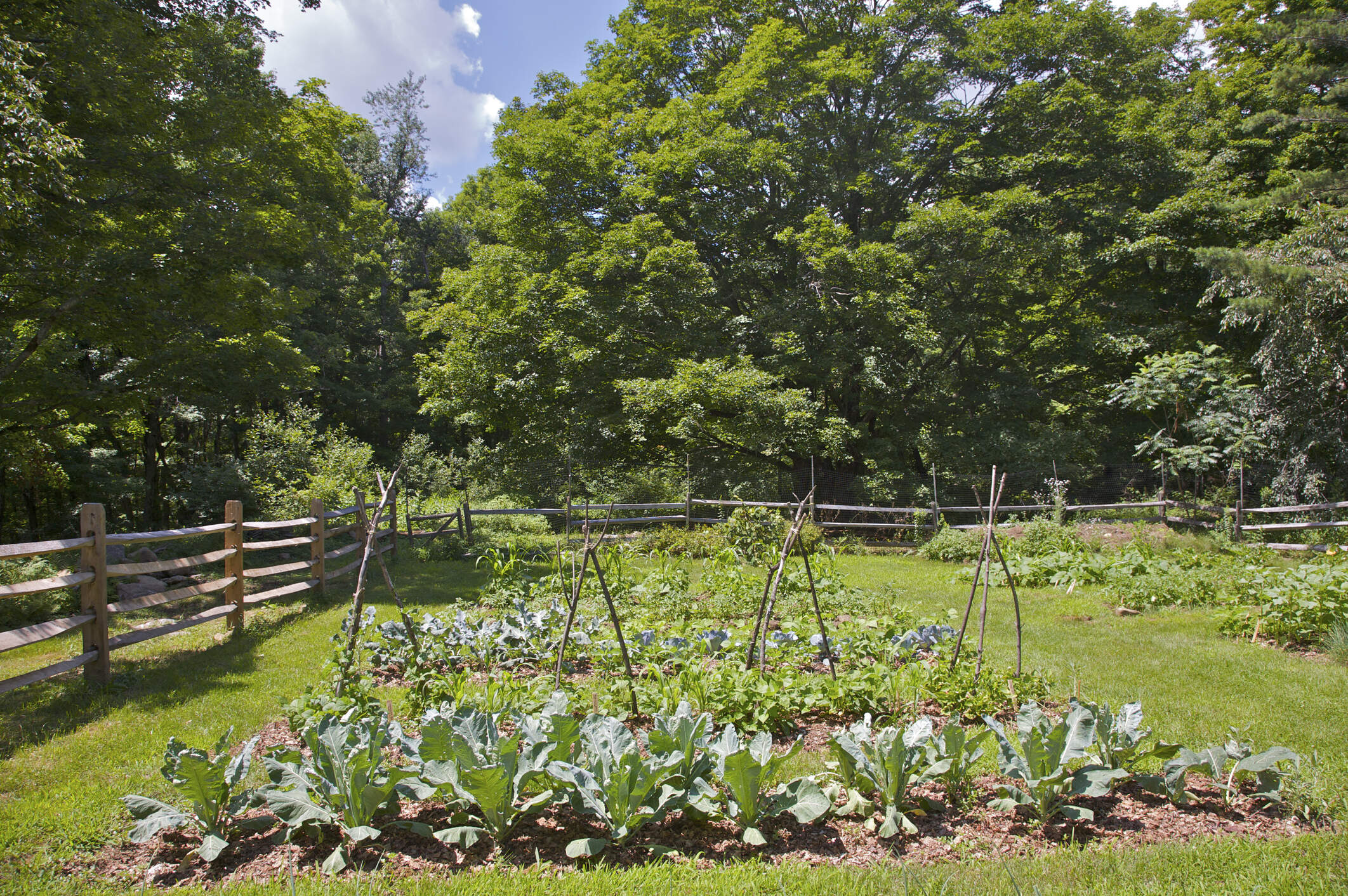
As a result, many colonial Americans opted for vegetables in the spring and into summer, particularly leafy greens like lettuce, cabbage sprouts and dandelions, according to Kelleher.
“Many individuals really loved fresh, crisp vegetables and dressed them very lightly,” Siegel added.
And when people wanted to up the ante and serve fresh meat for special occasions outside of harvest time, fowl “was a treat,” Kelleher said. That’s because birds like chicken, turkey, goose and duck had to be slaughtered, gutted and plucked before being oven-roasted. “It’s a lot of work for just a little bit of meat,” Kelleher said. “ So, that makes something special, if you had fowl on the table.”
And for dessert: A taste of freedom
The more “celebratory” aspects of a meal were saved for things like cake and tea, according to Siegel. To express their patriotism, Americans enjoyed “independence cake” and “election cake” on July 4 and around Election Day in November.
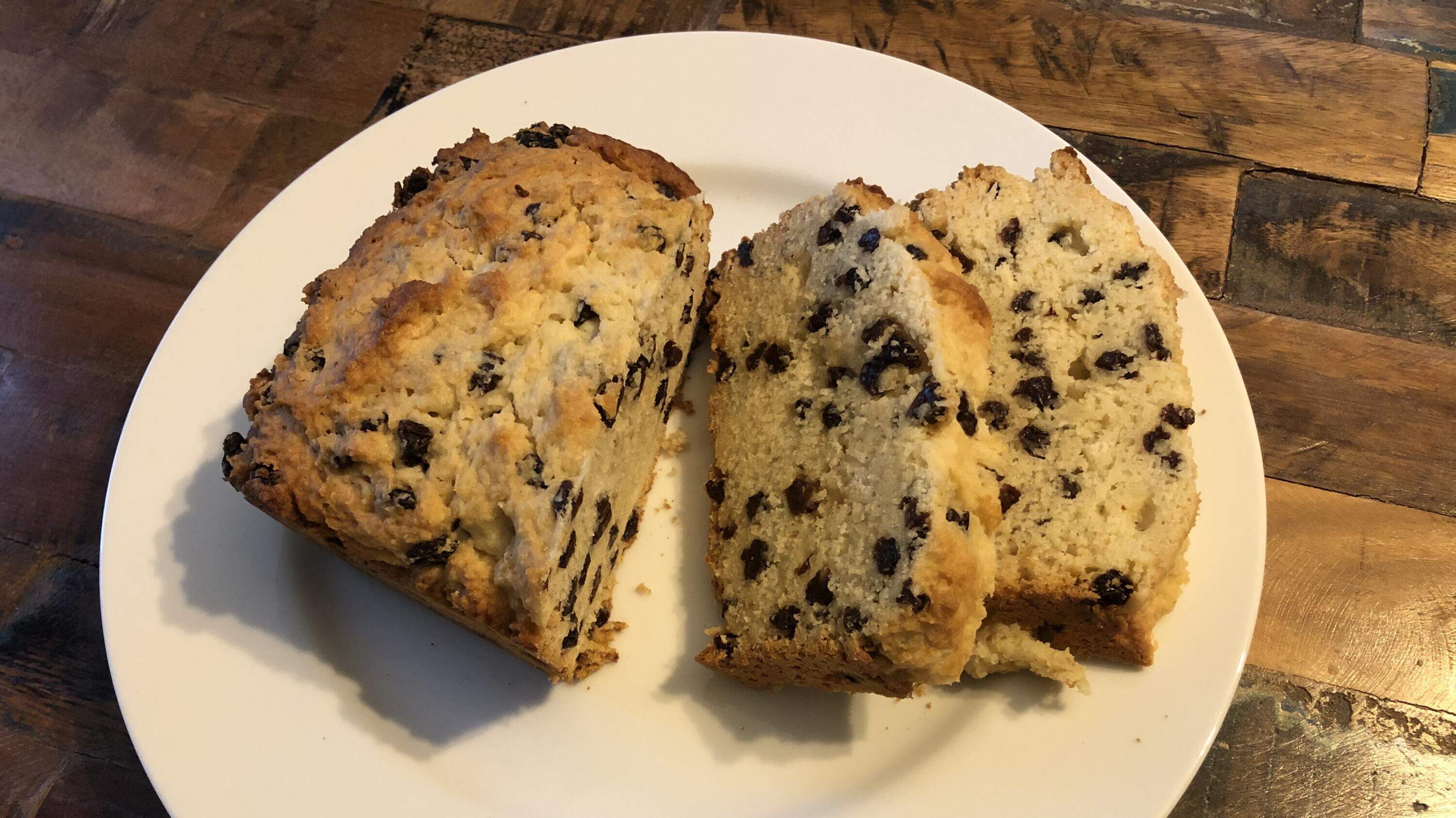
“There are wide variations on the theme, but it's pretty much akin to an English plumb cake,” Siegel said. (Basically a spiced fruitcake.)
They also sipped “liberty tea,” which was created with raspberry leaves following the Boston Tea Party, to show their allegiance, she added.
“That's really a culmination of frustrations about paying taxes on imported tea, something we loved to drink,” Siegel said. “All of a sudden, these very common everyday items that were consumed were now imbued with this political significance,” she added.
Washington was also honored with “hundreds” of recipes, according to Siegel.
“If there was ever a founding father who was worthy of commemorating in sugar, butter and flour, it was George Washington,” she said. “We have recipes for Washington cake, Washington pie, Washington syllabub, Washington fritters, Washington Indian cake, Washington loaf cake, Washington pudding, Washington breakfast cake, Washington corn cake, Washington tea biscuits — I mean, it goes on and on and on. And you find these not only in published recipe books, but also in handwritten recipe books.”
Try it yourself
Old Sturbridge Village has a collection of 18th and 19th century recipes that you can flip through — including a handful from the 1796 edition of “American Cookery” by Amelia Simmons, one of the first cookbooks published by an American. (Simmons’ second edition of American Cookery helped popularize election cake, Siegel said.)
You can also mix up your summer salads with dandelion greens, which were a popular option for colonial Americans. Kelleher likes to collect his own.
“ I have a small lawn, and there's a lot of dandelions. Instead of cursing them, I go out and I eat them before they get bitter,” Kelleher said. For an authentic experience, toss them in “oil and vinegar, or sometimes salt and pepper, just to dress the greens,” he added.
If you want a “full colonial” table, Siegel, who organizes culinary events where she recreates 18th century taverns, has a few ideas.
“It's gonna be smoked ham… deviled eggs, which was a favorite of Martha Washington's sister,” she said. “There'll be pickled beets. There'll be pickled asparagus. Pickled green beans… And I will have buttermilk biscuits, elderberry jam and strawberry preserves. It will be a wealth of incredible items, most of which were grown in the colonial gardens.”
It may not be the summer cookouts we know and love, but it’s certainly quite the spread.
P.S. — If you're spending your Memorial Day doing more driving than grilling, here's what to know about the rising price of gas in Massachusetts and tips for how to save at the pump on your drive home.