Support WBUR
N.H. writer looks back on her 'incredible luck' as a Cuban refugee in U.S.
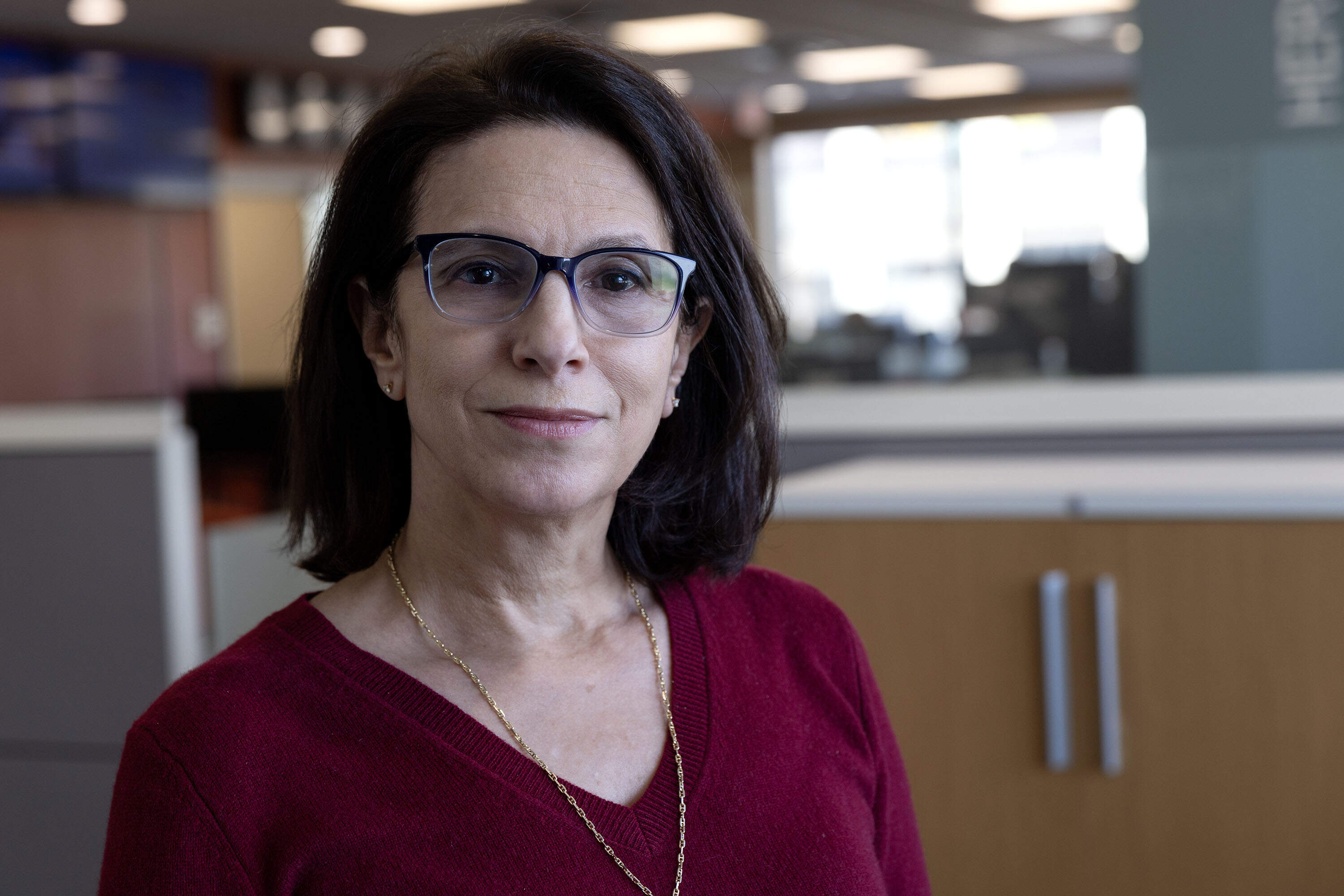
Sixty years ago this month, the United States began one of the biggest refugee airlifts in the nation's history. President Lyndon Johnson started flying Cubans to the U.S. on what he called Freedom Flights.
It was a humanitarian effort also intended to undermine Castro, who, after rising to power in the Cuban Revolution, had rationed food, sent people to labor camps and executed opponents.
Castro called the Cubans who wanted to leave their country for America “gusanos” — worms.
Ana Hebra Flaster was five years old when she and her family boarded one of the Freedom Flights. She recalled the hardship her working class parents had faced after they had applied for exit visas to leave Cuba three years earlier.
"They were expelled from their jobs, because once you applied to leave, you were considered an enemy of the revolution, and you were completely vulnerable to harassment, arrests," Hebra Flaster said. "Our home was vandalized at one point. My parents waited for three years like that, until one day as we were about to sit down to eat, a guard appeared with the exit visas. Then he kicked us out of the house, and I remember very clearly when he slapped the banner across the front door, sealing it shut. And years later, I learned what it read: Property of the Revolution."
They had to leave their extended family and all of their belongings, except for a suitcase with one change of clothes. They settled in Nashua, New Hampshire.
Hebra Flaster has written a new book about her experience as a refugee, called "Property of the Revolution: From a Cuban Barrio to a New Hampshire Mill Town." She spoke with WBUR's All Things Considered host Lisa Mullins.
This segment aired on December 11, 2025.