Support WBUR
Essay
The COVID vaccine is health care. And a way of remembering
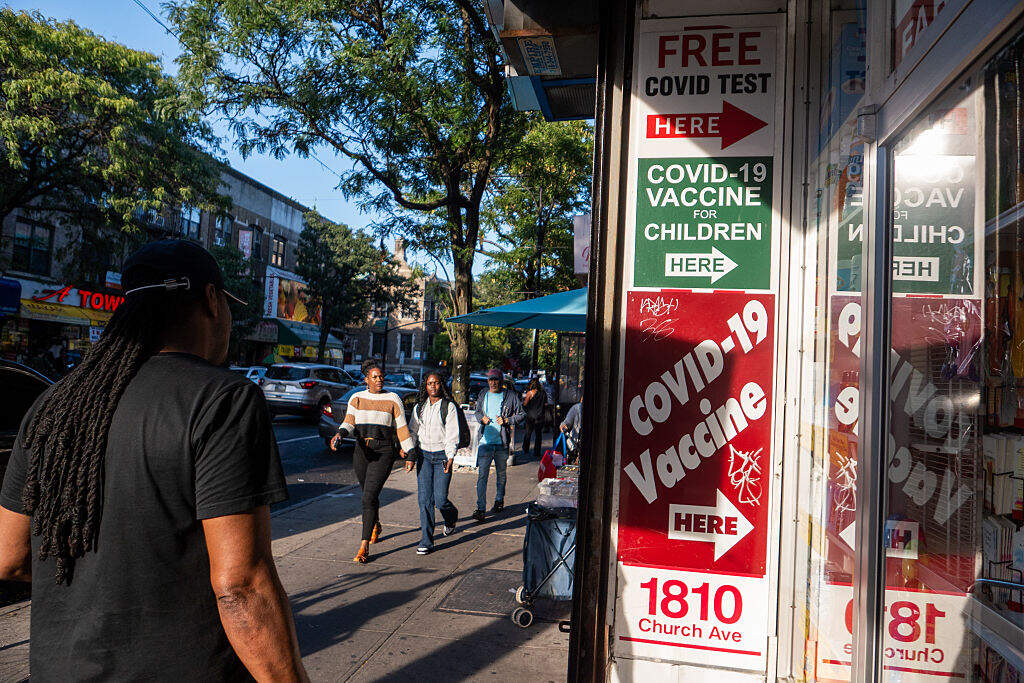
My husband and I first contracted COVID over five years ago, in March 2020. It can be difficult to recall the fear and isolation of those early days of the pandemic, when there was no vaccine and long COVID — which devastated both Marc and me — was yet unknown. Unmitigated by the vaccine, COVID left me exhausted by minimal tasks; my lungs ached and sharp pains shot through my heart, which beat rapidly whenever I stood. The ill-effects of that first infection lasted four years, and occasionally symptom flares still dog us like a never-ending echo.
The second time I contracted COVID in 2023, I’d been vaccinated. The vaccine dulled my symptoms and helped me avert the protracted effects of long COVID. Now, every fall, I eagerly await the protection of the latest vaccine. But when I asked my PCP for the shot in early September, she was unable to offer it without the government’s endorsement, guaranteeing my insurance would cover the cost.
At the time, Health and Human Services Secretary Robert F. Kennedy’s newly appointed vaccine panel was still debating whether people should be required to have a prescription for the vaccine. While this ultimately was not the panel’s recommendation, its contradictory rhetoric, fueled by Kennedy’s long-running agenda against vaccines, continues to erode trust in a medication that’s proven effective for preventing the spread of a disease that’s taken the lives of over a million Americans and manifested in millions more as a debilitating chronic condition.
[W]hen I asked my PCP for the shot in early September, she was unable to offer it without the government’s endorsement, guaranteeing my insurance would cover the cost.
At the local CVS where I’m finally able to get my COVID shot, beside the row of red plastic chairs that serve as a makeshift waiting room, there’s a poster hanging that lists the vaccines available to the public: Flu, Hepatitis B, MMR, Pneumonia, Polio, RSV, Shingles, COVID-19. I wonder how long they’ll be on offer.
When I’m called into a small, closeted room for my shot, I roll my left sleeve to my shoulder and take a breath. At the sharp pinch, I exhale and feel my deltoid bounce to the side. It’s such a strange sensation that I gasp: “My muscle jumped!”
“I saw that!” the pharmacist laughs as he strips off latex gloves and hands me a coupon. “I guess we can’t blame it.” When I get home and glance in the mirror, I see the white Band-Aid he’d plastered across my arm is upside down—the red heart at its center the wrong-side up.
When it comes to health care in the U.S., things have felt backwards for a while now. At the height of the pandemic, the failures of modern medicine were magnified by overcrowded hospitals, burnt-out healthcare workers, and the rapid spread of vaccine misinformation. When Marc and I first fell ill, patients with ongoing symptoms were gaslighted by doctors, especially women and people of color. Instead of learning from these inequities, our scientific institutions are being gutted and sound health recommendations overturned, leaving providers without guidance and patients unable to access care.
On the night I got my shot, I wake to a light fever: chills shiver along hairline nerves, a cloud of heat hovers over my face. In the morning, my frontal cortex is cottony and my muscles ache. I know these symptoms mean my body is learning how to react to the latest version of the virus, and I know the immune reaction will soon stop, as it might not have, had I contracted the virus without the vaccine.
“Remember what it was like to feel this every day?” I ask Marc as we lie on the couch following our latest dose of Moderna. Movement makes me nauseous, waves course through my belly. Inside my mouth, my tongue finds a canker sore.
“Yeah,” he says, and we look at each other blankly, because the truth is, we’d forgotten.
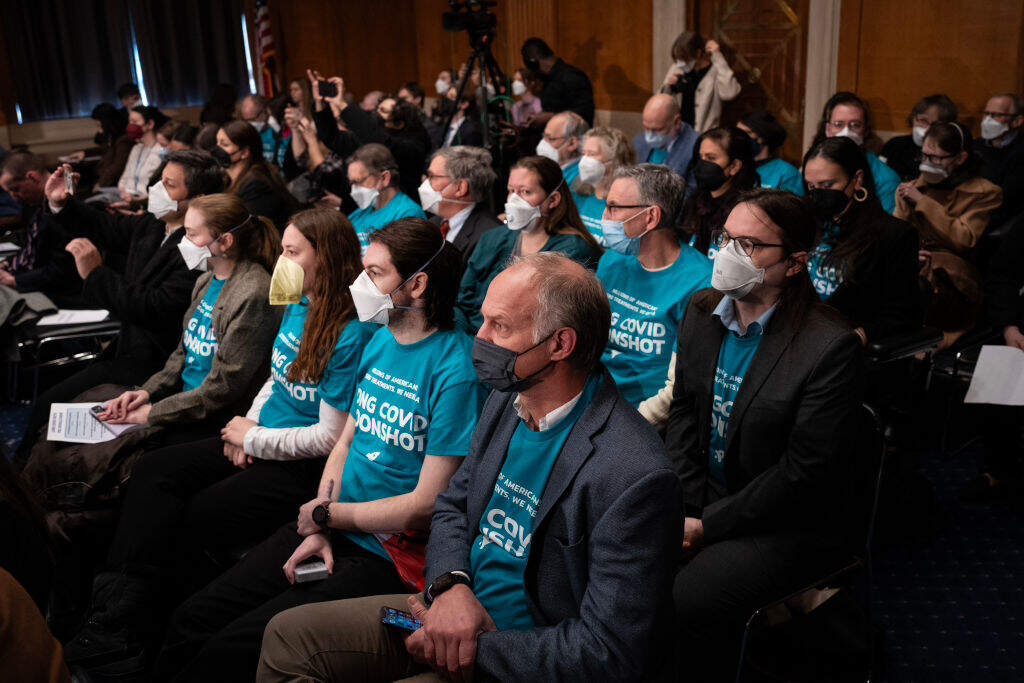
It can be easy to forget pain that is no longer present in our lives. Perhaps this is a protective reflex — like the involuntary jump of a muscle away from a needle. In the midst of illness, our symptoms were all we could think about, but after recovery, sense memory is erased. To recall the full impact is like trying to evoke the bone chill of a winter’s day during a summer heat wave.
Yet my body’s reaction to the vaccine means I can’t forget. Not completely. Instead, I feel the virus’ effects for one day, and for me it’s become a day of remembrance, an opportunity to reflect on the long years of illness when I could not take the paths I’d planned for my life.
As my body “remembers,” I recall the lives lost during those dark days. I think of those still suffering the consequences of the pandemic — as we all do. While these after-effects are painful, we can learn from them if we choose not to turn away from our loss. While I wish I never had to live through that long illness, the experience cultivated an awareness in me of others who live with chronic conditions, increasing my capacity for care, and sharpening my vigilance against the threat of future disease to myself and my community.
As long as it is available, I will get the COVID vaccine that protects me from an illness that could be detrimental to my health and fatal to others. While I can dread the symptoms, and the memories they so tangibly evoke, I’m grateful they mean I won’t be sick for years, and that I don’t have to risk the lives of more vulnerable loved ones. Maybe I’m even glad to revive that diminished memory — as harrowing as it is — of the dangers of the virus and the damage it’s caused, so I can recognize the consequences of the human hubris that threatens the science that protects us.
The next day, as I prepare to peel the Band-Aid off, I look down at my arm and realize, from this perspective, the heart is in the right place after all.