Support WBUR
Essay
A tale of two kitchens: my mother’s and mine
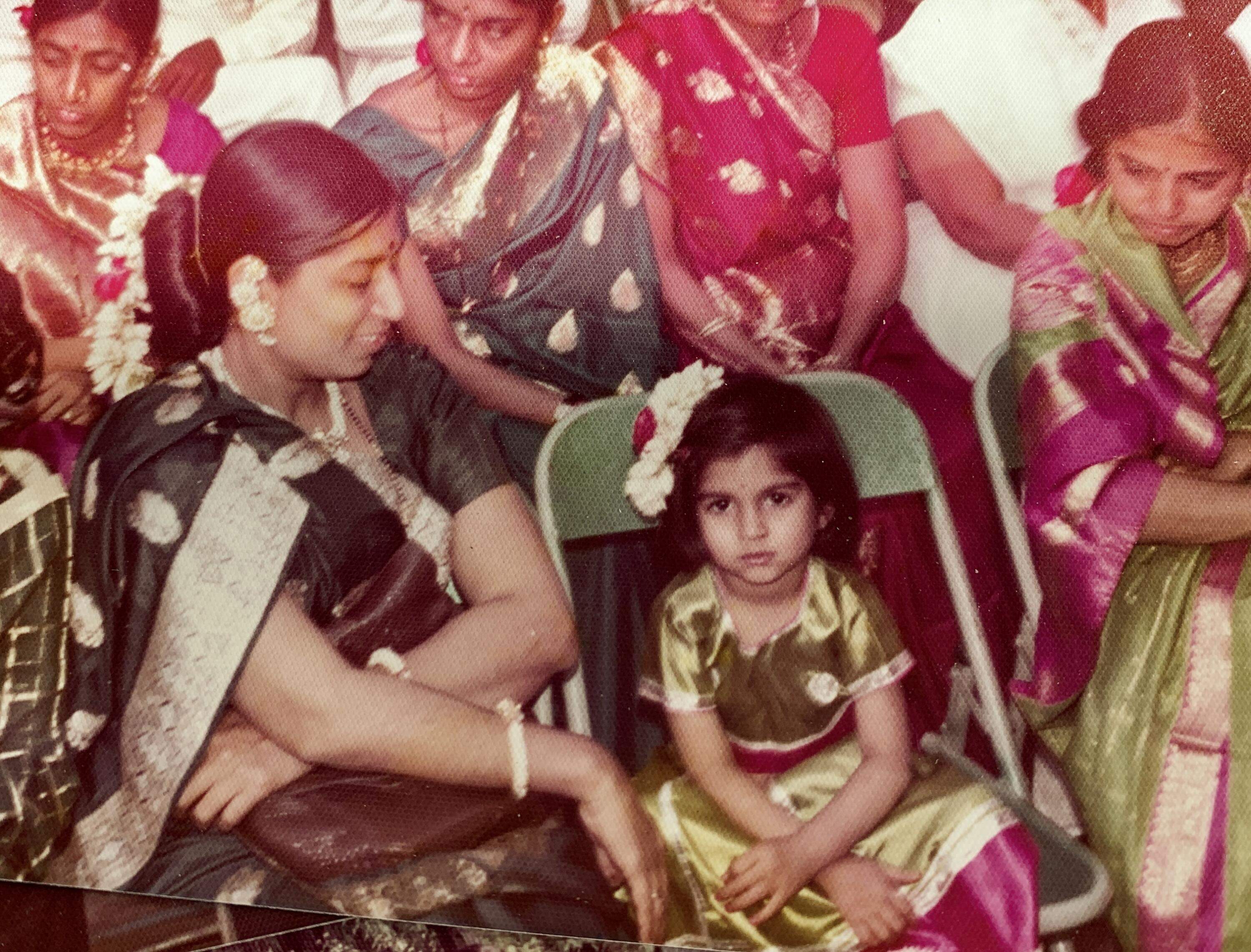
My mother's grocery list is the length of a CVS receipt. Mine is a folder of photos I texted myself consisting mainly of which frozen brand of saag paneer I like from Trader Joe’s. My mother’s kitchen pantry extends into her basement with a second fridge and storage the size of a mini mart. Mine is one fourth the size with minimal ingredients. Somewhere between her kitchen and mine, a generation of knowledge became silently displaced.
My mom knows which base spices are needed for different vegetables, how much water a specific type of dal needs to cook to achieve a specific consistency and the way to test the freshness of okra by bending the narrow tip before buying. I know how to read a recipe, the time it takes to thaw out an entrée in the microwave and the air fryer settings for chicken wings.
A few months ago, I drove to Patel Brothers in Waltham, Massachusetts. Not too far from Boston, the town became known as ‘Little India’ in the 1990s, thanks to H1B visa programs that attracted STEM talents. My visit was not out of need or habit, but due to curiosity. My mother has been shopping at Patel Brothers, weekly, for over 40 years. It remains her primary grocery store. I haven’t been there in over a year, because the Star Market meets most of my needs.
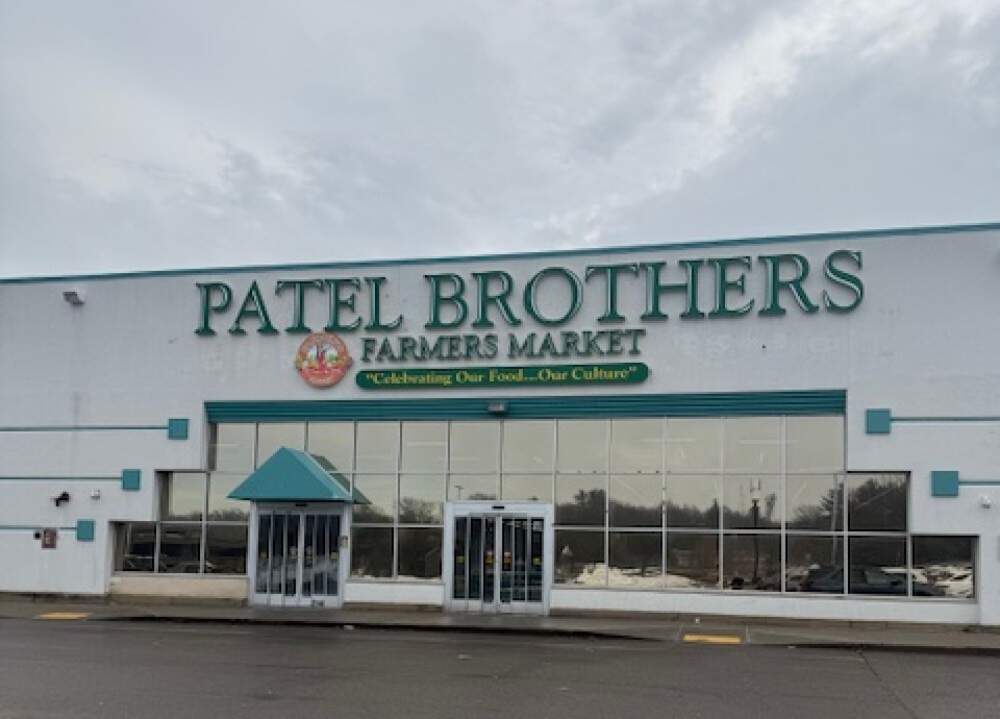
Instead of shopping, I spend my time observing. There are aunties with full carts squeezing mini squashes to check their level of ripeness. Mom might have taught me to do the same, three decades ago, but I don’t remember if soft or hard is the right choice for cooking. I bypass them for a bag of limes – 4 for $1. I’m a tourist in a store that shares my last name.
The market hums with a particular kind of fluency I don't fully possess. An older woman with a thick Indian accent is chatting with someone in another aisle as they loudly complain about the condition of the methi this week compared to the last. She doesn't need labels or expiration dates. The knowledge lives in her hands.
As I wander in the small, tight aisles, I recall visits with my mom when I was barely a teenager. My job had been to get the plastic bags, pry them open and hold them as they were filled by her deft hand. On this day, I walk the freezer aisle and reach for a package of frozen roti, ready to heat. They’re perfectly round, just like those my mom still makes from scratch. In the spice aisle I notice the aroma; it reminds me of my mother’s kitchen. (My own, in Dorchester, is artificially scented by a vanilla candle.)
At the checkout, a young white couple unloads a basket of fresh curry leaves, a tin of ghee, frozen peas, cumin seeds and a five-pound bag of basmati rice. They talk excitedly about their first attempt at making a vegetable pulao with a recipe from a food blog. From the ingredients I can tell it’s similar to what my mom makes — but her recipe isn’t written down.
When it's my turn, the cashier scans my lemons along with frozen chana masala, dal makhani and paneer Kathi rolls. On a whim, I added a jar of pre-made tamarind chutney, the kind my mother makes and keeps stored in the fridge for weeks. Inspired by the memories of my childhood, I also buy the “not as fresh as last week’s” methi and an eggplant.
That night, I chose to cook. The freezer items will come in handy another night. I chop the fresh vegetables as I attempt to recall my mother’s recipe. From small baggies that my mother gave me a year ago, I use a teaspoon of mustard seeds, ground coriander, turmeric and red chili powder. I add salt and let it cook. It takes less than 20 minutes and tastes like something my mother would recognize. Not exactly her version. But a version.
I send mom a photo. She responds with a thumbs up and then, a few minutes later: "Cut the eggplant into smaller pieces next time."
I knowingly smile. It's her way of saying she's proud of my attempt. I reply with a heart emoji.
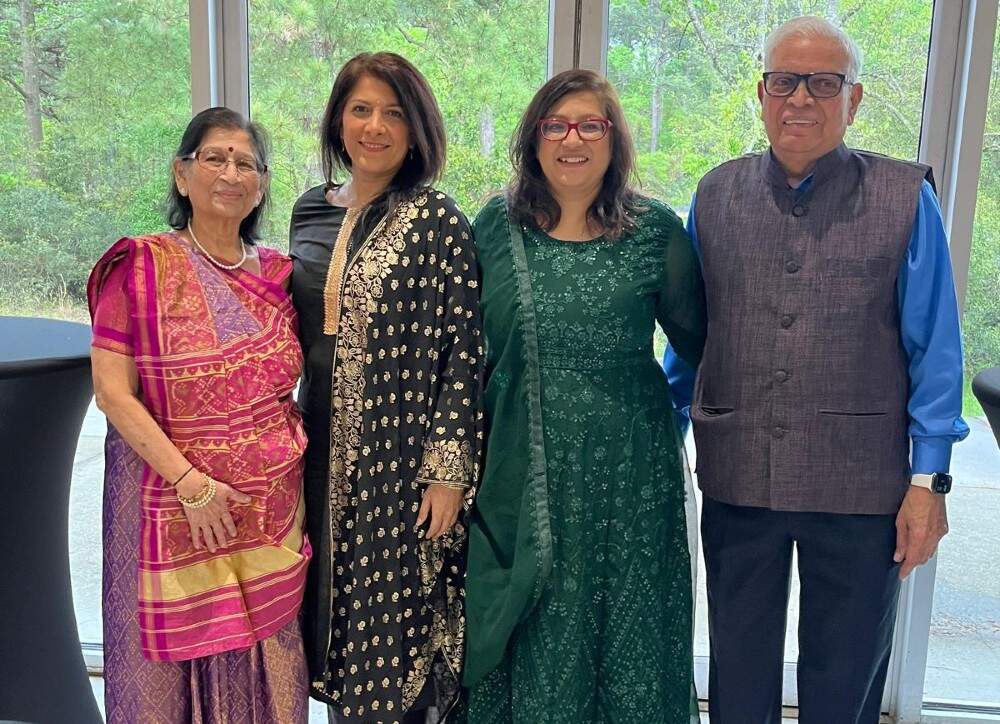
My grandmother cooked from memory, from knowledge passed down by the generations that came before her. My mother added recipes she adapted, like desi lasagna, but didn’t write down. I cook from jars and packets. For me, it’s not instinctual; I do not possess the ‘hand’ that my mom inherited. My sojourn to Patel Brothers in Waltham is an intentional outing instead of a weekly routine.
Something feels lost as I try to remember what I haven’t quite learned or often practiced. The cultural knowledge that resides in Indian American kitchens is fading, and I’m not sure what that means for the generations that come after me. For now, I'm happy that my dinner, while not the same as what I grew up with, is recognizable.