Support WBUR
Experts find memory troubles in young adults
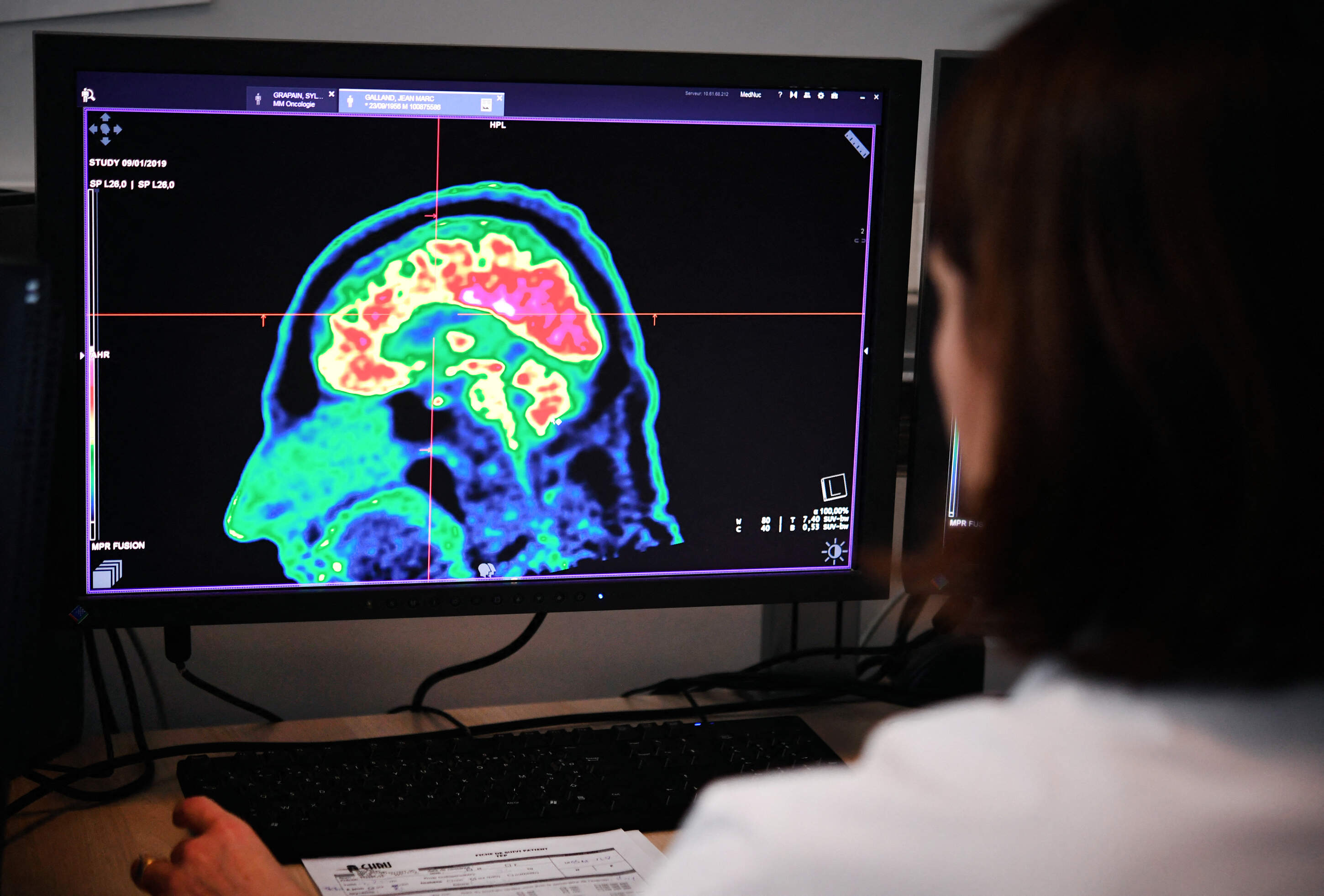
Experts are increasingly noticing people in their 20s, 30s and 40s experiencing difficulties remembering things. They compare it to the memory function more regularly seen in 70-year-olds.
Psychologists note younger people complaining of trouble remembering things, needing to write everything down, and missing important events because they forgot about them. Elizabeth Kensinger, a Boston College psychology professor who studies memory, says that frequent multitasking is largely to blame.
“One of the best ways to make a 20-year-old look like a 70-year-old in terms of memory performance is to make that 20-year-old multitask,” Kensinger says. “Divide their attention, make them juggle a whole bunch of things in mind at once, and they actually look very similar to a 70-year-old who's focusing just on that one memory task.”
4 questions with Elizabeth Kensinger
How is multitasking affecting us?
“There is certainly evidence that there is more and more multitasking, not just for younger adults, for all of us. But there really is an epidemic amongst younger adults and they haven't lived any differently, so they don't have the comparison to realize, ‘Oh, this is really affecting what I'm able to retain.’
“We all kid ourselves into thinking, ‘Oh, it's no problem. I can be doing three things at once.’ But really what suffers is memory. I mean, yes, maybe for five seconds, you can retain all of these different things that you're processing, but minutes later, not to mention hours later, that content is just going to be gone.”
What are the long-term effects?
“I don't think that there's any reason yet to think that there is something that is going to be a long-term biological change that is happening. I think they still have the biology there to lay down these durable memories. But the first step to that is granting information enough attention.
“I think the pieces where we need to be cautious are other things that are going on in addition to multitasking, which is sleep deprivation and sleep restriction is increasingly problematic and it's starting at younger ages. There are now 10 and 11-year-olds with their phones that are up too late that are getting too much screen time. That's interfering with sleep quality.
“We know that there's so much anxiety and depression amongst younger adults specifically, and I think those are things where over time, those can actually start to affect the biology of how a memory system is going to work.”
How does this impact how we interact with others in society?
“I think it's so important to keep in mind that the way that we interpret the world around us, the way that we engage in conversation with other people, a lot of that is really coming from the memories that we're storing in our own brains.
“It’s concerning to hear 20-year-olds, especially when they're saying, ‘I'm not remembering the things that I valued.’ I think that can have really significant consequences. You're not able to reminisce with your friends about that moment because you don't remember that it happened. You're not able to use that content to help you connect with others.”
“As we get more fragmented memories, it really does cut back on the depth of the relationships that we can have with others.”
How can young adults especially counter this?
“Slow down, take it one thing at a time. If you want to remember this moment, be in the moment. Don't have three other things that you're trying to do or that you're trying to think about.
“I think all of the lifestyle challenges that affect our health and other domains also affect our health in terms of memory. So making sure that we are getting enough sleep, trying to monitor our stress levels and manage them as best as we can, and especially trying to prevent the chronic buildup of stress.
“The hippocampus, which is the part of the brain important for memory, is actually the one that is hardest hit by stress hormones. Trying to break that cycle of stress can be really important. And then, of course, eating well is important for all of our biology, including the biology of memory.”
This segment aired on October 25, 2024.