Support WBUR
Non-Event celebrates 25 years of bringing experimental music to Boston
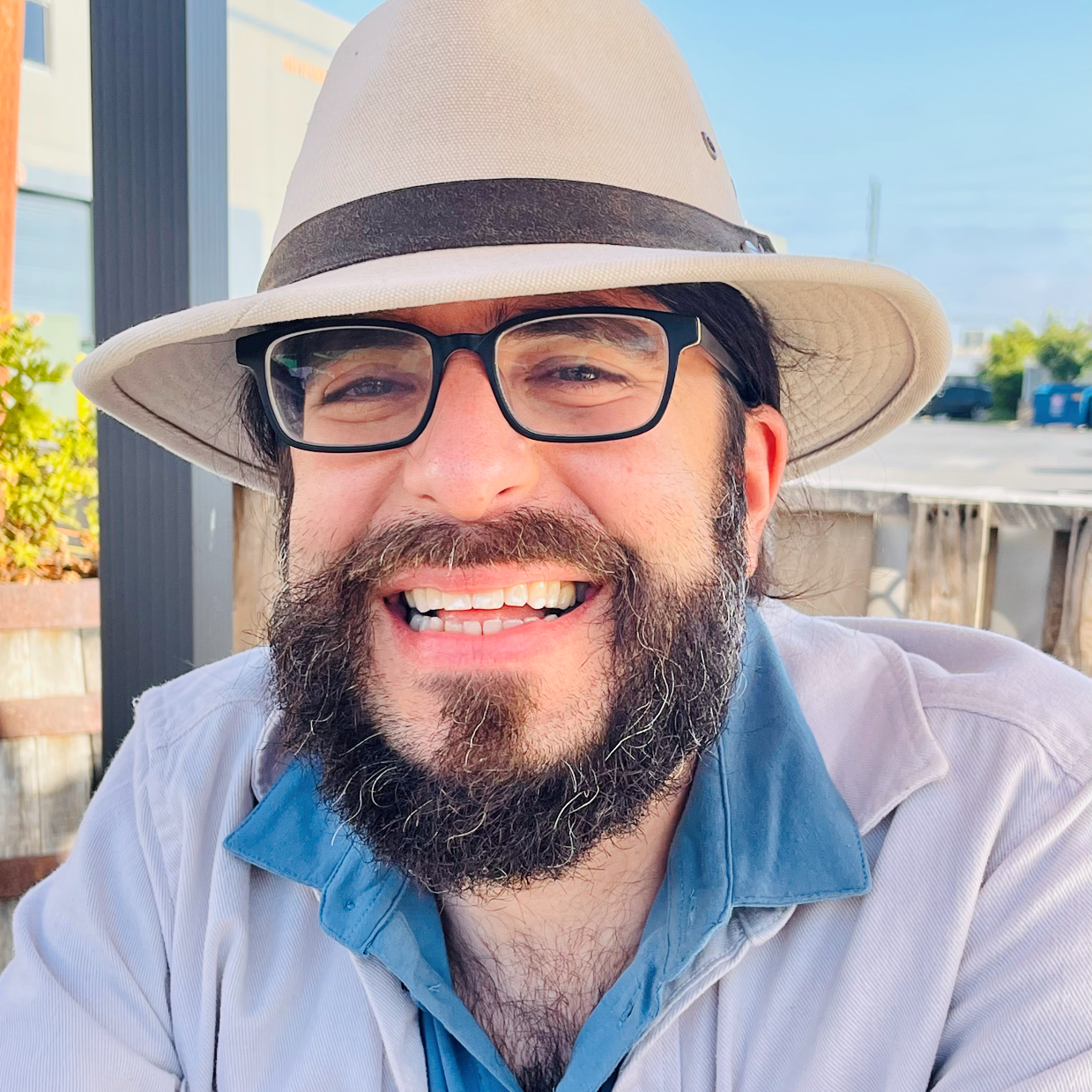
In 2001, Susanna Bolle attended a concert at MassArt. The double bill featured the renowned Japanese experimental duo Filament and the Swiss improvisers poire_z, a supergroup whose members, as the flyer promised, performed using “cracked everyday electronics” like kitchen appliances as well as “CDs and minidiscs.”
Bolle was enthralled by the world of sounds made that night — and also noted that the ticket sales probably had not covered the costs involved in bringing the artists to Boston. That night was the first in a series that founders Dan Hirsch and Rob Forman would soon start calling Non-Event. Bolle would go on to become part of the Non-Event team, and today is the group’s executive and artistic director. Twenty-five years after that first show, Non-Event has, against all odds, continued to thrive, despite being an organization without a permanent venue that is dedicated to presenting music that is inherently as non-commercial as it gets.
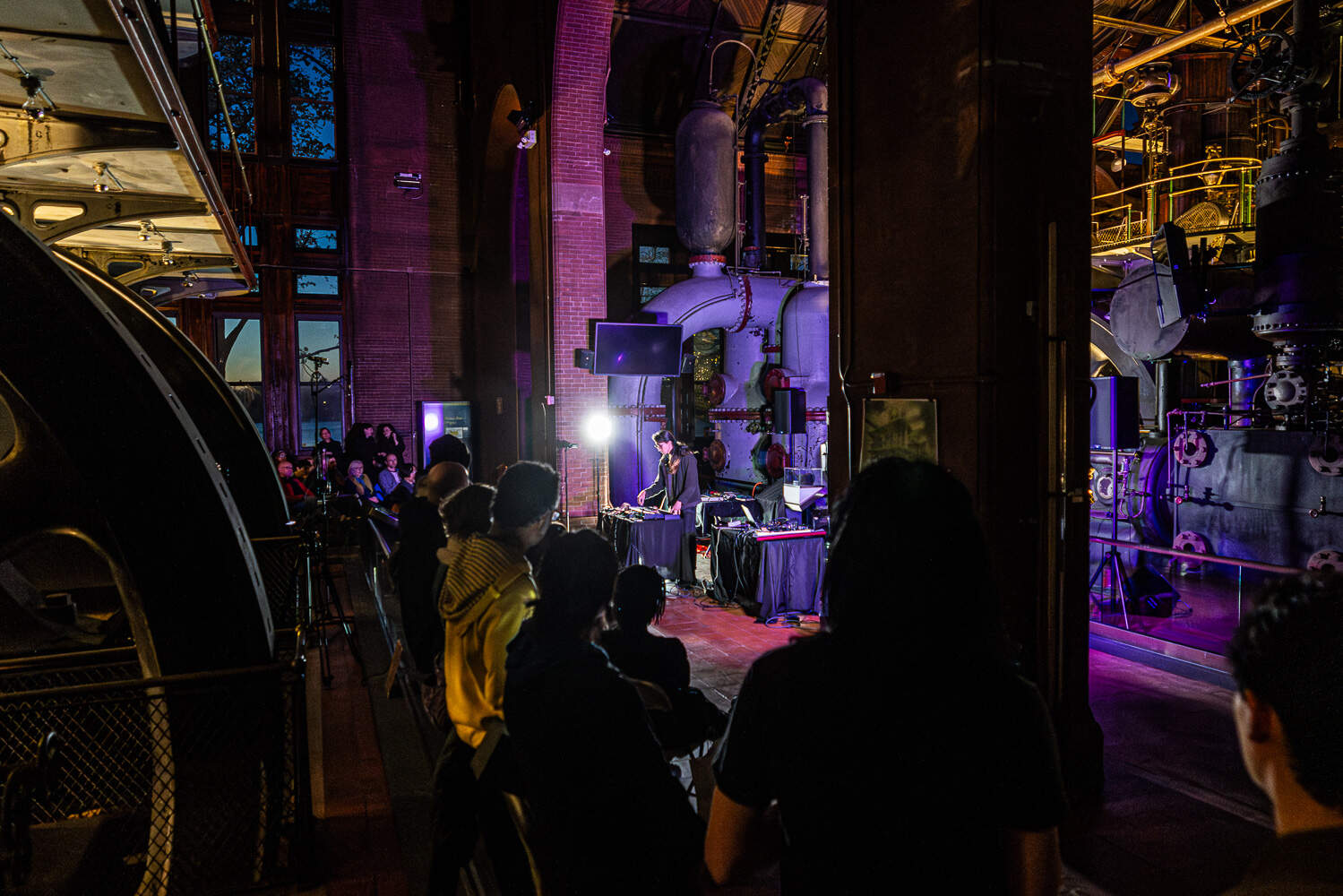
Non-Event’s 25th anniversary celebration, which began with a March event at Boston City Hall, continues this week with events at two of its longtime partnering venues. On April 23, the duo of bassoonist Dafne Vicente-Sandoval and cellist Charles Curtis appears at the Goethe-Institut Boston. The program will include Vicente-Sandoval's “Minos Circuit Rewired,” a piece for microphone feedback, voice and disassembled bassoon. April 24 and 25 mark the return of Waterworks – Festival of Experimental Sound, which will present five different sets each night by the enormous water pumps in the Metropolitan Waterworks Museum in Chestnut Hill.
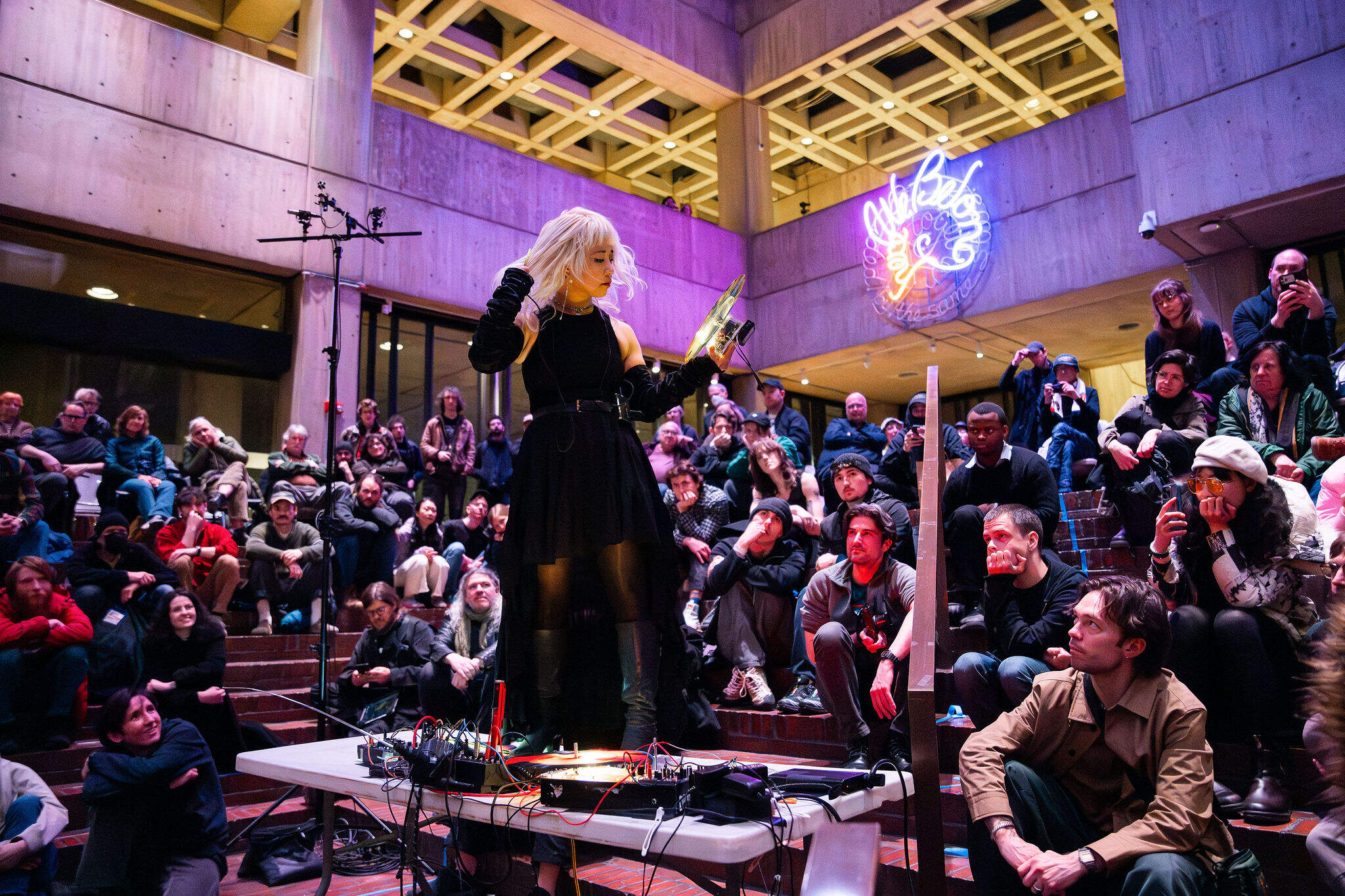
Asked what has threaded the hundreds of performers that have played Non-Events, Bolle admitted that the “experimental music” tag is imperfect. “It can be nontraditional instruments, or traditional instruments used in nontraditional ways. There’s often going to be electronics involved and stretching or compressing time. It’s music that is pushing at the boundaries,” she said.
The early days of Non-Event coincided with a period where many of the underground loft spaces where experimental shows tended to be held went offline. Even when spaces like the Cambridge YMCA had an open night, their rental fees were often prohibitive. Bolle said that the Goethe-Institut was the first cultural institution that expressed interest in coming on board as a partner for Non-Event’s programming.
“Besides their space being so nice, I think it gave us a kind of stamp of approval,” she said. “We got to learn how to work with a more formal organization. And that’s really been our model ever since: Build a long-term relationship, instead of just having a single show.”
Bolle used to drive by the then-abandoned water pumping facility on the way to her radio show at Boston College’s WZBC and dream of what the intriguing building might have inside. She went to the museum’s opening day and immediately thought that what she calls a "cathedral of steam power” would be an ideal place for a show.
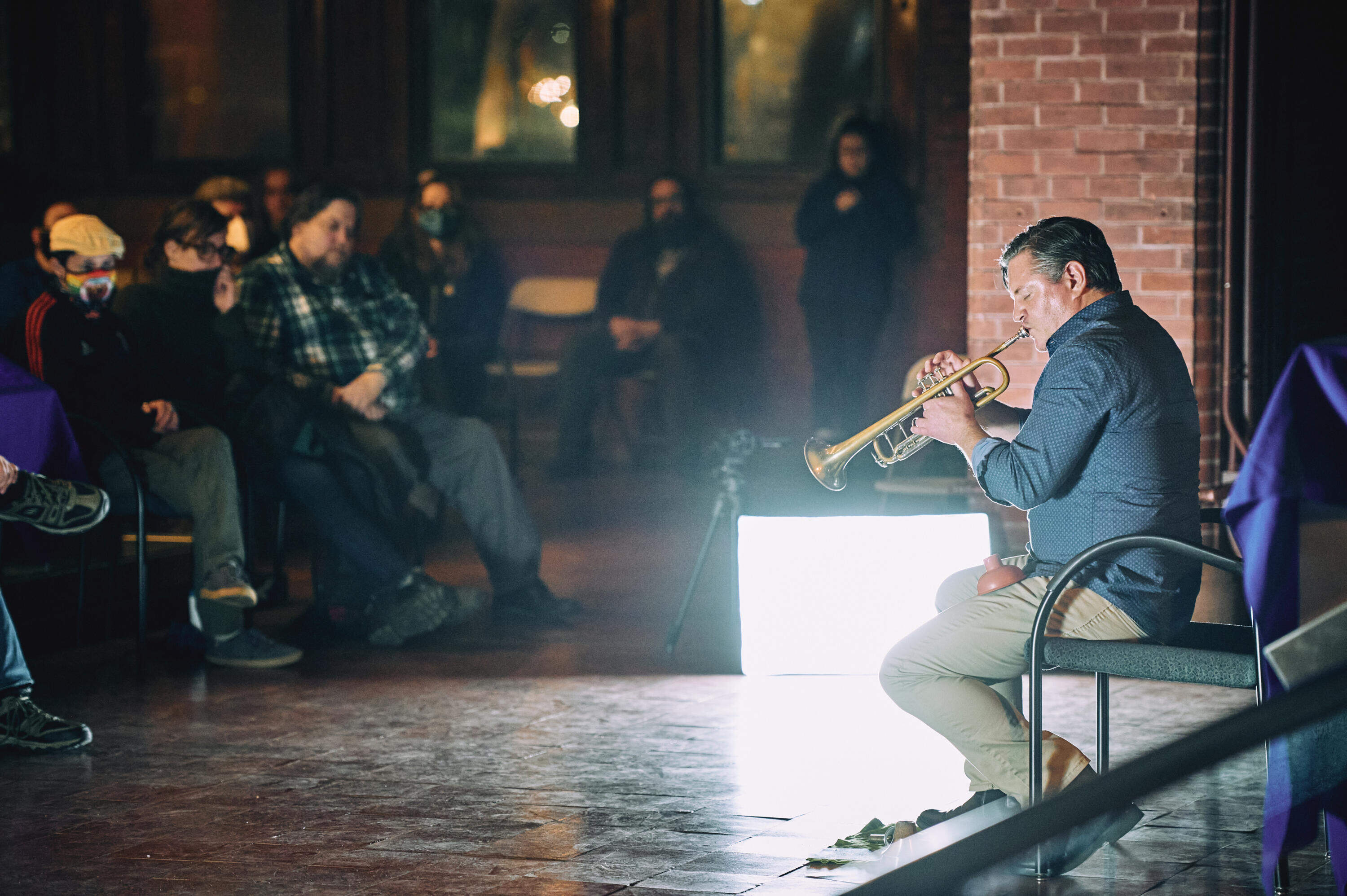
“It’s like Willy Wonka,” trumpeter Greg Kelley said of Waterworks. “You have these gigantic steam engines around you. The acoustics are so unique.”
In honor of the 25th anniversary, Kelley has written “Fanfare for Non-Event,” which he’ll play with six other trumpeters. "It’s very rare for an organization like Non-Event to last as long as it has, and it’s pretty crucial right now, when there are not a lot of venues for experimental types of music," he said. "If they weren’t doing what they are doing, I don’t know if there would be much experimental music happening here."
At Waterworks, “the sonic experience is so different for the audience and the musicians,” said Yoona Kim, a Boston-based musician. Kim is a master of the ajaeng, a Korean bowed zither, which she uses as a vehicle for both vibrant experimental music and old-time American country and blues.
A decade ago, shortly after starting the Waterworks series, Non-Event was invited to begin presenting outside music in what is perhaps the most insider space imaginable: Boston City Hall. The series has been a resounding success, with the free tickets often being fully reserved in advance.
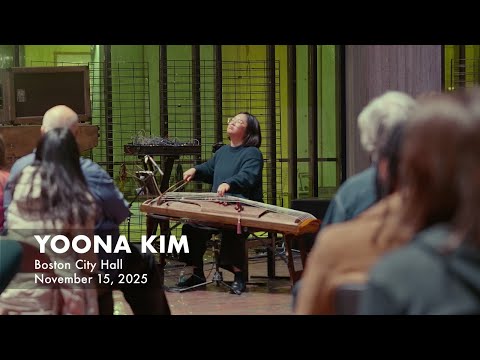
“Symbolically, it’s so incredible to be doing these really adventurous things in City Hall,” said Bolle.
In the last 18 months, Non-Event has presented a pair of concerts featuring Latin American experimental artists at CROMA Space in collaboration with Ágora Cultural Architects. This summer, it is collaborating with Mobius for an event at the Cambridge Foundry in celebration of the late musician Tom Plsek. Plans are in the works for a fall event in collaboration with Mandorla Music, a nonprofit that connects jazz artists with local communities.
And it’s also been presenting experimental music for the youngest — and perhaps most open-eared — audiences. Kim is among those who have played Non-Event for Kids concerts, which are held in local libraries. “When I was a kid, I never knew about noise or experimental music,” she said. “With these programs, we show that there are no limitations to what you can do with a musical instrument.”
As the organization turns 25, Bolle said that challenges are greater than ever. “In our small corner of the cultural world, budgets have been cut, funding is harder to find, and the costs associated with organizing shows have gone up. But we are a DIY organization to the core, which means we are resilient.”
Correction: An earlier version of this story misspelled Susanna Bolle's last name. We regret the error.