Support WBUR
Review
Emily Blunt steals Spielberg's busy 'Disclosure Day'
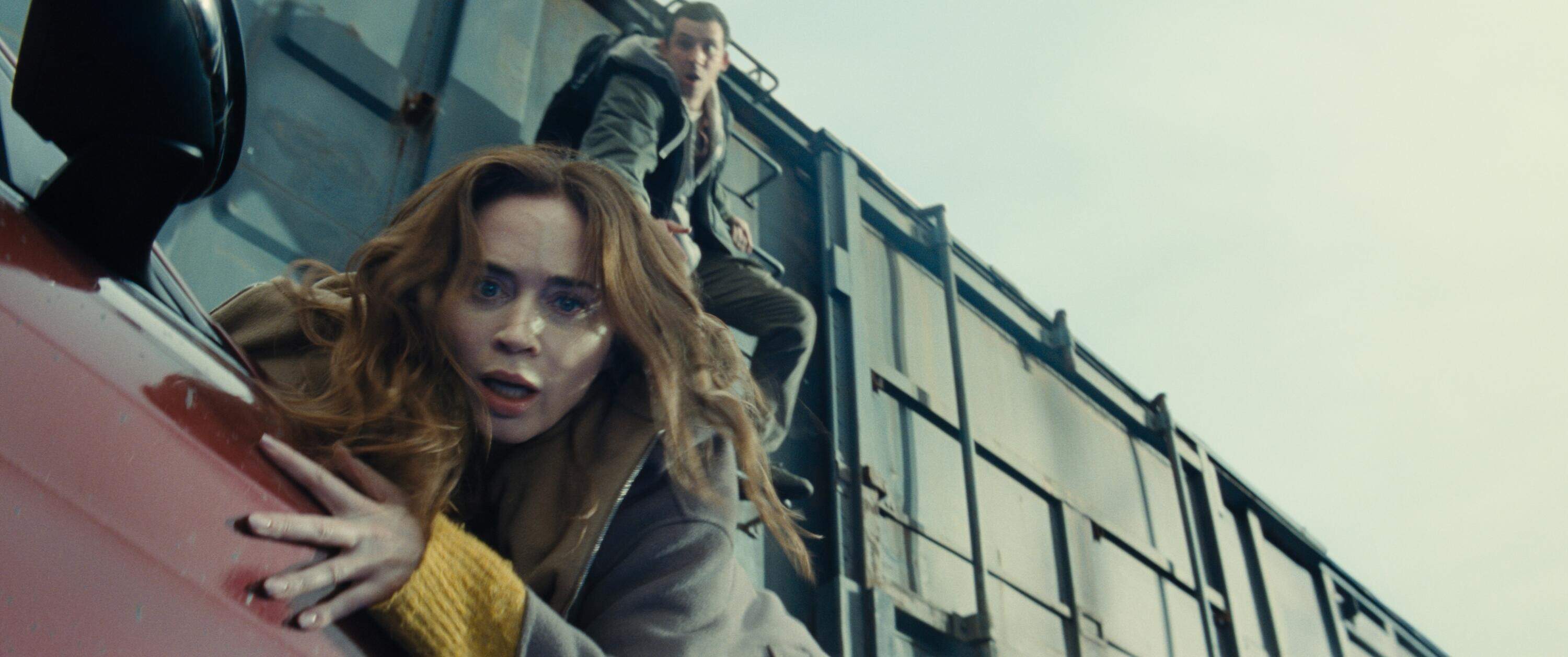
World War III simmers in the background of “Disclosure Day.” It’s with the North Koreans, I think. We’re told in passing that the U.S. has just ramped things up to DEFCON 2, but the threat of nuclear Armageddon is just more background noise in Steven Spielberg’s exceedingly busy new chase picture. There’s a lot going on in this movie: a ton of running and jumping and driving cars through living rooms and into trains and invisible fire trucks that crash into other cars. There’s also plenty of earnest talk about secrets and healing and childhood and faith, all staged with some of the most offhandedly elegant camera blocking you’ve ever seen. Yet either despite all this running around or because of it, “Disclosure Day” never feels like it really gets anywhere.
Beginning in such medias res that back in the celluloid days I would have assumed someone was projecting the reels out of order, the movie hits the ground running with Josh O’Connor’s idealistic IT wonk rescuing his ex-nun girlfriend (Eve Hewson) from a crew of shadowy government contractors. Our boy has ducked out of work with a backpack full of video evidence that the Department of Defense has been conducting nasty experiments on aliens ever since that crash in Roswell, New Mexico some 79 years ago. His girlfriend seems surprisingly sanguine about being kidnapped by black ops dudes, but I guess nuns are famously forgiving.
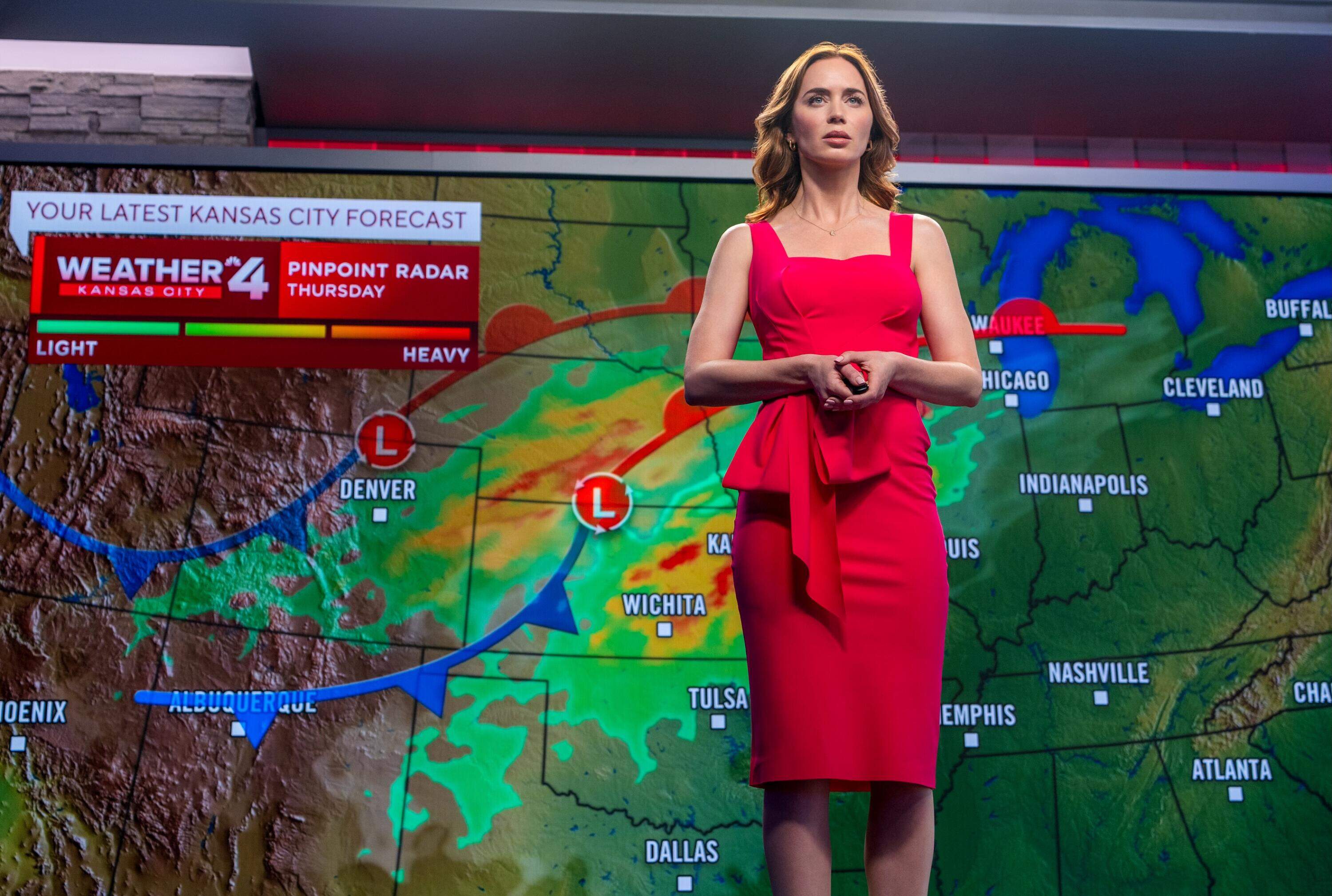
Over in Kansas City, a local TV meteorologist played by Emily Blunt is having a stormy morning of her own, confused to find herself suddenly speaking in tongues. First she starts answering her boyfriend (Wyatt Russell) in Russian, before conversing in Korean and then ultimately interrupting her own weather report with throaty clicks of alien gibberish. Blunt’s performance is, by far, the best thing about “Disclosure Day.” It’s a dizzy, Diane Keaton-esque turn with an unhinged flair that’s far looser than anything we’ve seen before from the buttoned-up British actress. She supplies the same natteringly funny energy that Richard Dreyfuss brought to “Close Encounters of the Third Kind,” grounding the high-flown, sci-fi shenanigans in a humane, workaday reality.
It's tough not to think of “Close Encounters” when you’re watching “Disclosure Day,” and even tougher not to wish you were watching it again instead. Spielberg has been here before and so have we. David Koepp’s screenplay (from a story by the director) feels like it was written in the 1990s, back when everyone was talking about “The X-Files” and Fox was airing that goofy “Alien Autopsy” hoax. There are nefarious operatives all dressed in black, speeding along in motorcades of ominous black SUVs, while O’Connor’s naïve young whistleblower is shocked, shocked to learn that the government has been lying to us all along about UFOs. (Poor boy, wait until he finds out what else they’ve been fibbing about.)
Spielberg alleviates some of the familiarity with wit – archival footage cameos from Richard Nixon and Jackie Gleason had me roaring – and his casual mastery of the medium. So many shots in “Disclosure Day” are tossed-off little miracles that other filmmakers would spend weeks trying to design. A simple scene of Hewson making a phone call in a diner is dazzlingly staged, moving fluidly through so many different planes of action that I honestly couldn’t tell you what she was talking about. He and longtime cinematographer Janusz Kaminski have a field day shooting scenes off reflective surfaces and haloing the actors in their trademark, blinding white backlights. People like to joke about the Spielberg Face, his oft-repeated shot of awed characters slowly turning toward the camera with their mouths agape. I didn’t keep count, but “Disclosure Day” might have the most Spielberg Faces yet.
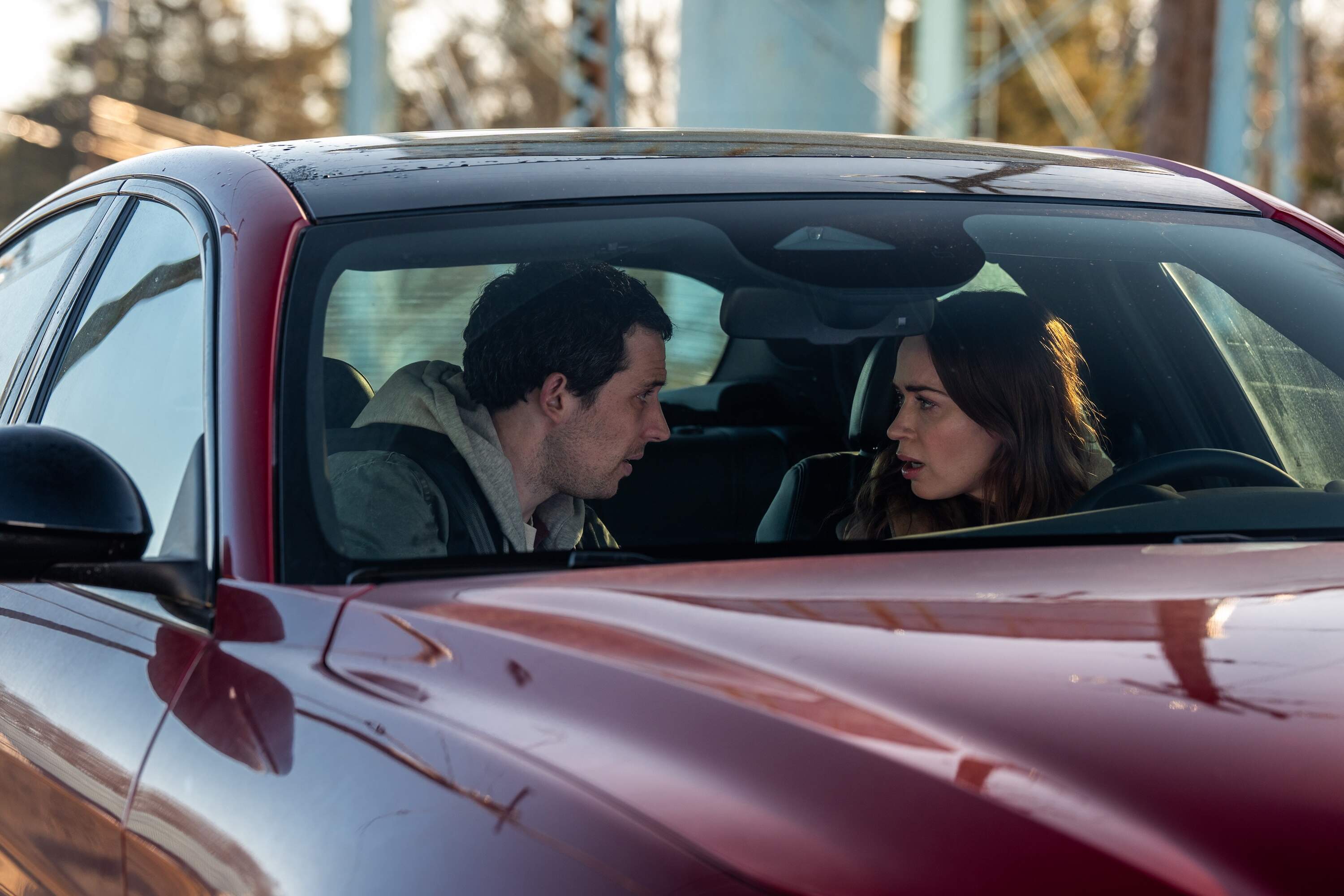
It's also got some of the filmmaker’s most tiresome hobbyhorses. Cinema’s Norman Rockwell has been an American institution for so long, his movies can fall prey to tedious meditations on their own Spielberg-ness. As I imagine must be a natural side effect of being the most successful person ever in your chosen field, Steven Spielberg thinks a lot about being Steven Spielberg. (I joke with friends that he’s proof it’s possible for a person to have had too much therapy.) His last picture, 2022’s “The Fabelmans,” was roughly the eighth-best movie he’s made about his parents’ divorce, a subject that manifested itself far more productively between the lines of classics like “E.T.” and “Catch Me If You Can.”
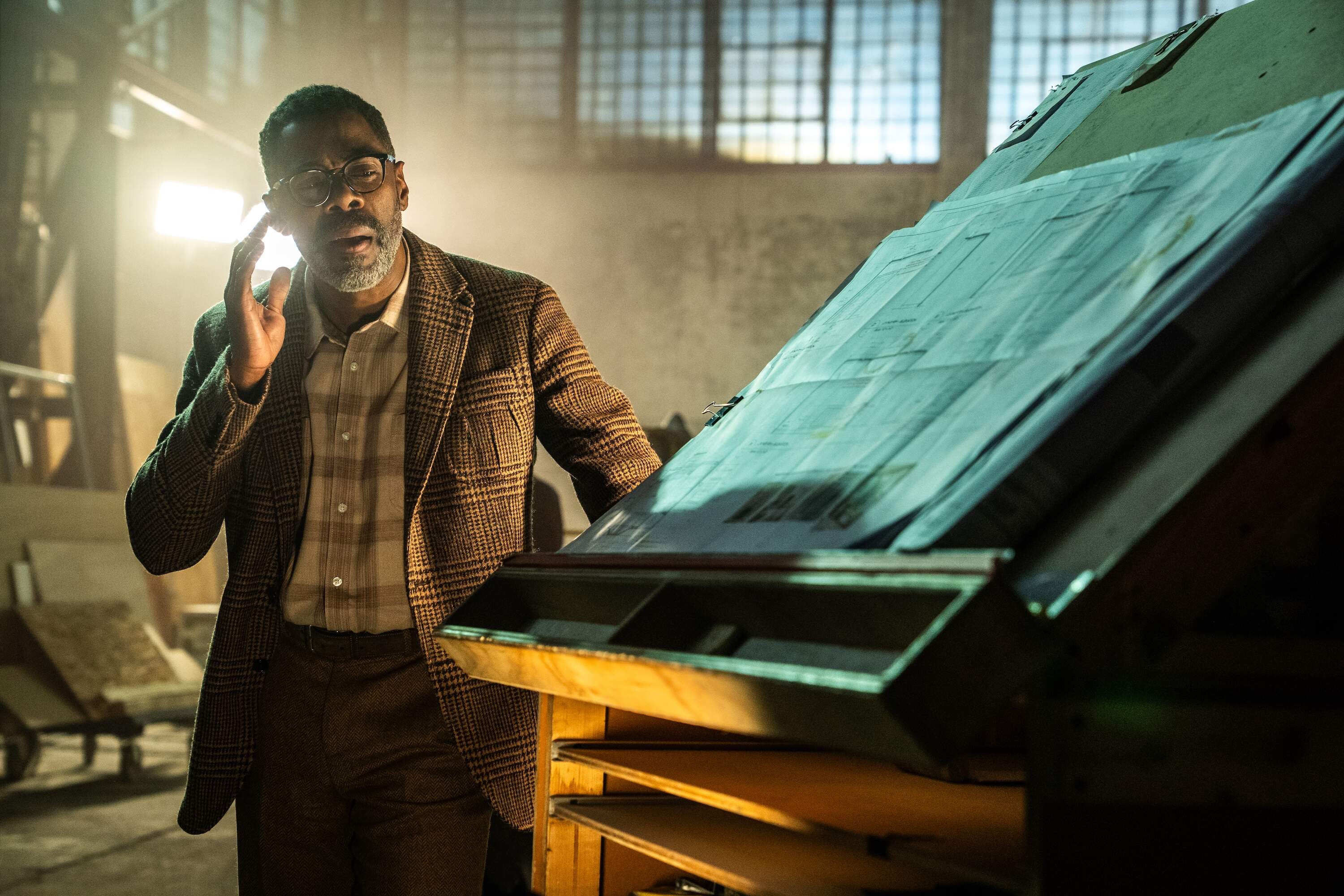
About two-thirds of the way through “Disclosure Day,” all the running and chasing bring us to the meta-Spielbergian image of a mid-century suburban home meticulously reconstructed in an airplane hangar. It’s a self-aware inversion of the awe-inspiring Devil’s Tower climax in “Close Encounters,” looking not to external special effects extravaganzas, but rather internal healing. We’re told that Blunt won’t understand how to use her powers until she comes to terms with something that happened to her when she was ten years old – so it’s basically “The Fabelmans” again, with the 79-year-old Spielberg exorcising childhood trauma through cinema for the umpteenth time. The operation is presided over by Colman Domingo, who moves around the makeshift soundstage adjusting props and giving orders. He’s even wearing an ascot, like an old-timey movie director.
Plotwise, the Spielberg film “Disclosure Day” most resembles is “The Post,” his rollicking 2017 newspaper comedy about Katherine Graham and Ben Bradlee publishing the Pentagon Papers. It was the third and admittedly weakest in the director’s Obama-inspired trilogy of cinematic civics lessons, following his 2012 masterpiece “Lincoln” and 2015’s underappreciated “Bridge of Spies.” Like the reporters and editors in “The Post,” the whistleblowers of “Disclosure Day” are desperately trying to get the truth out to people of the world, assuming that once everyone knows what’s really been going on, justice will follow accordingly.
This requires a rather generous assessment of the general populace that was a stretch in 2017 and feels foolishly naïve today. Spielberg’s “Disclosure Day” vision of a television broadcast uniting the world in a common cause is both beautifully utopian and also eye-rollingly silly. The one thing recent history has taught us is that people are going to believe whatever they want to believe, and no amount of empirical evidence or alien autopsies can change that. The truth is already out there.
“Disclosure Day” is screening on 70mm film at the Coolidge Corner Theatre, with IMAX and regular engagements at theaters everywhere.