Support WBUR
Eastern Kentucky residents say a 'caste system' keeps them in poverty
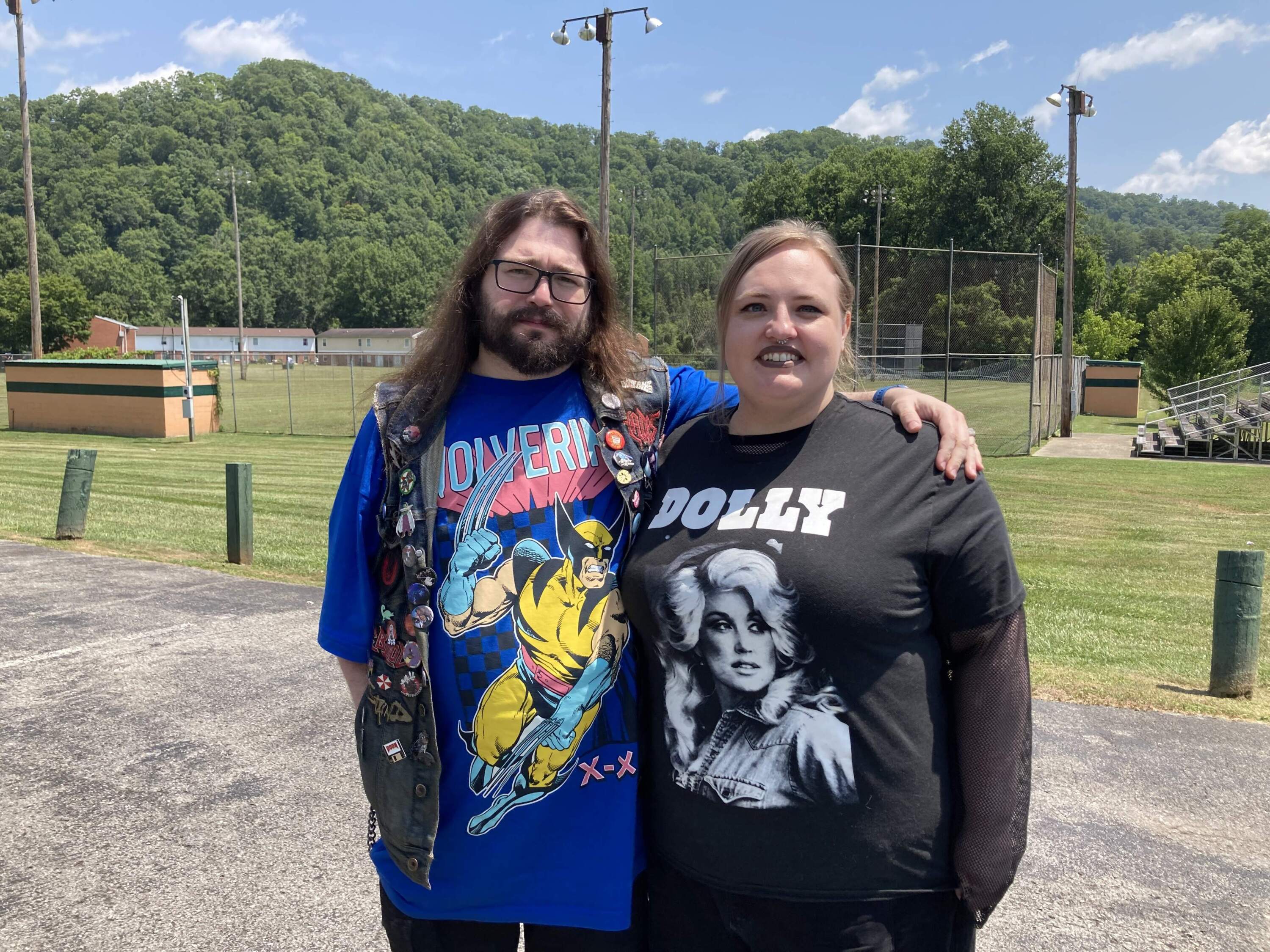
This story is part of our series Asking Appalachia: Coal, Trump and the politics of eastern Kentucky. Find part one here.
David Maynard and his wife Shea Maynard were born in Martin County, Kentucky.
“It's a place that people just kind of rot away at,” David Maynard says. “There’s no real opportunity, other than just live there and try to survive and then die when you die.”
When David and Shea met in high school, both of their families were struggling. David’s father had muscular dystrophy and couldn’t work. His mother suffered from wrist injuries that kept coming back. The family relied on public assistance and food stamps.
Shea’s father worked security at the local coal mine along with several other service jobs, including at the local movie theater and Dollar General.
David says the area of Martin County they grew up in was steeped in poverty. It wasn’t particularly safe then, and it still isn’t now.
He says that for the past 10 years or so, there has been very little police or fire department presence in the area. He also mentions an alarming trend he’s seen over the years: Drivers hit other cars on purpose to collect money from insurance companies. It happened to him at his family’s home. And, he warns that people sometimes run folks down on four-wheelers and rob them just for driving through this rougher part of the county.
“Almost every terrible thing that happened in my life happened in Martin County,” David says.
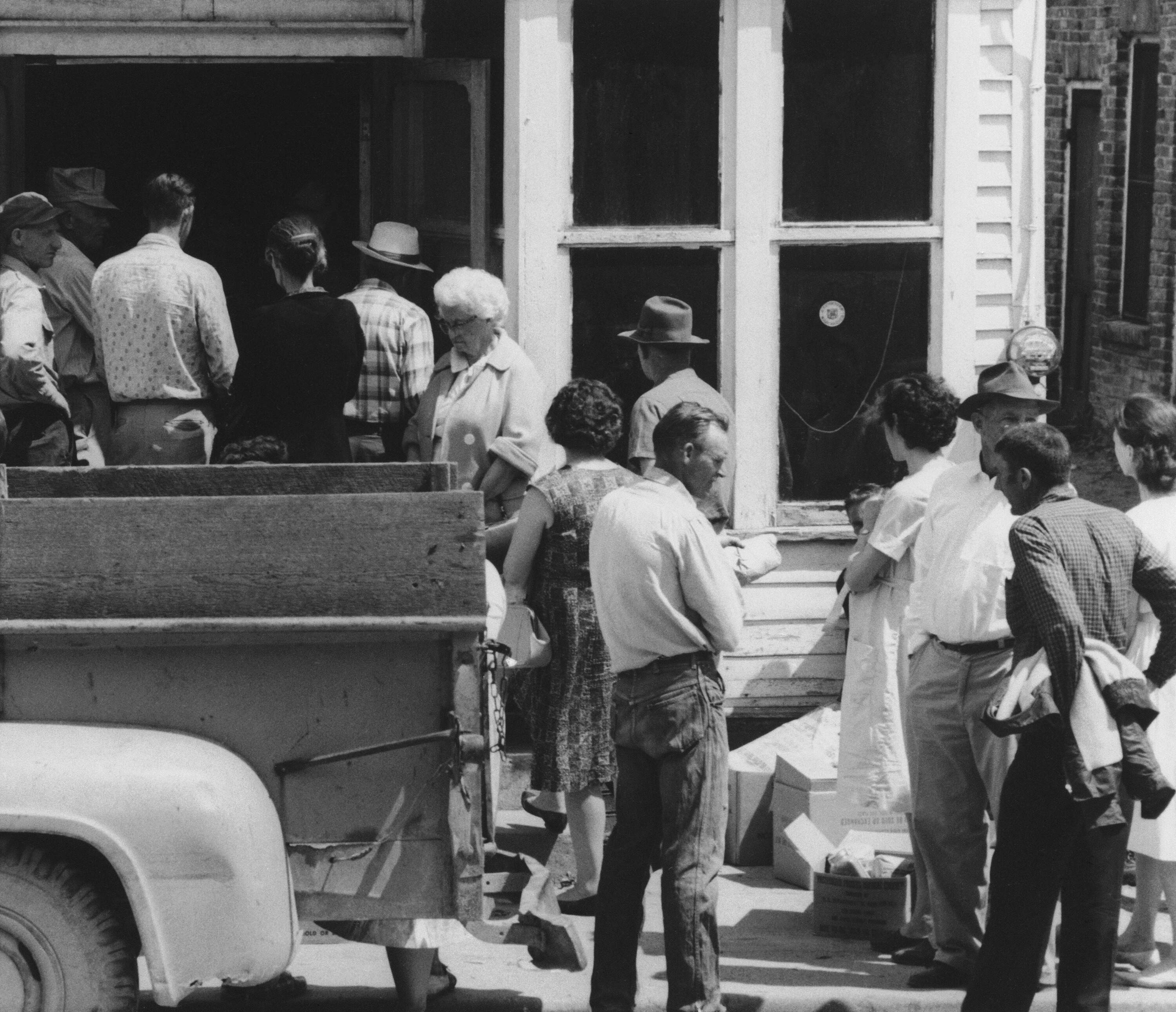
Shea and David say that neither Democrats nor Republicans adequately assess or respond to needs in Martin County. Shea says that Republicans strike her as xenophobic, rallying against outsiders and creating an ‘us versus them’ dichotomy.
David says that Democrats rely too heavily on identity politics that put people in boxes. He says that people who are poor, white and live in rural areas are assumed to be racist or a failure.
David describes life in Appalachian Kentucky, specifically Martin County, as a caste system. When his father suffered a stroke in 2010, David says the first responders that were supposed to help them didn’t, likely because they were located in the poorer part of the county.
He says that when the ambulance responded to his father’s stroke, one of the emergency workers spent 30 minutes talking to a friend about dog breeding instead of heading for the hospital.
Once the ambulance finally got on the road, it hit an ice cream truck. David’s father had to wait there for another ambulance. He died that day from the stroke and the delayed response.
David says the first responder in the first ambulance was from a wealthy part of the county. He says she referred to his father as “some druggie who killed himself.”
“We in this country try to deny that there's a caste system. But there is. We have one between those with wealth, those with very little wealth, and those with none,” David says. “People lose their lives because of that. My dad lost his because of it. Because he was viewed as someone who was not worth saving. He was less important than breeding dogs.”
People in wealthier parts of the county also look down on poorer residents, sometimes resorting to cruel name-calling. Families on public assistance are often labeled ‘First of the Monthers’ because they go shopping at the beginning of the month when they get their paycheck, welfare or disability check.
When his family relied on food stamps, David says that he often shopped at night to avoid humiliating stares.
Getting out of this cycle of poverty is hard, and folks rarely get a big break that pulls them out of their financial struggles. David almost got one; he was born with a heart problem that a surgeon tried to fix and botched, so now he can’t work a regular job. But David found his niche producing monster videos on TikTok and amassed around 500,000 followers. He hoped to cash in on his growing online presence, but he says TikTok pulled down some of his videos, claiming they violated community standards. Two of his videos have received more than a million views and many others have thousands. Now, he only gets views in the hundreds, stalling any big payouts for his TikToks.
Shea, on the other hand, did get a big break. She has an associate’s degree in accounting and worked as a night auditor at local hotels. After she got a spot at a computer coding camp, she secured a job in the tech industry writing code for smartphones and tablets.
“I doubted my abilities to be able to program things, which I did learn in the program that I could do coding,” Shea says. “But, it felt unobtainable. And I think that a lot of people kind of feel that way, like they feel kind of stuck. They're not sure what their true potential really is.”
But Shea just got laid off from her job, and she and David may have to rely on public assistance to make ends meet. David says there’s a feeling of shame that comes with accepting public help.
“I grew up on the wrong side of the mountain,” he says. “It’s exhausting.”
Find part five here.
This segment aired on September 12, 2024.