The Future Of Work
Work is changing. And in the future, the nature of work may look drastically different. This series looks at the jobs of the future and the skills needed for those jobs.

Is The Virtual Workplace Here To Stay?
Working from home has become the norm for some these last few months, but will it endure after the pandemic? We explore the future of the virtual workplace.
Is The Virtual Workplace Here To Stay?
Working from home has become the norm for some in these last few months, but will it endure after the pandemic?

Employers Want To Do More With Less. Where Does That Leave Expertise?
With organizations asking employees to do more with less, does it pay to be an expert anymore? Maybe not.
MIT Economist Explains What Jobs Will Survive The Tech Revolution And Why
MIT economist Andrew McAfee discusses whether he sees an "end of work" in the future.
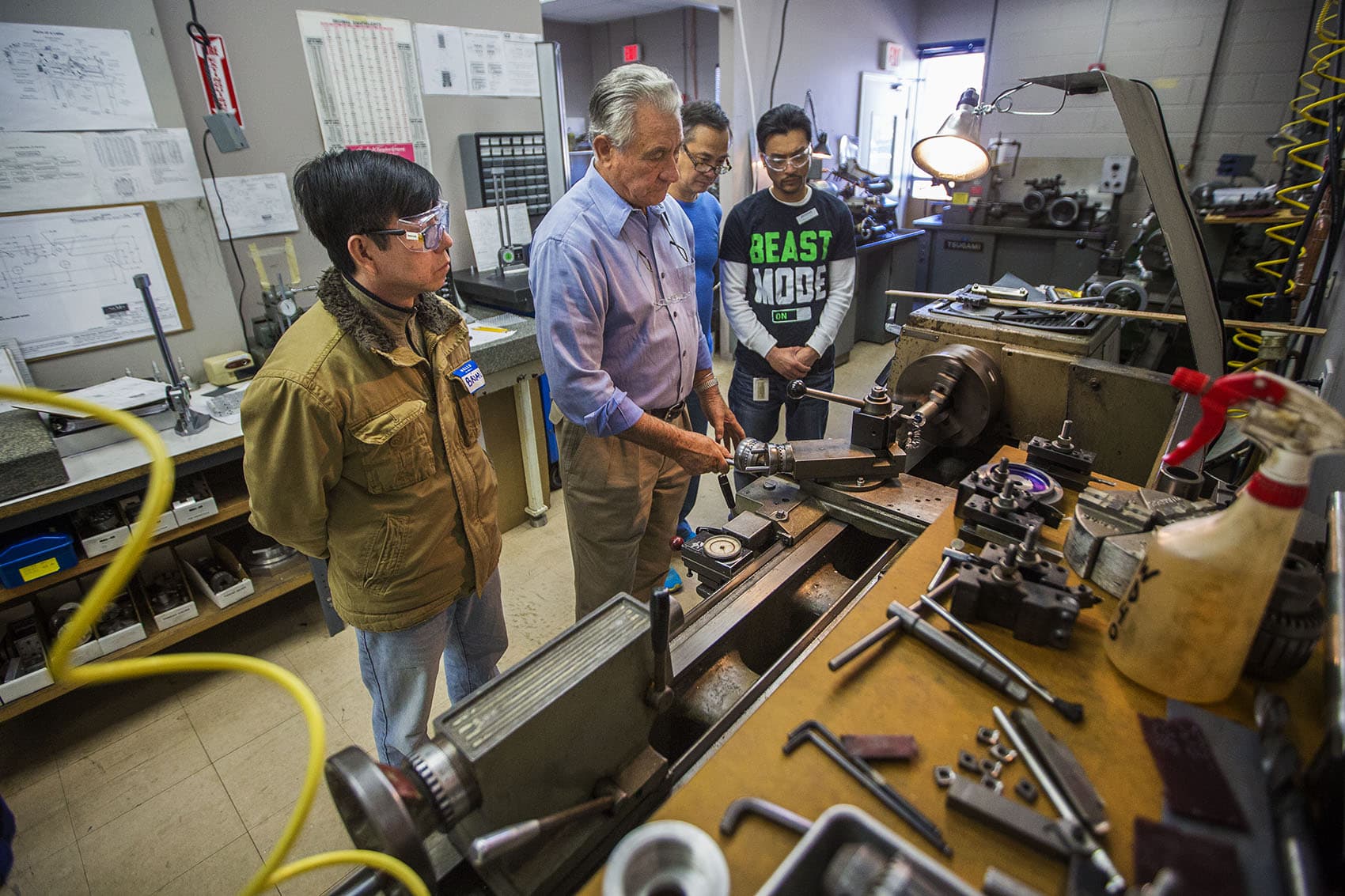
A Glimpse Of The Factory Of The Future
WBUR reporter Bruce Gellerman takes us inside a Woburn factory where automation and machinists work together to manage the complex manufacturing processes.
Support WBUR

Tech Could Make New Bedford's Fish Cutting Jobs Obsolete
Fish cutting has long been a mainstay of New Bedford's economy. But with automation, that could become a job of the past.
'Old School' Manufacturing Meets The New 3D Revolution In Mass.
Workers, armed with computing power and automation, have made manufacturing a comeback story in the state.

What The Growing Gig Economy Means For Workers
A growing number of people who might have traditionally gone into a salaried job are now working as freelancers.
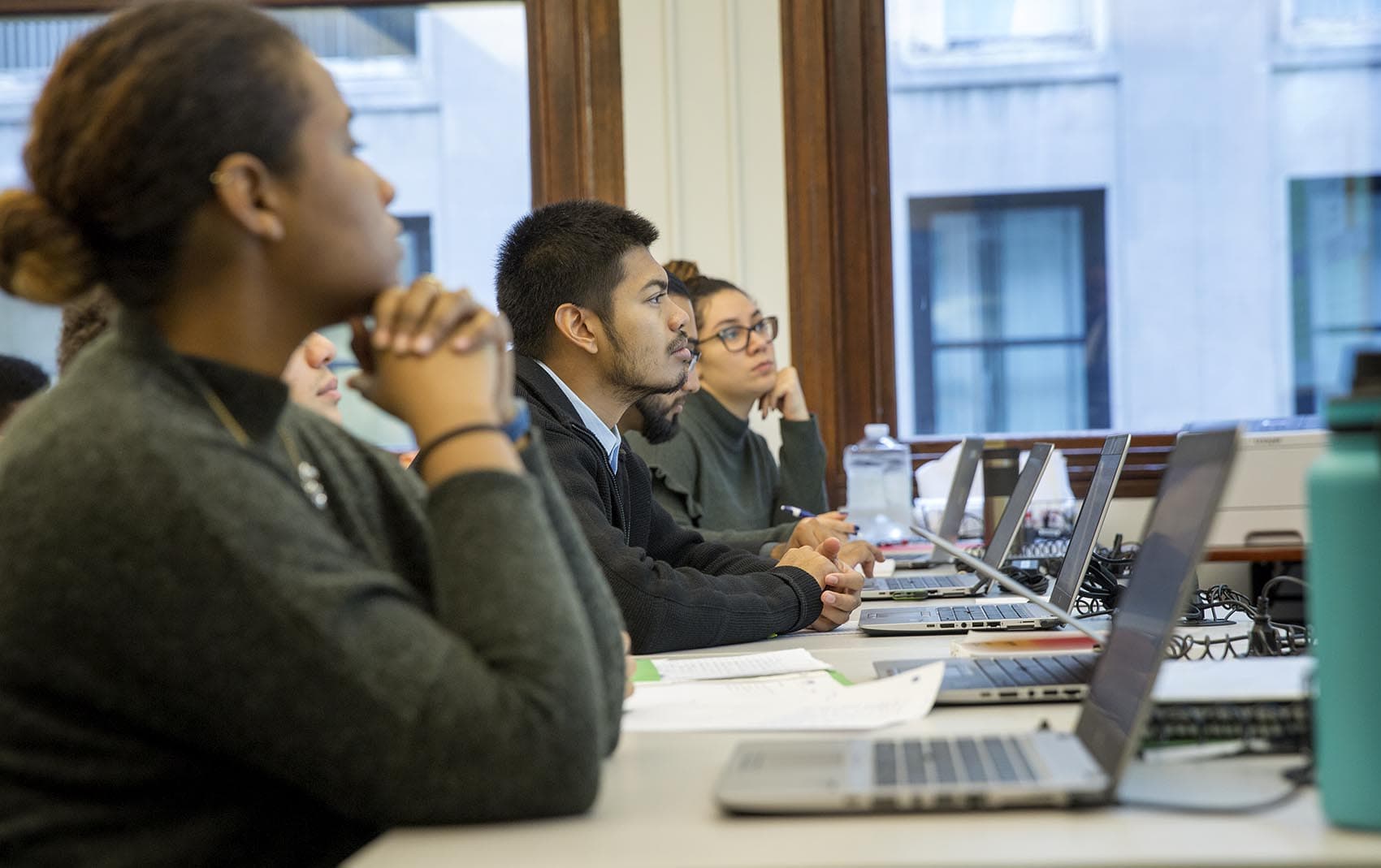
With A Future Full Of Jobs To Fill, Training Programs Take Aim At Skills Gap
Many tech companies complain there aren't enough qualified workers. Now, some Boston-area programs are offering training -- especially to people from low-income communities -- to help them fill these jobs.
Organized Labor Warns Gig Economy Can Harm Workers
Steve Tolman of the AFL/CIO shares his concerns about how employment in the "gig economy" could be hurting workers.
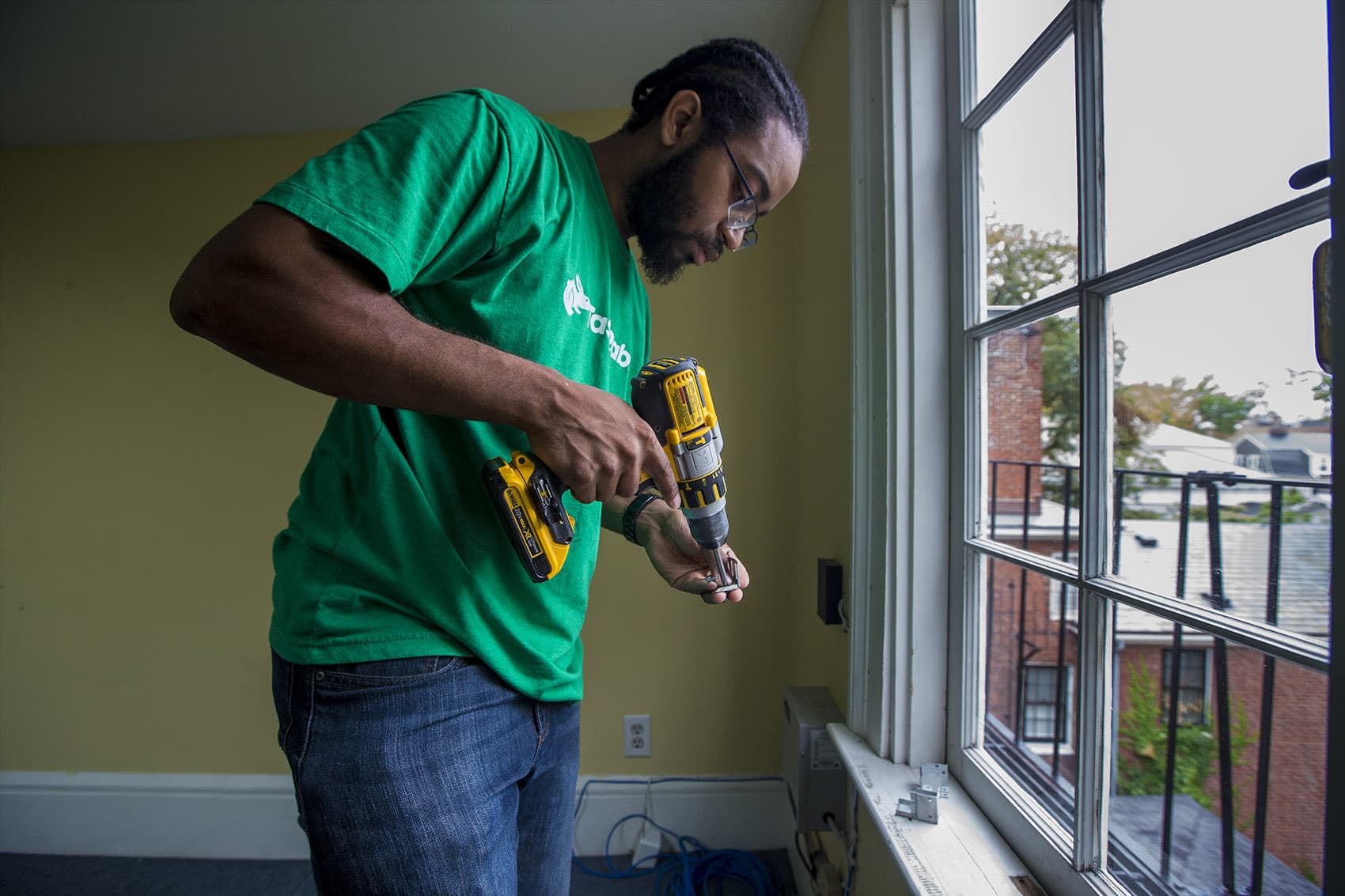
What The Booming Gig Economy Means For The Future Of Work
Side hustle. Freelancing. Contract work. More people now turn to this type of work, and in the future, it could become the norm. Some experts say labor laws need to...
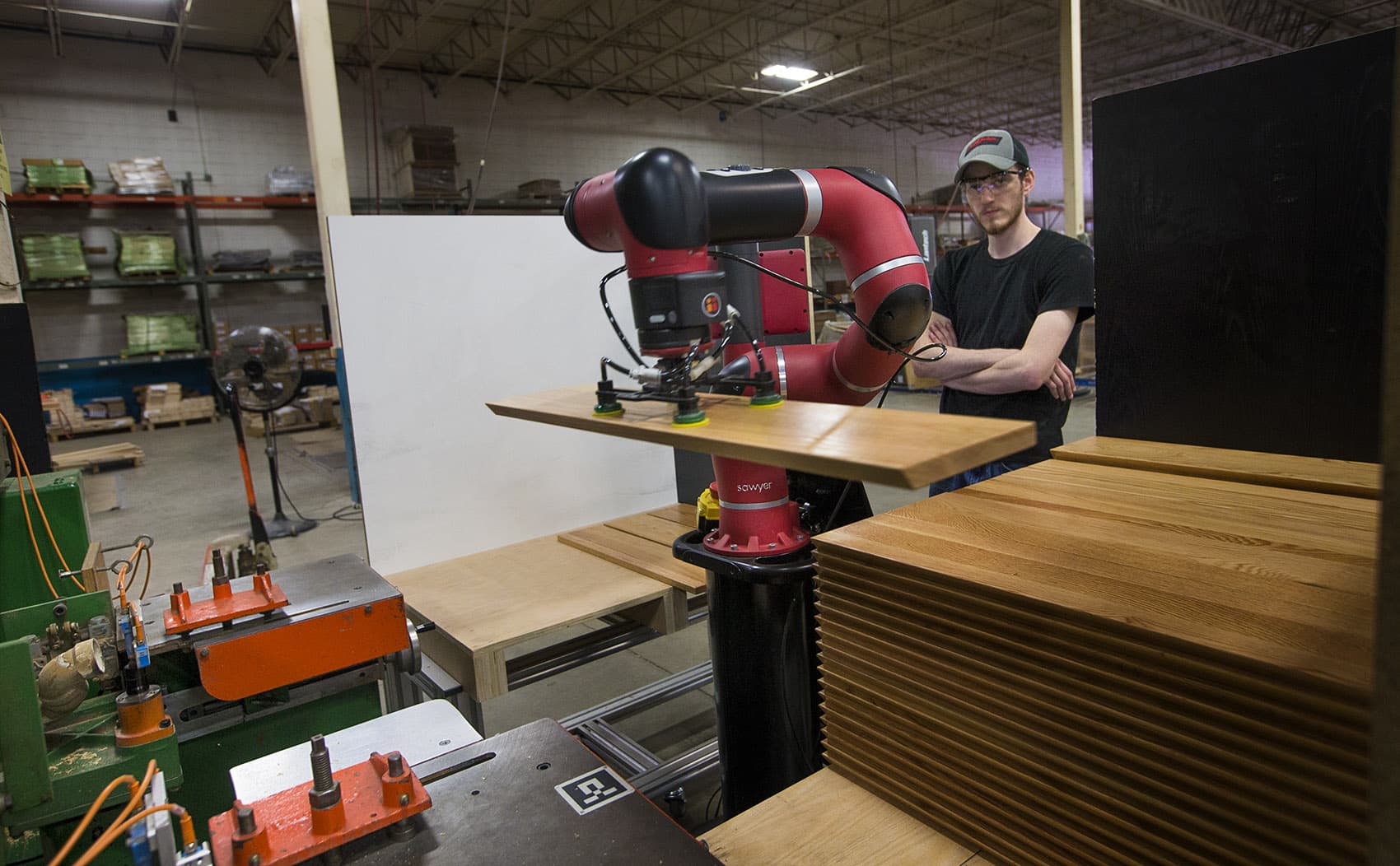
How Artificial Intelligence Is Reshaping Work
As part of WBUR's Future of Work series, BostonomiX examines how robotics is reshaping the nature of work in both blue and white collar jobs.
How Artificial Intelligence Is Changing Medicine
The future of technology and medicine could mean the entire replacement of some doctor specialties.
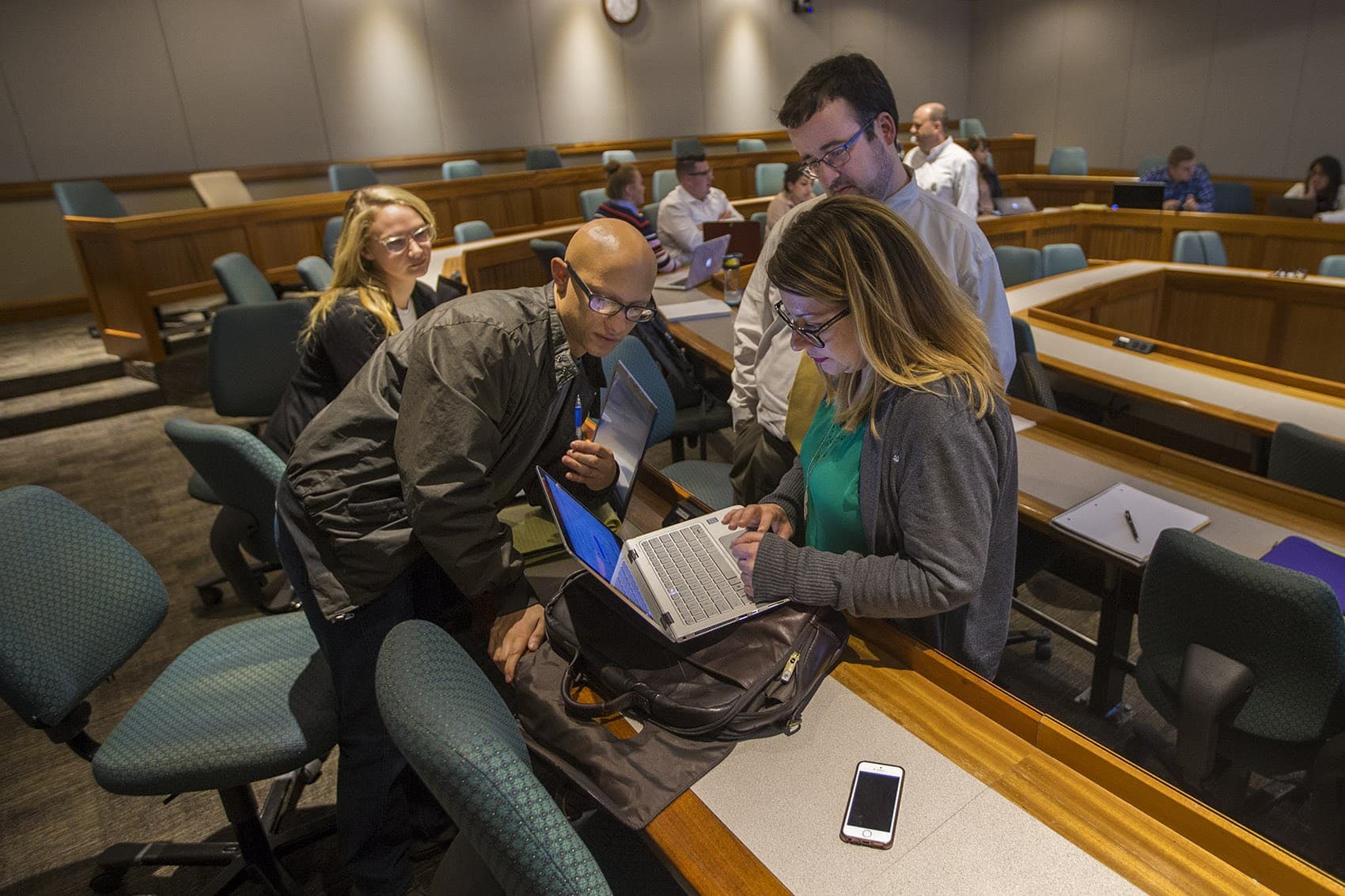
When Algorithms Replace Post-Its: Artificial Intelligence Is Rewiring The Job Of A Lawyer
Automation is not only changing traditional blue-collar jobs; it’s fundamentally changing previously lucrative white-collar work. Here's how the day-to-day legal field is changing.
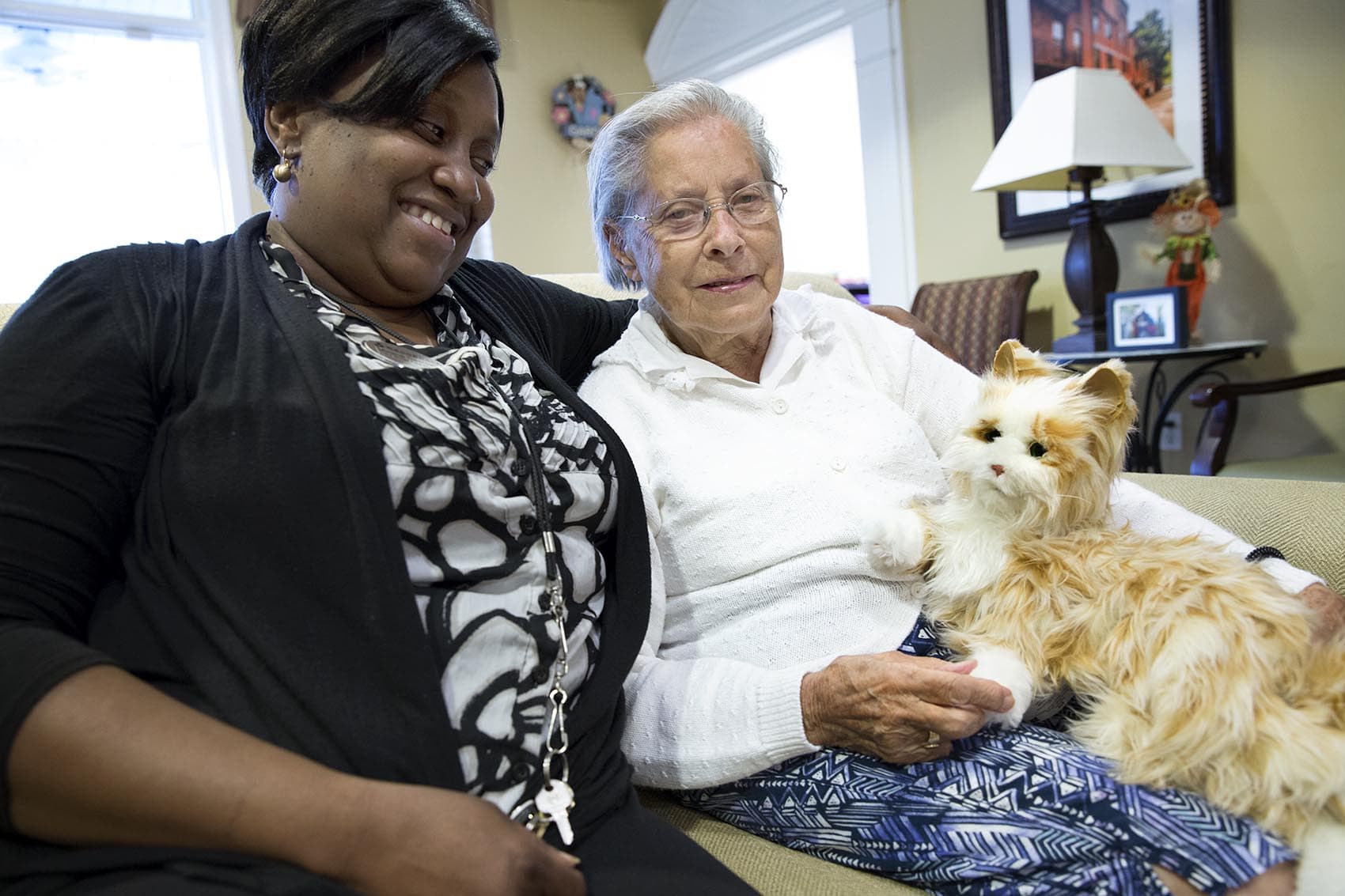
From A Robotic Cat To Virtual Reality: How Tech Is Assisting Seniors And Caregivers
As the U.S. population ages, this new technology is emerging to augment the work of human caregivers, and also improve seniors' quality of life.
As Population Ages, Need For Home Health Aides Increases
As the elderly population in Massachusetts grows, so does the demand for skilled home health aides.
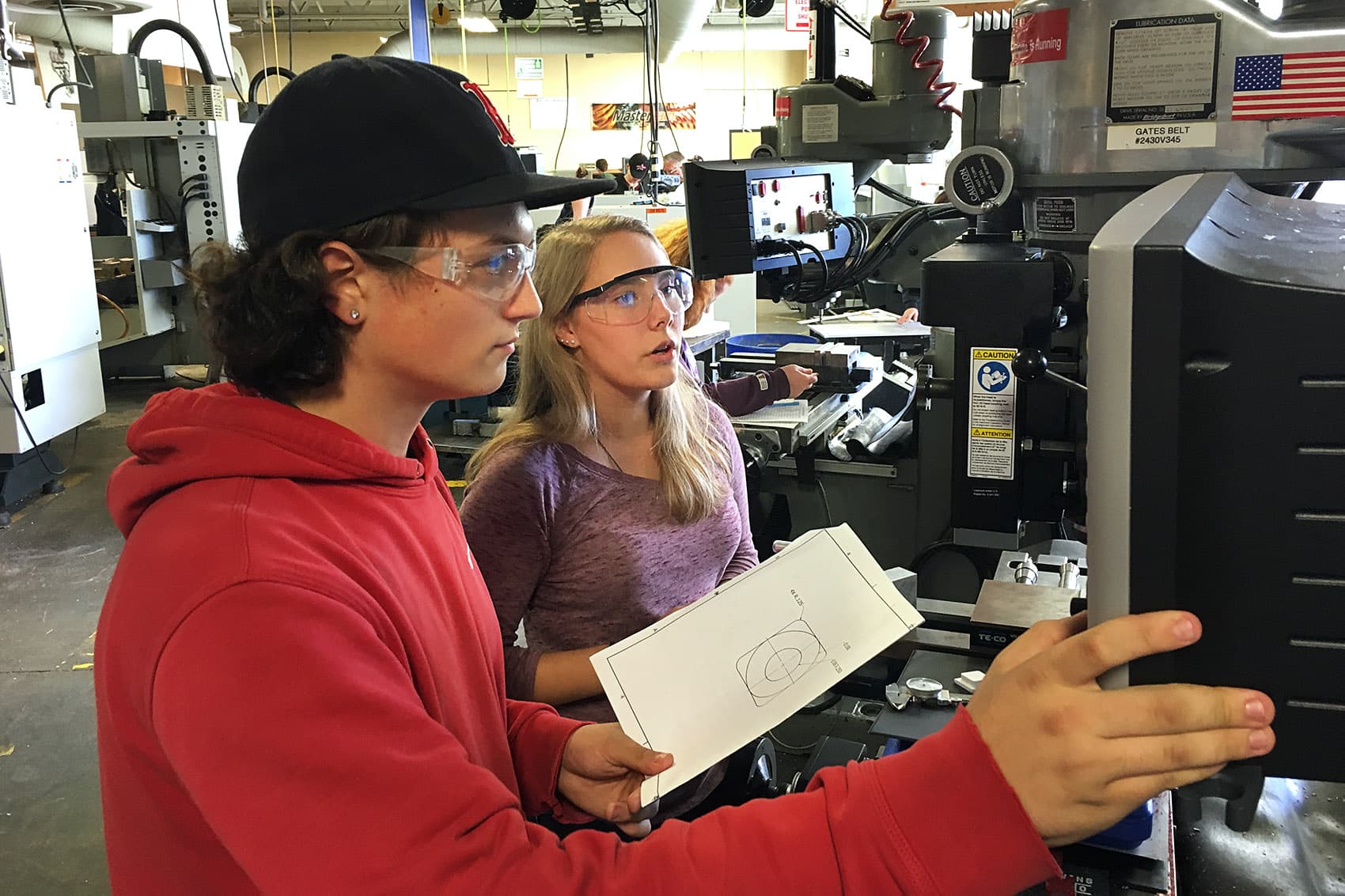
The Evolving Vocational-Tech School: Preparing Students For Work In Growing Fields
Vocational schools, like Blackstone Valley Regional Vocational Technical High School in Upton, are increasingly seen as a 21st Century employers' treasure chest -- places that are preparing the future workforce...
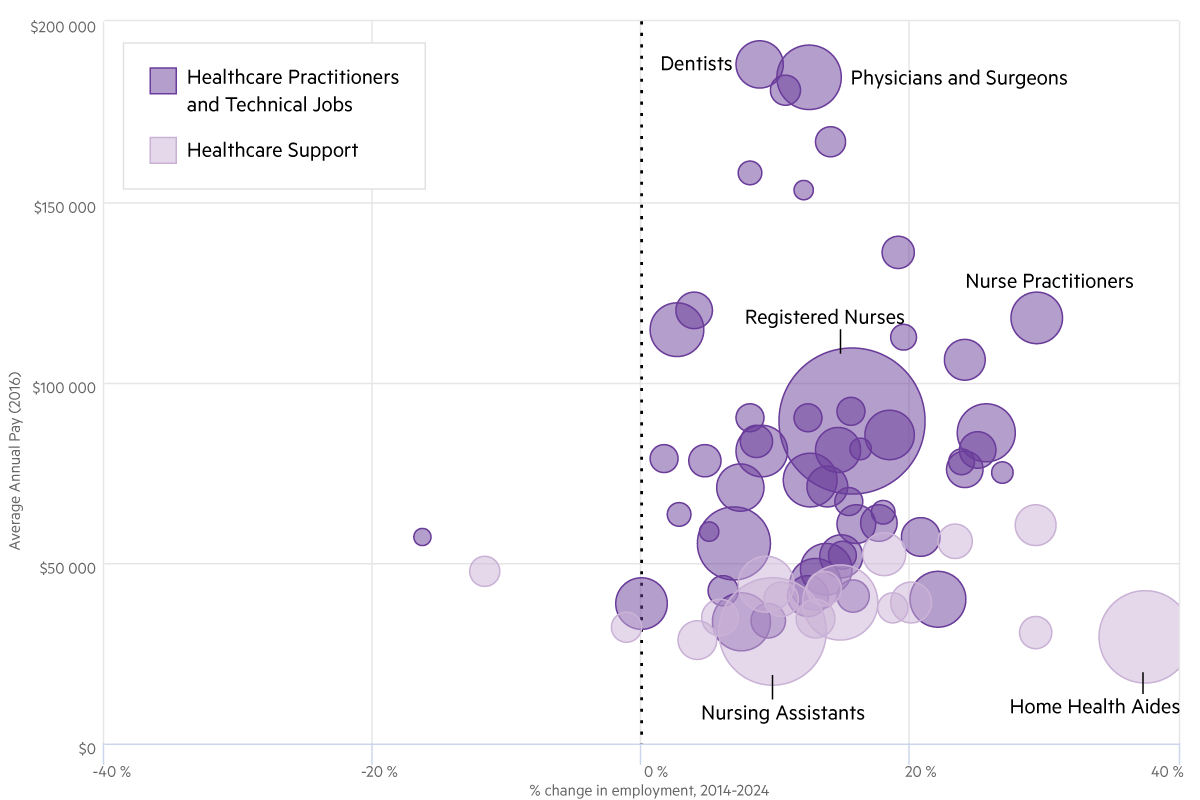
What Will Jobs Of The Future Look Like?
All this week, WBUR's BostonomiX team will be examining what the jobs of the future will look like, and what skills people will need to fill those jobs.
From Tech Disruption To The Gig Economy, BostonomiX Team Explains Its Future Of Work Series
In this new series, our BostonomiX team attempts to answer two questions: what are the jobs of the future? And, what skills do you need for those jobs?
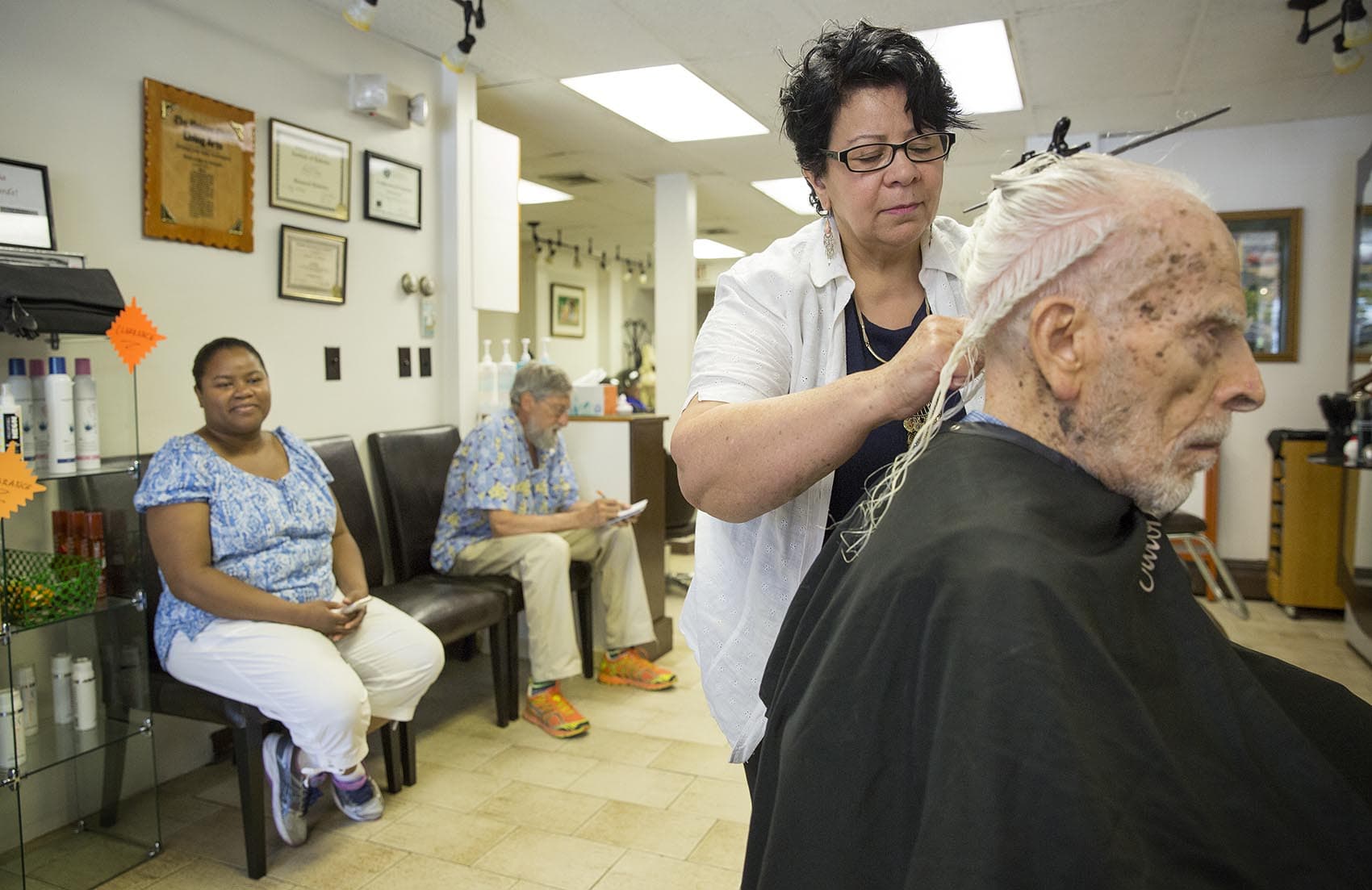
Demand For Senior Home Care Grows, But Its Pay Remains Low
"If nothing is done to improve these jobs," MIT economist Paul Osterman says, "by the year 2040, there'll be a shortage of at least 350,000 paid caregivers."