Support WBUR
How an energy efficiency program in Mass. became so politicized
Call it the age of the ratepayer revolt. As gas and electric bills soared over the last year and a half, people across Massachusetts have been looking for someone, or something, to blame.
There are several reasons utility bills have become so expensive — including cold winter weather, rising natural gas prices and a bonanza of pricey infrastructure spending. But by early 2025, climate critics and beleaguered ratepayers coalesced around a different culprit: Mass Save, the state's energy efficiency program. That idea quickly took off online. The cost of the program had also gone up, and the role it played in increasing bills was a narrative with a lot of staying power.
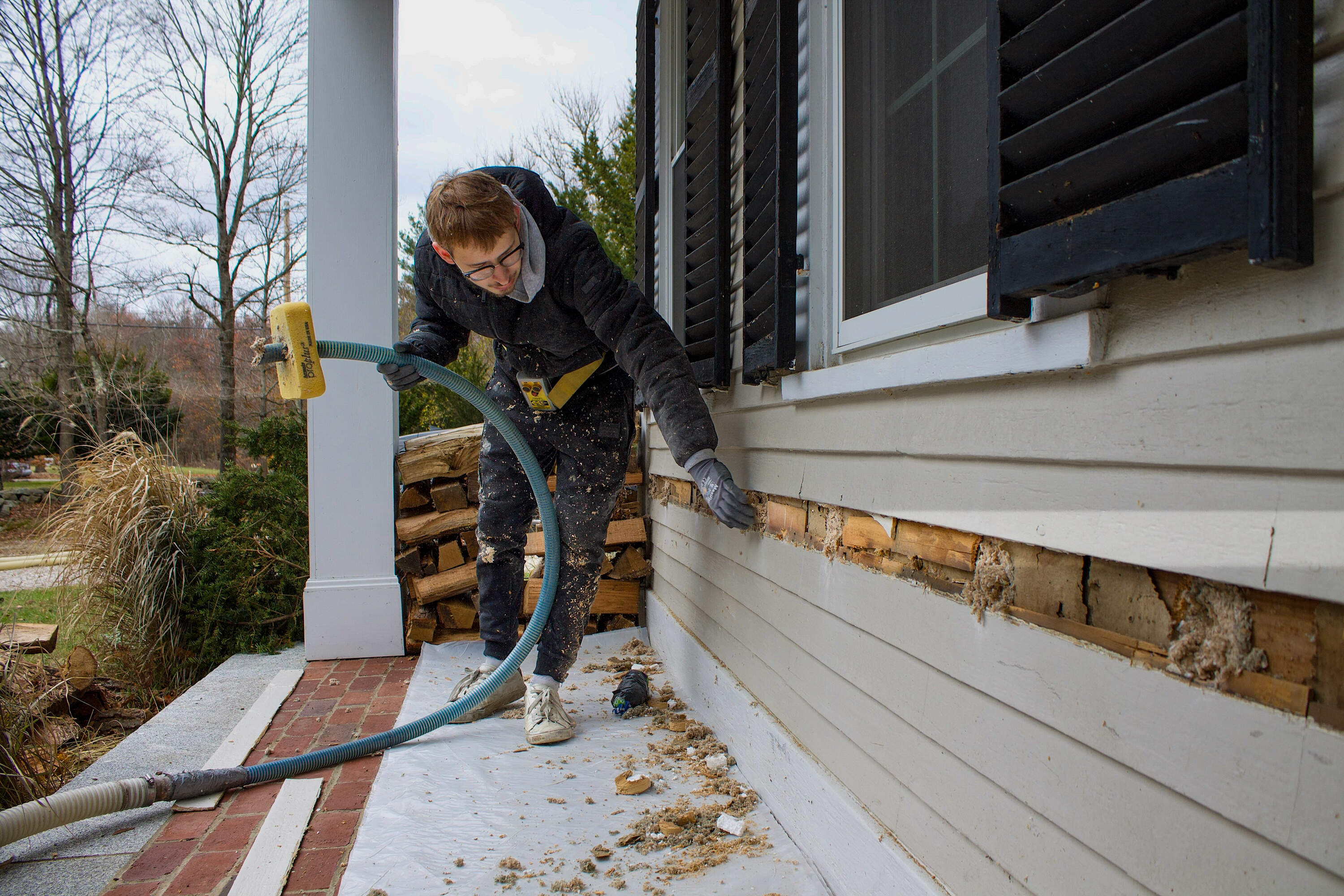
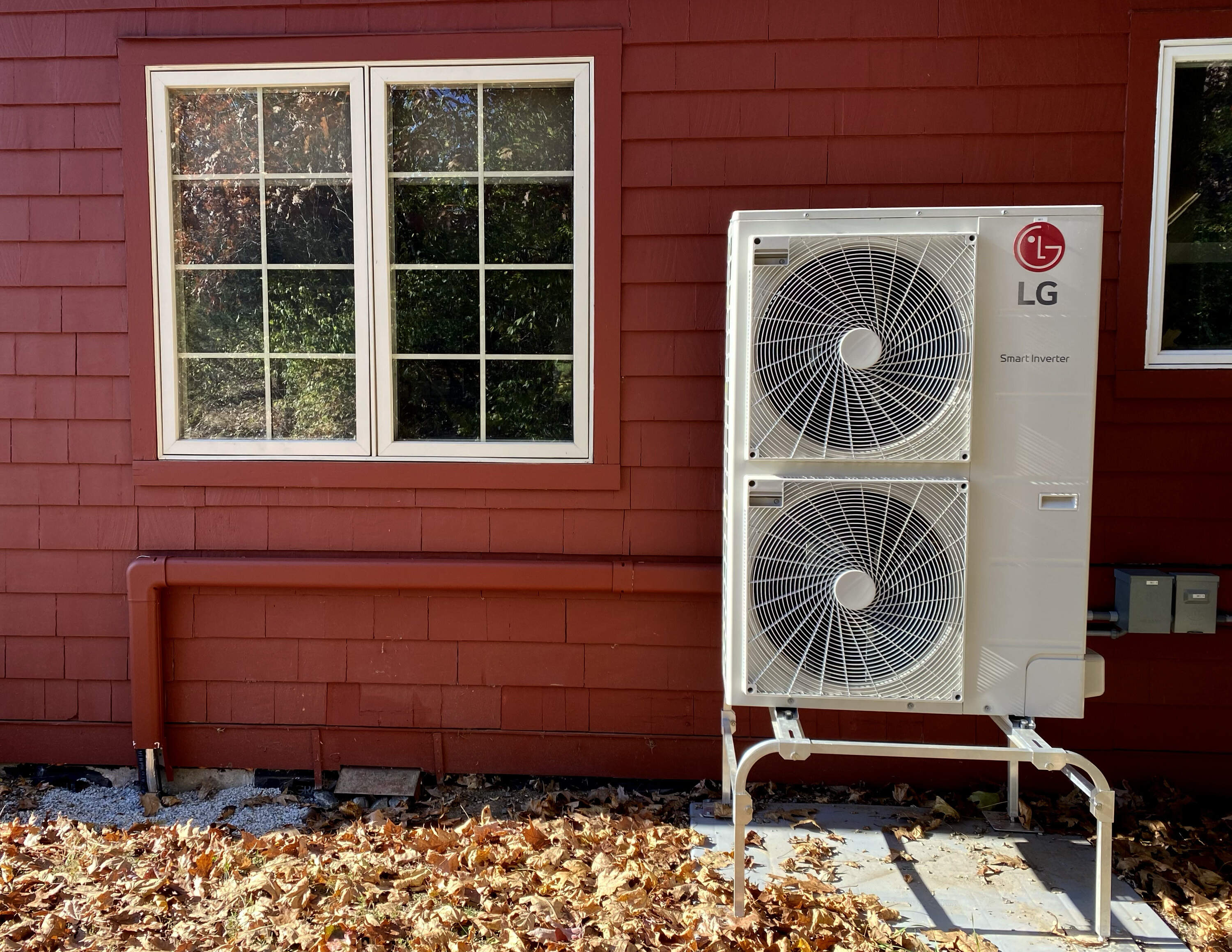
Mass Save is perhaps best known for distributing millions of LED lightbulbs. Since its creation in 2008, the utility-run initiative has also helped thousands of households add insulation, install new windows and buy energy efficient appliances, such as heat pumps.
While far from perfect, supporters say the program has been a big success. It’s become a model for initiatives elsewhere in the country, and environmental advocates consider it one of the state’s strongest tools for addressing climate change.
Mass Save has also saved people a lot of money — including residents who haven't used its services. Between 2014 and 2024, ratepayers spent $11.6 billion on Mass Save. In return, utility officials say the program helped households save an estimated $23 billion by reducing energy use and infrastructure costs.
But scroll through social media or listen to the recent rhetoric of some politicians, and it's clear that many now see Mass Save as a cost driver, not a cost saver. Lawmakers in the House cited energy affordability when they passed a bill earlier this year to cut $1 billion, or two-thirds, of Mass Save's budget next year.
Massachusetts is not the only state where energy efficiency efforts have come under scrutiny. Ratepayers in several Northeast states are furious about these programs.
Anna Johnson of the American Council for an Energy-Efficient Economy, a nonprofit research and advocacy organization, said efficiency programs have become a target, partly because lawmakers have few short-term options for reducing utility bills.
" They can't wave a magic wand and solve these problems," she said. "And unfortunately, even though energy efficiency did not cause the problem that we're facing, and won't be the solution to the problem that we're facing, there still are multiple states that have seen this as one path to potentially reducing some costs."
A gathering storm
To understand how Mass Save ended up in the center of the state's energy affordability debate, it helps to go back to October 2024, when the Department of Public Utilities approved significant delivery rate increases for natural gas customers. Almost immediately, National Grid bills were expected to go up by 11%-13%, and Eversource bills were expected to go up by 25%-30%.
Gas bills almost always go up in the beginning of November as the winter heating season kicks off. But that year, the price tag for Mass Save was also a factor, the utilities said. The program's budget was expected to increase 25% — a change from $4 billion over three years to $5 billion. On top of that, the utilities that run the program saw higher than expected demand for heat pumps during the prior year and got permission from the state to overspend. That bill was coming due, too.
Most people didn't notice the rate hike at first because the weather wasn't particularly cold, said Kyle Murray, Massachusetts program director at the Acadia Center, a clean energy advocacy group.
That changed in January 2025. Temperatures plummeted, and energy use soared. Eversource reported that its average gas customer used 19% more gas that month than the previous January.
That also meant people were spending more on Mass Save — because like most charges on energy bills, the more gas or electricity you use, the more you pay.
"All of a sudden, overnight, people start having these super high bills," Murray said. "And I think that's where things kind of go off the rails."
Pointing the Finger
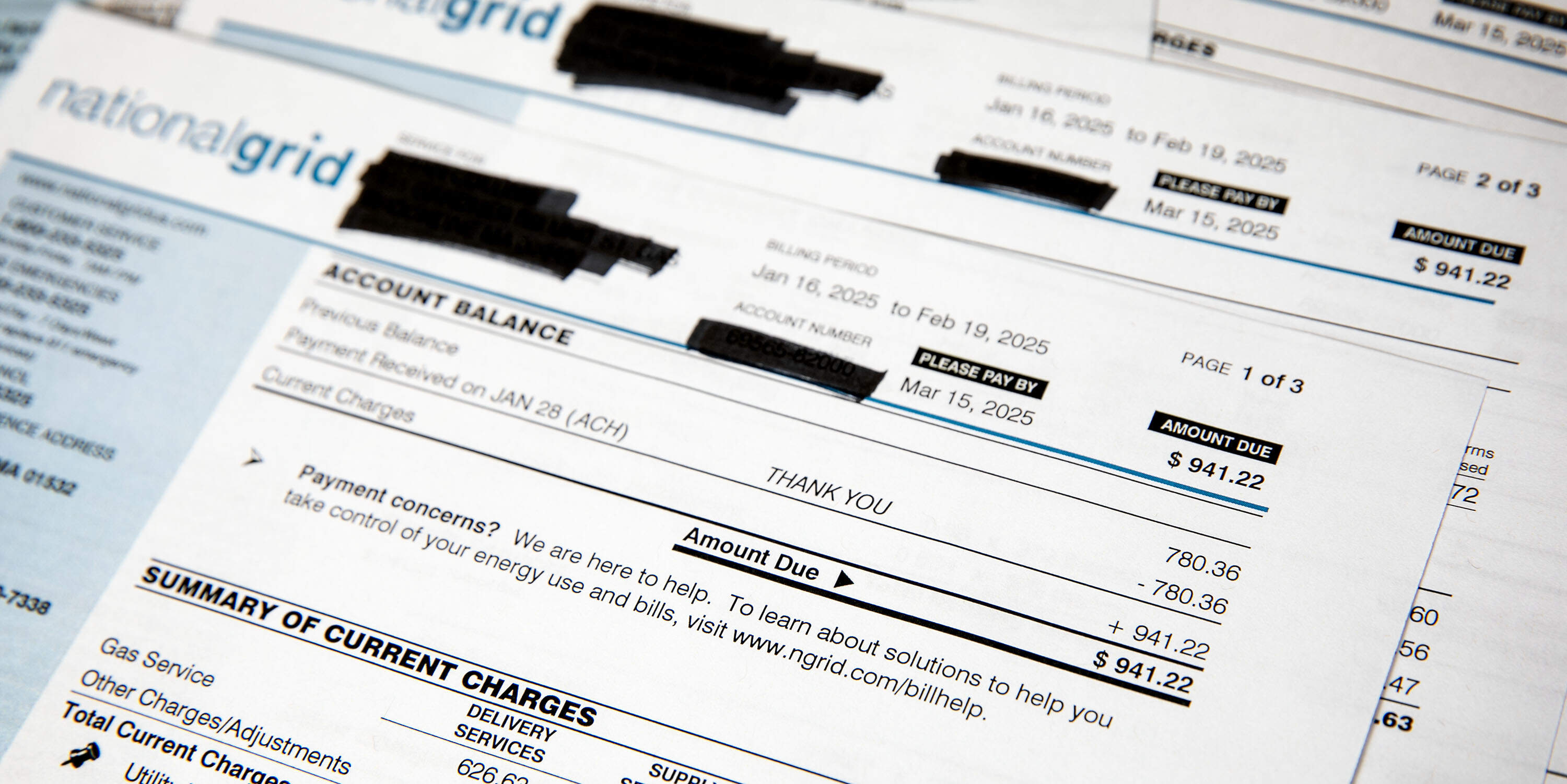
Amid the sticker shock of January 2025, people took to social media to complain and find answers.
"Anyone else get a crazy high gas bill?" a Reddit user with the handle Sharpen361 wrote in r/boston. "This seems remarkably high. Did National Grid have a big bump in gas prices?"
Media outlets, including WBUR, published stories highlighting peoples' frustrations. And when reporters asked utility representatives why bills were so high, many pointed to the cost of Mass Save as a primary factor.
To some, like Paul Craney, president of the Mass Fiscal Alliance, this felt like a long overdue acknowledgement that the state's climate and energy policies were expensive undertakings.
"People are waking up to it. They're frustrated, and they're rightly frustrated," he said. " This is just too much to ask people to pay."
Others, however, felt utility companies were putting too much blame on a single program.
"Mass Save became a scapegoat," said Mary Wambui, a ratepayer advocate who sits on the state's Energy Efficiency Advisory Council.
Energy efficiency is a critical tool for reducing energy costs, she said. And given how laser-focused people were on their bills at this time, she suspects all the attention on Mass Save kept people from talking about other contributing factors, like soaring annual utility profits.
"We cannot have energy affordability without looking at the utility business model and challenging it," Wambui said.
Utility company leaders denied scapegoating Mass Save, and said they were being transparent about the costs on customers’ bills.
"We are proud of our essential role in delivering nation-leading energy efficiency programs that provide significant value to our customers and the state as a whole,” wrote William Hinkle, a spokesperson for Eversource, in an email. “Any suggestion to the contrary is unequivocally false, and we are among the most vocal proponents of these incredibly successful and valuable programs."
Anger over high gas bills simmered for weeks, erupting in February in the form of a Facebook group, Citizens Against Eversource. Tens of thousands joined, and many shared images of their "outrageous" bills.
At first, most of the posts were screeds against the state's utilities. But the conversation soon shifted as more began to question the value of Mass Save and the purpose of investing in clean energy sources like wind and solar.
Members of the Facebook group seized on the idea that "liberal climate policies are making life unaffordable," said Vick Mohanka, director of the Massachusetts Sierra Club.
"It's an easy story to tell," said Erika Uyterhoeven, a Democratic state representative from Somerville. Rather than get into a nuanced debate about energy policy, people could just say, " ' Look at these tree hugging liberals who want climate this, climate that.' "
A lot of people — especially renters or those who didn't want heat pumps — said they felt Mass Save wasn't doing anything for them. Many others complained about their dollars being used to subsidize affluent homeowners in tony Boston suburbs who wanted solar panels.
"I think people are angry about footing the bill for extensive climate change policies which they may or may not believe in," said Michael Ferrante, president of the Massachusetts Energy Marketers Association and a former member of the state's Energy Efficiency Advisory Council, the body that helps shape the Mass Save program.
Mass Save "has morphed into a heat pump-driven program versus a heating equipment upgrade program that would improve efficiencies for all heating systems," he added. "And given that we are paying for this program, it seems patently unfair that you can't tap into that program to upgrade your existing system, whatever fuel that may be."
Mass Save in the spotlight
In late February 2025, two decisions from the Department of Public Utilities kept Mass Save in the headlines.
First, the department approved the program's 2025-2027 plan — the most ambitious Mass Save proposal to date — but cut the budget from $5 billion over three years to $4.5 billion. In their order, the state commissioners wrote that they applauded the utilities' "pursuit of the Commonwealth's climate and equity goals," but had to be "cautious about increasing ratepayer burdens."
The budget reduction was a move some advocates and Gov. Maura Healey celebrated at the time, though in hindsight some say it backfired.
" That action sent a message: If you want to reduce your energy bills, you should have budget cuts in Mass Save," said Wambui, the ratepayer advocate on the state energy efficiency council.
Healey declined to comment.
Also in February 2025, utility regulators told gas companies to make Mass Save a standalone item on customers' bills. The "energy efficiency" surcharge had long been visible on electric bills, but on gas bills, it was lumped into the catch-all "distribution adjustment" charge.
While the department said the change would "provide more transparency for all gas customers on the components that make up their bills," it also drew more attention to what people were paying for the program.
"It's an example of the unintended consequences of transparency," said Sen. Mike Barrett, co-chair of the legislative committee that oversees utilities. "Whatever you stick up on the marquee is going to get attention in bad times."
If gas and electric bills had a line item for utility profits, he added, people might be having a very different conversation about the drivers of high energy bills.
With the reduction in Mass Save's budget — plus a temporary reprieve on gas and electric bills from the state — many ratepayers got some relief last March.
Eversource, which operates two gas companies in Massachusetts: NSTAR Gas and EGMA, reported that 13% of the average NSTAR customer's bill went to Mass Save in March, down from 22% in February. For the average EGMA customer, the rate plunged from 15% to 5%.
The auditor’s report
As the 2025 winter heating season ended, and the weather got warmer, there was less focus on Mass Save, said Murray of the Acadia Center. But last September, State Auditor Diana DiZoglio released a damning report about the program that immediately reignited criticism.
Looking at data from 2019-2023, DiZoglio's team found that cities and towns with more low-income residents paid a lot more into Mass Save than they received in benefits, when compared to more affluent communities. Her office also found a disproportionate financial burden on residents in "Environmental Justice" communities, or places with a history of environmental problems and a high percentage of immigrants, people of color and low-income residents.
The report highlighted a problem many advocates had been talking about for years — that Mass Save wasn't doing enough to help renters and low-to-middle income residents. But Peale Sloan of the Conservation Law Foundation said this inequity was already changing by the time the report came out.
"Mass Save has not been perfect at addressing equity over the years, but it's gotten a lot better," she said.
The Mass Save plan for 2022-2024 included more help for low-income residents than previous iterations of the program. And the plan that took effect in 2025 was even stronger. It had specific equity targets, and directed about half of the program's spending to low-income customers. It also created new initiatives aimed at renters and landlords.
That Mass Save came under fire just as it was finally starting to work better for low-income residents was not lost on Wambui.
"We underinvested for years in certain cities and towns, and now it's their time to receive the distributive justice that they've been looking for," she said. "If there's an increase in demand among the most vulnerable, why would you be cutting the budget?"
A budget-cutting bill
Facing the specter of another expensive winter heating season, lawmakers in the House released a wide-ranging climate and energy proposal last fall. Among its provisions: water down the state's climate targets and cut another $500 million from Mass Save.
To say it sparked outrage in environmental circles would be an understatement. At one point, activists gathered at the State House and demanded the chair of the energy committee resign.
A second draft of the bill that emerged a few months later from the House Ways and Means Committee looked very different. Lawmakers had decided not to touch the state's climate goals, but they squeezed the belt tighter on Mass Save. Instead of cutting the budget by $500 million, they proposed cutting $1 billion.
According to Uyterhoeven, the Somerville representative, lawmakers had a day to review the bill before a scheduled vote. A lot of people had questions, she said, including what the cuts to Mass Save might do to the program in the long-run.
"We had attorneys, people with PhDs in energy policy, trying to understand what this bill does," she said. "And I can assure anyone, by the time of the vote, there was not clarity among most legislators about what we were voting on."
Still, House lawmakers passed the legislation. Uyterhoeven and one other Democrat joined House Republicans in voting against it.
"Even now, we don't know all the impacts of the bill," she said. " And that, I think, is really deeply harmful to how we do things in terms of building public trust."
Several members of the House who were involved in drafting the bill, or who have worked in the energy sector prior to joining the legislature, did not respond to interview requests.
Right now, the fate of Mass Save is unclear. The House made its play for change, but the Senate seems likely to propose a different path when it releases its version of an affordability bill this summer.
Sen. Barrett has said several times that he doesn't want to cut money from the program, and that he's confident there are ways to address affordability without doing so.
"Mass Save itself is a money saver, even though it requires patience," he said. "We have to deliver for people, but that doesn't mean cutting off your nose to spite your face."