Support WBUR
Concert series 'Which Side?' looks at the past and future of protest music
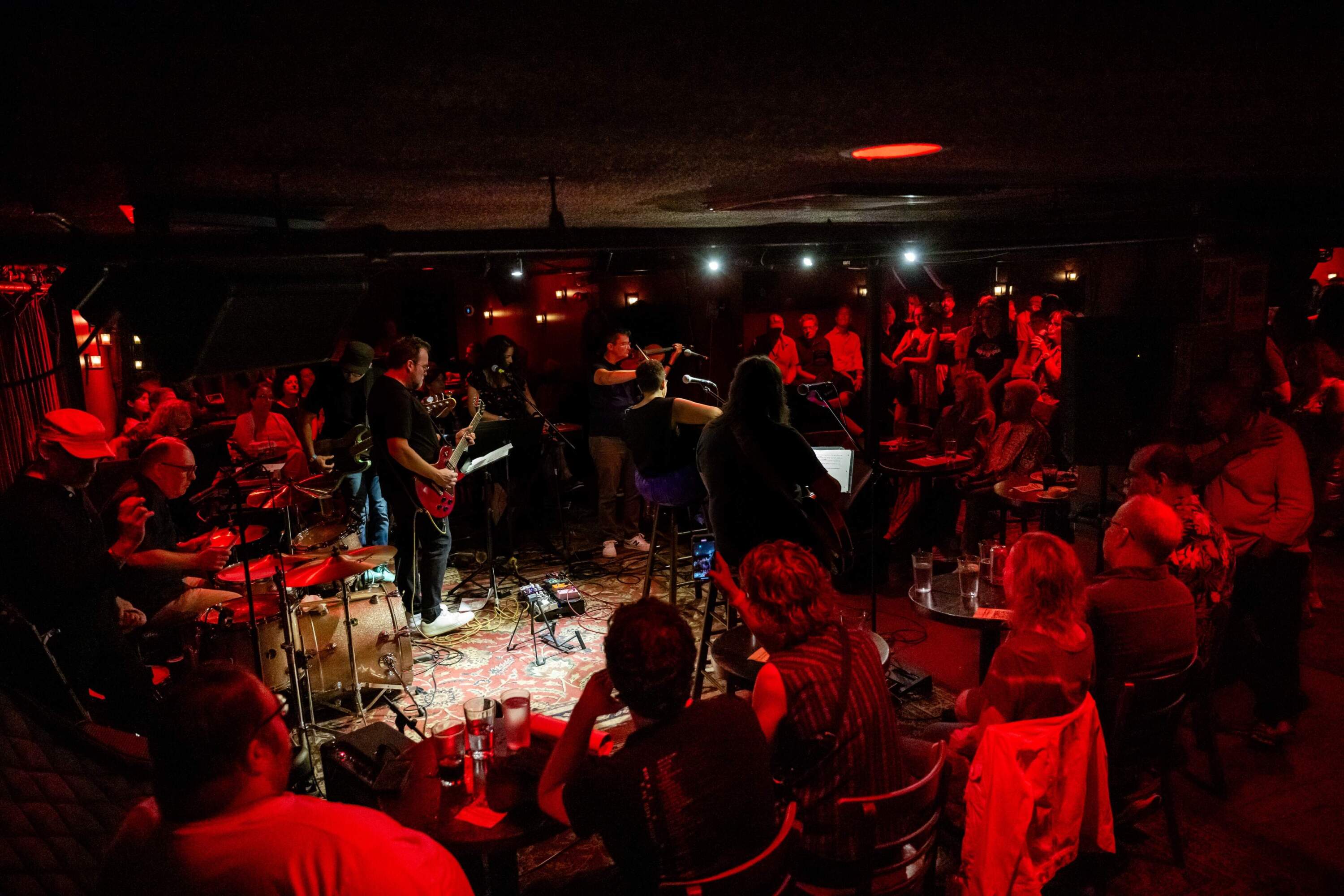
Boston mariachi singer Veronica Robles recently performed during the first half of a concert at Symphony Hall. But instead of sticking around that rarified venue, she ducked out at intermission, headed up Massachusetts Avenue, and ended up in the tiny Cambridge basement that is the home of the Lizard Lounge.
Robles wanted to make sure she was able to take part in the September edition of “Which Side?,” a monthly gathering of local musicians that describes itself as a protest music teach-out. The series is co-organized by longtime Boston political and musical activist Joyce Linehan and Boston Globe correspondent James Sullivan, who wrote the 2019 book “Which Side Are You On? 20th Century American History in 100 Protest Songs.”
“It was something that, as an artist, I thought I needed to do,” said Robles. “I’m not very political — everything that I do with my music and my cultural center is about encouraging people to participate in civic life. But in these times, we cannot afford to stay quiet and silent.”
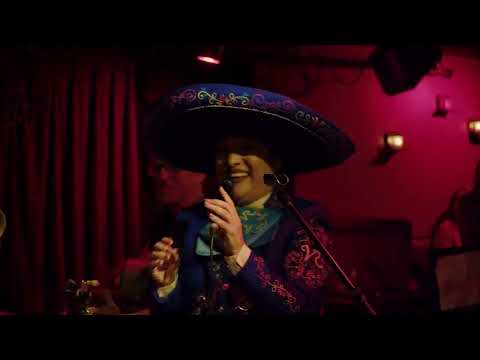
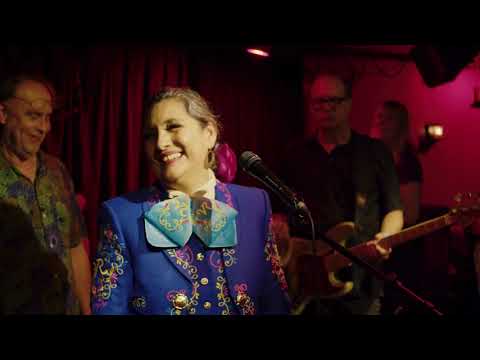
Like all of the artists who appear at “Which Side?,” Robles performed two songs: an original and a cover of a protest song suggested by Sullivan. Her original, “La Vida no Vale Nada,” was “a song about spreading your wings — a protest against this life,” she said. The cover, “Mal Hombre,” was recorded in the 1930s by Mexican American singer Lydia Mendoza and vividly details a man who continually mistreats women. “As James explained to me, not every protest song needs to be a political song,” Robles said.
The series, which moves to a new home at the Burren in Somerville, came about when Linehan was brainstorming ways for artists to respond to the current political environment. “I was going to my bookshelf to reach for another book when James’ book basically bit me,” she recalled.
After revisiting it, she realized that it could become the basis for a new series of events. “The idea would be to learn a bit more about protest music, and also to meet new people,” she said.
Among those who have already participated are such Boston music luminaries as Naomi Westwater, Ezra Furman, Judge Milton Wright, Robin Lane, Ryan Walsh of Hallulajah the Hills, Dave Champagne of Treat Her Right, and Joe Gittleman of The Mighty Mighty Bosstones. Guitarist Jon Butcher opened the first edition with a Jimi Hendrix-style version of the “Star Spangled Banner.”
October’s edition includes Will Dailey, Cliff Notez, Chad Stokes of Dispatch and Thea Hopkins, who recently appeared at GlobalFest at Lincoln Center and at Club Passim’s Indigenous Peoples Month celebration.
Both of the organizers groan when they hear claims that protest songs are a relic of the past. If today’s protest songs aren’t as widely heard as the political anthems of the 1960s, “it’s not about the quality of the songs — it's entirely about their dissemination,” said Sullivan about the shift from Top 40 radio to more balkanized listening habits.
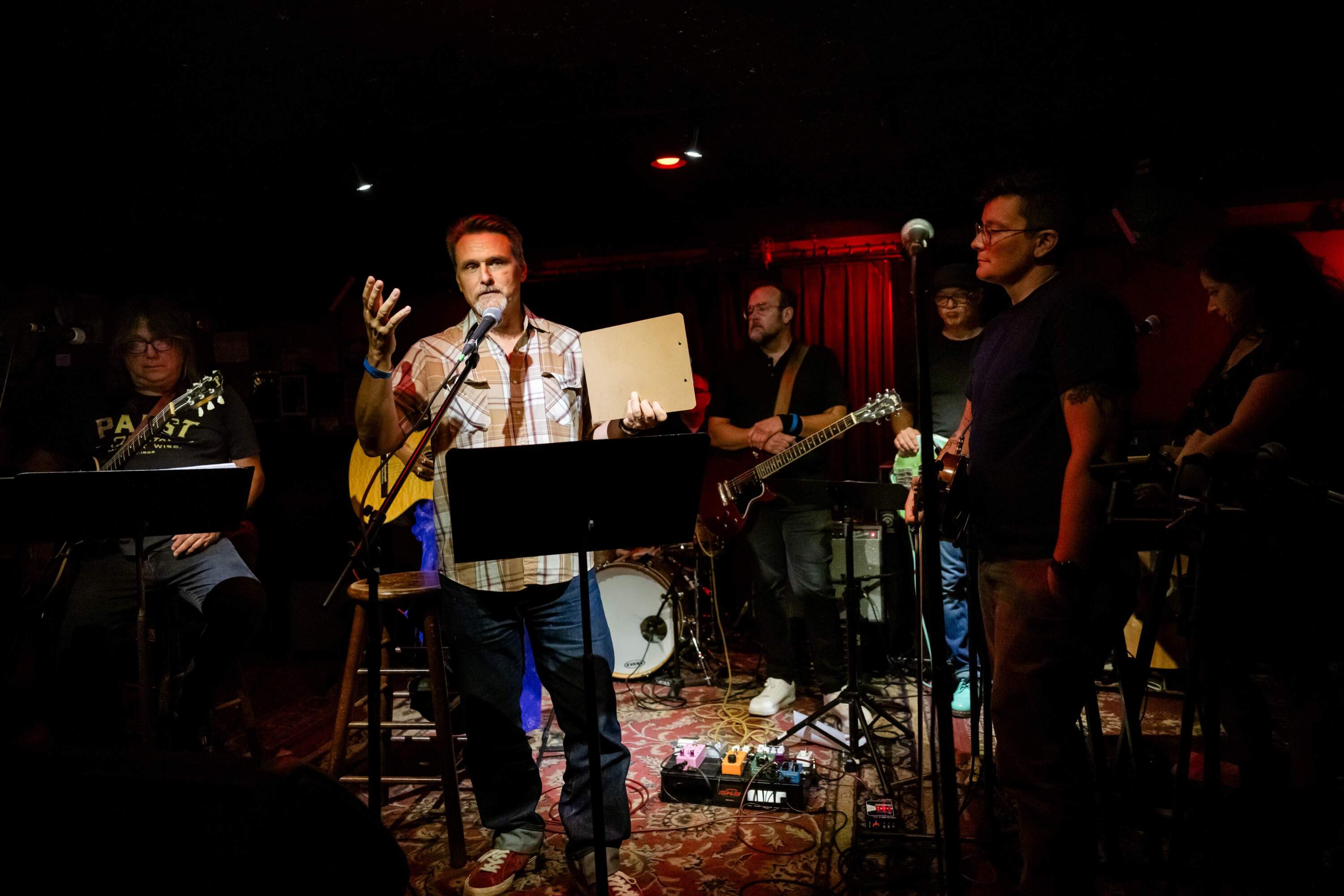
When it came time to select the songs for “Which Side?,” “at first we thought that everybody was going to do two covers, but it turned out that nearly everyone was writing, or had written, protest music,” explained Linehan.
Sullivan’s book argues for an expansive view of what protest music has been and can be. “There’s disco protest music. And there are whole genres like hip-hop and punk that were formed in protest,” he said.
Early in the planning process, the organizers consulted longtime Boston bassist and Q Division studio manager Ed Valauskas, who didn’t just provide some pointers. He offered to lead a house band, and Linehan immediately dreamed up a moniker for the combo: The Paid Protesters. “They can play gospel and soul and indie rock and that makes it more adaptable than having a procession of folkies dragging their guitars on stage,” said Sullivan.
Valauskas said learning and rehearsing a whole new slate of songs every month is a lot of work, but that “with everything going on, I thought I had to do something. It’s been really cathartic. There’s a sense of community, and things don’t feel hopeless for two hours.”
At the September event, Linda Viens of Girl With a Hawk sang her song “Share It All” before ending the night by inviting the entire lineup and audience to join in on Neil Young’s “Rockin’ in the Free World.”
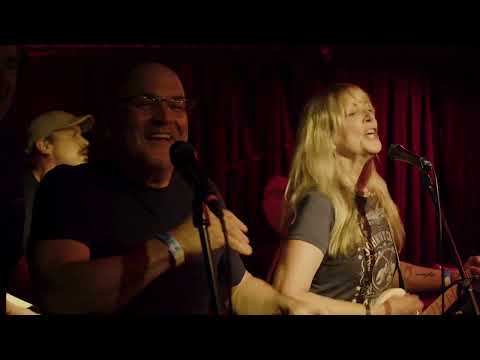
“Sharing and connecting soothes our souls,” Viens said after the set, adding that she appreciated how the series connected members of disparate Boston music scenes who wouldn't normally share a stage.
With the move to the Burren, Linehan and Sullivan are looking forward to a larger and more accessible venue that still has a mix of standing and seating space. The “pay what you want” ticketing policy will continue. They’ve also been contacted by people in other cities who’d like to start their own “Which Side?” series.
Audience members say they’re using the night as an opportunity to meet new people with a shared interest in art and justice — and to learn where protest music is heading.
As they handed out stickers that celebrated Constitution Day, audience members Luanne Witkowski and Paula Lawrence talked about the sense of community the series has given them.
“When I leave here, I feel like I’m not so alone,” said Witkowski.
After attending the first three “Which Side?” events, Lawrence realized something: “There’s a lot of good protest songs still being written — we just haven’t heard them yet.”
“Which Side?” with Rick Berlin, Will Dailey, Thea Hopkins, Aaron Perrino (The Sheila Divine), Cliff Notez and Chad Stokes (Dispatch) will take place at The Burren Backroom in Somerville at 8 p.m. on Oct. 28.