Support WBUR
The 5 best films of 2024, according to critic Sean Burns
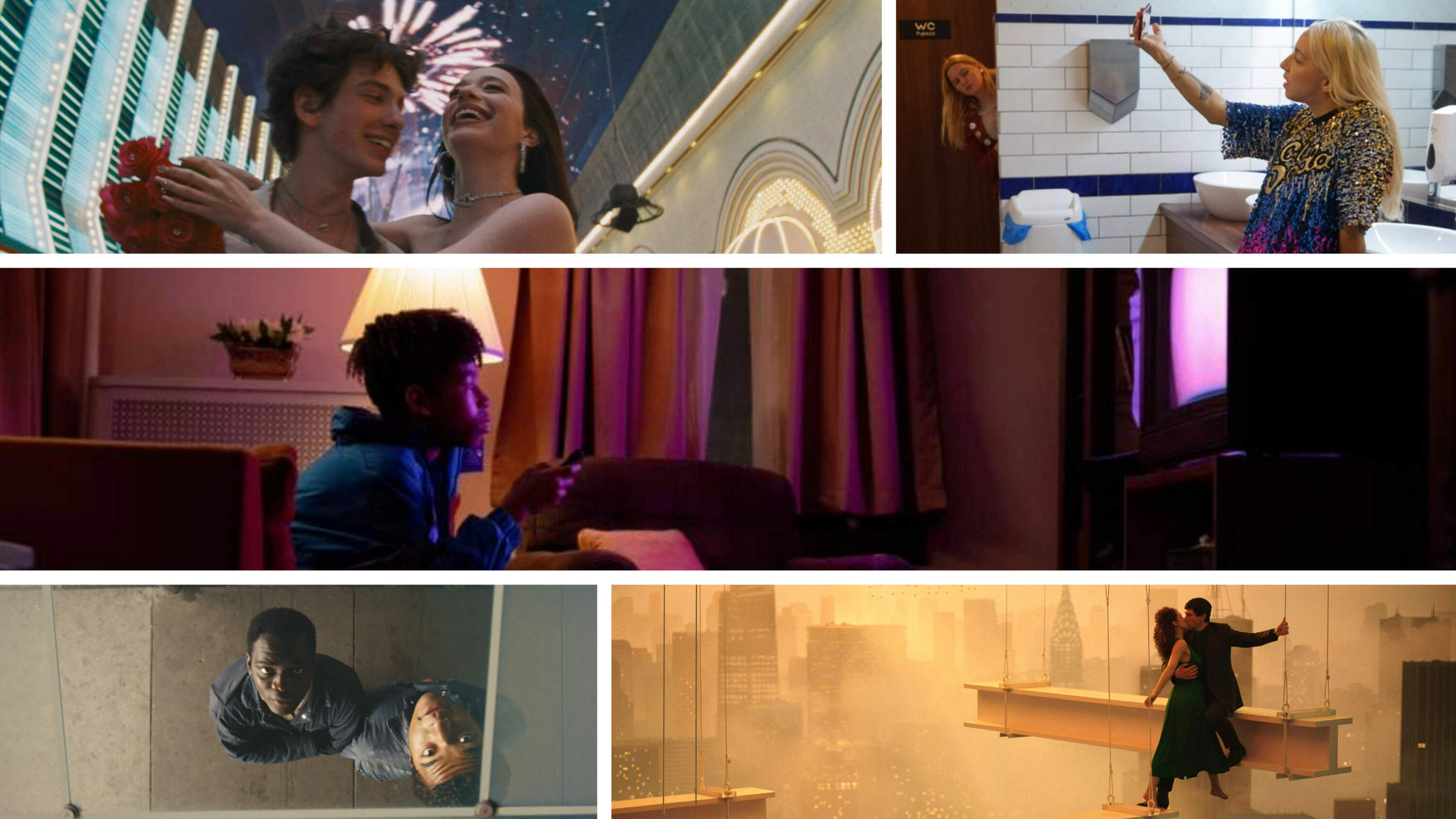
Editor's note: Film critic Erin Trahan also selected her favorite movies of 2024. Find those here.
It was the worst of times, it was the best of times.
I can’t recall a more dismal period for American studio movies. Hollywood executives’ refusal to come to the bargaining table for most of last year — proving they’d rather shut down the entire industry than pay fair wages to the people who create their product — left 2024 with a crippling shortage of films to fill theater screens. And the dribs and drabs that did make it out were mostly sequels and CGI-driven dreck. Major studios have all but given up on catering to anyone over 11 years of age, leaving it to indies and foreign language films to patch the gaps in an increasingly atomized marketplace.
Still, it’s tough to be too despairing about the future of movies after a year that saw such dazzling debuts as Sean Price Williams’ “The Sweet East,” India Donaldson’s “Good One,” Christy Hall’s “Daddio” and Carson Lund’s “Eephus.” (The last of those, a beguiling, Massachusetts-shot baseball movie, opens locally in March 2025.) Once upon a time, these bright young talents would have been supported by a business that was run by movie moguls, instead of the new breed of tech bros and Wall Street wolves concerned only with their streaming services and shareholder profits. One can’t escape the feeling that people in charge of the industry these days would be happier if you just stayed home and clicked on things.
Yet as chain multiplexes continue their sad slides into poorly maintained irrelevance, our local independent cinemas are thriving. The Coolidge Corner Theatre’s $14 million expansion added two new screens and an education center. The West Newton Cinema was rescued from oblivion. The Somerville Theatre’s 70mm presentations continue to make most of the area’s IMAX screens seem pitifully small, while my first glimpse of the Brattle Theatre’s upgrade to a new 4K projector left me gasping at the crispness and clarity of the Lionsgate logo. (Yes, it looks so sharp I actually gasped at a logo.)
The repertory programming at our indie theaters is the envy of cinephiles all over the country, rivaling New York and Los Angeles with such a gobsmacking variety of offerings that the good folks at Screen Boston had to build a website to keep track of them all. This past year’s highlights included salutes to screwball heroines, Shelley Duvall, Sofia Coppola and the kind of sexy movies they don’t make anymore. We had visits from John Waters, Ethan Hawke, Nancy Savoca, Susan Seidelman and critic Caden Mark Gardner, whose book “Corpses, Fools and Monsters” — co-authored with the amazing Willow Maclay — was 2024’s most essential film-related read. There’s almost too much to see right now. I could be at the movies every night if I didn’t have so many stupid adult responsibilities.
As it is, I went to the movies 185 times during the first 11 months of this year. Of those, 89 occasions were to see older films in the kind of conditions that can only happen around here, like a sold-out, 35mm “Barry Lyndon” screening at the Brattle on SuperBowl Sunday. One especially indelible moment was attending the premiere of my friend and colleague Erin Trahan’s excellent “Dukakis: Recipe for Democracy” at the Coolidge, sitting two rows in front of the former governor himself. I also won’t soon forget introducing a 35mm screening of “Risky Business” at the Somerville after threatening to slide across the stage in my socks and underwear like Tom Cruise. (Earlier in the week I’d posted on social media that I would do it if I got 1,000 likes. Alas, the final tally was somewhere in the 70s. The low 70s. I’m trying not to take it personally.)
The year’s most electrifying movie event was the Independent Film Festival Boston’s 70mm presentation of “The Brutalist.” Coming to area theaters in January, all 26 reels and 300 lbs. of director Brady Corbet’s 215-minute, VistaVision epic unspooled early for a packed, enthusiastic audience on the Somerville’s giant screen. The air in the auditorium was crackling with excitement as more than 700 film fans came out on a Monday night for an arduous, nearly four-hour art movie about Hungarian refugees fleeing the Holocaust. “The Brutalist” is an overwhelming film on a lot of levels, but what I felt most that evening was gratitude for our vast and adventurous cinephile community, the people who support these screenings and help make such singular experiences possible.
A few years ago, the Boston Globe published a column claiming that movies were over. Not in my town.
'Anora'
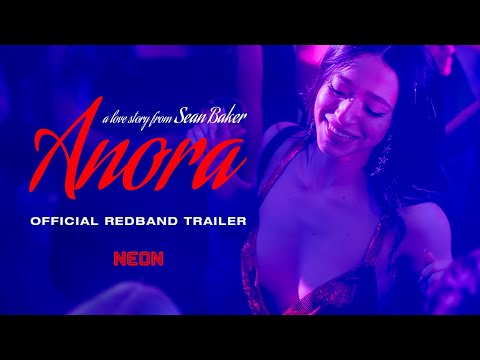
The best American film of the year is also the funniest. A soaring, generous comedy about transactional relationships and the class divide, writer-director Sean Baker’s anarchic spin on “Pretty Woman” stars Mikey Madison as a streetwise stripper who gets hitched to the party boy son of a Russian oligarch, sending his handlers scrambling to secure an annulment before the kid’s parents arrive on a flight in the morning. What starts as a Cinderella story in stiletto heels becomes a bawdy, up-all-night farce, with a ticking-clock structure out of classic screwball comedies, albeit updated for an age of champagne rooms and private jets. With her crack comic timing and air raid siren of a voice, Madison could be Jean Arthur in a thong. But there’s a sadness to the movie that sneaks up on you. Like Baker’s “Tangerine” and “The Florida Project,” “Anora” is ultimately about the lies you have to tell yourself to keep your dignity and self-respect in a system designed to grind those things out of us. [Now in theaters.]
'Megalopolis'
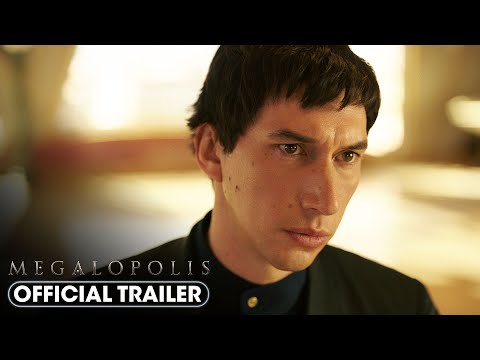
The 86-year-old cinema legend Francis Ford Coppola famously sold off his wine empire to self-finance his four-decades-in-the-making dream project — a mad, maximalist, $120 million epic about an architect (Adam Driver) in a collapsing neo-Roman empire who’s like a cross between Leonardo da Vinci, Robert Moses and Francis Ford Coppola. The film is a cockamamie leap into the unknown. Unencumbered by rules of conventional screenwriting or parameters of good taste, it’s full of highfalutin philosophical discussions and boner jokes. No movie experience this year thrilled me the way “Megalopolis” did, taking so many big swings and throwing so many wild pitches, half the time I couldn’t believe what I was watching. Every scene shows you something you’ve never seen before in a way you’ve never seen it. Yet, at heart, there’s a utopian vision and belief in our common humanity that’s hugely moving, a faith in the future I can only wish I shared. “Megalopolis” is grandiloquent, goofy, gauche and glorious, often all at the same time. I’m so delighted it exists. [Available on VOD.]
'I Saw the TV Glow'
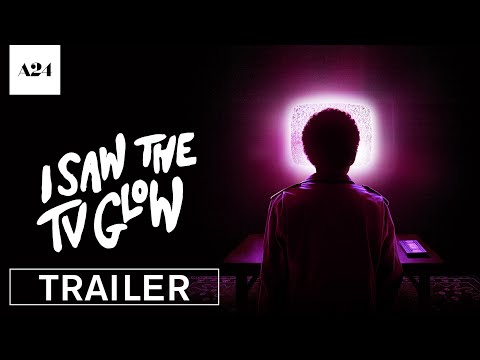
You won’t hear the words “trans” or “gender” in writer-director Jane Schoenbrun’s haunting allegory: A millennial “Videodrome” about two troubled teens who become fixated on a canceled ‘90s television program, channeling their fears and desires into an obsessive fandom that opens a window to a secret and sinister world denied by societal repression. When asked if he likes boys or girls, our protagonist Owen (heartbreakingly played by Justice Smith) answers, “I like TV shows.” As in Schoenbrun’s stunning 2021 feature debut “We’re All Going to the World’s Fair,” the film externalizes the main character’s dysphoria via electronic media and horror movie tropes akin to “Twin Peaks” and the films of David Cronenberg. “I Saw the TV Glow” is incredibly astute about being an age when it feels like the only way to express yourself and find community is through shared pop culture preoccupations, how a cheesy show can seem to hold the secrets of the universe and ultimately, the waking nightmare of living a life that doesn’t feel like your own. [Streaming on Max and available on VOD.]
'Do Not Expect Too Much from the End of the World'
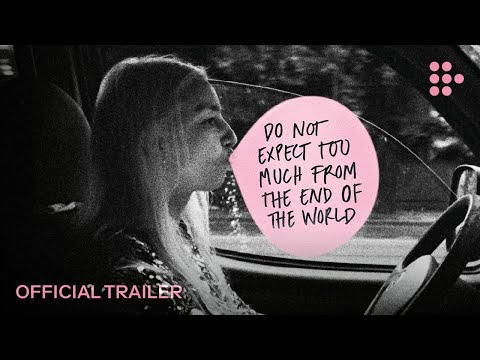
The best movie I saw at the 2023 New York Film Festival barely played at all in Boston. Distributor MUBI didn’t bother telling the press about their unadvertised three-day engagement this past April at the Seaport’s headache-inducing Alamo Drafthouse, a cursed venue apparently intended for people who wish going to the movies was more like Dave & Busters. But dying of neglect in a tacky chain theater is an ironically fitting fate for Romanian writer-director Radu Jude’s withering indictment of a trash culture cratered by crony klepto-capitalism. This splenetic, freewheeling farce is an ode to exploited laborers, following a frustrated gig worker (Ilinca Manolache) on an 18-hour shift. She blows off steam by making virulently obscene TikTok videos beneath an Andrew Tate-lookalike Snapchat filter, spewing misogynist drivel while calling herself Bobita. The filmmaker’s 2021 “Bad Luck Banging or Loony Porn” remains the definitive depiction of how we all lost our minds during COVID-19 — it was No. 2 on my best list that year. This one’s funny as hell and even madder. Bobita forever. [Streaming on MUBI and available on VOD.]
'Nickel Boys'
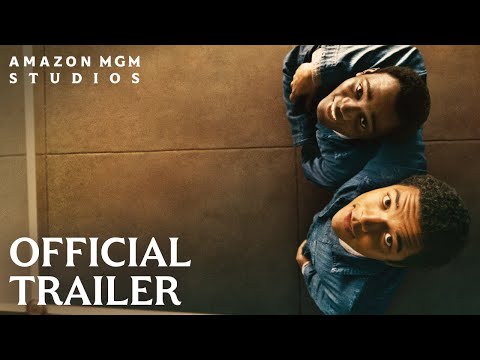
It’s not often you feel like you’re watching a new cinematic language being born. Experimental documentarian RaMell Ross, whose stunning 2018 “Hale County This Morning, This Evening” shattered storytelling traditions, triumphantly takes on Colson Whitehead’s Pulitzer Prize-winning novel about two teenage boys trying to survive a brutal reform school in the Jim Crow South. The movie is shot from their points of view, literally, with the camera keeping tight to their eyelines, seeing the world through their unsteady gazes. The first-person perspective is a trick filmmakers have been trying to pull off for the better part of a century, with mostly gimmicky results. But by doubling up and alternating between two protagonists, Ross is able to employ conventional dialogue scenes and allow us to see these wonderful young actors’ faces — not just when they’re looking in the mirror — while keeping the immediate visceral empathy of finding ourselves stuck in their surroundings. “Nickel Boys” brings you as close as a moviegoer can get to walking a mile in their shoes. [Opens in Boston area theaters on Jan. 3.]