Support WBUR
Year in Review
Cognoscenti's best stories of 2024
Editors’ note:
If there’s one thing you can safely say about Cog, it’s that we’ve got range.
The 245 pieces we published this year endeavor to tell the ever-evolving, never-boring story of the news and life on planet Earth. Good thing we eat a lot of protein.
We began 2024 being shot out of a cannon with Claudine Gay’s resignation as Harvard’s president. Then came the news that Robert Kraft fired Bill Belichick, long-time coach of the New England Patriots. We covered the cold water plunging craze and explored what makes Boston home (as it happens, one-way streets, the T and hip-hop on the radio).
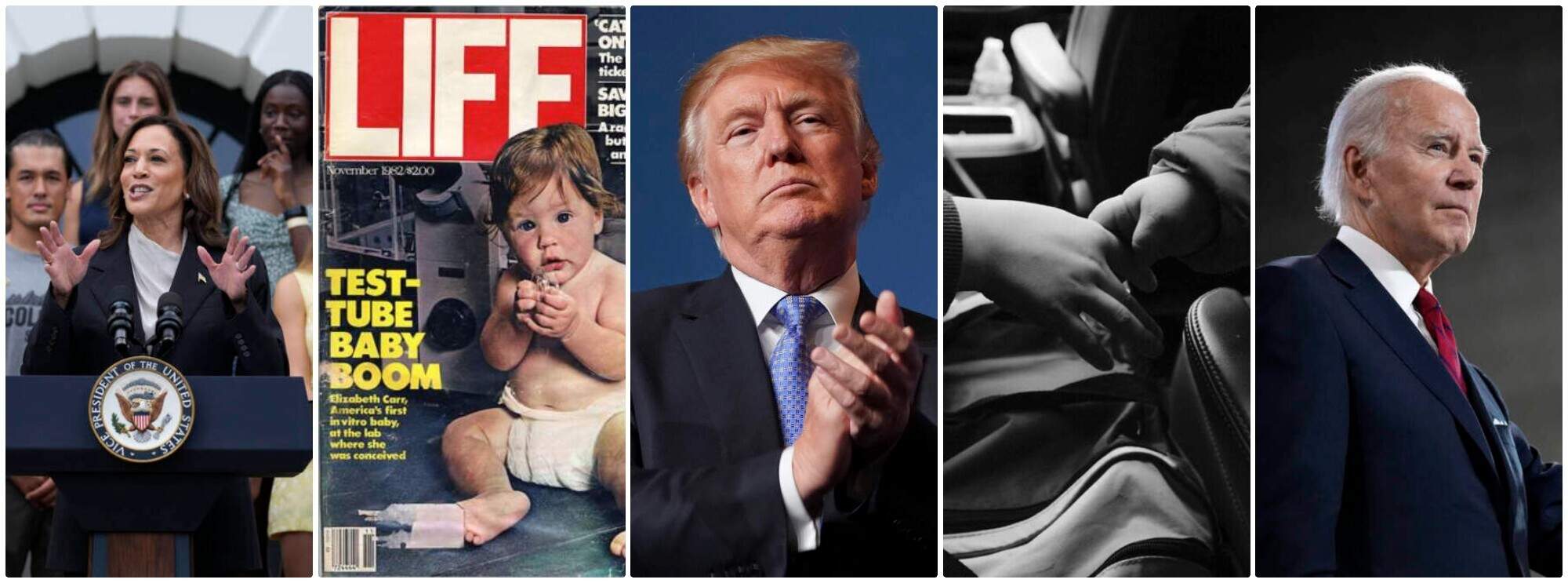
AI flexed its muscles and Republicans flirted with a few candidates before going home to Donald Trump. Joni Mitchell remained the best of us. We published a take-your-breath-away essay about Tracy Chapman’s “Fast Car” and a memorial to love lost wrapped in a paean to the solar eclipse. We published a piece by the first-ever person born via IVF in the United States, a reflection on Joe Biden’s decision to let go and Alice Munro’s complicity.
We spent more than a few hours in late July trying to figure out what it means to be “brat.”
We said goodbye to Iris Apfel, Kathy Willens and Ethel Kennedy. We marveled at Caitlin Clark, marked 20 years of gay marriage, celebrated the Celtics’ first championship since 2008 and pondered the exodus of young people from Boston.
We found joy in the Paris Olympics. We learned about parsnips and what it means to pay attention. We gleaned a new understanding of the empty nest. We got to know Mayor Wu the artist, as we celebrated book clubs and reminded ourselves not to turn away from human suffering. We covered reproductive health, Dungeons & Dragons, helicopter parenting, your favorite Thanksgiving recipes and “Beetlejuice” — not necessarily in that order.
At Cog, our goal is to add perspective and depth to timely news stories and ideas, while remaining deeply personal. We want to be relevant but not reactive; inspiring but not cloying; provocative, but never mean.
We write this most years, but holy smokes: what a year! When we sat down to pull this list together, we were overwhelmed — spent hours talking through all the stand-outs. Ultimately, we decided to put 2024’s best stories into categories: personal essays, political commentary, multi-platform work (we've been experimenting with more audio and video storytelling) and newsletter essays, which became a much bigger part of our wheelhouse this year.
Thank you for giving us the gift of your attention. To 2025 we go.
— Cloe Axelson, Kate Neale Cooper, Sara Shukla
PERSONAL ESSAY
Personal essays are Cog’s bread and butter. They’re what help us find the beating heart of the news. Whether it’s a reflection on mass transit, the casually cruel chaos of the stars or a book club that never talks about books, these essays helped us make meaning of some of life’s universal experiences.
Maybe in this age of increased polarization and decreased civic participation, an age of increased road deaths and social isolation, taking mass transit is a positive way we can all participate in public life, writes Christina Ganim. (January 17)
We cried for Tracy Chapman. And all our small towns and fast cars
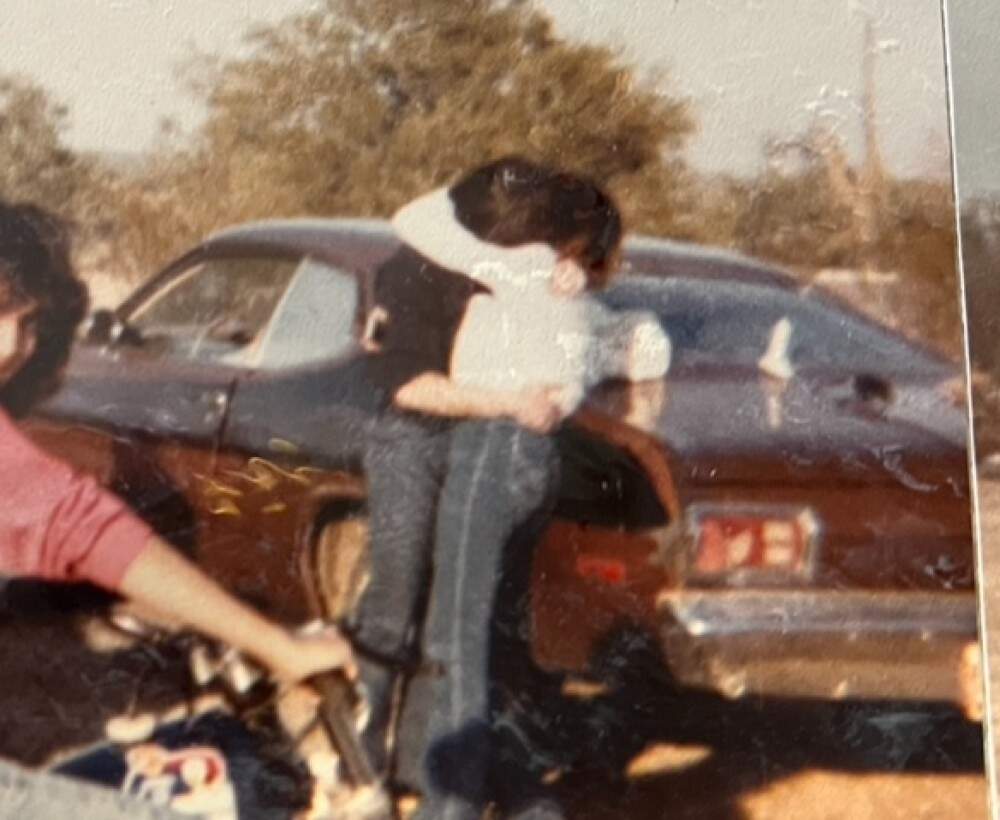
I did not come from a fast car family, but I came of age around fast car boys who drag raced on quarter-mile stretches of highway, writes Susan Donovan Bernhard. Tracy Chapman tapped into something fragile and raw and aching. (February 8)
Eclipses are certain. Most everything else is not
Seven years ago, Lisa Mullins and her partner, Ken, made a reservation at a motel in Lancaster, New Hampshire to see this year's total eclipse. Astronomical predictions of light and dark are unshakably precise, she writes. Life on Earth is less so. (April 5)
Alice Munro doesn’t get to tell this story
Andrea Skinner, the youngest daughter of Alice Munro, shared an essay this week about being sexually abused by her stepfather. Speaking up doesn't come without pain and loss and years of work to recover from the violence she suffered and from her mother’s horrifying betrayal, writes Janet Chwalibog. What it does come with is courage. (July 12)
Predictions about dark and light will be unshakably precise. We knew all that seven years ago. What this heavenly event reminds me, is that we can only plan around the edges and prepare and pack and anticipate — and hope.
Lisa Mullins
In the empty nest articles I read last summer, there was a lot of advice about relationships with other people, writes Meaghan Shields. But I had no idea that becoming an empty nester would improve my relationship with myself. (August 23)
The first rule of book club is: We do not talk about books
The first few meetings of Laura McTaggart's book club involved minimal scholarly discussion and no one complained. We must be doing something right because more than a decade later, the same six of us still gather regularly to discuss everything except the chosen book. (September 13)
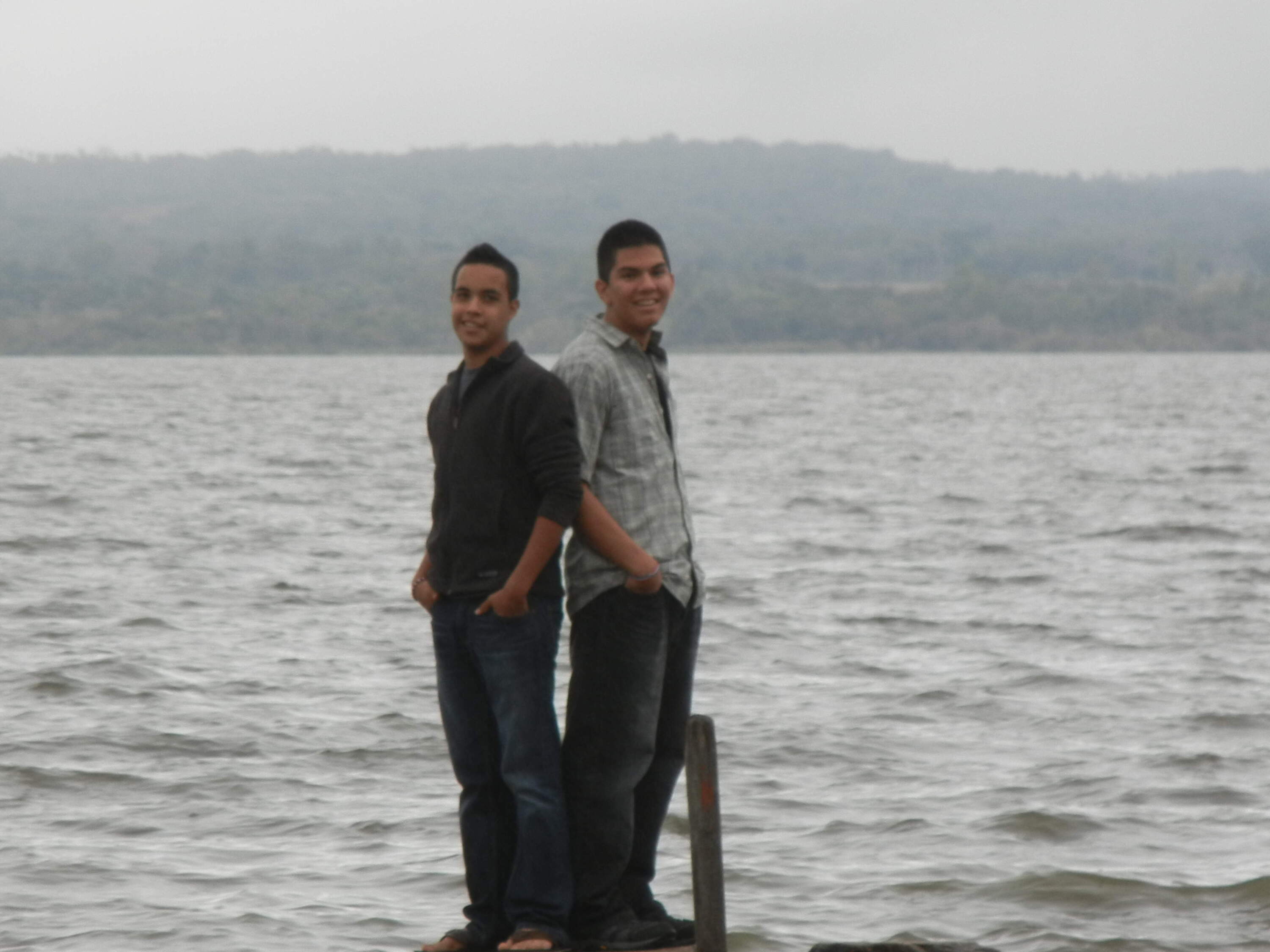
I willingly, joyfully adopted my sons from Paraguay. I would never do it again
Rumors of stolen children adopted by unsuspecting parents circulated in international adoption circles for decades. And now a recent report confirms they're true. Nearly 30 years ago, Marjie Alonso adopted two boys from Paraguay. I need to take a hard look at the families I dismantled to build my own. (September 26)
POLITICAL COMMENTARY
Last January, we knew politics would loom large in our mix of 2024 stories. Between the war in Gaza (and accompanying turmoil on college campuses), the first ever convictions (34 at last count) of an American president, the on-going rollback of reproductive rights, the return of a Kennedy, an assassination attempt and a last-minute candidate switch atop the Democratic ticket, we raced to keep up with the body politic. Here are our favorite political pieces from the year.
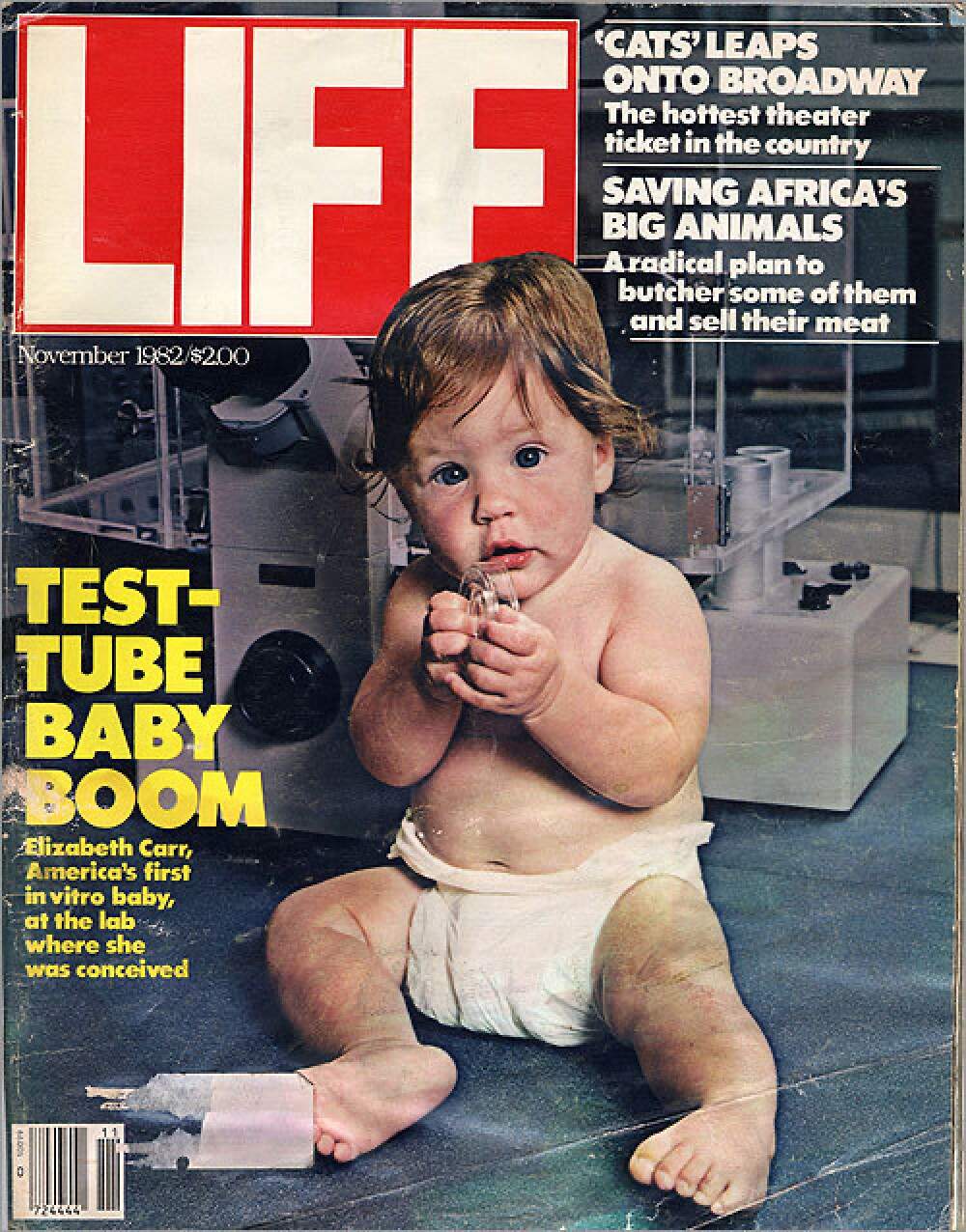
No one understands better than the infertility community that embryos are not children, writes Elizabeth Carr. Success in IVF means bringing home a baby, not solely creating embryos. (February 26)
Project 2025 tells us what a second Trump term could mean for climate policy. It isn’t pretty
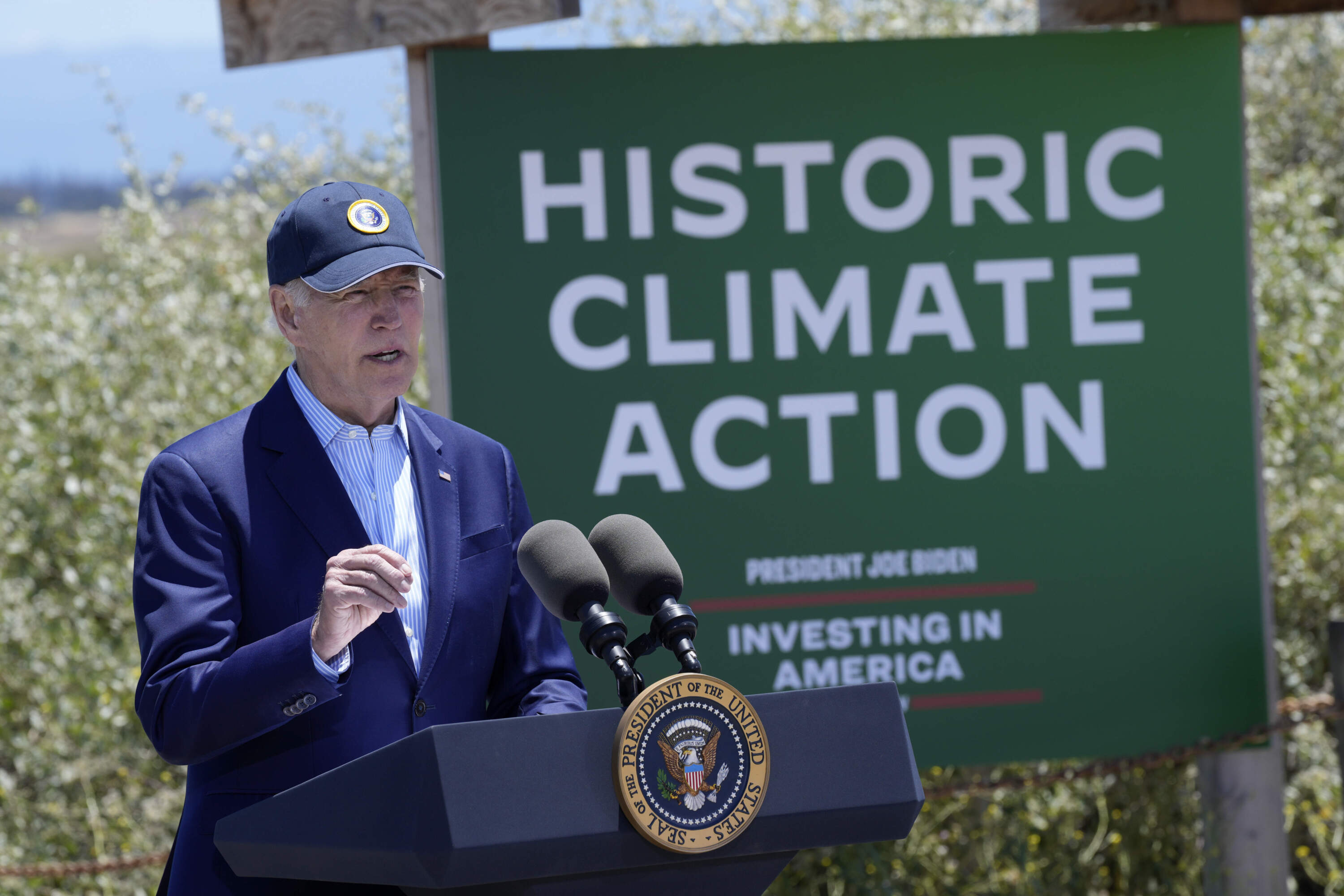
Much of the voting public is disturbingly unaware of President Biden’s climate record and the assault that the Heritage Foundation's Project 2025 would marshal against it, writes Frederick Hewett. But in a close election that may hinge on a few votes in a few states, they should be. (March 27)
I believe we can 'heal this world, together' — that is what I'll teach my son
Daniel Osborn was raised in an interfaith home, and when he became a father, he wanted to instill in his son an affinity for cultural exchange. He built reminders of Jewish and Arabic values into their daily routines. (April 1)
The Supreme Court just handed Trump a new shield: 'official-acts immunity'
In this ruling, the Supreme Court's conservative majority — which regularly crows about its fealty to the original intent of the U.S. Constitution — have ignored the explicit counsel of the Founders, writes Eileen McNamara. It is the dissenting opinion that relies on their guidance. (July 1)
Opposites certainly simplify things. But I refuse to believe that opposites are the only truth, or that they offer any kind of healing balm.
Jan Donley
Nothing is permanent. Nothing lasts forever, not people, not wars, not governments, not nations, writes Leah Hager Cohen, in the wake of Joe Biden's decision to end his re-election bid. Recognizing impermanence means understanding that everything is in motion, that the same force that enables loss enables growth. (July 22)
The choices we made for our family
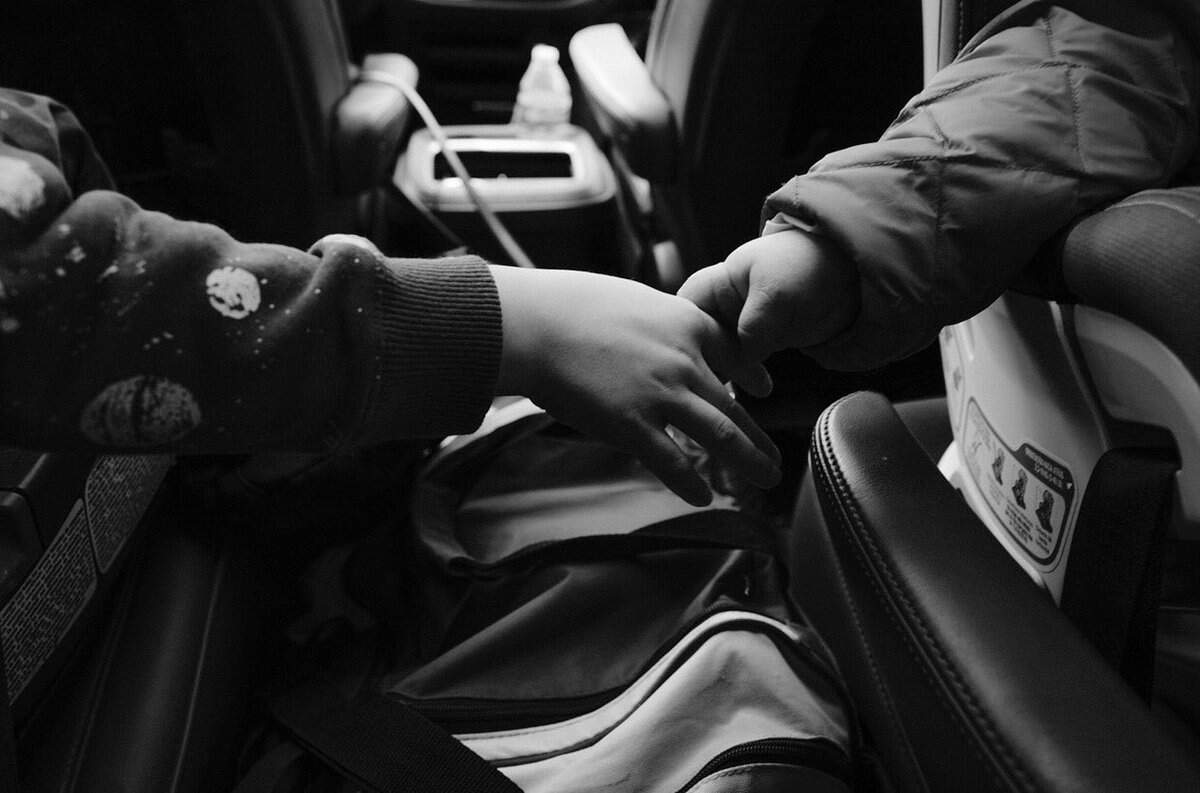
Miguel and Kelly Cervantes have lost two children — one at age 3 to a neurodegenerative condition, one in utero, at 21 weeks. I made the same heart-wrenching decision for both children, Kelly Cervantes writes. Yet one is legal in all 50 states and the other isn't. (October 22)
In Jan Donley’s class at Berklee, her students study literature that centers on loss. Loss can make us sad, but it can also help us heal, Donley writes. In the wake of the 2024 presidential election, she's been thinking about how loss can be a connecting force. (November 15)
MULTI-PLATFORM
Cognoscenti is more than a page on a website. In 2024, we continued to experiment with distributing our work across different channels. That included hosting events, producing work for the radio and continuing to experiment with video. Here’s some of our favorite multi-platform work from 2024.
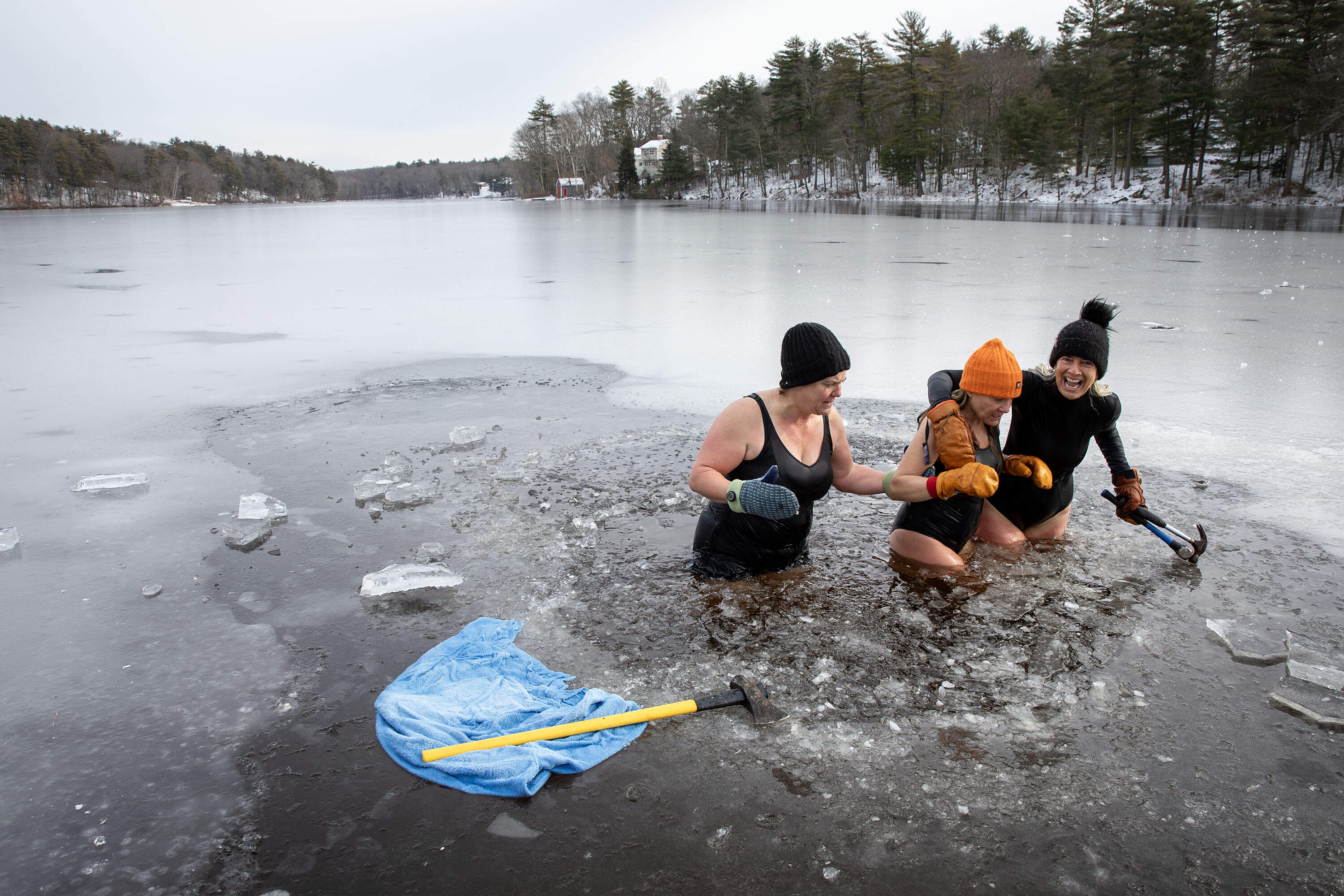
How cold water became my solid ground
I thought getting in freezing cold water would be miserable and hard, and it was. But after a while, it became a near-daily exercise in redefining myself, writes Libby DeLana. When I got in the water, I could see myself clearly. (February 9)
The Boston Marathon is every runner’s dream, including mine
Barbara Moran, 53, has run five marathons. She gave up running 20 years ago, when arthritis began eating away at her knees. But what if she could run one more? When Barb started training for Boston, she thought she was trying to hold onto her younger self. Instead, she grew. (April 12)
This is what makes Boston home
Loving a place is not so dissimilar from loving a person. When we love somebody, we love the whole of them: with all their little quirks and beauties and annoyances. Cognoscenti welcomed chef and restaurateur Ana Sortun, Dr. Jim O’Connell, of Boston Health Care for the Homeless, author Anita Diamant and Catherine Morris, the founder of BAMS Fest, for an evening of readings, performances and conversation. (May 30)

In September, Boston Mayor Michelle Wu performed George Gershwin’s “Rhapsody in Blue” at Symphony Hall with the Boston Pops. Cognoscenti spoke to her about her lifelong love of the piano and how it informs her role as a public servant. (October 11)
NEWSLETTER
Cog’s weekly newsletter arrives in inboxes on Sunday mornings. It always includes an original essay by one of Cog’s editors, a rundown of the stories we published during the previous week and links to what we’re reading. Readers tell us they read it over coffee or on their phones, still snuggled under the covers. In 2024, we started publishing the newsletter essays to our website. Here are some of our favorites, including a guest essay from Steve Almond and a Q&A about Dungeons & Dragons, which turned 50 in 2024. The newsletter is our ongoing conversation with our readers. We’d love you to subscribe if you haven’t already – and tell a friend about it, too.
Any stories that are good originate from the deepest precincts of our inner lives, from our obsessions and fears and desires, writes Steve Almond, in this guest essay for Cog’s newsletter. We write about what we can’t get rid of by any other means. (April 9)
On the streets with Dr. Jim O’Connell
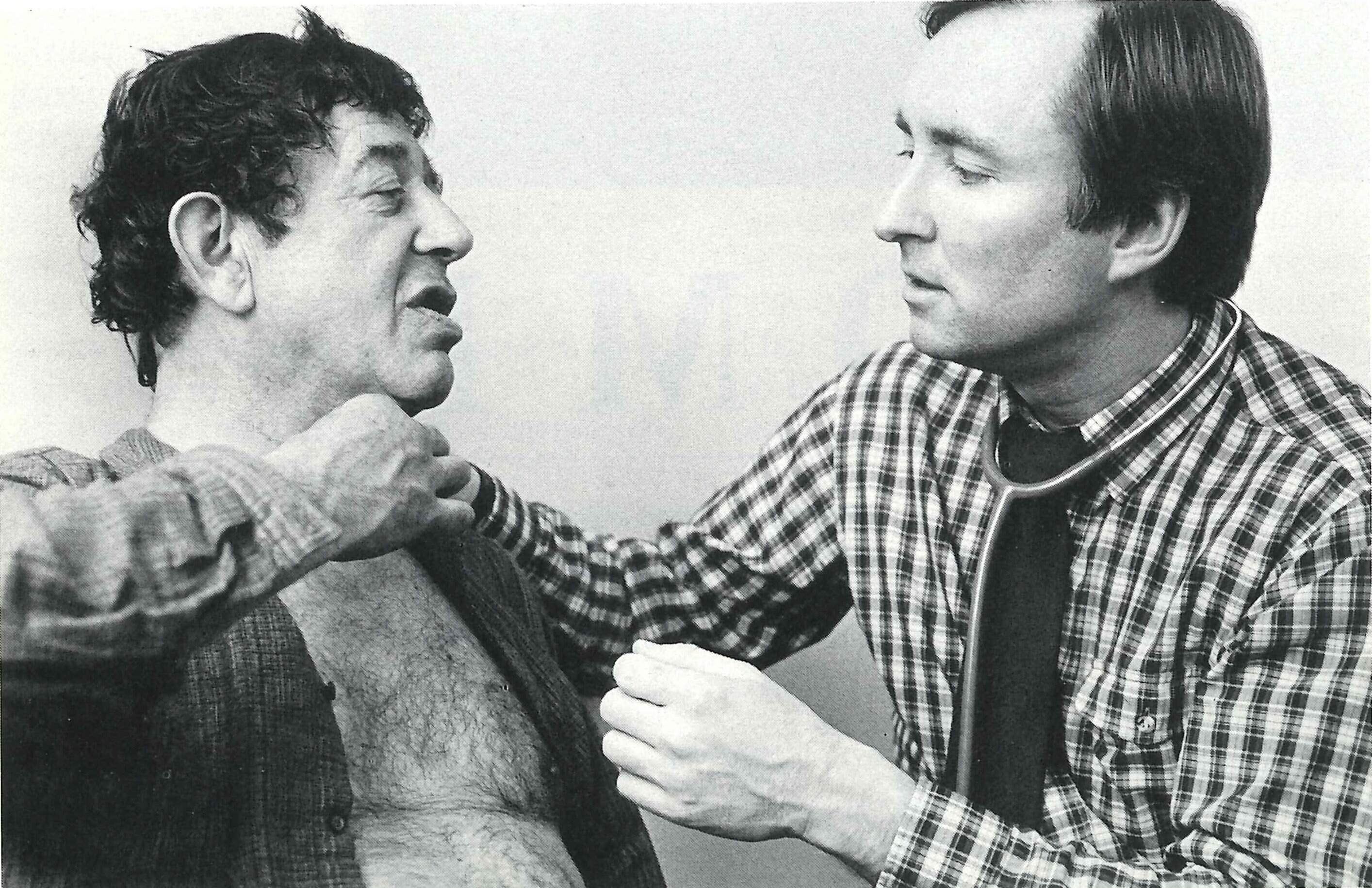
Dr. Jim O'Connell, of the Boston Health Care for the Homeless Program, is a receptacle for his patients’ tales, writes Cloe Axelson. Retelling them is perhaps a way to make some sense of all the difficulty and heartache — or at least to make it small enough to hold, and keep moving. (May 26)
Too many loners, not enough joiners
This week, Robert Putnam’s ideas and an essay about book clubs and the presidential debate have been sloshing around in my brain, an odd stew. It made me want to re-examine my own thinking about being a "joiner," writes Cloe Axelson. (September 15)
Why I wear my grandfather’s key tag
The pendant Kate Neale Cooper's mother gave her when her grandfather died was very special to her, but she didn’t wear it that often. "I'm not really a jewelry person," she writes. All that changed a decade later. (September 29)
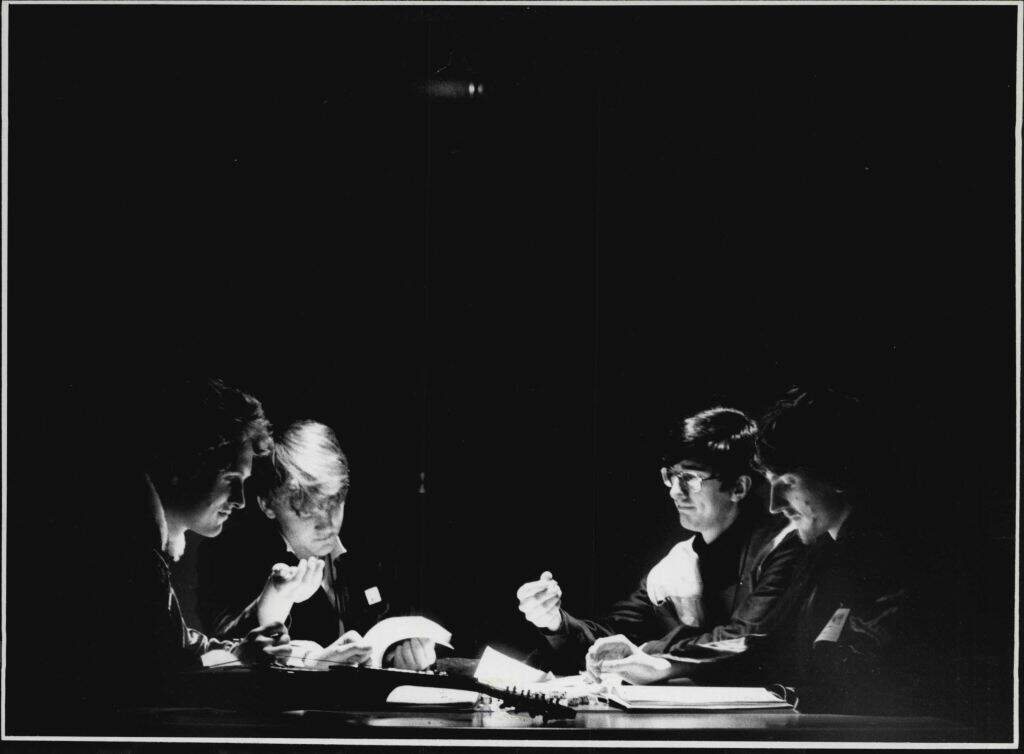
Even though I’m a child of the ‘70s, I never understood the appeal of role-playing fantasy games like D&D, writes Kate Neale Cooper. And then I interviewed Ethan Gilsdorf. (October 19)
You couldn’t pay me to watch a scary movie, writes Sara Shukla, but when my 12-year-old became obsessed with them last year, I started to see how sometimes it’s about more than the jump scares. (October 27)
There is a rush to know and understand all of this. I don’t have many answers at the moment, but I’m also not convinced it’s a good idea to try to settle them so quickly, writes Cloe Axelson. (November 8)
Follow Cognoscenti on Facebook and Instagram. And sign up for our weekly newsletter.