Support WBUR
YEAR IN REVIEW
Cognoscenti's best stories of 2025

Editor’s note:
Here’s the thing about working in the news business: we never know what’s going to happen. It’s infuriating sometimes — and it’s ruined more family dinners than we can count — but it’s also the thing that keeps us coming back, even if we occasionally wish for more slightly boring days.
The 230-odd pieces Cog published this year were personal and political. We shared stories about Medicaid, the Temporary Protected Status program, air conditioning and Bonnie Raitt. We worked with new writers and best-selling authors, produced live events, dabbled in video and made radio. We wrote dozens of newsletters and launched a column on Substack.
What we do at Cog, honestly, is a little bit weird. We’re a tricky thing to categorize. Where else can you read about KPop Demon Hunters, the Red Sox, Medicaid and pottery -- sometimes all in the same week?
We began 2025 by memorializing the life of and legacy of Jimmy Carter, a man so different in politics and temperament from the man who currently occupies the White House it takes your breath away. And then wildfires came to Southern California, incinerating entire neighborhoods. The news only accelerated from there.
Trump’s second inauguration and his decision to pardon Jan. 6 rioters. The creation of DOGE, and the elimination of USAID. The remaking of the Kennedy Center. A mid-air crash that killed 28 members of the ice skating community and three U.S. Army service members. A surprising (to us) interest in Greenland. More Supreme Court news than we thought possible.
We marked five years since the start of the pandemic, and looked on as ICE began mass deportations and the One Big Beautiful Bill made its way into law. People young and old protested Trump’s policies and the war in Gaza. The world said farewell to a pope, Malcolm Jamal-Warner, George Wendt, Jane Goodall, Susan Stamberg and Diane Keaton.
Along the way, we looked for the glimmers — always the glimmers. And took heart in the simplicity of a good meal, the wonder of becoming a grandparent, bees, Kendrick Lamar and e-bikes.
Of course, 2025 was also the year Congress eliminated federal funding for WBUR and all of public media. That development added even more uncertainty to an already unsettling time. But we’re still here. If we’re doing our jobs well, you found something interesting or surprising to read on Cog this year — an essay that changed your mind or challenged you to rethink something you thought you understood. Consider this an opportunity to revisit a piece you loved, or discover an essay you missed.
We thank you for reading. On we go to 2026.
– Cloe, Kate, Sara
PERSONAL ESSAY
Whether it’s a reflection on a Palestinian bakery in Somerville, Hulk Hogan or daylighting rivers, these essays helped us make meaning of some of life’s universal experiences.
I lost many things in the LA fires, writes Andrea Meyer. My home, the pictures taken by my photojournalist grandfather after World War II and my grandma’s jewelry. But I still have my memories. My mom, however, is losing hers. And now she has lost her one safe place. (January 15)
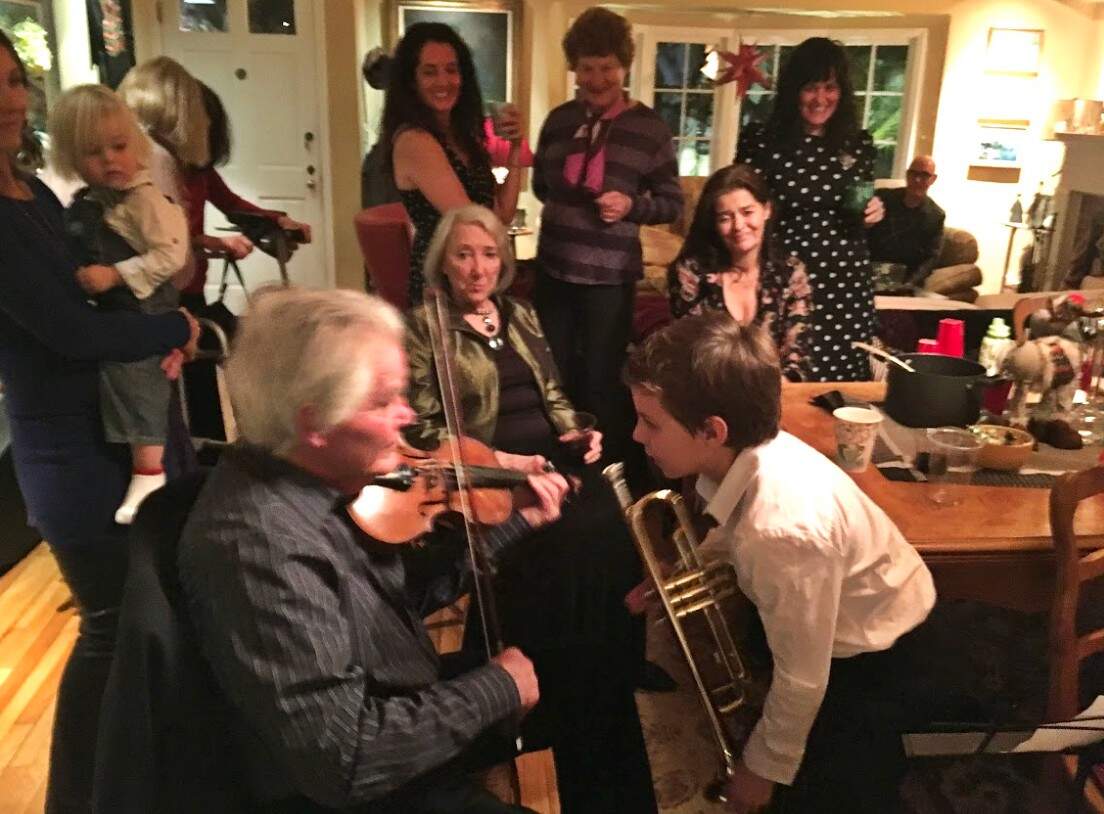
There are a lot of rules for throwing a great party
Raleigh McCool read an essay about throwing parties and walked away from the piece electrified — jazzed to host a celebration of his own. To plan it, I went straight to the experts, he writes. And they had, surprisingly, a lot of rules about how it should go. (March 5)
Here's to Huey, the rescue pup who understood the assignment
When a puppy named Huey arrived via cross-continental flight in the arms of his daughter, David Rubin was skeptical. But Huey wasn’t just a rescue, he writes. He had some rescuing to do, too. (March 14)

‘Making your way in the world today’: Watching ‘Cheers’, saying farewell to Norm
It takes watching only a scene or two before you’re fully immersed in the world of “Cheers,” writes Alysia Abbott. And Norm, played by George Wendt, who died this week, is the most regular of regulars. If “Cheers” is comfort food, he is the grilled cheese. (May 23)
Saturdays with my grandmother, and Hulk Hogan
My immigrant grandmother’s English wasn’t great, and I didn’t speak Polish, so our closeness didn’t come from deep conversations, writes Jennifer Serafyn. Instead, our bond was forged watching Hulk Hogan wrestle on Saturday mornings. (August 4)
Each time I am inside Yafa, I picture myself as a guest in a home built from ancient cool stones to block out the scorching sun.
Lydia Begag
A Palestinian bakery in Somerville that always feels like home
What continues to make Yafa so special is that what might feel sacred elsewhere is the standard here, writes Lydia Begag. Over time, I started paying attention not just to how Abdulla’s practice of ‘amanah’ was unfolding, but how it was quietly changing me. (August 8)
50 years on, 'Rocky Horror' is still for us freaks and geeks
I was a shy, insecure teen when I saw "The Rocky Horror Picture Show" for the first time, writes Ethan Gilsdorf. The cult film, which turns 50 this year, gave Gilsdorf — and so many others — permission to fly their freak flag a little higher. (September 24)
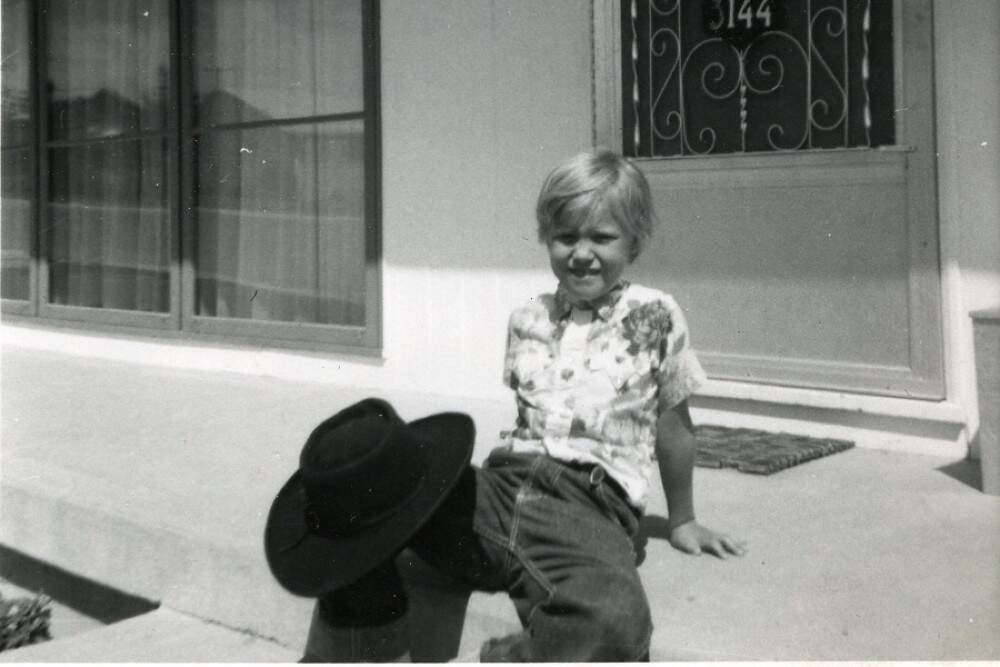
Daylighting rivers. Unburying myself
The word “daylighting” appeals to the poet in me, writes Jan Donley. Bringing something out of the shadows and into the sun is, after all, a poetic story. So standing there, watching the flow of the river that had once been buried moved me. (October 10)
In ‘KPop Demon Hunters,’ there’s something ‘Golden’ for all of us
The real power of “KPop Demon Hunters” lies not in its stellar animation and heart-pounding songs, but in its willingness to explicitly address the concept of shame, writes Thuy Phan. (October 29)
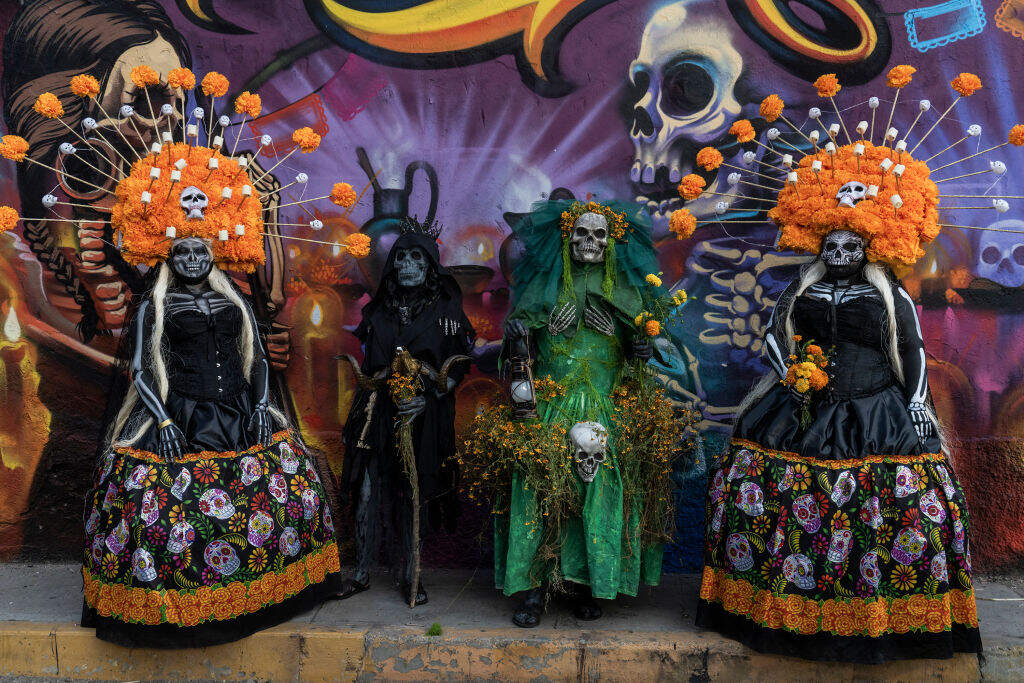
Death is the boundary that gives love its shape
What many misunderstand about Día de los Muertos is that it isn’t a celebration of death, nor a denial of how much it hurts, writes Evy Peña. It’s a way to make space for grief — for the ache and joy that cohabit in remembrance. (October 30)
POLITICAL COMMENTARY
Within hours of President Trump’s inauguration in January, we knew it would be hard — if not impossible — to metabolize the firehose of political news. In 2025, we saw a torrent of executive orders from Trump: 143 in just the first 100 days. We followed the administration’s targeting of elite universities and law firms. We watched as Elon Musk (and DOGE) wielded a literal chainsaw to American institutions. We witnessed Trump’s signature legislative achievement, the One Big Beautiful Bill, pass into law. And we learned about the Supreme Court’s shadow docket, from which it issued 23 decisions on cases related to the administration. Our goal was to publish political commentary with a personal lens that you couldn’t read anywhere else. Here are our favorite political pieces from the year.
We should never, ever give a pass to cruelty
Trump's decision to put a 90-day freeze on foreign aid puts AIDS treatment programs, like PEPFAR, in jeopardy. PEPFAR has a long history of bipartisan support, and has saved some 26 million lives. The disregard for the health of so many cannot be described as anything other than cruel, writes Sandro Galea. (January 30)
What to do if ICE comes knocking
Now is the time to learn what to do — and how to respond — if an immigration enforcement agency comes into a local school, workplace or hospital, writes Ivan Espinoza-Madrigal of Lawyers for Civil Rights. You can meet law enforcement officials with knowledge of the rights afforded to you, not fear. (February 13)
‘Project Esther’ and Trump’s playbook against antisemitism
Many people believe President Trump is weaponizing antisemitism in his war against diversity, equity and inclusion. What many may not realize, however, is that his administration seems to be following a playbook written by the Heritage Foundation called “Project Esther,” writes Anita Diamant. (May 5)
Project Esther is a playbook — an exercise in cynicism by an administration eager to prey on people’s worst fears — named for a biblical heroine who is credited with saving her people from annihilation.
Anita Diamant
For people with disabilities: Kindness is nice. Legal protections are necessary
Trump's domestic policy agenda, backed by Republicans, jeopardizes protections, research and support for people with disabilities, writes Amy Julia Becker. (May 27)
During the height of Hollywood’s Golden Age, Boston’s daily newspapers employed some of the nation’s best-known film critics, writes Meg Heckman. All of them were women. (May 29)
There is no ‘national energy emergency.' Trump just wants you to think there is
Trump arrived back in office primed to deliver on his mutually beneficial relationship with the fossil fuel industry, writes Frederick Hewett. After contriving a national energy crisis, he is using emergency provisions to circumvent regulations and subvert checks on executive power. (June 10)
Ranked choice voting in NYC showed us what elections could look like
The real story from the New York City mayoral primary isn't Zohran Mamdani's victory, but voters' response to a different way of voting, writes Ismar Volić, director of the Institute for Mathematics and Democracy at Wellesley College. (July 16)
Is the slide into autocracy supposed to feel so humdrum?
Trump is consolidating power over government entities with the authority to unleash violence. Such a brazen power grab would be one thing if the administration were more popular, writes Andrew Carleen, but this government is not comporting itself as though it fears the consequences of future elections. (August 26)
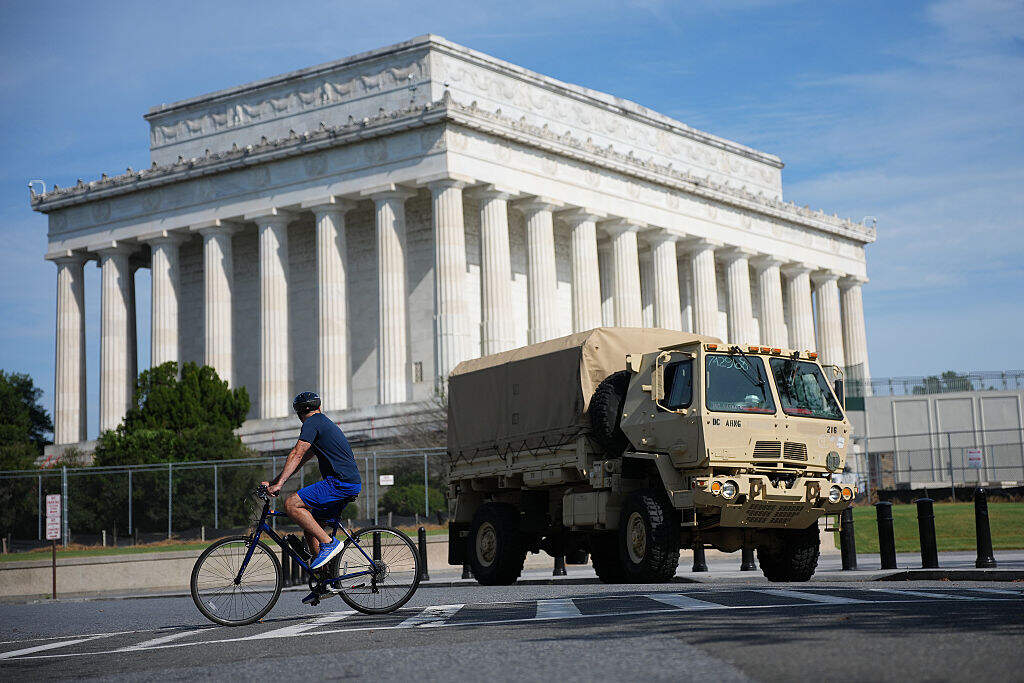
Pete Hegseth's one-dimensional view of combat readiness
I served on the Navy’s first combatant ship to have women permanently assigned, and all of us on the USS Dwight D. Eisenhower were completely qualified for our jobs, writes Laura McTaggart. No combat standards were lowered for women, and it’s misleading and ignorant of Hegseth to say so. (October 6)
Someone you know relies on SNAP. They just don't talk about it
Two years before she went on public assistance, Joanna Rakoff had a best-selling novel that won literary awards. She looked like a middle-class working mom. But in reality, she was struggling — worried about feeding her kids and keeping a roof over their heads. (November 7)
RADIO
The written essay is our bread and butter. But we also produce stories and essays for broadcast. Here are a few pieces Cog brought to the radio this year.
'By Power and Pride': A Minuteman for life
The 250th anniversary couldn't come at a better time to remind people it's OK to have different beliefs, Carl Sweeney, captain of the Concord Minutemen, told WBUR's Cloe Axelson. But you need to talk, he said, our forefathers did that, and when push came to shove, they stood up for their beliefs. (April 17)
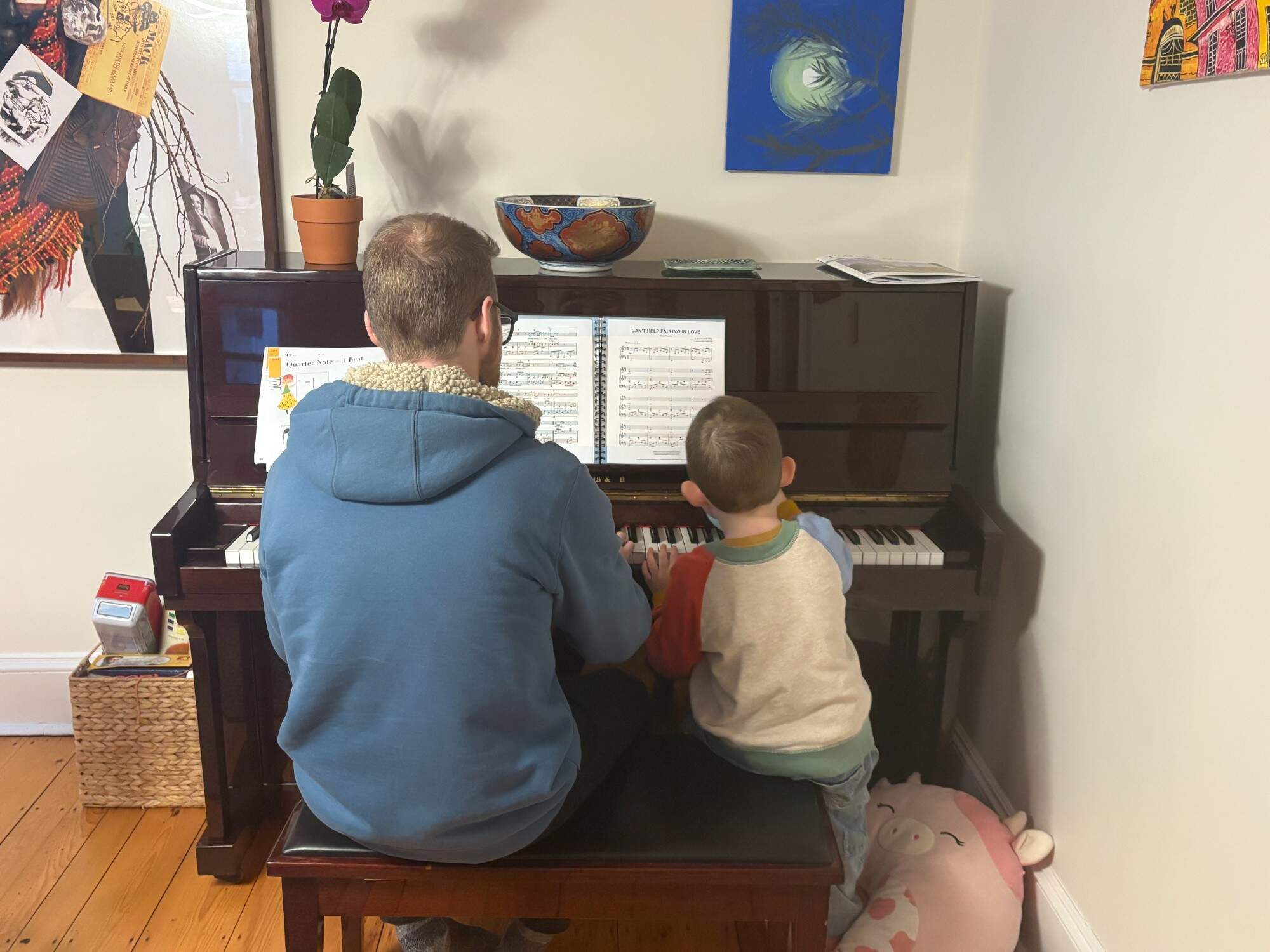
I'm taking piano lessons with my son
My 5-year-old son and I are unraveling some tangled threads by learning a new thing — and it’s messy, writes John Stewart. I think we both love the feeling of working hard to make something beautiful. (June 13)
There are so many ways to make a family
When Ruthie Ackerman first decided to use a donor egg to conceive, she worried there could be a lingering, lifelong wedge between her and her child, because they wouldn't share genetic material. But today Ruthie knows something she only understood intellectually before: Family isn’t biology or genetics. It’s devotion. It’s showing up. It’s caretaking. (July 25)
Elizabeth Warren takes her dog's Halloween costume seriously
Cog editor Cloe Axelson interviewed Sen. Elizabeth Warren, and her dog Bailey, who's dressed up as Stephen Colbert for Halloween this year. They talked about dogs, the role of political humor in a democracy, and how getting her steps in helps her stay centered. (October 31)
EVENTS: COGNOSCENTI PRESENTS
Cog partners with our colleagues at WBUR’s CitySpace to produce live events. It’s a way to showcase our writers and their ideas. And honestly, because so much of the world is now “virtual,” we love bringing people together in person.
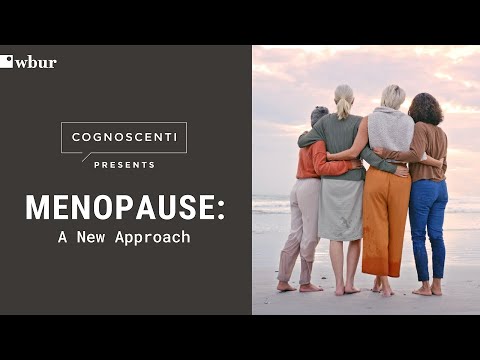
In March, Cog presented an evening exploring menopause, its symptoms and treatments, moderated by mental health advocate and author Morra Aarons-Mele, and featuring Dr. Sherri-Ann Burnett–Bowie (associate professor at Harvard Medical School and clinical investigator in the Massachusetts General Hospital endocrine unit), Shannon Watts (author and founder of Moms Demand Action), Dr. Pooja Lakshmin (psychiatrist, author and clinical assistant professor at George Washington University School of Medicine) and Lisa Borders (humor writer and author of “Last Night at the Disco”).
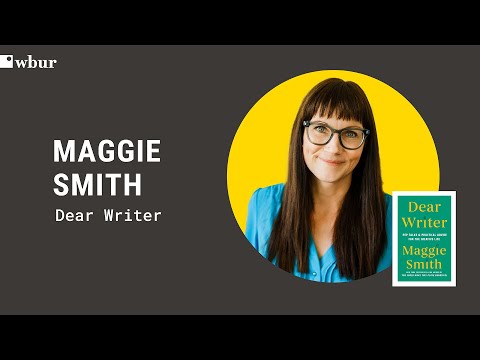
Maggie Smith in conversation with Saeed Jones
Poet and bestselling author Maggie Smith published her eighth book this year, “Dear Writer”; it’s a guide for creatives based on her 20 years of teaching experience. In celebration of National Poetry Month, Smith was joined by fellow award-winning poet Saeed Jones, who is currently an artist-in-residence in the Media, Health and Medicine program at Harvard Medical School.
Kate Baer in conversation with Annie Hartnett
Bestselling author Kate Baer joined us to celebrate the release of her new poetry collection, “How About Now." She sat down with Annie Hartnett, author of the novel “The Road to Tender Hearts,” to discuss writing, friendship and social media, and read from the collection.
NEWSLETTER
We have a weekly newsletter. It arrives early Sunday mornings, and subscribers tell us they look forward to it every week. It always includes an original essay by one of Cog’s editors, a rundown of the stories we published during the previous week and links to what we’re reading. Subscribe! You’ll love it. We promise.
There are the places you expect to find joy, and there are the places where it finds you, writes Sara Shukla. Sometimes, that place is a yo-yo competition in central Massachusetts. (May 16)
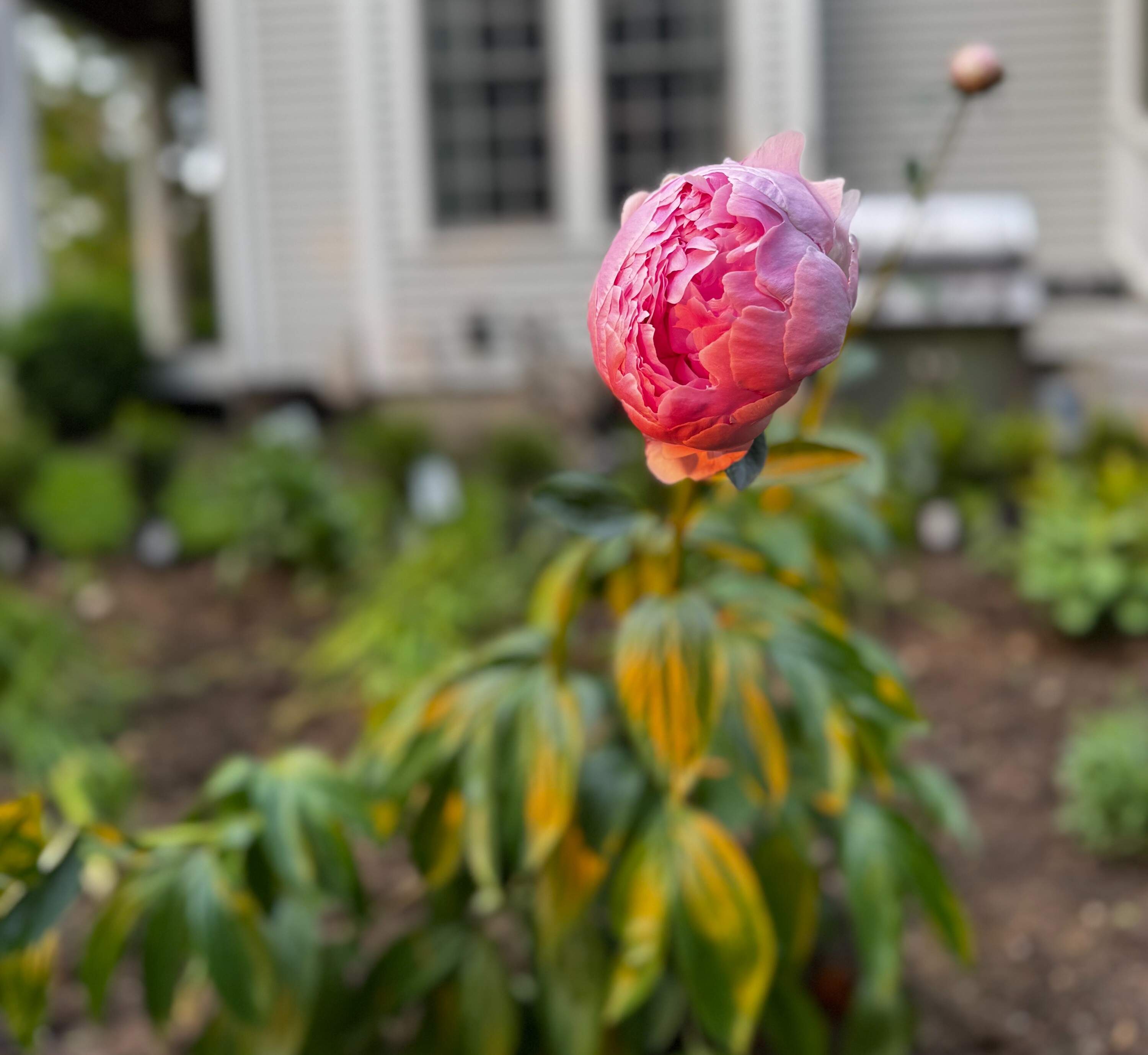
In the span of not-quite four weeks, I’ve transplanted dozens — maybe hundreds — of plants from my parents’ yard to my own. What is happening to me? asks Cog editor Cloe Axelson. (June 15)
The stories we tell ourselves about ourselves
Cog editor Kate Neale Cooper is a runner. Or at least she used to be. In midlife, I’m not willing to accept that my running days are over, she writes, but I have accepted that I need to find new ways to move. Still, I told people, I do not like yoga. (July 20)
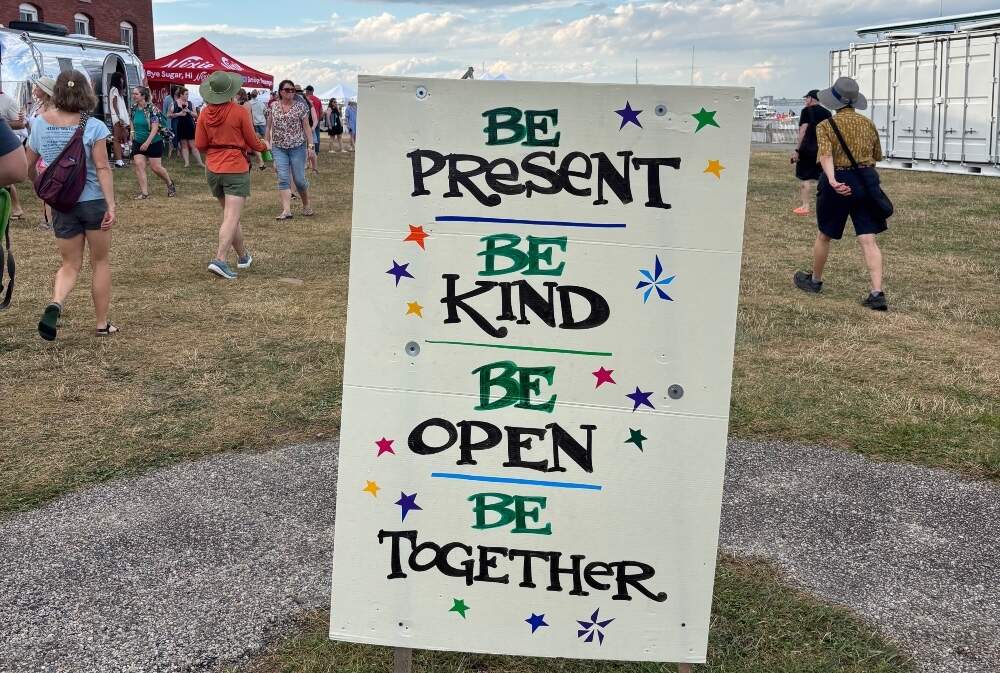
The Newport Folk Festival is one of those places where, so often, you find what you didn't quite know you needed, writes Sara Shukla. That's part of the magic. But I can’t say I’d experienced my own “Newport miracle” until this year. (August 15)
The winter blues are here again
Seasonal affective disorder was clinically recognized by psychiatrists in the mid-1980s, but the link between the seasons and our moods has been observed for millennia —one article I read on the topic referenced a Chinese text from 300 B.C., writes Cloe Axelson. (November 14)
Bruce Springsteen has kept me company for decades
I have no idea what made me ask for Bruce Springsteen’s new boxed set for Christmas in 1986, when I was 14, writes Kate Neale Cooper. But I do know my life was never the same. (October 28)